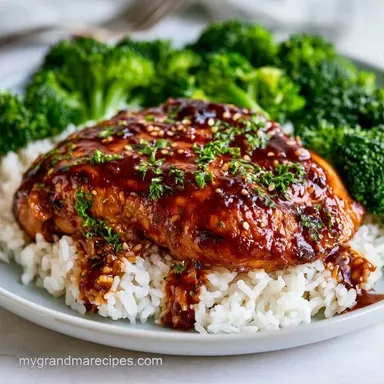
Healthy Teriyaki Chicken Bowl: Glossy and Savory
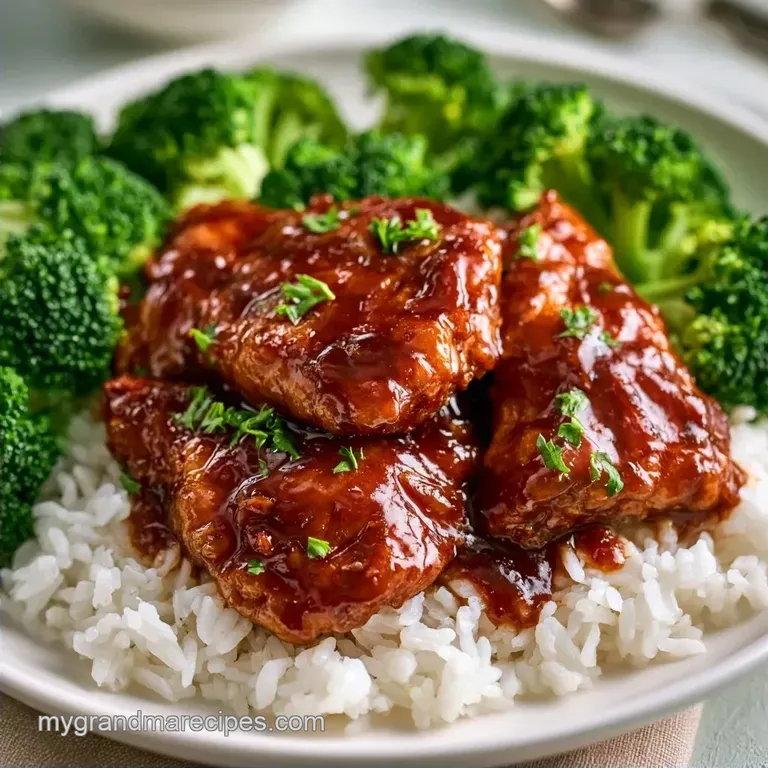
- Time: 10 min prep + 10 min cook = Total 20 mins
- Flavor/Texture Hook: Velvety, glossy sauce with tender crisp vegetables
- Perfect for: Busy weeknight dinners and healthy meal prep
Teriyaki Chicken Bowl
That first hiss of chicken hitting a shimmering pan is my favorite sound in the kitchen. It's the sound of dinner actually happening on a Tuesday night when the day has felt ten hours too long.
I remember one specific evening when I was craving something that felt like a treat but didn't require a trip to a takeout spot. I threw together a handful of pantry staples, a bit of fresh ginger, and some chicken, and the smell of that soy and honey mixture bubbling away instantly calmed the chaos of the house.
The magic of this Teriyaki Chicken Bowl is how it brings that warmth and comfort without needing a whole afternoon of prep. It's a quick win that feels like a complete meal because you've got your protein, your greens, and your grains all hitting the plate at once. We aren't doing anything fancy or rigid here, just building layers of flavor that make a simple piece of chicken breast taste like something you'd pay twenty bucks for at a bistro.
You can expect a dish that hits all the right notes: the saltiness of the soy, the brightness of the mirin, and the deep, golden sear on the meat. It's a fusion of speed and taste that fits perfectly into a hectic schedule.
Trust me on this, once you see how that sauce transforms from a thin liquid to a velvety glaze in sixty seconds, you'll never go back to store-bought bottled sauces.
Why the Glaze Works
- The Sizzle Factor: Searing the meat undisturbed creates a browned crust, which adds a deep, savory layer that balances the sweetness of the honey.
- The Mirror Finish: A cornstarch slurry thickens the sauce quickly, creating a glossy coating that clings to the chicken rather than pooling at the bottom of the bowl.
- The Umami Punch: Combining soy sauce with mirin and ginger creates a complex salt sugar acid balance that wakes up the palate.
- Tender Crisp Texture: Adding vegetables at the very end ensures they stay vibrant and have a snap, preventing the mushiness that ruins most quick stir fries.
According to a guide on slurry techniques from Serious Eats, mixing the starch with cold water first is essential to prevent lumps. If you add the powder directly to the hot pan, it'll clump up and leave you with little white dots of flour in your sauce.
Fresh vs. Shortcut Ingredients
| Component | Fresh Approach | Shortcut Approach | Impact on Taste |
|---|---|---|---|
| Sweetener | Honey | Brown Sugar | Honey is floral; sugar is more caramel like |
| Ginger | Freshly Grated | Ground Powder | Fresh is zingy; powder is woody/muted |
| Rice | Fresh Brown Rice | Pre cooked Pouches | Fresh has more chew and nuttiness |
Component Analysis
Understanding how these bits work together makes you a better cook. It's not just about following a list, it's about knowing why we use these specific items.
| Ingredient | Science Role | Pro Secret |
|---|---|---|
| Low sodium Soy Sauce | Salt & Umami base | Low sodium lets you control the salt without overdoing it |
| Mirin | Acidity & Shine | The sugar in mirin gives the sauce a professional glow |
| Cornstarch | Thickening agent | Only use a tiny amount; too much makes the sauce "gloopy" |
| Avocado Oil | over High heat medium | Higher smoke point than olive oil, so it won't burn or smoke |
Right then, let's look at what you need to gather. I've kept this list tight so you aren't running to the store for one weird ingredient. If you're looking for other ways to glaze your proteins, my velvety chicken sauce glaze is another great option for a different flavor profile.
The Essential Ingredients
- 1.5 lbs chicken breast, cut into 1 inch bite sized pieces Why this? Lean protein that cooks fast in a wok
- 1/2 cup low sodium soy sauce Why this? Provides the deep, salty base
- 2 tbsp mirin Why this? Adds a subtle sweetness and acid
- 1 tbsp honey Why this? Creates a sticky, floral glaze
- 1 tsp freshly grated ginger Why this? Adds a sharp, fresh zing
- 2 cloves garlic, minced Why this? Essential aromatic warmth
- 1 tsp cornstarch Why this? The magic thickening agent
- 1 tbsp cold water Why this? Dissolves starch for a smooth slurry
- 1 tbsp avocado oil Why this? Stands up to high heat
- 3 cups broccoli florets Why this? Absorbs the sauce perfectly
- 2 medium carrots, thinly sliced into rounds Why this? Adds color and a bit of sweetness
- 3 cups cooked brown rice Why this? Nutty base to soak up the glaze
- 2 scallions, thinly sliced Why this? Fresh, oniony finish
- 1 tsp toasted sesame seeds Why this? Tiny pops of nuttiness
Easy Swaps for Your Pantry
| Original Ingredient | Substitute | Why It Works |
|---|---|---|
| Honey (1 tbsp) | Maple Syrup (1 tbsp) | Similar viscosity. Note: Adds a distinct maple flavor |
| Avocado Oil (1 tbsp) | Canola Oil (1 tbsp) | Neutral flavor and high smoke point. No change in result |
| Brown Rice (3 cups) | Quinoa (3 cups) | Similar nuttiness. Note: Higher protein but softer texture |
| Chicken Breast (1.5 lbs) | Chicken Thighs (1.5 lbs) | More fat. Note: Juicier result, but takes 2 mins longer to sear |
Let's talk about your gear. You don't need a professional kitchen, but the right pan makes a huge difference. A non stick skillet is fine, but a carbon steel wok is where this dish really shines because it distributes heat evenly and allows you to toss the vegetables with ease.
Necessary Kitchen Tools
- Large non stick skillet or wok (for the over high heat sear)
- Small mixing bowl (for the sauce)
- Tiny cup or ramekin (specifically for the cornstarch slurry)
- Sharp chef's knife (to get those uniform 1 inch chicken pieces)
- Whisk or fork (to ensure the honey and soy are fully blended)
- Measuring cups and spoons (precision keeps the sauce balanced)
Chef's Note: If you find your chicken sticking to the pan, you're likely adding the meat before the oil is hot enough. Wait until the oil just starts to shimmer that's your cue that the pan is ready for the meat.
Bringing It Together
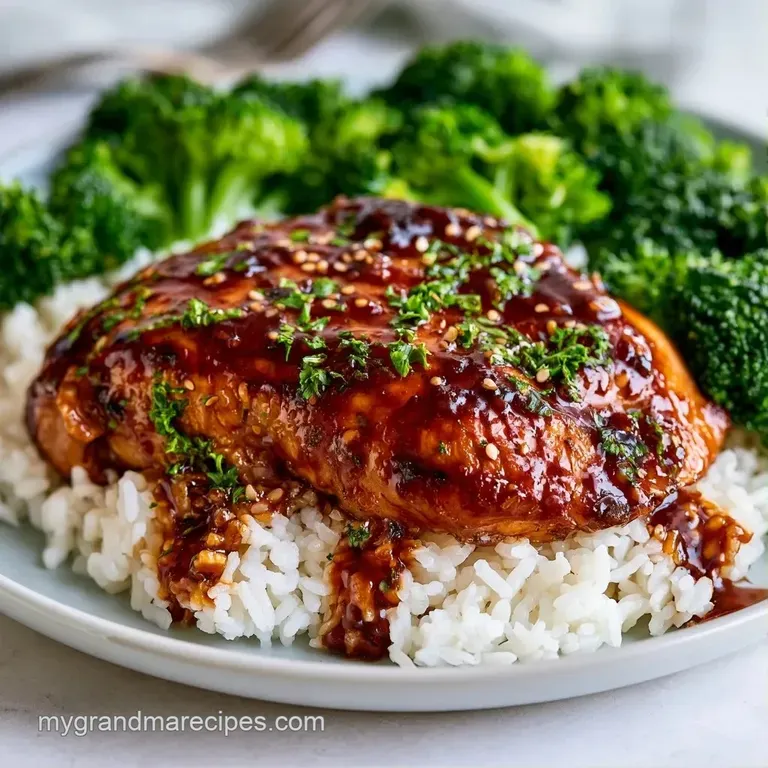
Now we crack on with the cooking. The key here is the sequence. If you put the vegetables in too early, they'll turn to mush while the chicken is still raw. Follow these steps and you'll get that perfect contrast of textures.
- Whisk together the soy sauce, mirin, honey, ginger, and garlic in a small bowl. In a separate tiny cup, mix the cornstarch with cold water to create a slurry. Note: Mixing the slurry separately prevents clumps in the final glaze.
- Heat avocado oil in a large non stick skillet or wok over medium high heat until shimmering. Add chicken in a single layer; sear undisturbed for 3 minutes until a golden brown crust forms, then stir and cook for another 2-3 minutes until nearly cooked through.
- Add broccoli and carrots to the skillet. Stir fry for 3-4 minutes until vegetables are tender crisp and bright.
- Pour the teriyaki sauce over the chicken and vegetables. Let it bubble for 1 minute until the sauce begins to reduce, then stir in the cornstarch slurry and simmer for 60 seconds until the sauce thickens into a glossy glaze.
- Serve the Teriyaki Chicken Bowl by scooping the chicken and vegetables over cooked brown rice and garnish with sliced scallions and toasted sesame seeds.
- The Oil Temp
- The oil should shimmer but not smoke. If it smokes, it's too hot and will burn the honey in the sauce.
- The Sear Time
- Exactly 3 minutes of undisturbed contact. Don't poke the chicken; let the crust develop.
- The Slurry Stage
- The sauce should change from a thin liquid to a thick syrup in exactly 60 seconds.
Fixing Common Mistakes
Cooking at high heat can be a bit erratic. One minute everything is fine, and the next, your sauce is a sticky mess. Most of these problems come down to heat management or timing.
Troubleshooting Common Issues
| Issue | Solution |
|---|---|
| Why Your Sauce Is Too Thin | If your glaze is running all over the plate instead of clinging to the chicken, you probably didn't let the slurry simmer long enough. |
| Why Your Chicken Is Rubbery | This usually happens when you crowd the pan. If you put too much meat in at once, the temperature drops, and the chicken starts to steam in its own juices rather than sear. |
| Why Your Veggies Are Mushy | Overcooking is the enemy of the broccoli. If you add them at the same time as the chicken, they'll be overdone by the time the meat is safe to eat. |
Flavor Variation Ideas
The beauty of a Teriyaki Chicken Bowl is how adaptable it is. Once you have the base technique down, you can start playing with the ingredients to suit your mood or whatever is left in the crisper drawer.
For a Spicy Kick If you like things with a bit of heat, stir in a teaspoon of Sriracha or red chili flakes when you add the sauce. For a more authentic Japanese heat, a pinch of Shichimi Togarashi (seven spice blend) sprinkled on top at the end adds a wonderful complexity.
Low Carb Adjustments If you're avoiding rice, this recipe works brilliantly over cauliflower rice or a bed of sautéed spinach. Since you're losing the starch from the rice, you might want to add a few more vegetables, like snap peas or bell peppers, to keep the bowl filling.
Vegetarian Swap You can easily make this a tofu bowl. Use extra firm tofu, press the water out for 15 minutes, and sear the cubes exactly like the chicken. Tofu takes a bit longer to get a crust, so give it an extra minute or two per side.
Decision Shortcut: If you want it creamier → Add a splash of coconut milk to the sauce. If you want more crunch → Add sliced almonds or cashews at the end. If you want more zing → Squeeze half a lime over the bowl before serving.
Storage and Waste
You don't have to eat everything in one sitting. This recipe is a meal prep dream because the glaze actually keeps the chicken moist even after a few days in the fridge.
Fridge and Freezer Guidelines Store the Teriyaki Chicken Bowl in airtight containers for up to 4 days in the refrigerator. I recommend storing the rice and the chicken/veg mix in separate containers; this prevents the rice from absorbing all the sauce and becoming mushy.
For the freezer, the chicken and veg can last about 2 months, but the rice often loses its texture. If you freeze it, thaw it in the fridge overnight before reheating.
Zero Waste Kitchen Tips Don't throw away those broccoli stems! Peel the tough outer skin with a vegetable peeler, slice the tender inner core into rounds, and toss them in with the carrots. They have a wonderful crunch and absorb the sauce just as well as the florets.
If you have leftover mirin or soy sauce, you can use them to marinate other proteins. Even the small amount of leftover slurry can be saved for a couple of hours to thicken a soup or a gravy.
Great Pairing Options
While a Teriyaki Chicken Bowl is a complete meal on its own, sometimes you want a little something extra on the side to round out the experience.
For a refreshing contrast, I love serving this with a cold cucumber salad just sliced cucumbers, rice vinegar, and a pinch of sugar. The coolness of the cucumber cuts through the rich, sticky glaze of the chicken. If you're feeling like a truly indulgent feast, you could even serve a small side of Traditional Baked Macaroni Cheese recipe for a wild fusion of comfort foods.
If you're looking for a drink pairing, a crisp green tea or a sparkling water with a slice of lemon works best. The acidity cleanses the palate between bites of the sweet teriyaki sauce.
Final Thought on the Bowl The secret to a great meal isn't always a long list of ingredients or a complex technique. Sometimes, it's just about the order of operations and a bit of high heat.
This recipe is all about that balance the snap of the carrot, the tenderness of the chicken, and that glossy, salty sweet finish. It's a reliable, warm meal that brings a bit of joy back into the weekday grind. Right then, get your wok ready and let's get cooking!
Critical Sodium Level
1180 mg 1180 mg of sodium per serving (51% 51% of daily value)
The American Heart Association recommends a daily sodium limit of no more than 2,300 mg, and ideally less than 1,500 mg for most adults to reduce the risk of cardiovascular disease.
Tips to Reduce Sodium
-
Swap for Coconut Aminos-30%
Replace the low-sodium soy sauce with coconut aminos, which provides a similar savory flavor with significantly less sodium.
-
Dilute the Sauce-20%
Reduce the soy sauce by half and replace the volume with water or fresh lime juice to maintain the sauce consistency while cutting salt.
-
Modify the Mirin-5%
Substitute mirin with a mixture of rice vinegar and a small amount of extra honey to lower the sodium contributed by processed seasonings.
-
Enhance Fresh Aromatics
Increase the amount of freshly grated ginger and minced garlic to provide a bolder flavor profile without adding any salt.
Recipe FAQs
What should I put in a teriyaki chicken bowl?
Combine seared chicken breast, broccoli, and carrots over brown rice. Finish the bowl with a garnish of sliced scallions and toasted sesame seeds for a complete meal.
Does teriyaki sauce go on before or after cooking?
Add the sauce during the final minutes of cooking. Pour it over the seared chicken and vegetables, then stir in the cornstarch slurry and simmer for 60 seconds until glossy.
Can type 2 diabetics eat teriyaki chicken?
Consult a medical professional due to the honey and mirin. These specific ingredients add sugars that can impact blood glucose levels.
Do you cook chicken before adding teriyaki sauce?
Yes, sear the chicken first. Cook the pieces undisturbed for 3 minutes to form a golden crust, then stir for 2-3 minutes before adding vegetables and sauce.
How to get dinner done in less than 30 minutes?
Prep your sauce and cornstarch slurry before heating the pan. This bowl takes only 20 minutes total, making it a great alternative to a fresh chopped salad when you want a warm meal.
Why is my teriyaki chicken rubbery?
Avoid crowding the pan. If too much meat is added at once, the pan temperature drops and the chicken steams in its own juices rather than searing.
How to store leftovers without the rice getting mushy?
Store the brown rice and chicken mixture in separate airtight containers. This prevents the rice from absorbing the sauce while refrigerated for up to 4 days.
Teriyaki Chicken Bowl