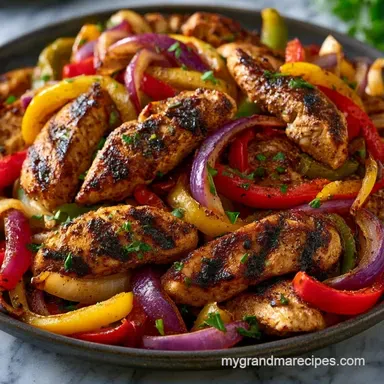
Sheet Pan Chicken Fajitas: Smoky and Charred
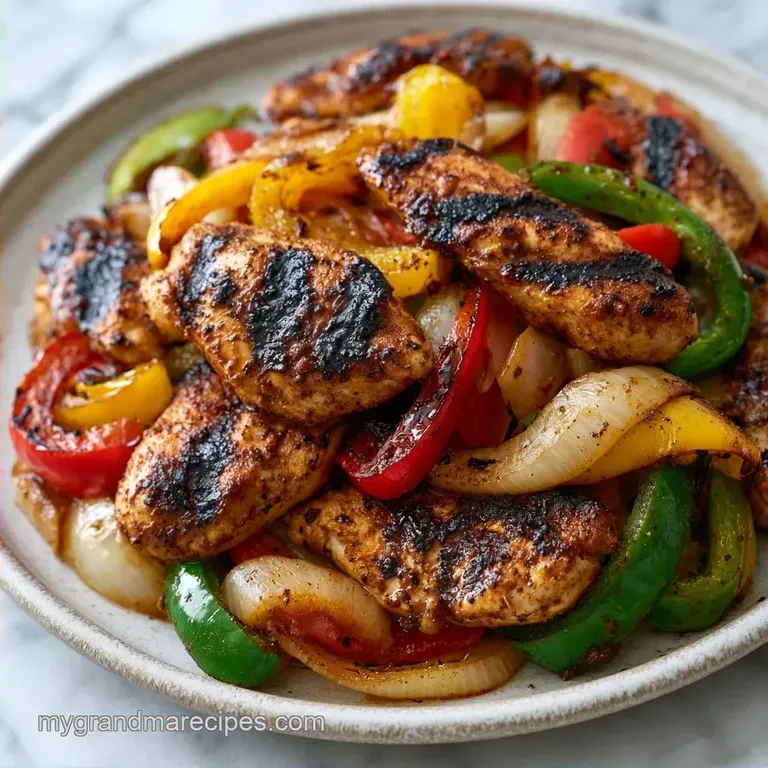
- Time: 10 min active + 20 min roasting = Total 35 mins
- Flavor/Texture Hook: Smoky mahogany chicken with blackened pepper tips
- Perfect for: Quick weeknight dinner or a low stress crowd pleaser
Better Sheet Pan Fajitas
The smell of cumin and smoked paprika hitting a hot oven is enough to make anyone's mouth water. I remember the first time I tried to "shortcut" my fajitas by throwing everything on a tray. I ended up with grey, rubbery chicken and peppers that looked like they'd been boiled in a soup.
It was a disaster, and honestly, it almost made me go back to the tedious process of standing over a screaming hot skillet for an hour.
The problem wasn't the oven, it was the crowding. When you pile ingredients on top of each other, they release moisture that has nowhere to go, creating a little steam sauna. Instead of roasting, the food poaches. I spent a few weekends playing with spacing and temperature until I found the sweet spot.
Now, this is my go to for a Texas Mexican style dinner that actually tastes like it came from a grill. We're talking about a deep, caramelized crust on the chicken and peppers that just shatter slightly when you bite into them. It's all about the airflow and that final blast of heat.
Why This Works
The secret to this recipe is managing how moisture leaves the pan. In a traditional skillet, you're fighting to keep the pan from overcrowding, but a sheet pan gives us more surface area if we use it right.
- Surface Area: Spreading ingredients edge to edge allows water to evaporate instantly, which lets the temperature of the food rise above 212°F for actual browning.
- Fat Distribution: Tossing everything in a bowl first ensures a thin, even coat of oil, which acts as a heat conductor between the metal pan and the protein.
- Thermal Shock: Moving from a 400°F roast to a over high heat broil creates a rapid temperature spike that chars the sugars in the onions and peppers without overcooking the center of the chicken.
- Dry Heat: Unlike a sauté pan where liquids pool at the bottom, the oven's circulating air dries the exterior of the chicken, creating a mahogany crust.
| Method | Time | Texture | Best For |
|---|---|---|---|
| Cast Iron Skillet | 30 mins | High Char/Juicy | Small batches / Tradition |
| Sheet Pan Roast | 35 mins | Evenly Roasted | Families / Meal Prep |
| Stir Fry Pan | 20 mins | Soft/Tender | Very thin slices |
Component Analysis
Understanding how the ingredients interact helps you tweak the recipe without ruining the texture.
| Ingredient | Science Role | Pro Secret |
|---|---|---|
| Chicken Breast | Lean Protein | Slice against the grain for maximum tenderness |
| Olive Oil | Heat Medium | Prevents sticking and carries fat soluble spices |
| Smoked Paprika | Flavor/Color | Provides that "grill" taste without an actual fire |
| Bell Peppers | Natural Sugars | Use a mix of colors for balanced sweetness |
Gathering Your Essentials
For these Sheet Pan Fajitas, you want ingredients that can stand up to high heat without disintegrating. I always suggest getting a mix of red, orange, and green peppers. The red ones are sweeter, while the green ones add a slightly bitter, earthy note that balances the richness of the oil.
The Lineup:
- 1.5 lb boneless skinless chicken breasts, sliced into thin stripsWhy this? Quick cooking time and lean profile
- 3 large bell peppers, sliced into stripsWhy this? Adds sweetness and vibrant color
- 1 large yellow onion, sliced into half moonsWhy this? Caramelizes beautifully at 400°F
- 2 tbsp olive oilWhy this? High smoke point and neutral taste
- 1 tbsp chili powderWhy this? The base for that classic earthy heat
- 1 tsp smoked paprikaWhy this? Mimics the flavor of charcoal
- 1 tsp garlic powderWhy this? Even distribution; fresh garlic burns too fast
- 1 tsp ground cuminWhy this? Adds the signature nutty aroma
- 1/2 tsp saltWhy this? Draws out moisture for better browning
- 1/4 tsp black pepperWhy this? Subtle woody heat
- 1/4 tsp cayenne pepperWhy this? Adds a little kick to the back of the throat
Simple Swaps:
| Original Ingredient | Substitute | Why It Works |
|---|---|---|
| Chicken Breasts | Flank Steak | Richer flavor. Note: Slice thinner to avoid toughness |
| Chicken Breasts | Large Shrimp | Faster cook. Note: Reduce roast time to 8-10 mins |
| Olive Oil | Avocado Oil | Higher smoke point. Note: Great for even hotter ovens |
| Bell Peppers | Poblano Peppers | Earthier and spicier. Note: Best for authentic heat |
Since we're keeping things lean here, you can refer to USDA FoodData to see how chicken breast provides a high protein base that keeps you full without the heaviness of fattier cuts.
Bringing It Together
Right then, let's get into the action. The key here is speed and spacing.
1. Prep and Season
Preheat your oven to 400°F (200°C). In a large mixing bowl, combine the sliced chicken, bell peppers, and onions. Drizzle with olive oil and sprinkle the chili powder, smoked paprika, garlic powder, ground cumin, salt, black pepper, and cayenne pepper over the top.
Toss thoroughly until every piece is coated. Note: Coating in a bowl is better than seasoning on the pan to avoid "spice clumps."
2. The over High heat Roast
Spread the mixture in a single layer across a prepared rimmed baking sheet, ensuring ingredients are edge to edge and not piled. Roast for 18-20 minutes until the chicken is opaque throughout and the onions are slightly charred.
3. The Finishing Touch
Turn the oven to the Broil setting for the final 2-3 minutes until the pepper tips are blackened and the chicken has a deep mahogany crust. Remove from the oven and let the fajitas rest for 5 minutes before serving.
Note: Resting allows the juices to redistribute so the chicken stays velvety.
Chef's Note: If you want a deeper flavor, add a tiny pinch of espresso powder to your spice mix. It doesn't taste like coffee, but it makes the smoked paprika feel much more "char grilled."
Pro Tips & Pitfalls
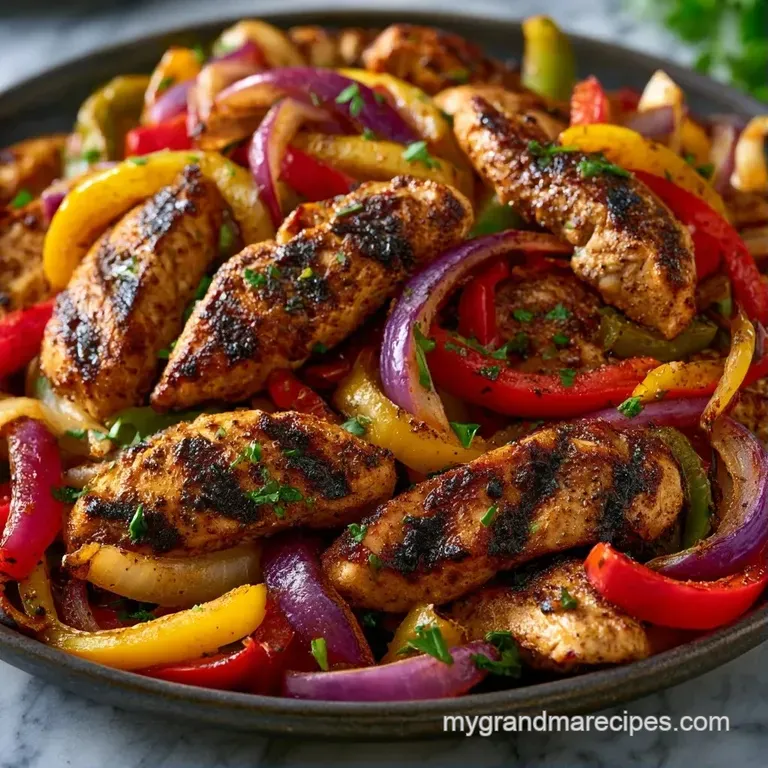
The biggest mistake people make with this recipe is overcrowding the pan. If you see your vegetables releasing a lot of liquid and simmering in a pool of juice, you've put too much on one tray. Use two pans if you're doubling the batch.
Troubleshooting Common Issues
| Issue | Solution |
|---|---|
| Why Your Veggies Are Soggy | This usually happens because the oven temperature dropped too much when you put the pan in, or the ingredients were too crowded. When the vegetables are piled, they steam rather than roast. |
| Why Your Chicken Is Rubbery | Overcooking is the enemy. Chicken breast dries out fast. Use a meat thermometer to hit 165°F and then get it out immediately. |
| Why The Flavor Feels Flat | If the dish tastes "one note," you might be missing acidity. While the spices provide the base, a squeeze of fresh lime juice right after the pan comes out of the oven wakes up the cumin and paprika. |
Success Checklist:
- ✓ Sliced chicken and peppers are roughly the same thickness for even cooking.
- ✓ Ingredients are spread in a single layer, not heaped.
- ✓ Oven preheated fully before the pan goes in.
- ✓ Broiler used only for the last 3 minutes to avoid burning.
- ✓ Rested for 5 minutes to lock in the moisture.
Make It Your Own
This recipe is a fantastic canvas. If you're feeling adventurous, you can swap the protein entirely. For Sheet Pan Steak Fajitas, use skirt steak and increase the roast time by about 3-5 minutes.
For Sheet Pan Shrimp Fajitas, toss the shrimp in at the very end since they only need about 6-8 minutes total.
If you're looking for a Healthy Sheet Pan Fajitas twist, swap the olive oil for a light spray of avocado oil and serve them in lettuce wraps instead of flour tortillas. For a vegan protein swap, extra firm tofu pressed and sliced into strips works brilliantly, though you'll want to add a splash of soy sauce to the seasoning for that savory "umami" hit.
If you've got a craving for other comfort foods, you might enjoy my Homemade Chicken Pot Pie for a cozy night in, or if you need a sweet contrast after the spicy fajitas, some Classic Lemon Bars are a great palate cleanser.
Adjustment Guidelines
When changing the amount of food, don't just multiply everything linearly.
Scaling Down (½ Batch): Use a smaller sheet pan (half sheet) to keep the ingredients concentrated enough to roast, but not so crowded they steam. Reduce the total roasting time by about 20%, as smaller masses of food heat up faster.
Scaling Up (2x-4x Batch): This is where most people fail. Do NOT use one giant pan. Work in batches or use multiple rimmed baking sheets. Increase salt and spices to only 1.5x the original amount; over seasoning in large batches can lead to an overwhelmingly salty crust.
Truths About Roasting
There are a few common myths about fajitas that I want to clear up. First, some people claim you must sear the meat in a pan first to "lock in the juices." This is simply not true. Moisture loss happens regardless of how you start; the "sear" is about flavor, not juice retention.
The over high heat roast and broil method gives you that same flavor without the mess.
Another myth is that you can't get a "real" char in a home oven. While a commercial grill is different, a home broiler is essentially an upside down grill. By utilizing the broiler for the last few minutes, you're getting a direct infrared heat hit that mimics a flame grilled finish perfectly.
Storage Guidelines
If you have leftovers, store the roasted meat and vegetables together in an airtight container in the fridge for up to 4 days. I don't recommend freezing the cooked peppers as they lose their structure and become mushy, but the chicken holds up well for 2 months in the freezer.
Reheating: Avoid the microwave if you can, as it will make the peppers soggy. Instead, toss the leftovers back onto a baking sheet and pop them under the broiler for 3-5 minutes. This brings back that slight crispness to the edges.
Zero Waste Tips: Don't toss your onion skins and pepper stems! Toss them into a freezer bag with other veggie scraps. Once the bag is full, simmer them with water and a bay leaf to make a light vegetable stock.
Also, any leftover fajita mix that's too small for a tortilla makes a great addition to a morning omelet.
Presentation Tips
The way you serve these changes the whole vibe of the meal. I love the "Build Your Own" Board approach. Spread the roasted mix across a large wooden platter and surround it with bowls of sour cream, sliced avocado, fresh cilantro, and crumbled cotija cheese.
It makes the meal feel like a party, even if it's just a Tuesday night.
For a more modern take, try the Fajita Bowl. Layer some cilantro lime rice or quinoa at the bottom, top it with a generous scoop of the roasted mix, and add a dollop of Greek yogurt for a healthy twist. It's a great way to control portions while still getting all those bold flavors.
Right then, you've got the secrets to the best Sheet Pan Fajitas. Just remember: space is your friend, and the broiler is your secret weapon. Enjoy the sizzle!
Recipe FAQs
Is this a good recipe for beginners who need dinner in under 30 minutes?
Yes, it is ideal. With only 10 minutes of prep and 20 minutes of roasting, it is one of the fastest healthy dinners for a busy weeknight.
Why are my peppers and onions soggy instead of charred?
Avoid overcrowding the pan. When ingredients are piled, they steam rather than roast; ensure everything is spread in a single layer for proper browning.
How to prevent the chicken from becoming rubbery?
Use a meat thermometer to hit 165°F. Chicken breast dries out quickly, so remove the pan from the oven immediately once it reaches this temperature.
Is it true that roasting at 400°F is enough to get blackened edges?
No, this is a common misconception. You must use the broiler setting for the final 2-3 minutes to achieve charred pepper tips and a deep mahogany crust.
Can I freeze the leftover fajitas?
Freeze only the chicken. While the meat stays high-quality for two months, the peppers lose their structure and become mushy when frozen.
How to reheat leftover fajitas without making them soggy?
Pop them under the broiler for 3-5 minutes. This method restores the crispness to the edges far better than using a microwave.
What can I serve with these fajitas for a complete meal?
Pair them with warm bread. If you enjoyed the simple prep here, see how that same approach to basic staples works in our homemade bread recipe.
Easy Sheet Pan Fajitas