Edible Sugar Cookie Dough: Velvety and Buttery
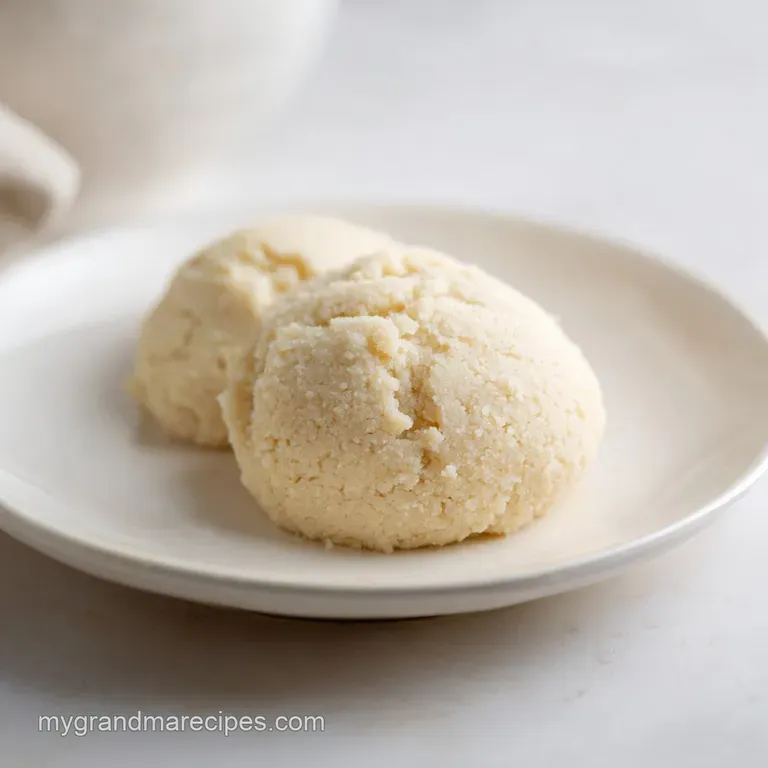
- Time: 10 min active + 5 min cook = Total 15 minutes
- Flavor/Texture Hook: Velvety, sweet, and buttery with a crunch of sprinkles
- Perfect for: Late night cravings, party platters, or a quick sweet treat
That smell of softened butter hitting granulated sugar is a core memory for me. In my grandmother's Southern kitchen, the air always felt heavy with the scent of vanilla and toasted flour, a kind of warmth that wrapped around you like a blanket.
I spent half my childhood hovering by the counter, trying to sneak a pinch of dough before it hit the baking sheet, ignoring her warnings about "tummy aches" from the raw flour.
The truth is, we all just wanted that instant gratification. I spent years trying to replicate that exact childhood experience without the worry of raw ingredients. This version of Edible Sugar Cookie Dough is exactly what I remember sweet, buttery, and slightly salty but it's actually safe to eat.
You get all the nostalgia without the risk.
Right then, let's get into it. We're keeping this simple with minimal tools because the best treats don't require a professional kitchen. Just a bowl, a spoon, and a few basic staples from your pantry. Trust me on this, once you have a jar of this in the fridge, you'll wonder why you ever bothered with the oven.
Edible Sugar Cookie Dough
What keeps it safe and soft
Heat Treatment: Baking the flour kills bacteria like E. coli or Salmonella, making it safe to eat. According to the FDA, raw flour is a raw agricultural product and needs heat to be safe.
Fat Stability: The high ratio of butter to flour creates a velvety texture that doesn't require eggs for binding. This prevents the dough from feeling "pasty" in your mouth.
Moisture Balance: A splash of whole milk replaces the liquid usually provided by eggs. This keeps the dough scoopable and prevents it from becoming a dry crumble.
Sugar Crystallization: Using granulated sugar instead of powdered sugar provides a tiny bit of grit that mimics traditional dough. It gives that classic, old-fashioned feel.
| Method | Time | Texture | Best For |
|---|---|---|---|
| Oven Heat | 5 mins | Evenly toasted | Large batches of flour |
| Microwave | 2 mins | Slightly drier | Quick, single servings |
Component Analysis
| Ingredient | Science Role | Pro Secret |
|---|---|---|
| Unsalted Butter | Structure & Fat | Use "European style" for more richness |
| Granulated Sugar | Sweetness & Texture | Don't swap for honey or it'll be too runny |
| AP Flour | Bulk & Body | Sift after heating to remove clumps |
| Vanilla Extract | Aroma Profile | Use a clear extract for a cleaner look |
The Building Blocks
When it comes to making this, the quality of your butter is everything. I always lean toward unsalted butter because it lets me control the salt level exactly. In the South, we treat butter like a primary food group, and for this recipe, you want it softened not melted.
If it's too melted, your dough will be an oily mess; if it's too cold, you'll have lumps.
For the flour, all purpose is the way to go. Some people try to use almond flour for a healthier twist, but you lose that specific "cookie" bite. If you're worried about safety, remember that the risk of salmonella poisoning isn't just from eggs, but from the flour itself. That's why the heat treatment step is non negotiable.
Ingredients List:
- 1/2 cup (115g) unsalted butter, softened Why this? Provides the creamy, traditional base
- 3/4 cup (150g) granulated sugar Why this? Gives the correct sweetness and grain
- 1 1/4 cups (155g) all purpose flour Why this? Standard structure for cookie dough
- 1/4 tsp (1.5g) salt Why this? Balances the sugar sweetness
- 2 tbsp (30ml) whole milk Why this? Replaces egg moisture
- 2 tsp (10ml) pure vanilla extract Why this? Essential for that nostalgic aroma
- 3 tbsp (30g) rainbow sprinkles Why this? Adds color and a tiny crunch
| Original Ingredient | Substitute | Why It Works |
|---|---|---|
| Unsalted Butter | Coconut Oil (solid) | Similar fat content. Note: Adds a distinct coconut flavor |
| Whole Milk | Almond Milk (unsweetened) | Provides liquid. Note: Slightly thinner consistency |
| Granulated Sugar | Coconut Sugar | Natural sweetener. Note: Turns dough brown and tastes caramel like |
| All Purpose Flour | Oat Flour (fine) | gluten-free option. Note: Denser and more "nutty" |
I've found that adding a tiny pinch of cinnamon or a drop of almond extract can really change the vibe of the dough. But if you want that classic, old-fashioned sugar cookie taste, stick to the vanilla.
The Cooking Process
Right then, let's get this mixed. You don't need a fancy stand mixer, though a KitchenAid works great if you have one. A sturdy bowl and a handheld mixer or a wooden spoon will do the trick just fine.
- Spread the flour on a baking sheet and bake at 350°F (175°C) for 5 minutes, or microwave in 30 second intervals, stirring in between, until the internal temperature reaches 160°F (71°C). Note: This is the safety step.
- Let the flour cool completely before using. Note: Hot flour will melt your butter instantly.
- Beat the softened butter and granulated sugar in a bowl until the mixture is pale and fluffy.
- Stir in the vanilla extract, milk, and salt. Note: Mix until the liquid is fully incorporated.
- Gradually add the cooled, heat treated flour to the bowl.
- Mix on low speed until just combined. Note: Don't overmix or the dough gets tough.
- Fold in the sprinkles by hand using a spatula.
- Stir until the sprinkles are evenly distributed throughout the dough.
Chef's Note: If you want a more "professional" look, chill the dough for 30 minutes before scooping. This firms up the butter and makes the texture feel more like actual cookie dough.
Common Dough Issues
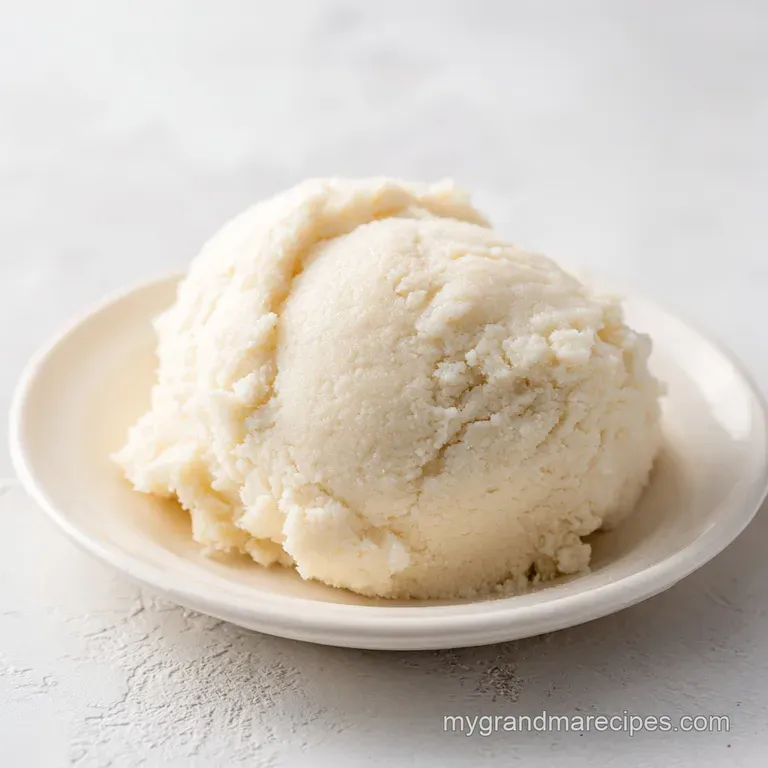
It's easy to mess up the consistency if you're rushing. The most common complaint I hear is that the dough is either too crumbly or too runny. Usually, this comes down to the temperature of your ingredients or the amount of milk used.
Why Your Dough is Runny
If the dough feels more like a paste than a dough, your butter was likely too soft or even melted. When butter melts, it loses its ability to hold air, and the emulsion breaks. You can fix this by popping the whole bowl in the fridge for 20 minutes.
Why Your Dough is Crumbly
This usually happens if the flour wasn't sifted after heating or if you didn't use enough milk. Heat treated flour can sometimes clump together. A quick whisk or a teaspoon more of milk usually solves this.
Removing Grainy Texture
If the sugar isn't fully incorporated, you'll feel a grit that's too aggressive. This happens when the butter is too cold to "grab" the sugar crystals. Beat the butter and sugar for at least 2-3 minutes to ensure a velvety finish.
| Problem | Root Cause | Solution |
|---|---|---|
| Oily Texture | Butter was melted | Chill for 20 mins in fridge |
| Too Dry | Flour over measured | Add milk 1 tsp at a time |
| Bland Taste | Salt forgotten | Stir in a pinch of fine salt |
Consistency Checklist:
- ✓ Butter is room temp (indents with a finger, doesn't slide)
- ✓ Flour reached 160°F (71°C) and cooled completely
- ✓ Butter and sugar beaten until pale
- ✓ Sprinkles folded in last to avoid bleeding colors
Adjusting the Batch Size
Sometimes you just want a little treat for yourself, and other times you're feeding a whole crowd. This Edible Sugar Cookie Dough is very flexible, but you have to be careful with the liquids.
Scaling Down (For One): To make a quarter batch, use 3 tbsp of butter and about 3 tbsp of sugar. Since you can't really use a "quarter" of a teaspoon of salt easily, just use a tiny pinch. For the milk, use about 1.5 teaspoons.
I recommend mixing this by hand with a fork since a mixer is too big for such a small amount.
Scaling Up (For Parties): If you're doubling or tripling the recipe, don't just multiply everything blindly. Increase the salt and vanilla to about 1.5x the multiplier too much salt can make the dough taste metallic, and too much vanilla can become medicinal.
Work in batches if you don't have a massive bowl; otherwise, the flour at the bottom won't get mixed in, and you'll end up with flour pockets.
| Batch Size | Butter | Flour | Milk |
|---|---|---|---|
| Single (1/4) | 28g | 39g | 7ml |
| Standard (1x) | 115g | 155g | 30ml |
| Party (2x) | 230g | 310g | 50ml |
If you're making a massive amount, I suggest using a stand mixer. It handles the heavy lifting and ensures the butter and sugar are truly creamed, which is the secret to that velvety mouthfeel.
Common Misconceptions
"You can just use raw flour if you don't use eggs." This is a big one. People think the eggs are the only danger, but raw flour is a raw agricultural product. It can carry bacteria from the field. Always heat treat your flour to be safe.
"Adding more butter makes it tastier." To a point, yes. But if you overdo the butter, the dough becomes an oily paste that coats your tongue and masks the vanilla and sugar flavors. Stick to the ratio for the best balance.
"You need a food processor for the best texture." Not at all. In fact, a food processor can overwork the flour, developing too much gluten. This makes the dough chewy or "bready" instead of soft and melt in-your mouth. A simple bowl and spoon are your best friends here.
Preservation Secrets
Storing your Edible Sugar Cookie Dough correctly is the difference between a treat and a chore. Because there are no preservatives, it needs to stay cold.
Fridge and Freezer: Keep it in an airtight container or a glass jar in the fridge for up to 7 days. If you want it to last longer, you can freeze it for up to 3 months. I like to scoop the dough into small balls and freeze them on a tray before transferring them to a bag.
That way, you can just grab one or two whenever the craving hits.
Reheating and Texture: Never microwave the dough to soften it you'll just melt the butter. If it's too hard from the fridge, let it sit on the counter for 10-15 minutes. If you've frozen it, thaw it in the fridge overnight. If you're looking for other no bake ideas, my classic no bake cookies are a great companion for a dessert spread.
Zero Waste Tips: If you have a little bit of butter or milk left over from measuring, don't toss them. Use the leftover butter to grease a pan for another project or stir the extra milk into your morning coffee. If you have a few sprinkles left in the bottom of the jar, shake them into some oatmeal for a bit of morning cheer. For something even creamier, you might enjoy my cookie dough dip which uses cream cheese for a different texture.
Perfect Complements
This dough is rich and sweet, so it pairs best with things that offer a contrast in temperature or flavor.
The Cold Contrast: Serving a scoop of this alongside a bowl of fresh strawberries or raspberries cuts through the richness of the butter. The acidity of the berries balances the sugar perfectly.
The Beverage Pair: A cold glass of milk is the classic choice, but a hot cup of black coffee or an espresso really makes the vanilla notes pop. The bitterness of the coffee acts as a foil to the sweetness of the dough.
The Platter Approach: If you're serving this at a party, put it in a nice bowl surrounded by apple slices, pretzels, and marshmallows. The saltiness of the pretzels creates a sweet and salty combo that keeps people coming back for more.
It's a simple way to turn a basic snack into a real dessert experience.
Recipe FAQs
Can I eat this dough without baking it?
Yes, this recipe is entirely safe to eat raw. We omit the eggs and heat treat the flour to remove any risk of bacteria, giving you a safe, velvety treat.
Why must the flour be heat treated?
It eliminates harmful bacteria. Raw flour can contain E. coli or Salmonella, so heating it to 160°F (71°C) ensures it is safe for consumption.
How to heat treat flour in the microwave?
Microwave in 30-second intervals, stirring in between. Continue this process until the internal temperature of the flour reaches 160°F (71°C) before letting it cool.
Is it true that raw flour is safe as long as it is from a high-quality brand?
No, this is a common misconception. All raw flour is considered a raw agricultural product and must be heat treated to be safe for raw consumption.
How to store the edible dough?
Keep it in an airtight container in the refrigerator. This preserves the freshness of the butter and milk, keeping the texture soft for several days.
Can I use homemade butter for this recipe?
Yes, it works perfectly. If you have heavy cream on hand, you can whip up your own homemade butter to use as the fat base for a fresher flavor.
Why is my dough too crumbly?
Stir in a small amount of additional milk. This usually happens if the butter wasn't softened enough or if the flour was packed too tightly during measurement.
Edible Sugar Cookie Dough