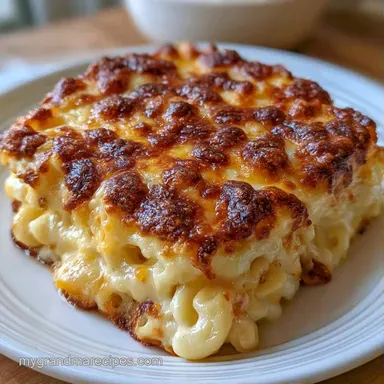
Traditional Baked Macaroni Cheese: Creamy and Golden
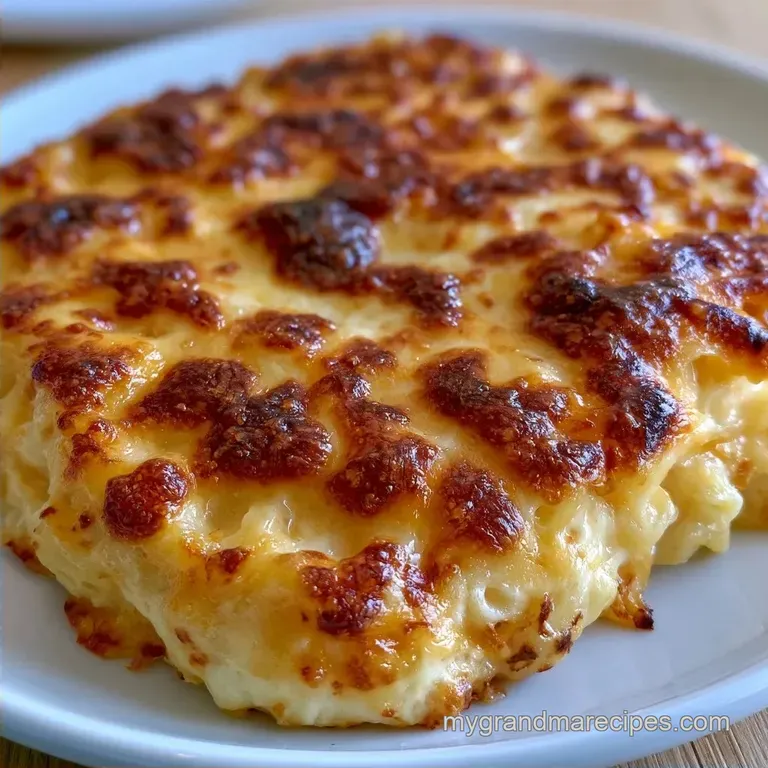
- Time:15 minutes active + 40 minutes baking = Total 55 minutes
- Flavor/Texture Hook: Sharp cheddar punch with a buttery, toasted Panko crunch
- Perfect for: Family holiday dinners, potlucks, or a cozy Sunday night in
- Traditional Baked Macaroni Cheese
- Sauce Science Basics
- Ingredient Component Analysis
- The Ingredient List
- Essential Kitchen Tools
- How to Cook It
- Troubleshooting Common Issues
- Mixing Up Flavors
- Adjusting The Batch Size
- Truth About Cheese
- Keeping Leftovers Fresh
- The Best Side Dishes
- Recipe FAQs
- 📝 Recipe Card
Traditional Baked Macaroni Cheese
The first thing that hits you is the scent - that heavy, salty, toasted cheese aroma that fills every single corner of the house. I remember my grandmother's kitchen on rainy afternoons, the air thick with the smell of simmering milk and butter.
She didn't use fancy timers or digital thermometers, just a look and a feel, and the result was always this golden, bubbling tray of heaven.
You're looking for that specific balance where the pasta is tender but doesn't turn into mush, and the sauce is thick enough to hold its shape but still feels like silk on your tongue.
This Traditional Baked Macaroni Cheese isn't about being "healthy" or "light", it's about that old-fashioned, soul warming embrace in a baking dish.
Trust me, once you move away from the boxed stuff and embrace the roux, there's no going back. It takes a few more minutes of whisking, but the payoff is a depth of flavor that makes the store-bought version taste like cardboard. Let's get into how to make this the best version you've ever had.
Sauce Science Basics
I'm not a lab tech, but I've spent enough time over a stove to know why some sauces break and others stay smooth. It all comes down to how the ingredients play together.
- The Butter Flour Bond: Whisking flour into melted butter creates a roux, which acts like a stabilizer. It prevents the fats in the cheese from separating, keeping your sauce velvety instead of oily.
- Temperature Control: Using warmed milk prevents the roux from "shocking" and clumping. It lets the liquid incorporate smoothly, which is the secret to a lump free base.
- The Starch Factor: Undercooking the pasta is vital because the noodles keep cooking in the oven. They soak up the sauce, and if they're already soft, you'll end up with a porridge like texture.
- Cheese Melting: Adding cheese in small handfuls on low heat prevents it from seizing. This keeps the sauce glossy and prevents that grainy texture we all hate.
Right then, before we move on, you should see how this differs from a quick stovetop version. Most people ask me if they can just skip the oven, but the two methods are completely different beasts.
| Feature | Stovetop Mac | Oven Baked Mac |
|---|---|---|
| Cooking Time | 15-20 minutes | 55 minutes total |
| Texture | Liquid & creamy | Set, bubbly, & crusty |
| Best For | Quick weeknight | Special occasions |
| Sauce Volume | Moderate | Extra (to account for absorption) |
Now, let's dive into what's actually happening with the ingredients themselves.
Ingredient Component Analysis
Understanding your tools is half the battle. When you know what each part does, you can stop stressing about the measurements and start cooking by instinct.
| Ingredient | Science Role | Pro Secret |
|---|---|---|
| Sharp Cheddar | Primary Flavor | Grate it yourself; pre shredded cheese has potato starch that blocks melting |
| Gruyère | Texture & Nuttiness | Adds a sophisticated, meltable stretch that cheddar lacks alone |
| Whole Milk | Emulsion Base | The higher the fat, the creamier the mouthfeel |
| Panko Crumbs | Texture Contrast | Larger flakes than standard breadcrumbs, creating a "shatter" effect |
I once tried using low-fat milk and pre shredded bags of cheese just to save time. Honestly, don't even bother. It turned out grainy and thin, and I ended up throwing half of it away. Stick to the real deal for a Traditional Baked Macaroni Cheese that actually tastes like home.
The Ingredient List
Here is everything you need to gather. I've listed them exactly as you'll use them. If you're looking for a slightly different crust, my Panko crust mac and cheese guide has some great alternatives.
For the Pasta - 1 lb elbow macaroni Why this? Classic shape that holds onto the sauce perfectly - 1 tbsp salt Why this? Seasons the pasta from the inside out
For the Creamy Cheese Sauce
- 4 tbsp unsalted butterWhy this? Provides the base for the roux
- 1/4 cup all purpose flourWhy this? Thickens the sauce and stabilizes the cheese
- 3 cups whole milk, warmedWhy this? Prevents lumps and creates a rich texture
- 4 cups sharp cheddar cheese, freshly gratedWhy this? The bold, traditional flavor profile
- 1 cup Gruyère cheese, freshly gratedWhy this? Superior melting and nutty aroma
- 1/2 tsp garlic powderWhy this? Adds a subtle savory depth
- 1/2 tsp smoked paprikaWhy this? Gives a hint of warmth and color
- 1/4 tsp ground nutmegWhy this? The "secret" ingredient that enhances dairy
- salt to taste
- black pepper to taste
For the Breadcrumb Topping
- 1/2 cup Panko breadcrumbsWhy this? Maximum crunch
- 2 tbsp unsalted butter, meltedWhy this? Helps crumbs brown evenly
- 1/4 cup Parmesan cheese, gratedWhy this? Salty, crisp finish
Essential Kitchen Tools
You don't need a professional kitchen to pull this off, but a few specific tools make the process a lot smoother.
- Large Stockpot: For boiling the macaroni without it sticking together.
- Heavy bottomed Saucepan: Essential for the roux so the butter doesn't burn in hot spots.
- Whisk: Your best friend for getting rid of flour lumps.
- 9x13 Inch Baking Dish: The standard size to ensure the macaroni cooks evenly.
- Box Grater: Because, as mentioned, pre shredded cheese is the enemy of a smooth sauce.
- Colander: For a quick, clean drain of the pasta.
How to Cook It
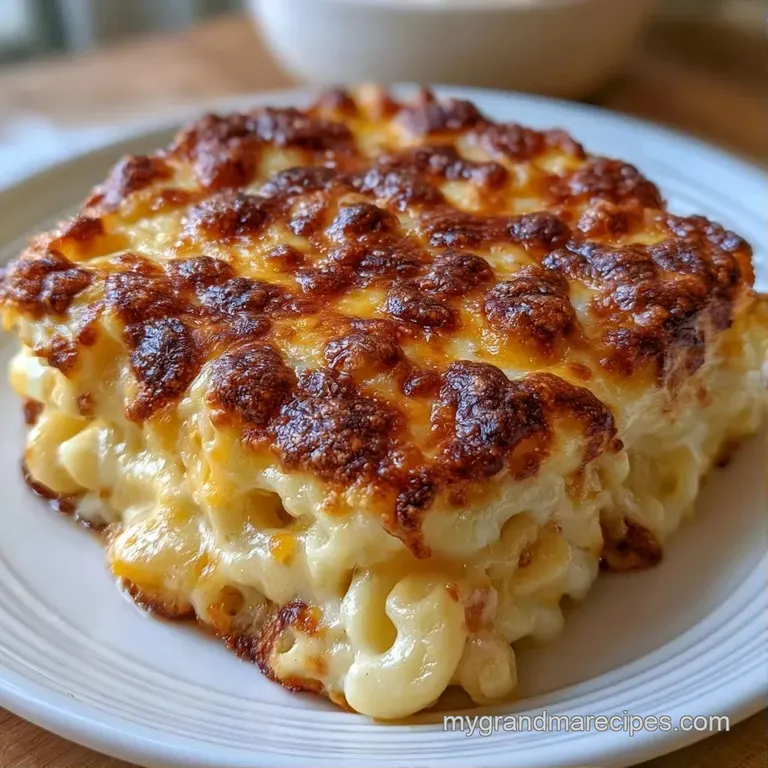
Right then, let's crack on. Follow these steps, but keep an eye on the cues. Cooking is about what you see and smell, not just the timer. For a deep dive into the perfect Béchamel base, Serious Eats has some great technical breakdowns on roux.
Phase 1: The Pasta Prep
- Bring a large pot of heavily salted water to a rolling boil. Add the macaroni and cook for exactly 2 minutes less than the package directions. Wait for the noodles to be "al dente" - meaning they still have a slight bite in the center. Drain immediately and set aside. Note: This prevents the pasta from becoming mushy during the bake.
Phase 2: The Velvety Sauce
Melt 4 tbsp butter in a saucepan over medium heat until it bubbles. Whisk in the flour and cook for 1-2 minutes until the mixture smells nutty and looks like a pale paste.Note: Don't let it brown too much, or you'll change the flavor of the sauce.
Slowly pour in the warmed milk, whisking constantly to eliminate lumps. Simmer for 3-5 minutes until the sauce thickens enough to coat the back of a spoon.Note: The sauce should be smooth and slightly glossy at this stage.
Turn heat to low. Stir in the cheddar and Gruyère one handful at a time until the sauce is completely smooth and glossy.Note: Adding cheese too fast can cause the sauce to break or grain.
Stir in garlic powder, smoked paprika, nutmeg, salt, and pepper. Taste it now - the sauce should be bold and seasoned.
Phase 3: The Assembly & Bake
Preheat oven to 350°F (175°C). Fold the par boiled macaroni into the cheese sauce until every single noodle is thoroughly coated in gold.
Pour the mixture into a 9x13 inch baking dish. Smooth the top with a spatula so it's even.
Combine Panko breadcrumbs, melted butter, and Parmesan cheese in a small bowl. Sprinkle evenly over the macaroni. Ensure the crumbs cover the edges to prevent the sauce from drying out.
Bake for 20-30 minutes until the topping is golden brown and the sauce is bubbling around the sides.
Troubleshooting Common Issues
Even the best of us mess up sometimes. Maybe your sauce is too thick, or maybe the pasta is a bit too soft. Don't panic; it's usually an easy fix.
| Issue | Solution |
|---|---|
| Why Your Sauce Is Grainy | This usually happens when the cheese is added to a sauce that is too hot. The proteins in the cheese tighten up and separate from the fat. |
| Why Your Pasta Is Dry | If the Traditional Baked Macaroni Cheese comes out of the oven looking dry, it's likely because the pasta was overcooked during the boiling stage. The noodles absorbed all the sauce. |
| Why The Topping Didn't Brown | If your crumbs are pale, your oven might be running cold, or you didn't use enough melted butter. |
Common Mistakes Checklist
- ✓ Grating cheese from the block, not the bag.
- ✓ Warming the milk before adding it to the roux.
- ✓ Cooking pasta 2 minutes under the box instructions.
- ✓ Stirring cheese in slowly on low heat.
- ✓ Using a 9x13 dish for even heat distribution.
Mixing Up Flavors
While this is a Traditional Baked Macaroni Cheese, you can definitely tweak it to fit your mood. Just be careful not to overcomplicate it - the beauty of this dish is its simplicity.
Ingredient Swaps
| Original Ingredient | Substitute | Why It Works |
|---|---|---|
| Gruyère (1 cup) | Mozzarella (1 cup) | Same meltability. Note: Less nutty, more mild and stretchy |
| Panko Breadcrumbs | Crushed Ritz Crackers | Higher butter content. Note: Saltier, more nostalgic flavor |
| Whole Milk (3 cups) | Heavy Cream (2 cups) | Higher fat content. Note: Much richer, thicker sauce |
| Sharp Cheddar | Pepper Jack | Similar fat content. Note: Adds a spicy kick to the dish |
If you're feeling fancy, try adding a teaspoon of Dijon mustard to the sauce. It doesn't make it taste like mustard; instead, it just makes the cheese taste "cheesier" by cutting through the richness.
For those who want to turn this into a full meal, stir in some cooked bacon bits or sautéed spinach before baking. If you're making a larger spread, this pairs wonderfully with my Homemade Chicken Pot Pie for a truly comforting feast.
Adjusting The Batch Size
Sometimes you're cooking for a crowd, and sometimes it's just you and a partner. Adjusting a Traditional Baked Macaroni Cheese requires more than just doubling the numbers.
Scaling Down (Half Batch) Use an 8x8 inch square pan. The baking time usually drops by about 20%, so start checking at 15 minutes. If the recipe calls for an egg (though this one doesn't), beat one and use half.
Scaling Up (Double Batch) Do not simply double the spices and salt - start with 1.5x the seasoning and taste as you go. Use two 9x13 dishes rather than one giant deep pot; otherwise, the middle will stay cold while the edges burn.
Lower the oven temp by 25°F and extend the bake time by 10-15 minutes to ensure the center sets.
Right then, let's clear up a few things people always get wrong about this dish.
Truth About Cheese
There are a few myths that float around the kitchen that I want to shut down.
The "Pre Shredded" Myth Some people say pre shredded cheese is "fine" as long as you stir it more. This is false. The cellulose/potato starch used to keep the cheese from clumping in the bag prevents it from melting into a smooth emulsion. You will get a grainy sauce every time.
The "Milk Only" Myth You'll see recipes that just melt cheese into milk. While that works for a quick stovetop meal, it won't hold up in the oven. Without the flour roux, the sauce will break and leak oil into the bottom of your pan during the 40 minute bake.
The "Over Boiling" Myth Some think that boiling the pasta fully makes it "more traditional". In reality, a baked dish is a two stage cooking process. If you boil it fully, the second stage (the oven) just turns the pasta into mush.
Keeping Leftovers Fresh
The only downside to a Traditional Baked Macaroni Cheese is that it's so good, there are rarely any leftovers. But if you find yourself with some, here is how to handle them.
Storage Guidelines Store leftovers in an airtight container in the fridge for up to 3-4 days. To keep the crust from getting soggy, I recommend storing the baked portion in a way that the topping isn't pressed against the lid.
Reheating Tips Avoid the microwave if you can - it makes the cheese rubbery and the crumbs soft. Instead, put a portion in a small oven safe dish, add a tiny splash of milk to loosen the sauce, and bake at 325°F for 10-15 minutes.
It brings back that bubbly, oven fresh feel.
Freezing Advice You can freeze this for up to 2 months. Wrap the dish tightly in foil and plastic wrap. Thaw in the fridge overnight before reheating in the oven. Note that the texture of the pasta may soften slightly after freezing.
Zero Waste Tips Don't throw away those hard rinds of Parmesan or Cheddar! Toss them into a freezer bag. Next time you make a vegetable soup or a beef stew, throw a rind in the pot while it simmers. It adds an incredible depth of umami flavor to the broth.
The Best Side Dishes
Since this dish is so rich and heavy, you need something to cut through that fat. A Traditional Baked Macaroni Cheese is the star of the show, so the sides should be supporting actors.
- Garlicky Sautéed Kale: The bitterness of the greens balances the creamy cheese perfectly.
- Honey Glazed Carrots: A bit of sweetness provides a nice contrast to the salty cheddar.
- Crisp Green Salad: A simple vinaigrette with lemon and olive oil cleanses the palate between bites.
- Roasted Brussels Sprouts: The charred, nutty flavor of the sprouts complements the Gruyère.
If you're serving this for a holiday, a simple crusty sourdough loaf on the side is always a winner. Just make sure you have plenty of napkins - this recipe is meant to be messy, indulgent, and completely satisfying. Trust me, your guests will be asking for the recipe before they've even finished their first serving.
Recipe FAQs
What is the secret to the best macaroni and cheese?
Undercook the pasta and use a roux. Boiling macaroni two minutes less than the package directions prevents mushiness, while a butter and-flour roux creates a stable, creamy sauce.
How to make mac and cheese for diabetics?
Control portion sizes. This traditional recipe contains high carb ingredients like macaroni and flour, so managing the serving size is the most effective approach.
What are the three best cheeses for mac and cheese baked?
Sharp cheddar, Gruyère, and Parmesan. Sharp cheddar provides the bold flavor, Gruyère ensures a smooth melt, and Parmesan adds a salty crunch to the crust.
How to make traditional macaroni cheese?
Boil macaroni for two minutes less than the package directions. Mix the pasta into a cheese sauce made from a butter flour roux and milk, then bake at 350°F (175°C) for 20-30 minutes.
What's your go-to comfort food recipe?
This traditional baked macaroni and cheese. It is the ultimate comfort meal thanks to its rich sauce and golden Panko topping. If you enjoy the creamy texture of a well emulsified cheese sauce here, you'll love the similar sauce technique used in our creamy pesto ravioli.
What are some quick easy dinner recipes to make?
Baked macaroni and cheese is a fast, filling option. It requires only 15 minutes of active preparation to create a meal that serves 12 people.
What are some comfort food recipes from Granny?
Classic baked macaroni cheese is a top choice. This heritage recipe uses warmed milk and freshly grated cheese to achieve a glossy, professional finish.
Traditional Baked Macaroni Cheese