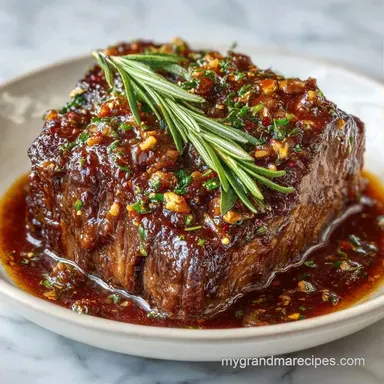
Slow Cooker Pot Roast: Fall-Apart Tender
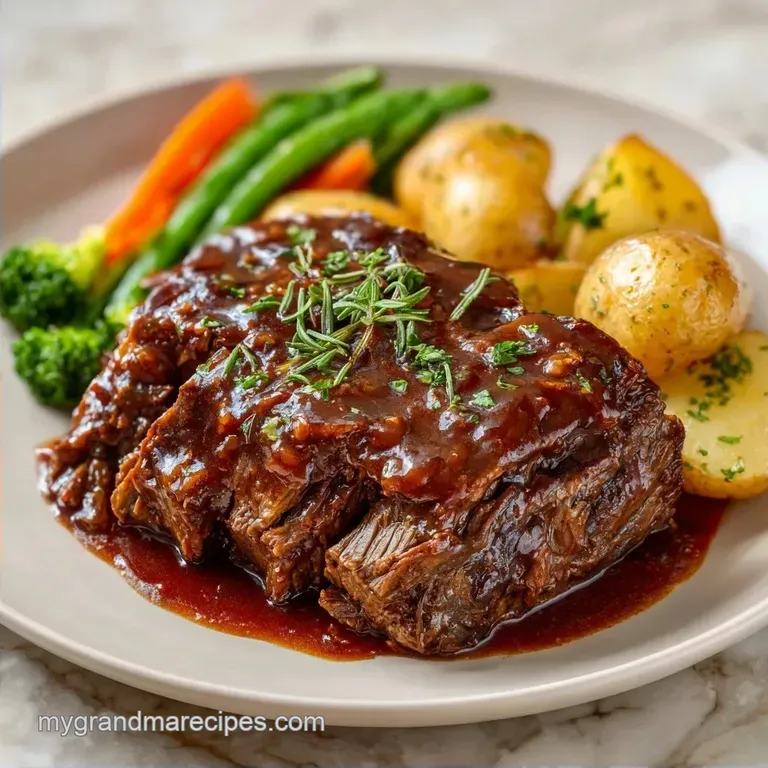
- Time:20 minutes active + 8 hours cooking
- Flavor/Texture Hook: Deep mahogany crust with velvety gravy
- Perfect for: Sunday family dinner or busy workdays
That sound of beef hitting a hot skillet, that loud, aggressive sizzle that fills the kitchen, is where the magic starts. I remember my grandma doing this in her old cast iron pan, the house smelling like a Southern Sunday before the clock even hit noon.
She didn't believe in shortcuts, but she did believe in comfort, and nothing says comfort like meat that yields to a fork with zero effort.
For a long time, I thought the slow cooker was just a "dump and go" tool. I'd throw everything in, turn the dial, and wonder why the meat tasted a bit flat and the vegetables looked grey. Then I learned the value of the sear.
It's the difference between a meal that's just "fine" and a Slow Cooker Pot Roast that has people asking for seconds before they've even finished their first plate.
Trust me on this, the effort of those few minutes at the stove pays off in the long run. We're talking about a meal that fills the whole house with a savory aroma, making everyone feel welcome the moment they walk through the door.
You'll get a rich, dark gravy and vegetables that have soaked up all the beefy goodness without turning into mush.
Slow Cooker Pot Roast Secrets
When you're making a Slow Cooker Pot Roast, you're basically playing a long game with protein. Most people think the slow cooker is just for convenience, but it's actually a tool for transformation. We're taking a piece of beef that would be like chewing rubber if you grilled it and turning it into something silky.
The Meat Softening: Low heat over many hours breaks down the tough connective tissues, turning collagen into gelatin. This is what gives the meat that "melting" feel and makes the sauce feel rich on your tongue.
The Liquid Balance: Using a mix of beef broth and red wine provides a balance of salt and acidity. The wine cuts through the heavy fat of the chuck roast, keeping the flavor bright rather than just salty.
The Crust Effect: Searing the meat creates a deep brown layer of flavor. According to the experts at Serious Eats, this browning process adds a complexity to the final sauce that you simply cannot achieve through simmering alone.
Right then, before we get into the nitty gritty, let's look at how this compares to other ways of doing things. I've tried the oven and the stovetop, and while they have their place, the slow cooker is the king of convenience for a reason.
| Method | Time | Texture | Best For |
|---|---|---|---|
| Stovetop | 3-4 hours | Tender but firmer | When you're in a rush |
| Oven | 4-6 hours | Crustier exterior | Small batches |
| Slow Cooker | 8 hours | Meltingly soft | Busy workdays |
It's all about the trade off. If you have the time to watch a pot on the stove, go for it. But if you want to wake up to a house that smells like a dream, the slow cooker is the way to go.
Hidden Truths About Pot Roast
Not every ingredient in this Slow Cooker Pot Roast is just there for filler. There's a reason we use specific cuts and a specific mix of liquids. If you swap things out without knowing why, you might end up with a sauce that's too thin or meat that's too dry.
The Meat Logic
Chuck roast is the only way to go here. It has the right amount of fat marbling, which keeps the meat moist during those 8 hours of cooking. If you used a leaner cut, like a round roast, you'd end up with something dry and stringy. The fat essentially bastes the meat from the inside out.
The Flavor Base
The onion soup mix is a bit of a "cheat code" in my kitchen. It provides a concentrated burst of caramelized onion and salt that would normally take an hour of sautéing to achieve. When combined with the red wine, it creates a base that tastes like it's been simmering for days.
The Vegetable Choice
I always stick with Yukon Gold potatoes. They hold their shape much better than Russets, which tend to disintegrate into the sauce. You want a potato that's creamy on the inside but still has a distinct edge when you scoop it out of the pot.
| Ingredient | Science Role | Pro Secret |
|---|---|---|
| Beef Chuck | Fat/Collagen Source | Trim excess surface fat, but keep the marbling |
| Red Wine | Acidic Balance | Use a dry wine; avoid anything sweet |
| Onion Soup Mix | Umami Booster | Sprinkle on top of the meat, not in the liquid |
| Cornstarch | Thickening Agent | Always mix with cold water first to avoid lumps |
Honestly, don't even bother with low-fat broth or lean beef. This is a comfort food dish, and the fat is where the flavor lives. If you're worried about too much grease, you can always skim the top of the gravy before you thicken it.
Necessary Ingredients and Tools
Let's get your counter ready. I like to have everything chopped and measured before I start searing, because once that beef hits the oil, things move fast. You don't want to be peeling carrots while your roast is burning in the pan.
For the Roast
- 3 lb beef chuck roast, trimmed of excess fat Why this? High collagen for maximum tenderness
- 2 tsp kosher salt Why this? Coarse grains for better seasoning
- 1 tsp cracked black pepper Why this? Adds a subtle heat
- 2 tbsp vegetable oil Why this? High smoke point for searing
Substitution: You can use canola oil or avocado oil if you don't have vegetable oil.
For the Braising Base
- 1 cup beef broth (low sodium) Why this? Prevents the dish from being too salty
- 1/2 cup dry red wine Why this? Adds depth and acidity
- 1 packet onion soup mix Why this? Quick, deep onion flavor
- 3 cloves garlic, smashed Why this? Smashed cloves release flavor slowly
Substitution: If you can't do wine, use an extra 1/2 cup of beef broth with a teaspoon of balsamic vinegar.
For the Root Vegetables
- 1 lb carrots, cut into 2 inch chunks Why this? Large chunks won't overcook
- 1.5 lb Yukon Gold potatoes, halved Why this? Waxy texture holds shape
- 1 large yellow onion, wedged Why this? Wedges add sweetness and structure
Substitution: Parsnips work great instead of some of the carrots for an earthier taste.
For the Gravy
- 2 tbsp cornstarch Why this? Creates a glossy, thick finish
- 3 tbsp cold water Why this? Prevents cornstarch from clumping
Substitution: A roux (butter and flour) works, but cornstarch is faster and cleaner.
Essential Kitchen Gear
You don't need a fancy kitchen to make this. I've made this in the simplest of setups, and it always comes out the same. The key is just having a few reliable tools.
First, you'll need a large skillet. A 12 inch stainless steel or cast iron pan is best because it holds heat well. This is where you get that mahogany crust. If your pan is too small, you'll crowd the meat, and it will steam instead of sear.
Then, of course, the slow cooker. Whether you have a Crock Pot or a generic brand, a 6 quart size is usually the sweet spot for a 3 lb roast. You want enough room for the vegetables to sit around the beef without being packed in too tight.
Finally, a good set of tongs and a whisk. Tongs are essential for flipping the beef without burning your fingers, and a whisk is mandatory for that velvety gravy at the end.
Step by step Cooking Guide
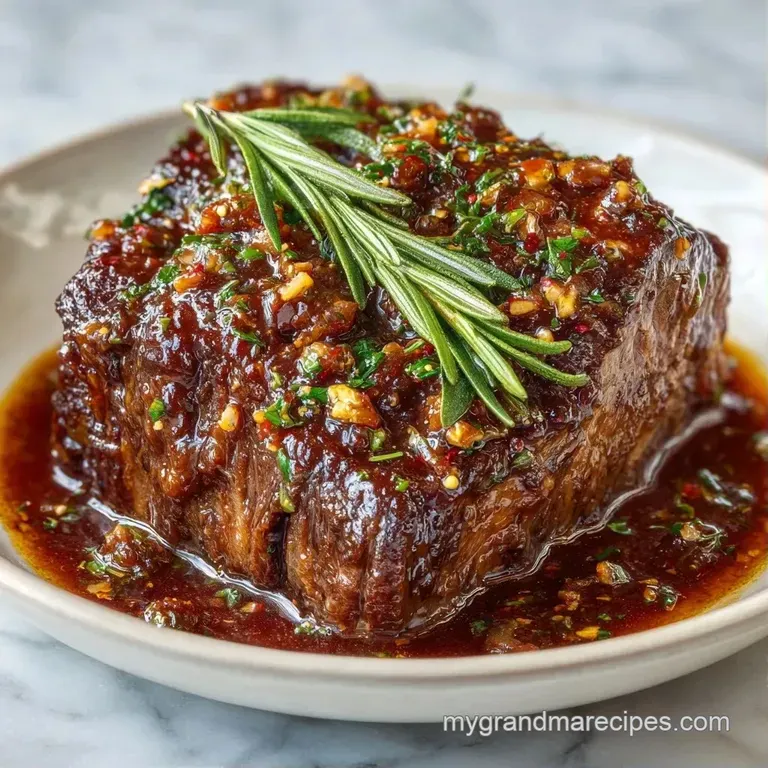
Right then, let's crack on with the actual cooking. Follow these steps closely, and don't be tempted to skip the sear just because you're tired.
- Pat the beef dry with paper towels and season generously with salt and pepper. Note: Dry meat sears better; moisture creates steam
- Heat vegetable oil in a large skillet over medium high heat until shimmering. Sear the roast for 4-5 minutes per side until a deep mahogany colored crust forms.
- Transfer the seared beef to the slow cooker.
- Pour the beef broth, red wine, and smashed garlic over the meat, then sprinkle the onion soup mix evenly across the top.
- Arrange the wedged onion, carrot chunks, and halved potatoes around the sides of the beef.
- Cover and cook on LOW for 8 hours until the beef yields easily to a fork.
- Remove the meat and vegetables to a platter and tent with foil. Note: This lets the meat rest and stay juicy
- Strain 2 cups of the cooking liquid into a small saucepan and bring to a simmer.
- Whisk the cornstarch and cold water into a slurry, then stir it into the simmering liquid.
- Whisk constantly for 2-3 minutes until the gravy is thick and glossy.
Chef's Note: If you're in a rush, you can do this on HIGH for 4-5 hours, but the meat won't be quite as tender. For the best results, stick to the 8 hour LOW setting. It's a lesson in patience that pays off.
Avoiding Common Roast Mistakes
Even the best of us mess up sometimes. I once forgot to sear my meat and ended up with a roast that looked like it had been boiled in a bath. It was tender, sure, but it had zero soul.
Beef Is Tough
If your meat is still chewy after 8 hours, it's usually because the cut wasn't fatty enough or it didn't cook long enough. Chuck roast varies in toughness, and some pieces just need an extra hour.
Gravy Is Thin
Thin gravy usually happens when the slurry isn't whisked in properly or the liquid hasn't reached a simmer. You need that heat to activate the cornstarch.
Veggies Are Mushy
This happens if you cut your carrots and potatoes too small. In a slow cooker, small pieces vanish. Keep your chunks large to ensure they have a bit of a bite left.
| Problem | Root Cause | Solution |
|---|---|---|
| Meat is dry | Too lean cut | Use chuck roast with more marbling |
| Bland flavor | Not enough salt | Add a splash of soy sauce or more salt |
| Liquid is oily | Too much surface fat | Skim the fat with a spoon before thickening |
- ✓ Always pat the beef dry before searing
- ✓ Use a low sodium broth to control the salt
- ✓ Keep vegetables in large chunks
- ✓ Let the meat rest for 15 minutes before slicing
- ✓ Whisk the cornstarch slurry constantly
Flavor Twists and Changes
Once you've got the basics down, you can start playing with the flavors. My kids love it when I add a bit of smoked paprika to the seasoning, which gives it a subtle campfire vibe.
If you want something a bit more "fancy", try replacing the onion soup mix with fresh thyme and rosemary. It changes the profile from a savory, salty comfort dish to something you'd find in a French bistro. For those who like a bit of heat, a few peppadew peppers thrown in with the carrots adds a lovely tang.
If you're looking for another way to enjoy slow cooked beef, you might like my One Pot Classic Beef Stew, which uses similar techniques but with a different liquid ratio.
For a healthier version, you can swap the potatoes for cauliflower florets and the carrots for celery and parsnips. It lowers the carb count without sacrificing that rich, beefy flavor. Just be sure to add the cauliflower in the last 2 hours of cooking, or it will completely dissolve.
Preservation Secrets
The best part about a Slow Cooker Pot Roast is that it's actually better the next day. The flavors have more time to mingle, and the meat absorbs more of the sauce.
Storage: Keep the beef and vegetables in an airtight container in the fridge for up to 4 days. Store the gravy in a separate jar to keep it from soaking into the meat too much.
Freezing: You can freeze the cooked meat and gravy for up to 3 months. I recommend freezing them together in a freezer safe bag so the meat stays moist during the reheating process.
Reheating: The best way to reheat is in a covered pan on the stove over low heat. Add a splash of water or beef broth to loosen the gravy. Avoid the microwave if you can, as it can make the beef rubbery.
Zero Waste: Don't throw away the leftover bits of carrot or onion that have softened too much. Mash them into the gravy for extra thickness and flavor. If you have any leftover beef, shred it and use it for tacos or sliders the next day.
Best Side Dish Pairings
While this dish comes with its own vegetables, there are a few things that can take it to the next level. I love serving this alongside some buttery mashed cauliflower or a crisp green salad with a lemon vinaigrette to cut through the richness.
If you have a bit of extra time, some homemade yeast rolls are the gold standard for mopping up every last drop of that velvety gravy. There's nothing more satisfying than a warm piece of bread dipped into a savory beef sauce.
If you're craving something beefy but don't have 8 hours to spare, you might try my Creamy Ground Beef Stroganoff, which delivers a similar comfort level in a fraction of the time.
Common Misconceptions
There are a few things people always tell me about pot roast that just aren't true. Let's set the record straight.
The "Seal In" Myth: Many believe that searing meat "seals in the juices." It doesn't. The moisture loss happens regardless of the sear. The real reason we sear is for the flavor and the color. It's about taste, not juice.
The "High Heat" Myth: Some think that cooking on HIGH for 4 hours is the same as LOW for 8. It's not. The lower temperature allows the collagen to break down more gently, resulting in a more tender texture. High heat can sometimes make the muscle fibers tighten up.
The "More Liquid" Myth: People often fill their slow cooker to the brim with broth. This just boils the meat rather than braising it. You only need enough liquid to come about halfway up the side of the roast. The beef and vegetables will release their own juices as they cook.
Right then, you're all set. Just remember: sear the meat, keep your veggies chunky, and let the slow cooker do the hard work. Your kitchen is about to smell like a Southern dream. Enjoy every bite of that Slow Cooker Pot Roast!
Recipe FAQs
What are common mistakes when making slow cooker pot roast?
Adding too much liquid or skipping the sear. Excess broth dilutes the flavor, while skipping the browning process prevents the mahogany crust that adds essential depth to the meat.
Do you have to brown the roast before putting it in a slow cooker?
No, but it is highly recommended. Searing the beef in vegetable oil for 4 5 minutes per side creates a rich crust that significantly improves the final taste and appearance.
What is the best liquid for slow cooking a pot roast?
A combination of beef broth and dry red wine. This blend provides a savory, acidic base that works perfectly with the smashed garlic and onion soup mix.
Can you overcook a pot roast in a slow cooker?
Yes, though it is difficult. While beef chuck is forgiving, cooking it on low for significantly longer than 8 hours can cause the fibers to break down too much, making the meat dry and stringy.
Is it true that adding vegetables at the start makes them mushy?
No, this is a common misconception. Using hearty Yukon Gold potatoes and cutting carrots into large 2 inch chunks ensures they maintain their texture during the 8-hour cook time.
How to make the gravy thicker if it is too runny?
Whisk cornstarch and cold water into a slurry. Stir this mixture into the simmering cooking liquid and whisk constantly for 2-3 minutes until the sauce becomes thick and glossy.
What is the best way to serve a slow cooker pot roast?
Arrange the beef and vegetables on a large platter and tent with foil. This hearty meal pairs excellently with a tart condiment to balance the richness of the beef.
Slow Cooker Pot Roast