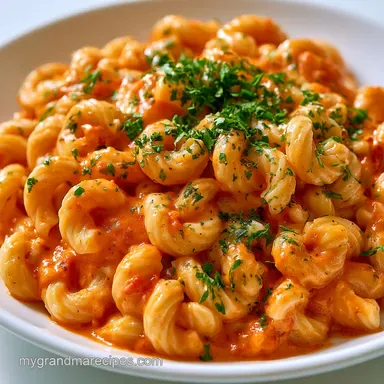
Hidden Veggie Pasta Sauce: Velvety and Rich

- Time: 10 min active + 30 min cook = 40 min total
- Flavor/Texture Hook: Velvety, savory, and glossy
- Perfect for: Picky toddlers, healthy meal prep, and weeknight dinners
Sizzle. That's the sound of a yellow onion hitting hot olive oil, and for me, it's the sound of a potential victory. I remember a specific Tuesday three years ago when my youngest decided that any "green thing" in their pasta was a personal insult.
I tried the classic move of chopping spinach into microscopic bits, but one tiny leaf floated to the surface, and the whole bowl was rejected. It was a disaster, and I was left with a sink full of wasted pasta and a very hungry, very stubborn toddler.
I realized then that the problem wasn't the vegetables, but the visibility. Most recipes try to "hide" things by cutting them small, but kids have a radar for textures that don't belong. I needed something that didn't just mask the veg, but completely integrated them into the sauce's DNA.
That's where this process comes in. We aren't just mixing things together; we are creating a cohesive, smooth emulsion.
The result is a Hidden Veggie Pasta Sauce that looks, smells, and tastes like a classic, rich marinara. You get the depth of slow cooked vegetables without the "chunkiness" that triggers a picky eater's alarm system.
It's a total win for the parents and a treat for the kids, who have no clue they're eating a garden's worth of nutrients.
Hidden Veggie Pasta Sauce That Kids Love
Right then, let's get into why this specific method beats everything else. If you've tried adding blended carrots to a store-bought jar of sauce, you know it often tastes "raw" or slightly sweet in a way that feels off. The trick is in the order of operations.
We sauté the harder vegetables first to develop a savory base, then simmer them in the tomato juices to soften the fibers before the final blend.
When you do this, the vegetables don't just disappear; they actually provide the body of the sauce. Instead of relying on heavy creams or excessive cornstarch to get that thick, clingy texture, the blended zucchini and carrots do the heavy lifting.
This is a reimagined approach to the classic red sauce, making it modern and easy to follow for any home cook.
But what about the flavor? I've found that if you just boil the veg, the sauce tastes like "vegetable soup with tomatoes." By frying the tomato paste first, we remove that metallic, canned edge and replace it with a concentrated, jammy richness.
It’s a small step, but it’s the difference between a sauce that tastes "healthy" and a sauce that tastes professional.
The Secret Sauce Logic
I'm always curious about why some sauces feel heavy while others feel light, and it usually comes down to how the vegetables are handled. Here is what's actually happening in the pot:
- Sugar Release: Sautéing onions and carrots at the start breaks down complex starches into simple sugars, which balances the acidity of the tomatoes.
- Fiber Softening: Simmering the zucchini and peppers for 20 minutes breaks down the cellular walls, ensuring the final result is velvety rather than grainy.
- Concentrated Base: Frying the tomato paste removes the raw, tinny taste and deepens the color to a rich crimson.
- Air Incorporation: High speed blending introduces tiny air bubbles, which lightens the texture and makes the sauce feel more like a restaurant style emulsion.
If you love a creamy texture but want to avoid dairy, this is the way to go. It's similar to how a homemade mac and cheese uses a roux for thickness, but here we use the natural pectins from the vegetables to achieve that same cling.
| Method | Prep Time | Texture | Best For |
|---|---|---|---|
| Fast Blend (This) | 10 min | Velvety/Glossy | Picky eaters & quick meals |
| Slow Simmer | 2 hours | Chunky/Rustic | Adult palates & Sunday dinner |
| Raw Blend | 5 min | Grainy/Watery | Quick dips (not pasta) |
Component Deep Dive
Before we start tossing things in the pot, it's helpful to understand what each part is doing. I don't think of these as just "ingredients," but as tools to build a specific flavor profile.
| Ingredient | Science Role | Pro Secret |
|---|---|---|
| Yellow Onion | Aromatic Base | Sauté until translucent for sweetness |
| Zucchini (Peeled) | Bulk & Creaminess | Peel it first to keep the sauce red |
| Tomato Paste | Umami Booster | Fry for 2 mins to kill the "can" taste |
| Baby Spinach | Nutrient Boost | Add at the very end to keep it bright |
Shopping List Breakdown
Here is everything you'll need. I've kept it simple, but the quality of your olive oil and tomatoes really makes a difference here.
- 2 tbsp extra virgin olive oil Why this? Adds a fruity, peppery depth to the sauté
- 1 medium yellow onion, diced Why this? Provides the essential savory foundation
- 4 cloves garlic, minced Why this? Essential for that classic Italian aroma
- 2 medium carrots, peeled and chopped Why this? Adds natural sweetness to cut tomato acidity
- 1 medium zucchini, peeled and chopped Why this? The secret to a creamy, thick texture
- 1 large red bell pepper, seeded and chopped Why this? Adds a mild, sweet, earthy tone
- 1 cup baby spinach Why this? Packs iron without changing the color
- 28 oz crushed tomatoes Why this? Provides a consistent, smooth starting point
- 2 tbsp tomato paste Why this? Intensifies the red color and savory taste
- 1/2 cup vegetable broth Why this? Prevents the sauce from drying out
- 1 tsp dried oregano Why this? Adds a classic herbaceous note
- 1 tsp dried basil Why this? Sweet, peppery aroma
- 1/2 tsp sea salt Why this? Enhances all other flavors
- 1/4 tsp black pepper Why this? Adds a tiny bit of warmth
Substitution Ideas:
| Original Ingredient | Substitute | Why It Works |
|---|---|---|
| Zucchini | Cauliflower | Similar neutrality. Note: Slightly more "cabbagey" taste |
| Vegetable Broth | Water + pinch of salt | Works in a pinch. Note: Lacks the savory depth of broth |
| Baby Spinach | Kale (stems removed) | Same nutrients. Note: More bitter, requires longer simmer |
| Red Bell Pepper | Yellow Bell Pepper | Almost identical. Note: Slightly sweeter profile |
Honestly, don't even bother with low-fat alternatives for the oil. You need that fat to carry the flavors of the garlic and herbs, otherwise, the sauce tastes flat.
Step-by-step Instructions
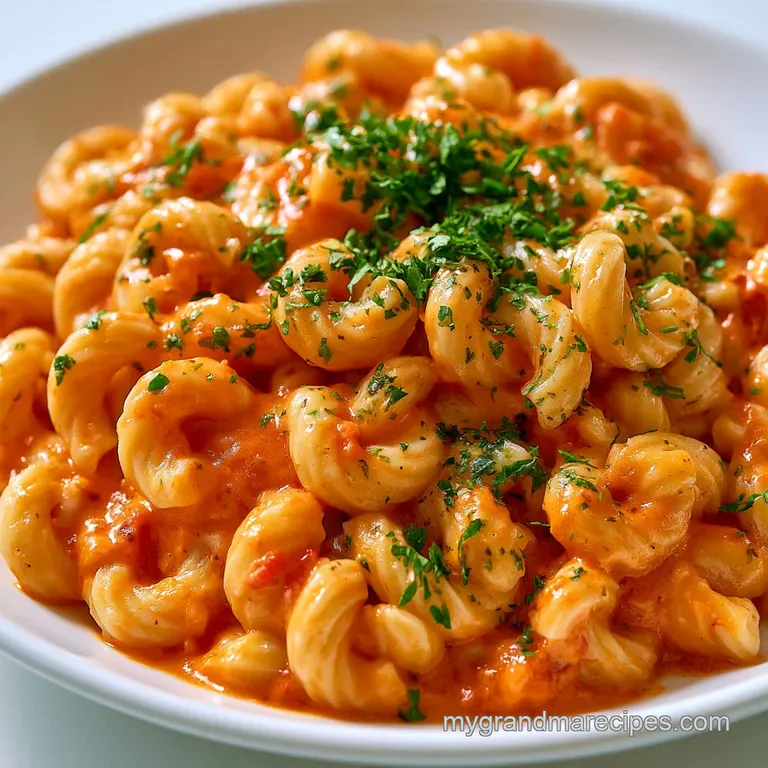
Let's crack on. Make sure you have your blender ready before you start, as it's easier to blend while the sauce is still steaming hot.
- Heat olive oil in a large pot or Dutch oven over medium heat. Add diced onions and carrots, cooking for 5-7 minutes until onions are translucent and carrots begin to soften. Note: Don't rush this; the sweetness comes from the slow soften.
- Stir in the chopped zucchini, red bell pepper, and minced garlic. Sauté for 3-5 minutes until the vegetables are fragrant and the edges are slightly golden brown.
- Stir in the tomato paste. Cook for 2 minutes until the paste turns a deeper red to remove the raw metallic taste.
- Pour in the crushed tomatoes, vegetable broth, dried oregano, dried basil, sea salt, and black pepper. Bring to a gentle simmer, then reduce heat to low.
- Cover the pot and cook for 15-20 minutes until the vegetables are completely tender when pierced with a fork.
- Stir in the baby spinach during the last 2 minutes of simmering until the leaves have completely wilted into the sauce.
- Turn off the heat. Use an immersion blender to process the sauce directly in the pot until completely smooth.
- For a truly glossy finish, transfer the sauce to a high speed blender and process for 60 seconds. Note: Be careful with hot liquids in a blender; leave the lid slightly cracked to let steam escape.
Chef's Tip: If you want a deeper, almost "meaty" flavor without adding meat, add a teaspoon of soy sauce or Worcestershire sauce during step 4. It adds a layer of umami that makes the Hidden Veggie Pasta Sauce taste like it's been simmering for hours.
Troubleshooting Guide
Even with a simple recipe, things can go sideways. Most issues with this sauce come down to the blending phase or the vegetable ratios.
| Issue | Solution |
|---|---|
| Sauce too thin | If your sauce feels more like a soup than a coating, it's usually because the zucchini was too watery or the simmer time was too short. You can fix this by simmering the sauce uncovered for another 10 |
| Why does it taste too "vegetable y" | This usually happens if the vegetables weren't sautéed long enough at the start. Raw vegetable flavors are sharp; caramelized vegetable flavors are sweet. Adding a pinch of sugar or a teaspoon of butt |
| I don't have a high speed blender | An immersion blender is great, but it sometimes leaves tiny "specks" of carrot. If you're dealing with an ultra picky eater, pass the finished sauce through a fine mesh sieve using the back of a spoon |
Common Mistakes Checklist:
- ✓ Peeling the zucchini (green skins leave visible dots)
- ✓ Sautéing the aromatics before adding liquids
- ✓ Cooking the veg until completely soft before blending
- ✓ Venting the blender lid to avoid a "tomato explosion"
- ✓ Tasting for salt after blending, as flavors shift
Adjusting the Batch Size
Depending on whether you're feeding a toddler or a whole football team, you'll need to tweak the approach.
Scaling Down (½ or ¼ batch): If you're making this for just one or two people, use a smaller saucepan. Since there's less volume, the liquid evaporates faster, so you might need to add an extra splash of vegetable broth.
Reduce the sauté time by about 20% because smaller piles of vegetables cook through much quicker.
Scaling Up (2x-4x batch): When doubling or tripling the recipe, be careful with the dried herbs. I've found that spices don't always scale linearly; start with 1.5x the oregano and basil, then taste and add more if needed. You'll also want to work in batches when blending.
Filling a blender to the brim with hot sauce is a recipe for a kitchen disaster.
If you're making a massive batch, consider using a slow cooker for the simmer phase (Step 5). Just set it to low for 4 hours, then blend as usual. This is a great way to prep for the week. Since you're making a lot of sauce, you might want to pair it with a fresh chopped salad to keep the meal feeling light.
Truths About Hidden Veggies
There are a few things people always ask me about this method, and some of the common "rules" are actually myths.
Myth: Blending vegetables destroys all the nutrients. Truth: While some heat sensitive vitamins (like Vitamin C) degrade during cooking, the majority of the nutrients like fiber, potassium, and Vitamin A remain intact.
In fact, breaking down the cell walls through cooking and blending can actually make some nutrients easier for the body to absorb.
Myth: You can't use frozen vegetables for this. Truth: You absolutely can. Frozen carrots and peppers work great. The only difference is that frozen veg releases more water, so you'll need to sauté them longer to evaporate the excess moisture before adding the tomatoes.
Myth: Kids can "taste" the vegetables even if they can't see them. Truth: Most kids react to texture first, then flavor. By removing the chunks and balancing the acidity with sautéed carrots and onions, you're removing the triggers.
Once the texture is velvety, the flavor blends into the tomato base seamlessly.
Storage and Waste Tips
This Hidden Veggie Pasta Sauce is a meal prep dream because it actually tastes better the next day after the flavors have had time to marry.
Fridge and Freezer: Keep the sauce in an airtight glass jar in the fridge for up to 5 days. For long term storage, this sauce freezes beautifully. I recommend using silicone muffin tins or freezer bags laid flat. It will stay fresh in the freezer for up to 3 months.
When reheating, add a tablespoon of water or broth to loosen the sauce back to its original consistency.
Zero Waste Hacks: Don't throw away those onion skins or the ends of the carrots! I keep a "scrap bag" in my freezer. Once it's full, I boil the scraps with water for an hour to make a free, homemade vegetable broth. You can use that very broth in this recipe to add even more depth.
Also, if you have a bit of sauce left over that isn't enough for a full meal, use it as a base for a quick shakshuka by poaching eggs directly in the sauce.
Pairing Suggestions
While this is a fantastic base for spaghetti or penne, don't be afraid to get creative with how you serve it.
For a more filling meal, I love serving this over roasted gnocchi or even as a base for a veggie packed lasagna. If you're looking for a protein addition, lean ground turkey or lentils blend in well without ruining the "hidden" aspect.
If you're serving this to adults who do like vegetables, you can garnish the final plated dish with fresh basil leaves or a sprinkle of parmesan cheese to give it a more traditional look.
Because the sauce is so rich and velvety, it also works surprisingly well as a dip for toasted sourdough or mozzarella sticks. Trust me on this one it's a game changer for appetizer night.
Recipe FAQs
What is a go-to easy dinner recipe for picky eaters?
Hidden Veggie Pasta Sauce. It blends carrots, zucchini, and peppers into a smooth tomato base, making it an ideal way to serve nutrients to kids who dislike vegetable chunks.
How to make the sauce completely smooth?
Use an immersion blender directly in the pot. For an even glossier finish, transfer the sauce to a high speed blender and process for 60 seconds.
Is it true that you can't freeze this veggie sauce?
No, this is a common misconception. This sauce freezes beautifully for up to 3 months when stored in freezer bags or silicone muffin tins.
What can I do if the sauce is too thin?
Simmer the sauce uncovered. This allows excess moisture from the zucchini to evaporate, transforming the consistency from a soup to a thick coating.
Why does my sauce taste too "vegetable-y"?
The vegetables were likely not sautéed long enough. Ensure you cook the onions and carrots for 5-7 minutes until soft to remove sharp, raw flavors.
How to store the leftovers?
Place the sauce in an airtight glass jar in the fridge. It stays fresh for 5 days and typically tastes better the next day as the flavors marry.
What is a simple kid's dinner for when you're tired?
Serve this prepped veggie sauce over pasta. Since it makes 8 servings, you can freeze batches and reheat them with a splash of vegetable broth. If you like the efficiency of this prep, the same batch cooking logic works for our spiced tomato sauce.
Hidden Veggie Pasta Sauce