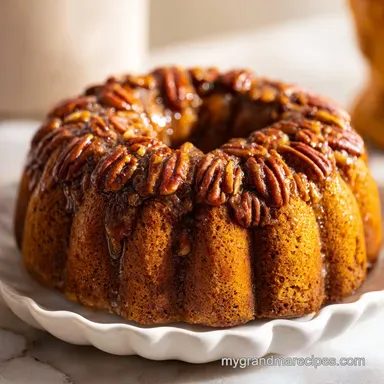
Southern Pecan Upside Down Bundt Cake: Silky
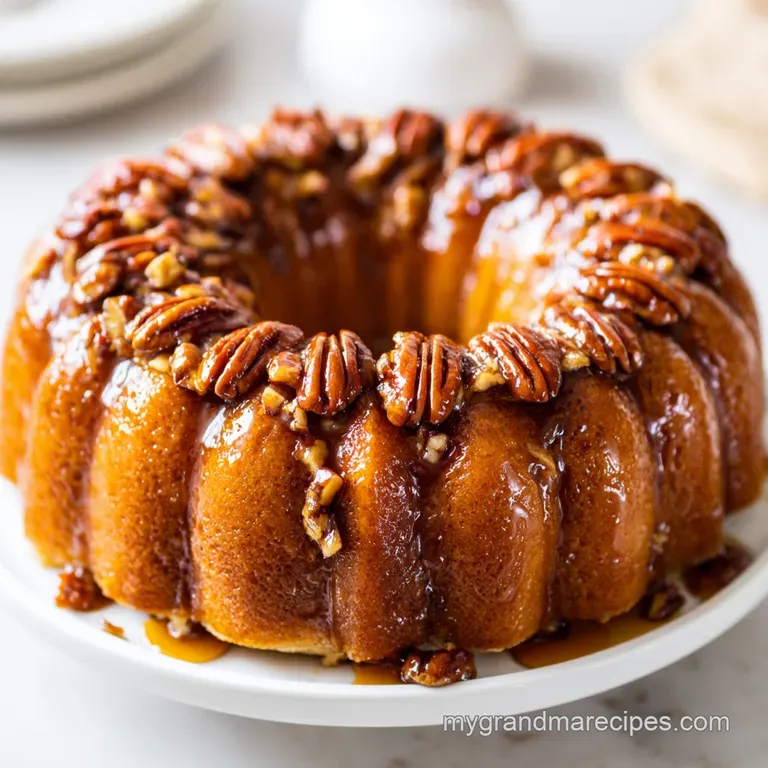
- Time: 20 min active + 45 min bake = Total 1 hour 15 mins
- Flavor/Texture Hook: Shatter crisp pecans meets a silky, moist interior
- Perfect for: Holiday brunch, Southern style dinner parties, or a cozy Sunday treat
The smell of browning butter and toasted pecans is practically a core memory for me. I remember my great aunt's kitchen in Georgia, where the air always felt thick with the scent of caramelized sugar and vanilla. She didn't use a timer, either.
She just listened for the sound of the cake "singing" in the oven and knew exactly when to pull it out based on a specific golden brown hue that only comes with decades of practice.
That kind of old-fashioned comfort is exactly what we're going for here. There's something about a cake that starts with a layer of nuts and sugar at the bottom and transforms into a crowning glory once flipped. It's the kind of dessert that makes people stop talking the moment it hits the table.
Trust me, this isn't some fancy, high concept dessert. It's a cherished, Southern style treat that feels like a hug in cake form. We've kept the soul of the original but tweaked the batter to ensure it stays moist without being greasy.
This pecan upside down bundt cake recipe is all about that contrast between the gooey, nutty topping and the light, tender sponge.
Best Pecan Upside Down Bundt Cake Recipe
Right then, let's talk about why this particular version works so well. Most people struggle with upside down cakes because they either end up too soggy or they stick to the pan like glue. The trick is in the fat ratios and the timing of the flip. If you flip it too soon, the caramel is too liquid and runs everywhere.
If you wait too long, the sugar cools and bonds to the metal, leaving half your cake in the pan.
I've spent a lot of time figuring out the sweet spot. By using Greek yogurt instead of just milk or sour cream, we get a slight tang that cuts through the heavy sweetness of the pecans. It also provides a structural integrity that helps the cake hold up the weight of the nut layer.
It's a simple change, but it's what makes the texture feel velvety rather than dense.
But we also have to consider the pecans. Not all pecans are created equal. Raw pecan halves are the way to go here because they toast in the oven as the cake bakes. If you use pre roasted nuts, they can taste burnt by the time the center of the cake is done.
We want them to go from raw to a deep, mahogany brown right there in the caramel.
Why This Works
If you've ever wondered why some cakes feel like sponges and others feel like bricks, it usually comes down to the moisture and the acid. Here's the lowdown on the mechanics of this bake:
- The Sugar Shield: Brown sugar and butter create a syrup that acts as a barrier between the cake and the pan, making the release easier.
- Acidic Tenderizing: The lactic acid in Greek yogurt breaks down long gluten strands, which is why the crumb stays so soft.
- Nutty Browning: Cooking the butter until it foams (beurre noisette) adds a toasted flavor that echoes the pecans.
- Leavening Duo: Using both baking powder and baking soda ensures a high rise that can support the heavy topping.
Since we are focusing on a traditional approach, it's worth noting that the method of making the caramel is key. Some folks do it on the stove, others just melt it in the pan. For the best results, I always recommend the stove.
| Method | Time | Texture | Best For |
|---|---|---|---|
| Stovetop Caramel | 5 mins | Uniform & Silky | Maximum flavor and clean release |
| In Pan Melt | 2 mins | Slightly Grainy | Super quick weeknight bakes |
| Microwave Melt | 1 min | Spotty/Uneven | When you're in a massive rush |
Let's get into the nitty gritty of what's actually happening with your ingredients.
Ingredient Deep Dive
Not every ingredient is just there for flavor; some are doing the heavy lifting for the texture. According to King Arthur Baking, the ratio of fat to flour is what determines if a cake is "sturdy" or "tender". In this recipe, we're aiming for a balance that can handle the pecan weight without collapsing.
| Ingredient | Science Role | Pro Secret |
|---|---|---|
| Greek Yogurt | Moisture & Acid | Use full fat for a more velvety mouthfeel |
| Light Brown Sugar | Humectant | The molasses content keeps the topping gooey |
| Raw Pecans | Texture & Fat | Halves provide a better visual "grid" than pieces |
| Baking Soda | pH Balancer | Reacts with yogurt to create immediate lift |
What You'll Need
Gather everything before you start. There's nothing worse than realizing you're out of eggs halfway through creaming your butter. For the butter in the batter, make sure it's genuinely softened - not melted. If it's too hot, your sugar won't aerate, and you'll lose that fluffy height.
For the Pecan Topping: 1/2 cup (115g) unsalted butter Why this? Base for the caramel sauce 1/2 cup (100g) light brown sugar Why this? Adds molasses depth 1 1/2 cups (210g) raw pecan halves Why this? Toasts during
Baking 1 tsp (5ml) vanilla extract Why this? Rounds out the sugar 1/4 tsp (1.5g) sea salt Why this? Balances the sweetness
For the Cake Batter: 2 cups (250g) all purpose flour Why this? Standard structure 1 tsp (5g) baking powder Why this? Primary lift 1/2 tsp (3g) baking soda Why this? Reacts with yogurt 1/2 tsp (3g) salt
Why this? Flavor enhancer 1/2 cup (115g) unsalted butter, softened Why this? Creates the crumb 3/4 cup (150g) coconut sugar Why this? Earthy sweetness 2 large eggs Why this? Binding and
Richness 1 cup (240ml) plain Greek yogurt Why this? Tenderizes the cake 1 tsp (5ml) vanilla extract Why this? Classic aroma
If you happen to be low on butter, you can actually make your own Butter in 15 Minutes recipe which tastes significantly fresher and richer than the store-bought stuff.
| Original Ingredient | Substitute | Why It Works |
|---|---|---|
| Greek Yogurt (1 cup) | Sour Cream (1 cup) | Similar fat and acid. Note: Result is slightly denser |
| Coconut Sugar (3/4 cup) | Brown Sugar (3/4 cup) | Similar moisture level. Note: Tastes more traditional |
| Raw Pecans (1.5 cups) | Walnuts (1.5 cups) | Similar nuttiness. Note: Slightly more bitter profile |
| All Purpose Flour | 1:1 GF Flour Blend | Mimics wheat structure. Note: Crumb may be slightly grittier |
Equipment Needed
You don't need a professional kitchen for this, but a few specific tools make the process a lot smoother. A standard 10 inch Bundt pan is the gold standard here. If you use one with a very intricate design, just be extra careful with the greasing, as the caramel can sometimes get trapped in the deep grooves.
I highly recommend a stand mixer such as KitchenAid for the creaming process, but a hand mixer works just fine. The most important tool, however, is a wide cake plate. Make sure your plate is larger than the Bundt pan, or you'll have a messy overflow of caramel the moment you flip the cake.
Bringing It Together
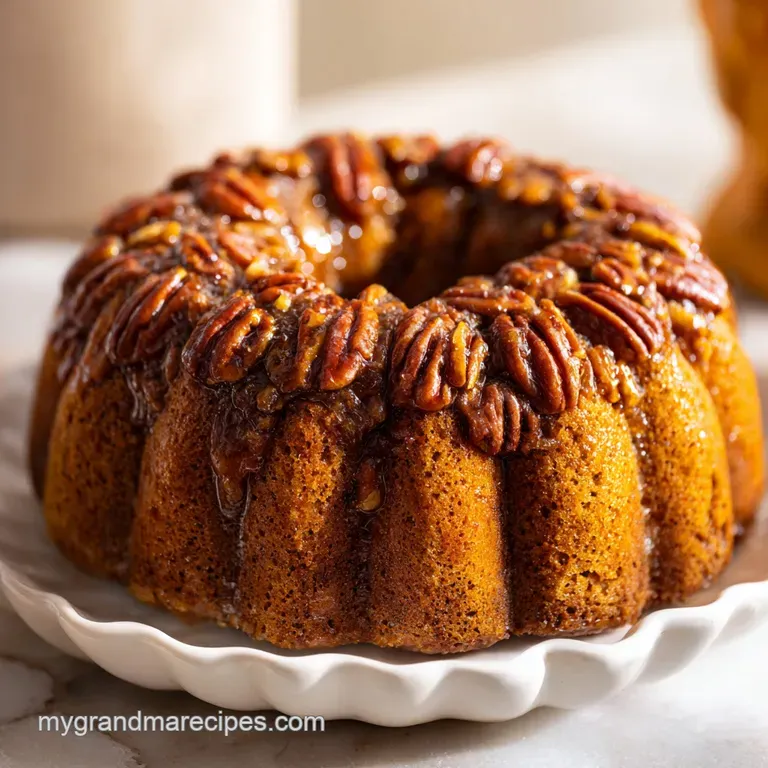
Let's get cooking. I like to think of this as a three phase operation: the base, the batter, and the flip.
Phase 1: Creating the Mahogany Base
- Melt 115g butter in a small saucepan over medium heat. Wait until it begins to foam and smell nuttyNote: This is the brown butter stage which adds depth.
- Stir in the brown sugar and salt. Whisk until the sugar is completely dissolved and the mixture looks like a thick syrup.
- Fold in the pecan halves and vanilla extract. Stir until every nut is glossy and coated.
- Pour this mixture into the bottom of a well greased Bundt pan. Arrange the pecans in a decorative circular patternNote: This is what everyone sees after the flip, so take your time.
Phase 2: Mixing the Velvety Batter
- Whisk the flour, baking powder, baking soda, and salt in a bowl. Sift if you see any lumpsNote: Prevents pockets of baking soda in the final cake.
- In a separate bowl, cream the softened butter and coconut sugar. Beat for 3-5 minutes until light and fluffy.
- Beat in the eggs one at a time. Wait for each egg to fully incorporate before adding the next.
- Stir in the Greek yogurt and vanilla. Mix until just smoothNote: Don't overbeat here or the cake will be tough.
- Gradually fold in the dry ingredients. Stop mixing the second you see no more flour streaks.
Phase 3: The Precision Bake and Flip
- Pour the batter over the pecan layer. Smooth the top with a spatula so it's level.
- Bake at 350°F (175°C) for 40-45 minutes. Insert a toothpick in the center until it comes out clean.
- Let the cake cool in the pan for exactly 10 minutes. Do not wait longer than 10 minutesNote: The sugar will set and the cake will stick.
- Place a cake plate over the pan and flip decisively in one motion.
Chef's Tip: To get that perfect release, I sometimes run a thin knife around the edge of the pan for 5 seconds before the flip. It just breaks any tiny sugar bonds that might have formed.
Avoiding Kitchen Disasters
Even the best of us have cakes that don't cooperate. The most common issue with this pecan upside down bundt cake recipe is the "stuck" cake. If you flip it and the pecans stay in the pan, it's usually because the cake was allowed to cool too much. Sugar is a fickle thing; it's a liquid when hot and a glue when cold.
Another common gripe is a "soggy" center. This happens if you overfill the pan or if your oven isn't properly preheated. If the outside is brown but the inside is gummy, your oven might be running too hot. Using an oven thermometer is a great way to ensure you're actually at 350°F.
Why Your Cake Stuck to the Pan
If you find yourself digging pieces of cake out of the Bundt pan with a fork, you're not alone. It's usually a timing or greasing issue.
| Problem | Root Cause | Solution |
|---|---|---|
| Pecans stayed in pan | Cooled too long | Flip exactly at 10 mins |
| Cake tore during flip | Under greased edges | Use butter AND flour on sides |
| Caramel is too runny | Under baked center | Bake 5 mins longer; check temp |
Common Mistakes Checklist
- ✓ Did you overmix the batter? Stop as soon as the flour disappears to keep the cake tender.
- ✓ Is the butter truly softened? It should indent when pressed, but not be melty.
- ✓ Did you use raw pecans? Roasted pecans can turn bitter in the oven.
- ✓ Did you flip at 10 minutes? Waiting 20 minutes is a recipe for a stuck cake.
- ✓ Is the pan fully greased? Don't forget the center tube of the Bundt pan.
Dietary Adaptations
I know not everyone can do the full fat, wheat based version of this cake. But you don't have to sacrifice the flavor. If you're looking for something a bit lighter, you can swap the coconut sugar for a monk fruit sweetener, though the caramelization won't be as deep.
For those avoiding gluten, a 1:1 gluten-free flour blend works well. Just be aware that GF flours tend to absorb more moisture, so you might need an extra tablespoon of Greek yogurt to keep the crumb from becoming too crumbly.
If you're going for a vegan version, flax eggs and a coconut based yogurt substitute can work, but the rise will be slightly less impressive.
If you're in the mood for something different but still love the nutty vibe, you might enjoy my Cookie Dough Dip with Cream Cheese as a party appetizer before serving this cake.
For a gluten-free Version
Use a high-quality blend that includes xanthan gum. Since GF flour doesn't have the same structural strength as wheat, let the cake cool for a full 15 minutes instead of 10 to let the structure set.
For an Old Fashioned Cake Mix Hack
If you're in a pinch and want to use a pecan upside down cake yellow cake mix, just follow the mix instructions but replace the water with Greek yogurt. Use the same stovetop caramel method for the topping to keep that homemade taste.
Adjusting the Batch Size
Scaling a Bundt cake is trickier than scaling a sheet cake because the volume of the pan is fixed. You can't just double the recipe and put it in the same pan, or you'll have a volcano of batter in your oven.
Scaling Down (1/2 Batch): If you have a smaller 6 inch pan, halve everything. For the eggs, crack one into a bowl, beat it, and use half of it. Reduce the baking time by about 20%, starting to check for doneness at 30 minutes.
Scaling Up (2x Batch): If you're making two cakes, work in batches for the creaming process unless you have a professional 7 quart mixer. When baking two cakes at once, lower the oven temperature by 25°F (to 325°F) and extend the baking time by 10-15 minutes.
This ensures the heat circulates evenly around both pans.
Truths About Baking
There are a lot of "rules" in baking that are actually just myths. I've found that some of these "golden rules" actually get in the way of a good cake.
Myth: You must sift flour for every cake. Truth: While sifting helps with very light sponges (like angel food), for a hearty pecan cake, a good whisking is enough. Sifting is more about removing clumps than adding air.
Myth: Room temperature eggs are a waste of time. Truth: They actually do matter. Room temperature eggs emulsify better with the butter and sugar, creating a smoother batter. If you forgot to take them out, put them in a bowl of warm water for 5 minutes.
Myth: Greasing with only butter is enough. Truth: For a Bundt pan, butter is the lubricant, but flour (or cocoa powder) is the barrier. Always dust the greased pan with flour to ensure the cake doesn't bond to the metal.
Storage Guidelines
This cake stays moist for a surprisingly long time thanks to the Greek yogurt and the caramel seal on top. Keep it under a cake dome or in an airtight container at room temperature for up to 3 days.
Refrigeration: If your kitchen is hot, store it in the fridge for up to 5 days. However, the cake will firm up. To bring back that velvety texture, pop a slice in the microwave for 15-20 seconds. This melts the caramel and softens the butter in the crumb.
Freezing: You can freeze this cake! Wrap individual slices in parchment paper and then foil. They'll stay fresh for 2 months. Thaw overnight in the fridge before reheating.
Zero Waste Tip: If you have leftover pecan halves, don't toss them. Toss them in a pan with a bit of honey and salt for a quick snack. If you have leftover Greek yogurt, use it as a tangy base for a dip or stir it into your morning oats.
Serving Suggestions
The beauty of this pecan upside down bundt cake recipe is that it's already a showstopper, so you don't need to do much to it. However, a few additions can take it from "great" to "unforgettable".
For a Tart Contrast: Serve a warm slice with a dollop of unsweetened whipped cream or a scoop of tangy vanilla bean ice cream. The cold cream against the warm, gooey caramel is a dream.
For a Coffee House Experience: Pair this with a strong, black coffee or a dark roast. The bitterness of the coffee cuts through the rich sugars of the cake, making each bite taste as fresh as the first.
For a Holiday Twist: Add a pinch of cinnamon or nutmeg to the flour mixture for a more spiced, autumnal flavor profile. It's perfect for Thanksgiving or Christmas gatherings when you want something that feels traditionally festive.
Recipe FAQs
When should I flip the cake out of the pan?
Flip after exactly 10 minutes. Waiting too long, such as 20 minutes, often causes the caramel to stick to the pan, ruining the release.
Is it true I should use pre-roasted pecans for more flavor?
No, this is a common misconception. Roasted pecans can turn bitter during the 40-45 minute bake time, so raw pecan halves are required.
Why did my cake turn out dense instead of tender?
You likely overmixed the batter. Stop folding the dry ingredients as soon as the flour disappears to prevent gluten overdevelopment.
How to store leftover slices to keep them moist?
Place slices in an airtight container at room temperature for up to 3 days. For longer storage, wrap individual slices in parchment and foil to freeze.
Can I use a different sugar for the cake batter?
Yes, though coconut sugar provides the intended flavor. If you enjoy the tender crumb created by this sugar ratio, see how it compares to our banana muffins.
How to ensure the cake doesn't stick to the pan?
Grease the entire Bundt pan thoroughly, paying close attention to the center tube. A complete seal is necessary for the cake to slide out decisively.
Should the butter for the batter be melted?
No, it must be softened. The butter should indent when pressed but not be melty to ensure the creamed sugar incorporates enough air for a light texture.
Pecan Upside Down Bundt Cake