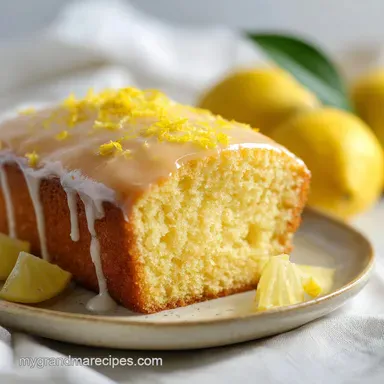
Moist Lemon Cake: Zesty and Tart

- Time:15 minutes active + 55 minutes baking = Total 70 minutes
- Flavor/Texture Hook: Tangy, melt in-your mouth crumb with a shatter thin glaze
- Perfect for: Sunday family gatherings or a bright spring tea party
- The Best Lemon Cake to Die For
- Why the Flavors Truly Pop
- Quick Recipe Details
- The Essential Ingredient List
- Kitchen Tools You'll Need
- Step By Step Baking Guide
- Fixing Common Baking Errors
- Troubleshooting Common Issues
- Ways to Customize Flavor
- Make-Ahead and Leftover Tips
- Serving Your Zesty Cake
- Recipe FAQs
- 📝 Recipe Card
That first hit of scent is what gets me every time. You know the one, where the smell of fresh lemon oil hitting warm granulated sugar fills the whole kitchen, making everything feel clean and bright.
It's an old-fashioned kind of magic that takes me straight back to my grandmother's kitchen in the South, where the air was thick with humidity and the smell of citrus was the only thing that could cut through the heat.
I remember watching her rub the zest into the sugar with her fingertips, her rings clicking softly against the ceramic bowl. She always said that if you don't feel the sugar get damp and fragrant, you're doing it wrong.
That one little habit is the secret to a lemon cake to die for, because it forces those essential oils out of the rind and locks them directly into the sweetness of the cake.
Trust me on this, we've all had those lemon cakes that taste like a bottle of artificial extract or, worse, ones that are so dry they practically vanish in your mouth. This isn't that. This is a heavy, moist, velvety slice of comfort that feels like a hug from a cherished relative.
It's a lemon cake to die for that doesn't require a fancy bakery, just some patience and a few budget friendly staples.
The Best Lemon Cake to Die For
Right then, let's get into the nitty gritty. When I first started baking, I thought the amount of juice was the most important part. I'd dump in half a cup of lemon juice, thinking more is better, only to end up with a cake that wouldn't rise and had a weird, gummy texture.
I learned the hard way that balance is everything. You need the acidity for the lift, but too much will break the structure of your batter.
The beauty of this version is that it uses buttermilk. In the South, buttermilk is the gold standard for any cake that needs to stay moist for days. It provides a subtle tang that complements the citrus without overpowering it.
Honestly, don't even bother with low-fat alternatives here, as the fat in the buttermilk is what gives us that luxurious, melt in-your mouth feel.
If you're looking for a dessert that feels high end but uses basic pantry ingredients, this is it. It's a cake to die for because it doesn't rely on expensive additives, just a few smart techniques to pull the maximum flavor out of a couple of lemons. Let's crack on and get this in the oven.
Why the Flavors Truly Pop
I've always been curious about why some lemon cakes taste "flat" while others zing. It usually comes down to how the citrus is handled. Here is the a bit of a breakdown on why this specific method works so well:
- Oil Extraction: Rubbing the zest into the sugar breaks the tiny oil sacs in the lemon rind. This distributes the flavor evenly throughout the fat of the butter, rather than having isolated "spots" of lemon.
- The Acid Lift: According to King Arthur Baking, the acid in buttermilk reacts with baking powder to create an immediate lift. This ensures the cake is airy and doesn't turn into a dense brick.
- Fat Suspension: Using softened butter rather than melted butter allows us to trap air bubbles during the creaming process. This is what makes the crumb velvety instead of oily.
- Moisture Seal: The lemon soaking syrup we add while the cake is warm acts as a moisture lock. It seeps into the crumb, ensuring it stays a very moist lemon cake even after a few days in the fridge.
| Method | Time | Texture | Best For |
|---|---|---|---|
| Fresh Lemon | 15 min prep | Vibrant, zesty | Special occasions |
| Bottled Juice | 5 min prep | Muted, sweet | Weeknight cravings |
| Lemon Extract | 2 min prep | One dimensional | Emergency baking |
But what about the sogginess? Some people overdo the syrup and end up with a pudding. We avoid that by using a precise ratio of sugar to juice, ensuring the cake absorbs the liquid without losing its structure. This balance is what makes it a cake to die for.
Quick Recipe Details
Before we dive into the ingredients, let's look at the basic stats. This is a straightforward bake, but the timing is non negotiable. If you pull it out too early, the center will sink; too late, and you lose that silky interior.
- Prep time:15 minutes
- Cook time:55 minutes
- Total time:70 minutes
- Yield: 8 servings
- Oven Temp:175°C (350°F)
| Component | Science Role | Pro Secret |
|---|---|---|
| Buttermilk | Tenderizer | Use full fat for a richer, velvety mouthfeel |
| Lemon Zest | Flavor Base | Rub into sugar first to release essential oils |
| All Purpose Flour | Structure | Spoon and level to avoid a dense cake |
| Granulated Sugar | Moisture/Browning | Don't over cream or the cake may collapse |
The key here is the temperature of your ingredients. If your eggs are ice cold from the fridge, they'll curdle the butter, and you'll lose that air we worked so hard to beat in. Always let your eggs and buttermilk sit on the counter for about 30 minutes before you start.
The Essential Ingredient List
This is a budget friendly bake. You don't need fancy organic lemons or expensive European butter to make a lemon cake to die for. Standard store-bought ingredients work perfectly as long as you follow the measurements.
For the Batter:
- 315g all purpose flourWhy this? Provides a reliable, sturdy structure
- 300g granulated sugarWhy this? Essential for the "zest rubbing" technique
- 12g baking powderWhy this? Works with buttermilk for a high rise
- 3g saltWhy this? Balances the sweetness and citrus
- 170g unsalted butter, softenedWhy this? Adds richness and supports aeration
- 3 large eggsWhy this? Provides structure and emulsification
- 240ml buttermilkWhy this? Keeps the crumb incredibly moist
- 12g lemon zest (about 2 lemons)Why this? The primary source of bright flavor
- 5ml vanilla extractWhy this? Adds a warm background note
- 60ml fresh lemon juiceWhy this? Adds the necessary tartness
For the Glaze & Syrup:
- 50g granulated sugar (for the soak)
- 120g powdered sugarWhy this? Creates a smooth, opaque finish
- 30ml fresh lemon juiceWhy this? Thins the glaze and adds zing
- 5ml lemon zestWhy this? Adds visual appeal and fresh aroma
| Original Ingredient | Substitute | Why It Works |
|---|---|---|
| Buttermilk (240ml) | Greek Yogurt + Milk (1:1) | Similar acidity. Note: Slightly thicker, may require 1 tbsp extra milk |
| Unsalted Butter | Coconut Oil (solid) | Similar fat content. Note: Adds a slight coconut hint |
| All Purpose Flour | Cake Flour | Lower protein. Note: Results in an even softer, finer crumb |
| Granulated Sugar | Coconut Sugar | Natural sweetener. Note: Changes color to brown; flavor is less bright |
Honestly, don't bother substituting the lemon zest for extract. The zest is where the "to die for" quality lives. If you're out of fresh lemons, it's better to run to the store than to use a bottle of yellow colored liquid.
Kitchen Tools You'll Need
You don't need a professional kitchen for this, but a few specific tools make it much easier. I use a standard 9x13-inch pan, which is the classic Southern size for a family style cake.
- 9x13-inch baking pan: The gold standard for this recipe.
- Parchment paper: Trust me, don't just grease the pan. Lining the bottom is the only way to guarantee the cake comes out in one piece.
- Electric hand mixer: A KitchenAid is great, but a simple hand mixer works perfectly for creaming the butter.
- Fine mesh zester: A Microplane is best for getting just the yellow part of the skin without the bitter white pith.
- Sifter or whisk: To ensure the flour and baking powder are evenly distributed.
Chef Note: If you don't have buttermilk, you can make a quick version by adding 1 tablespoon of lemon juice or white vinegar to a cup of whole milk. Let it sit for 5 minutes until it curdles slightly before using.
Step by step Baking Guide
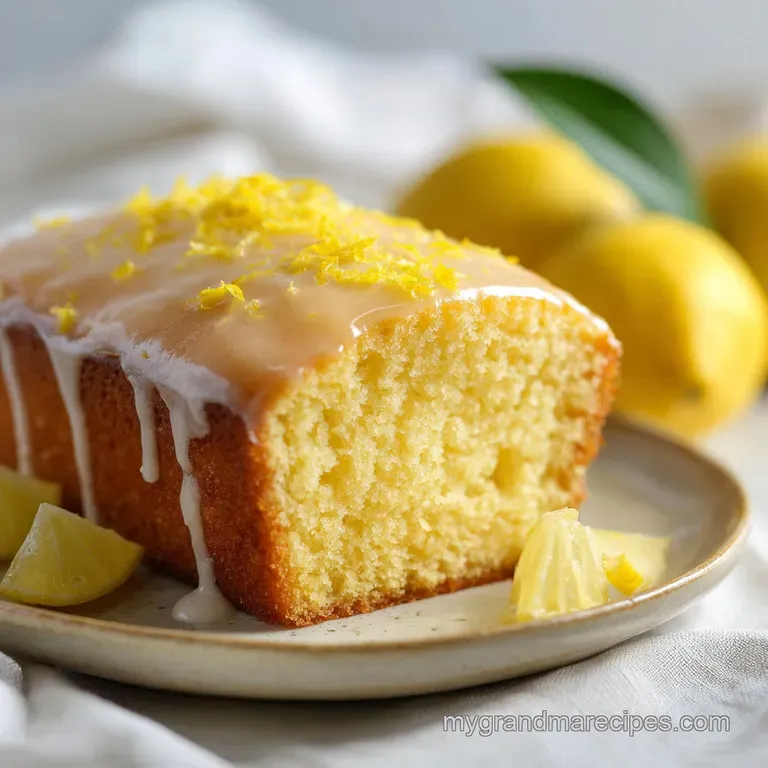
Let's get to it. Follow these steps closely, and you'll have a lemon cake to die for on your counter in about an hour.
Phase 1: Prep and Foundation
- Preheat your oven to 175°C (350°F). Note: Make sure your oven is fully preheated so the cake starts rising immediately.
- Grease your 9x13-inch pan with butter and line the bottom with parchment paper. Note: This prevents the bottom from sticking, even if you grease the sides.
- In a small bowl, rub the 12g of lemon zest into the 300g of granulated sugar using your fingertips. Rub until the sugar feels damp and smells strongly of lemon.Note: This is the most important flavor step.
Phase 2: Mixing the Batter
- Beat the 170g of softened butter into the lemon sugar mixture. Mix until the texture is light, fluffy, and pale yellow.Note: This incorporates air for a lighter crumb.
- Add the 3 eggs one at a time, whisking well after each one, then stir in the 5ml of vanilla extract. Note: Adding eggs slowly prevents the batter from breaking.
- Whisk together 315g flour, 12g baking powder, and 3g salt in a separate bowl.
- Add one third of the flour to the butter mixture, then stir in half of the 240ml buttermilk. Repeat this process, ending with the flour. Mix only until the white streaks disappear.Note: Overmixing creates too much gluten, making the cake tough.
- Stir in the 60ml of fresh lemon juice. Whisk gently just until combined.
Phase 3: Baking and Finishing
- Pour the batter into the pan and smooth the top with a spatula.
- Bake for 50-55 minutes until the edges pull slightly away from the pan and a toothpick inserted in the center comes out clean.Note: Don't open the oven door too often, or you'll lose heat.
- While the cake is hot, poke small holes in the top and brush over the lemon soaking syrup (sugar and juice).
- Once cooled, whisk the powdered sugar, lemon juice, and zest together and pour over the top. Let it set for 15 minutes until it's a velvety glaze.
Precision Checkpoints:
- Temperature: Ensure butter is 20°C (68°F) for optimal creaming.
- Weight: Flour should be exactly 315g; too much leads to a dry cake.
- Doneness: The toothpick should have a few moist crumbs, but no raw batter.
Fixing Common Baking Errors
Even the best of us mess up. I once forgot the baking powder entirely and ended up with a lemon flavored pancake. It was a disaster, but it taught me to double check my list. If your lemon cake to die for isn't looking right, check the table below.
Troubleshooting Common Issues
| Issue | Solution |
|---|---|
| Why Your Cake Sank in the Middle | This usually happens if the oven door was opened too early or if the baking powder is expired. When the structure hasn't set yet, a rush of cold air can cause the center to collapse. |
| Why Your Crumb is Too Dense | Overmixing is the culprit here. When you stir the flour in too vigorously, you develop gluten, which is great for bread but terrible for a melt in-your mouth cake. |
| Why Your Glaze is Too Runny | Too much lemon juice or too high a kitchen temperature can make the glaze slide right off. It should be a thick, pourable consistency. |
Common Mistakes Checklist:
- ✓ Did you rub the zest into the sugar? (Essential for flavor)
- ✓ Are your eggs at room temperature? (Prevents curdling)
- ✓ Did you stop mixing as soon as the flour disappeared? (Keeps it fluffy)
- ✓ Did you line the pan with parchment? (Ensures clean release)
- ✓ Did you check the center with a toothpick? (Prevents underbaking)
Ways to Customize Flavor
Once you've mastered the basic lemon cake to die for, you can start playing with the recipe. I love changing things up depending on the season. For example, if you're in the mood for something even more tart, you can increase the lemon juice in the glaze.
For a Poppy Seed Twist: Simply fold in 2 tablespoons of poppy seeds during the final flour addition. It adds a lovely little crunch that contrasts with the velvety crumb. This version is a classic for a reason.
For a Berry Burst: Press a handful of fresh blueberries or raspberries into the top of the batter before baking. The berries will burst and create little pockets of jammy sweetness that pair perfectly with the citrus.
For a dairy-free Swap: You can use a vegan butter substitute and a mixture of soy milk and apple cider vinegar (to mimic buttermilk). The texture will be slightly different, but it's still a cake to die for.
If you love these zesty flavors, you might also enjoy my Classic Lemon Bars for a more concentrated punch of citrus. They use a similar flavor profile but with a shortbread base.
Make-ahead and Leftover Tips
One of the best things about this recipe is that it actually tastes better the next day. The lemon flavors have time to meld, and the moisture from the syrup fully penetrates the crumb.
Storage Guidelines:
- Fridge: Store in an airtight container for up to 5 days. The butter and buttermilk keep it from drying out.
- Freezer: Wrap individual slices in plastic wrap and foil. They'll stay fresh for up to 3 months. Thaw in the fridge overnight.
- Reheating: If you've chilled the cake, let it come to room temperature for 30 minutes. If you must heat it, a quick 10 seconds in the microwave makes it taste like it just came out of the oven.
Zero Waste Tips: Don't throw away those leftover lemon peels! You can freeze them in a small bag to use for future zesting. Alternatively, simmer the peels with a bit of sugar and water to make a simple citrus syrup for cocktails or pancakes.
Even the leftover buttermilk can be used as a tenderizer for fried chicken.
Serving Your Zesty Cake
The final touch is all about presentation. While this lemon cake to die for is stunning on its own, a few additions can make it a showstopper. I usually serve mine with a dollop of unsweetened whipped cream to balance the tartness of the glaze.
The Perfect Platter: If you're hosting a party, try serving slices of this cake alongside some fresh strawberries and a few Mini Oreo Cheesecakes. The contrast between the bright lemon and the deep chocolate of the Oreos is a hit with everyone.
Decision Shortcut:
- If you want a breakfast treat → Serve with a cup of strong black coffee.
- If you want a fancy dessert → Add a raspberry coulis and a mint leaf.
- If you're packing a lunch → Slice into squares and wrap in parchment.
Right then, you've got everything you need. This isn't just a recipe; it's a bit of Southern comfort in a pan. Whether you're baking this for a special occasion or just because it's Tuesday, I know you're going to love it. It truly is a lemon cake to die for. Happy baking!
Recipe FAQs
Can I substitute the buttermilk with regular milk?
No, stick with buttermilk. The acidity is necessary to react with the baking powder to ensure the cake rises properly.
How to stop the cake from sinking in the middle?
Keep the oven door closed. Opening it too early allows cold air to rush in, which can cause the center to collapse before the structure sets.
How to ensure the crumb isn't too dense?
Mix only until white streaks disappear. Overmixing develops too much gluten, which creates a tough texture rather than a tender, melt-in-your mouth crumb.
Is it true I should whisk the batter until it is perfectly smooth?
No, this is a common misconception. Overworking the batter leads to a dense cake; you should stop mixing as soon as the flour is incorporated.
How to store the lemon cake to keep it moist?
Place it in an airtight container at room temperature. This prevents the edges from drying out and preserves the fresh citrus aroma.
Can I use bottled lemon juice instead of fresh?
No, use fresh lemon juice. Bottled versions lack the vibrant acidity and aromatic oils essential for this specific flavor profile.
Can I use melted butter instead of softened butter?
No, use softened butter. Creaming softened butter with sugar creates the air pockets needed for lift. If you enjoyed controlling the texture of the fats here, see how we apply that to our homemade butter.
Lemon Cake To Die For