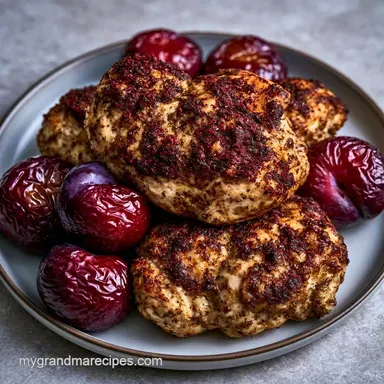
Healthy Roasted Sumac Chicken with Plums
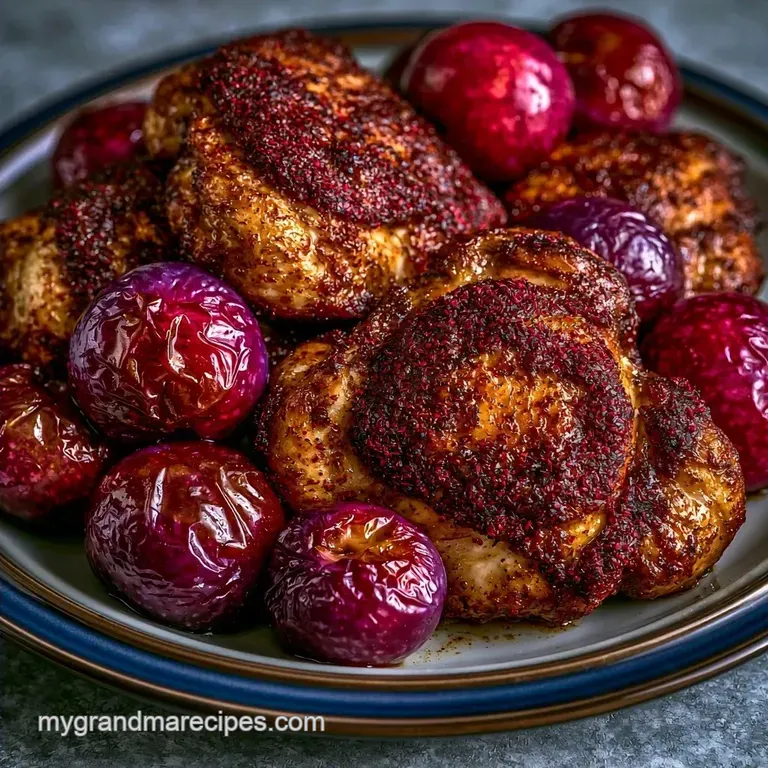
- Time: 10 min active + 35 min roasting
- Flavor/Texture Hook: Deep mahogany skin and tangy, melted plums
- Perfect for: Impressive weeknight meals that only dirty one pan
The pungent, citrusy aroma of sumac hitting sizzling oil is truly unforgettable. I'll admit, I was skeptical about mixing fruit into a savory roast at first, fearing it would lean too far toward dessert. However, once the plums began to burst and meld with the chicken juices in the pan, I knew it was a winner.
The final result is a harmony of vibrant citrus and rich, caramelized sweetness. Sumac Chicken with Plums doesn't require advanced skills just a proper sear and some patient roasting. It's an efficient way to achieve an impactful flavor profile without a long evening in the kitchen.
Here is how we bring it all together. We'll start with a cast iron skillet to achieve perfectly crisp skin, then roast the whole dish so the flavors fuse. The aroma filling your home during those final ten minutes is simply incredible.
Sumac Chicken with Plums
The Dry Acid Trick: Sumac provides a citrus like tang without adding liquid that would soften the chicken skin. This keeps the skin crisp while flavoring the meat deeply.
Fruit Caramelization: The natural sugars in red plums break down at 400°F, turning from tart fruit into a thick, savory glaze that coats the chicken.
| Meat Choice | Prep Effort | Texture Result | Best For |
|---|---|---|---|
| Bone in Thighs | Low | Juicy, crisp skin | Maximum flavor |
| Boneless Thighs | Low | Softer, faster cook | Quick meal prep |
| Chicken Breast | Medium | Leaner, drier | low-fat option |
Tools for the Job
You won't need much equipment for this. A 12 inch cast iron skillet is the best choice for its heat retention and versatility between the stove and oven. However, an oven safe stainless steel pan will also do the trick.
For the rub, a medium bowl is your best bet, as it ensures the chicken is evenly coated compared to seasoning it on a tray. Don't forget some paper towels; removing excess moisture from the skin is key to achieving a sear rather than steaming the meat.
The Ingredient Breakdown
| Component | Purpose | Substitute Notes |
|---|---|---|
| Sumac | Tart, lemony flavor | Lemon zest + a pinch of salt |
| Red Plums | Sweet/tart contrast | Apricots or nectarines |
| Chicken Thighs | Main protein/fat | Drumsticks (add 10 mins cook time) |
| Red Onion | Savory base | Shallots (use 4-5 large ones) |
For the Rub
- 3 tbsp sumac Why this? Provides the signature tangy, Middle Eastern flavor profile.
- 1 tsp garlic powder
- 1 tsp sea salt
- 1/2 tsp cracked black pepper
- 2 tbsp extra virgin olive oil
For the Roast
- 2 lbs bone in, skin on chicken thighs Why this? Bone in meat stays juicy during over high heat roasting.
- 1 lb red plums, pitted and quartered
- 1 red onion, cut into thick wedges
- 2 tbsp extra virgin olive oil
- 1 tbsp fresh lemon juice
For the Garnish
- 1/4 cup fresh parsley, chopped
- 2 tbsp toasted sesame seeds
| Original Ingredient | Substitute | Why It Works |
|---|---|---|
| Red Plums (1 lb) | Fresh Apricots (1 lb) | Similar sugar/acid balance. Note: Slightly milder flavor |
| Red Onion | Shallots | Softer onion taste. Note: Cut into larger pieces to avoid burning |
| Sumac | Lemon Zest + Citric Acid | Mimics the sharp tang. Note: Lacks the deep red color |
How to Cook This
- In a medium bowl, combine the sumac, garlic powder, salt, pepper, and 2 tablespoons of olive oil. Whisk until a thick, reddish paste forms.
- Use paper towels to pat the chicken thighs completely dry. Note: Removing surface moisture is key to achieving a crisp sear.
- Rub the sumac paste onto each piece of chicken, ensuring every nook and cranny is coated and the skin is fully covered.
- Set your oven to 400°F (200°C). In a 12 inch cast iron skillet, warm 2 tablespoons of olive oil over medium high heat.
- Place the chicken thighs skin side down. Sear for 5–7 minutes until the skin is a crisp, mahogany brown. Avoid moving them during this process.
- Flip the thighs and sear the other side for another 2 minutes.
- Transfer the chicken to a plate. Add the quartered plums and red onion wedges to the skillet, stirring them into the pan drippings.
- Nestle the chicken thighs back on top of the fruit and onions, then drizzle with lemon juice.
- Roast for 20-25 minutes until the internal temperature reaches 165°F (74°C).
- Garnish the pan with toasted sesame seeds and chopped parsley before serving.
Fixing Common Issues
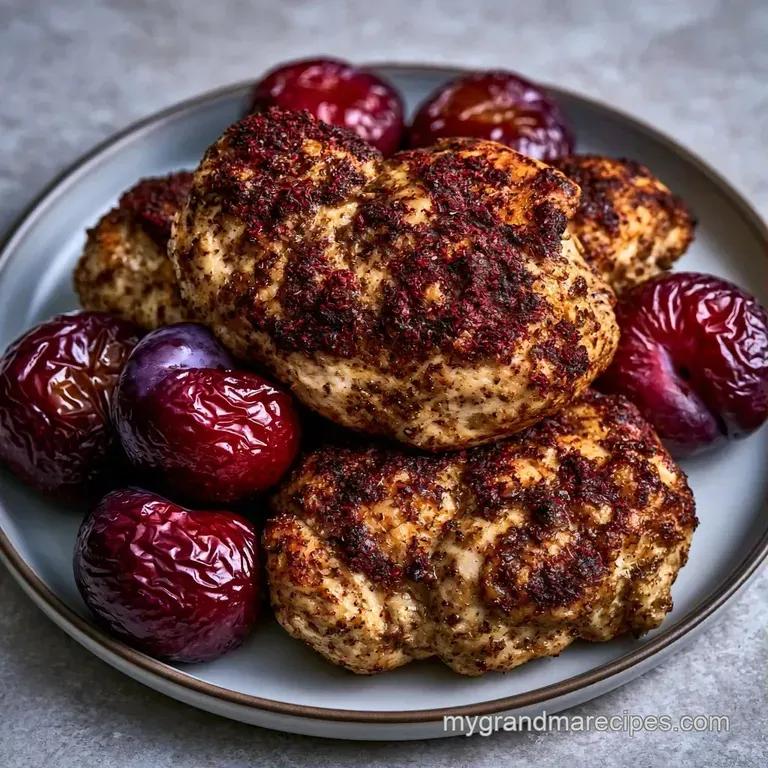
Achieving the perfect skin can be tricky. Crowding the pan causes the chicken to steam, which traps moisture and results in a rubbery texture. Leave enough space between each piece.
Be mindful of your plums; overripe fruit may dissolve into the sauce. Choose firmer, tart plums to maintain a better bite.
Fixing Rubbery Skin
If the skin won't crisp, your pan might not be hot enough. Ensure the oil is hot and glistening before searing the chicken.
Preventing Burnt Onions
Onions can char too quickly if sliced too thin. Stick to thick wedges so they roast at the same rate as the plums.
Managing Over Tartness
If the combination of sumac and lemon is too intense, adding a tiny pinch of brown sugar to the plums can balance out the acidity.
| Problem | Fix |
|---|---|
| Rubber skin | Pat drier and don't overcrowd the pan |
| Mushy plums | Use firmer, less ripe fruit |
| Burnt garlic | Ensure rub is mixed with oil before searing |
Recipe Specs
This recipe is designed for a standard home kitchen. It's a over high heat method, so the cook time is relatively short.
- Prep time: 10 minutes
- Cook time: 35 minutes
- Total time: 45 minutes
- Yield: 4 servings
Chef's Note: For an extra layer of depth, toast your sesame seeds in a dry pan for 2 minutes until they smell nutty. It makes a huge difference.
Swaps and Twists
If you want to change the vibe of this dish, try swapping the plums for fresh figs or halved apricots. The flavor remains savory sweet, but the texture shifts to be a bit more jammy.
You can also replace the chicken thighs with drumsticks, though you'll need to add about 10 minutes to the roasting time to ensure they're cooked through.
For those who prefer a different kind of comfort, my chicken pot pie is the way to go, but for something lighter and zingier, stick with this one.
If you're feeling adventurous, add a tablespoon of honey to the sumac paste. It helps the skin caramelize even faster and adds a glossy finish to the meat.
| Premium Option | Budget Alternative | Impact | Savings |
|---|---|---|---|
| Cast Iron Skillet | Sheet Pan | Less crisp skin | Low |
| Organic Thighs | Standard Thighs | Negligible flavor diff | Medium |
| Fresh Plums | Frozen Plums (thawed) | More liquid in pan | Low |
Storage and Reheating
Keep any remaining portions in an airtight glass jar in the refrigerator for up to 3 days. The plums will soften further over time, causing the sauce to become thicker and more concentrated.
Freezing isn't recommended, as the plums tend to lose their structure and turn watery upon thawing. If you need to freeze the meal, remove the fruit first and freeze only the chicken.
For the best results when reheating, skip the microwave to prevent the skin from becoming soft. Instead, place the chicken and fruit in a small oven safe dish and heat at 350°F (180°C) for roughly 10-15 minutes.
This allows the fats to liquify and restores some of that original crispness.
To be sustainable, add the plum pits to your compost bin and definitely save the chicken bones. Once you have enough, simmer them with celery and carrots to create a homemade stock.
Best Ways to Serve
Sumac Chicken with Plums has a bold flavor profile, so it pairs best with neutral sides. Basmati rice or fluffy quinoa are excellent choices for absorbing the delicious plum lemon sauce.
To create a cohesive meal, begin with a light appetizer like Turkish chicken soup. The soup's creaminess provides a lovely balance to the acidity of the chicken.
For a refreshing contrast, a simple cucumber and mint salad with a splash of vinegar works perfectly to cleanse the palate between bites of the rich roast.
For a heartier meal: Serve the chicken over a base of hummus or labneh. The cool, yogurt based dip cuts through the intensity of the roast.
For a lighter version: Pair it with roasted cauliflower or sautéed spinach.
For a party: Arrange the chicken and plums on a large wooden platter, garnishing with pomegranate seeds and fresh parsley for a vibrant pop of color.
Recipe FAQs
Can I use chicken breasts instead of thighs?
Yes, but breasts cook faster and dry out more easily than thighs. I recommend serving them with a chopped salad to balance the richness.
How do you cook chicken with plums?
Sear the sumac coated chicken in a cast iron skillet until mahogany colored. Toss in the plums and onions, then roast at 400°F until the chicken hits 165°F.
Is it true that sumac tastes exactly like lemon juice?
Actually, no. Sumac has a deeper, more astringent tartness that complements the sweetness of the plums.
What's the best way to serve this dish?
Plate the chicken directly on top of the roasted plums and onions. Garnish with fresh parsley and toasted sesame seeds for added texture.
Sumac Chicken With Plums