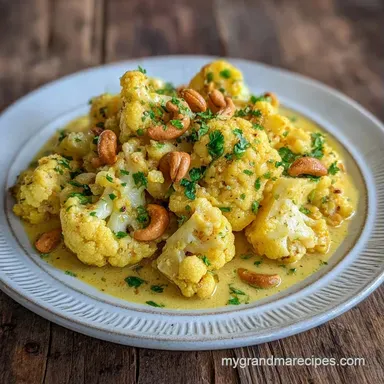
Vegetable Korma Curry: Silky and Creamy
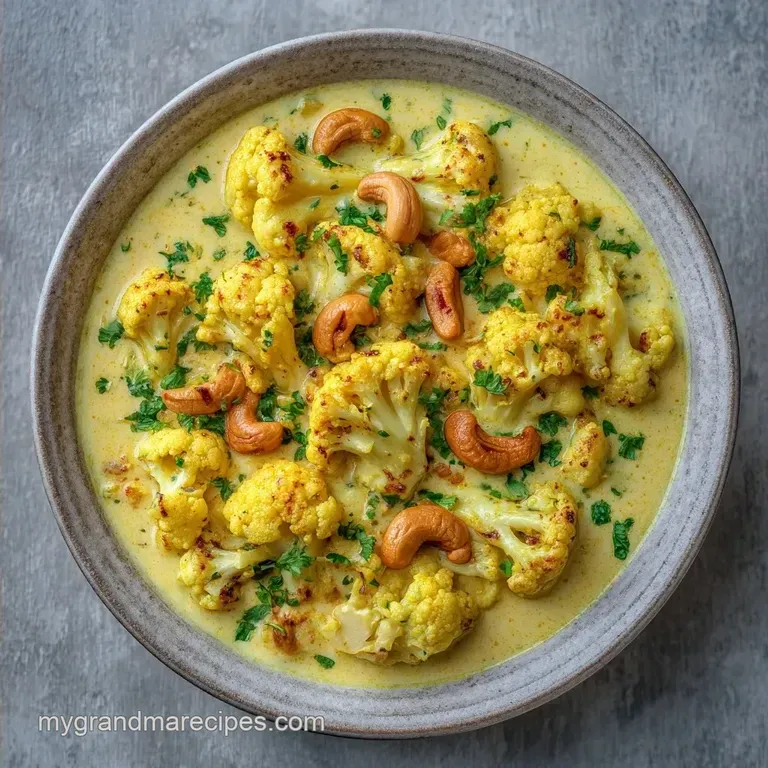
- Time: 15 min active + 25 min cook
- Flavor/Texture Hook: Silky, ivory colored sauce with tender crisp vegetables
- Perfect for: A comforting weeknight dinner or a vegan friendly dinner party
- Making Authentic Vegetable Korma Curry
- Secrets Behind The Texture
- Component Breakdown And Roles
- Necessary Ingredients And Swaps
- Essential Kitchen Gear
- Step By Step Cooking
- Fixing Common Korma Mistakes
- Troubleshooting Common Issues
- Adjusting For Different Sizes
- Common Cooking Misconceptions
- Storage And Waste Reduction
- Best Side Dish Pairings
- Recipe FAQs
- 📝 Recipe Card
The smell of toasted nuts and warm ginger hitting a hot pan is something that always takes me back. I remember the first time I tried a real korma in a small spot in London; it wasn't the spicy, aggressive heat I was used to with other curries.
Instead, it was this luxurious, pale gold sauce that felt more like a hug than a meal. It’s a dish with roots in the royal kitchens of the Mughal Empire, designed to be mild, fragrant, and incredibly rich.
For a long time, I thought you needed a dozen obscure spices and hours of simmering to get that depth. I spent a few weekends trying to mimic that restaurant quality, often ending up with a sauce that was either too watery or tasted like raw flour because I was trying to thicken it the wrong way.
But the trick is actually in the nuts and the order of the vegetables.
When you make this Vegetable Korma Curry, you're not just boiling veg in a sauce. You're layering flavors. We start with a cashew paste that provides the body, then we build the aromatics, and finally, we finish with coconut milk for that signature sheen.
It's a straightforward process that yields a result that feels way more fancy than it actually is.
Making Authentic Vegetable Korma Curry
The secret to a great Vegetable Korma Curry isn't a secret ingredient, but rather the sequence of events. Most people just throw everything in a pot and hope for the best, but that's how you end up with mushy broccoli and raw potatoes.
By staggering the vegetables, we ensure that the carrots and potatoes get the head start they need while the cauliflower and broccoli stay vibrant.
I've found that using coconut oil instead of ghee or butter keeps the flavor clean and makes the dish naturally vegan. It also helps the spices bloom more effectively. If you've ever noticed your curry tastes a bit "flat," it's usually because the spices weren't toasted in oil long enough to release their essential oils.
Trust me, those 30 seconds of stirring the turmeric and coriander make a massive difference in the final scent.
Right then, let's talk about the color. A traditional korma is ivory or pale yellow, not deep red. Using Kashmiri red chili powder is key here. It provides a gorgeous, subtle warmth and a hint of color without making the dish too spicy for people who prefer a milder profile. It's about balance, not heat.
Secrets Behind The Texture
To understand why this works, we have to look at what's happening in the pan. It's not magic, just some simple kitchen physics.
Cashew Emulsion: When raw cashews are soaked and blended, they create a stable, fatty emulsion that mimics heavy cream. This gives the Vegetable Korma Curry its thickness without needing a flour based roux.
Staggered Softening: Different vegetables have different densities. Potatoes and carrots have tougher cell walls, so they need more time to break down than a broccoli floret.
Coconut Milk Finish: Adding the coconut milk at the very end prevents the fats from separating under high heat. This keeps the sauce velvety rather than oily.
Spice Blooming: Frying ground spices in oil (the "bloom") converts fat soluble flavor compounds into a form our taste buds can actually detect more easily.
| Method | Prep Time | Texture | Best For |
|---|---|---|---|
| Fresh Cashew Paste | 20 mins | Ultra silky & rich | Special dinners |
| store-bought Almond Butter | 2 mins | Slightly grainy | Quick weeknights |
| Coconut Cream Only | 5 mins | Lighter & thinner | Low calorie versions |
Component Breakdown And Roles
I like to think of the ingredients as a team. Each one has a specific job to do to make the Vegetable Korma Curry taste complete.
| Ingredient | Science Role | Pro Secret |
|---|---|---|
| Raw Cashews | Structural Thickener | Soak in hot water for exactly 15 mins to ensure a smooth blend |
| Coconut Oil | Flavor Carrier | Use refined coconut oil if you don't want a strong coconut scent early on |
| Kashmiri Chili | Color & Warmth | Swap for paprika if you can't find Kashmiri for a similar look |
| Coconut Milk | Finishing Emollient | Shake the can well to integrate the fat and water before pouring |
Necessary Ingredients And Swaps
For this Vegetable Korma Curry, we're using a mix of hearty root veg and soft greens. Make sure your potatoes are cubed small, about half an inch, so they cook in the same window as the carrots.
- 1/2 cup (125g) raw cashews, soaked in hot water for 15 mins Why this? Creates the creamy base
- 1 medium (110g) onion, roughly chopped
- 1 tbsp (15g) ginger paste Why this? Adds a sharp, zesty contrast
- 1 tbsp (15g) garlic paste
- 2 tbsp (30ml) coconut oil
- 1 cup (150g) cauliflower florets, bite-sized
- 1 cup (130g) carrots, diced
- 1 cup (160g) potatoes, cubed small Why this? Adds starch and heartiness
- 1/2 cup (80g) frozen green peas
- 1 cup (150g) broccoli florets
- 1 can (13.5oz / 400ml) full fat coconut milk Why this? For the final rich texture
- 1 tsp (5g) turmeric powder
- 1 tsp (5g) ground coriander
- 1 tsp (5g) garam masala
- 1/2 tsp (2.5g) Kashmiri red chili powder
- 1 tsp (5g) salt
- 1/2 cup (120ml) vegetable broth
Quick Substitution Guide:
| Original Ingredient | Substitute | Why It Works |
|---|---|---|
| Raw Cashews (1/2 cup) | Sunflower Seeds (1/2 cup) | Similar fat content. Note: Slightly earthier flavor |
| Coconut Milk (1 can) | Heavy Cream (1 can) | Same creaminess. Note: Makes it non vegan |
| Vegetable Broth (1/2 cup) | Water + pinch of salt | Basic liquid. Note: Lacks the depth of broth |
| Cauliflower (1 cup) | Parsnip (1 cup) | Similar density. Note: Adds a sweeter, rooty taste |
Essential Kitchen Gear
You don't need a professional kitchen for this, but a few specific tools make the Vegetable Korma Curry much easier to handle.
First, a high speed blender is your best friend for the cashews. If you have a less powerful blender, you might need to add an extra tablespoon of water to get that ivory colored paste without any grit. I usually use a Nutribullet for this part because it's quick and easy to clean.
A wide, heavy bottomed skillet or a deep sauté pan is better than a narrow pot. The wider surface area allows the onions to sauté and the moisture from the vegetables to evaporate, which concentrates the flavor.
If the pan is too crowded, the vegetables will steam instead of sautéing, and you'll lose those slightly browned edges on the potatoes.
Finally, a good silicone spatula is great for scraping every bit of that cashew paste out of the blender and stirring the sauce without scratching your pan.
Step by step Cooking
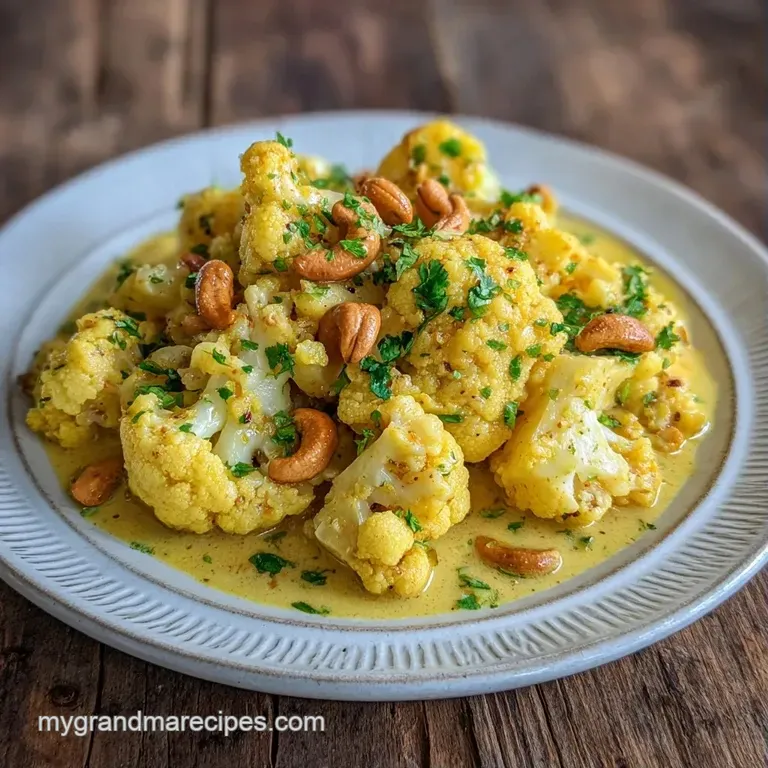
Let's get into it. This flow is designed to keep you moving without feeling rushed.
- Blend the soaked cashews with a splash of water. Process until a completely smooth, ivory colored paste forms. Note: If it's too thick to move, add water one teaspoon at a time.
- Heat coconut oil in a skillet over medium heat. Sauté the chopped onions until translucent and fragrant.
- Stir in the ginger and garlic pastes. Cook for 60 seconds until the raw, pungent scent disappears.
- Add turmeric, coriander, and chili powder. Stir constantly for 30 seconds until the oil looks vibrant and smells toasted.
- Add the diced potatoes and carrots. Sauté for 3–5 minutes until the edges are slightly softened.
- Toss in the cauliflower and broccoli florets. Stir for 1 minute to coat every piece in the spice mixture.
- Pour in the cashew paste and vegetable broth. Lower the heat to a simmer, cover, and cook for 10–12 minutes until potatoes are fork tender.
- Stir in the coconut milk and heat through for 2 minutes until the sauce is rich and velvety.
Chef's Tip: For a deeper flavor, I like to add a pinch of espresso powder or a tiny bit of cocoa powder to my cashew paste. It doesn't make the Vegetable Korma Curry taste like coffee or chocolate; it just adds a dark, savory bass note that balances the sweetness of the coconut.
Fixing Common Korma Mistakes
The most common issue people have with this dish is the sauce consistency. If it's too thick, it feels like a stew; if it's too thin, it's just soup. The key is that simmer period in step 7. If you see the sauce clinging too tightly to the veg, splash in a bit more broth.
Troubleshooting Common Issues
| Issue | Solution |
|---|---|
| Why Your Sauce Separates | If you boil the coconut milk vigorously, the fat can separate from the liquid, leaving you with oily streaks. This is why we only "heat through" at the end. According to [Serious Eats](https://www. |
| Why Vegetables Get Mushy | This happens when you add everything at once. Broccoli and cauliflower have a much higher water content and softer structure than carrots. |
| Why The Flavor Is Bland | Blandness usually comes from two things: lack of salt or under-toasted spices. Salt doesn't just make things salty; it unlocks the other flavors. |
Common Mistakes Checklist:
- ✓ Use a heavy-bottomed pan to prevent hot spots.
- ✓ Soak cashews in hot water, not cold, for faster softening.
- ✓ Avoid over-stirring the vegetables once they are simmering.
- ✓ Ensure the onion is translucent before adding garlic to prevent burning.
- ✓ Use full-fat coconut milk for the correct mouthfeel.
Adjusting For Different Sizes
If you're cooking for just yourself or a huge crowd, you can't always just multiply everything by two. The Vegetable Korma Curry behaves differently depending on the volume of liquid in the pan.
Scaling Down (½ Batch): Use a smaller skillet to keep the sauce from evaporating too quickly. Reduce the simmer time in step 7 by about 2 minutes, as smaller vegetable chunks will cook faster in a smaller volume of liquid.
For the cashew paste, I recommend blending a full batch and freezing the rest in an ice cube tray for next time.
Scaling Up (2x-4x Batch): Don't double the salt or the Kashmiri chili powder right away. Start with 1.5x the amount, taste it at the end, and adjust. Liquids should be reduced by about 10% because larger batches trap more steam, meaning less evaporation occurs.
Most importantly, work in batches for the onion and root veg sauté; if you crowd the pan, the vegetables will boil in their own juices instead of browning.
If you're making this for a party, you can actually prep the "base" (everything up to step 6) a day in advance. Just store it in the fridge and start the process from step 7 when you're ready to serve. This actually lets the spices penetrate the vegetables even deeper.
Common Cooking Misconceptions
There's a lot of noise about what makes a "true" korma. Let's clear some things up.
One big myth is that korma must contain heavy cream or yogurt to be authentic. While those are common in some regions, coconut milk is a fantastic alternative that provides the same richness while keeping the dish vegan. It doesn't "ruin" the dish; it just gives it a slightly different, tropical undertone.
Another misconception is that you need a tandoor or a professional clay oven to get a deep flavor. The depth comes from the cashew paste and the slow simmering of the aromatics, not the heat source. A standard home stove is more than enough to make a stellar Vegetable Korma Curry.
Finally, some people think that the more spices you add, the more "authentic" it becomes. In reality, korma is about nuance. Adding too many spices can muddy the flavor and overpower the natural sweetness of the carrots and peas. Stick to the core group of turmeric, coriander, and garam masala for the best results.
Storage And Waste Reduction
This Vegetable Korma Curry actually tastes better the next day because the vegetables have more time to marinate in the sauce. Store leftovers in an airtight container in the fridge for up to 4 days.
When reheating, do it on the stove over low heat. Add a splash of water or coconut milk to loosen the sauce, as the cashews will continue to absorb liquid while sitting in the fridge. If you use a microwave, heat in 30 second bursts and stir in between to avoid "hot spots" that might overcook the broccoli.
For freezing, this dish lasts about 2 months. I recommend freezing it without the broccoli, as broccoli tends to get a bit mushy after thawing. You can always stir in some fresh steamed broccoli when you reheat the rest of the curry.
To keep things zero waste, don't toss your onion skins or carrot peels. Collect them in a freezer bag and simmer them with water and a bay leaf to make a quick vegetable stock. You can use that homemade stock as the vegetable broth in this recipe to add even more depth. If you have leftover coconut milk in the can, freeze it in tablespoon sized dollops for your morning smoothies or a hidden veggie pasta sauce to add creaminess.
Best Side Dish Pairings
Because the Vegetable Korma Curry is so rich and velvety, you need something to cut through that heaviness. A bright, acidic side dish is the way to go.
I highly recommend serving this with a classic chopped salad with a lemon vinegar dressing. The crunch of the fresh vegetables and the zing of the dressing provide a necessary contrast to the creamy cashew sauce.
If you're looking for a starch, basmati rice is the gold standard. To make it a bit more special, sauté some cumin seeds in butter before adding the rice and water. Alternatively, a piece of garlic naan or a simple toasted pita works wonders for scooping up the last bits of sauce from the plate.
For those who want something a bit more filling, some roasted chickpeas with a sprinkle of paprika make a great protein heavy addition on the side. The earthiness of the chickpeas complements the mildness of the korma perfectly.
Ultimately, the beauty of this Vegetable Korma Curry is how versatile it is. Whether you're serving it as a fancy main or a side for a larger feast, it brings a sense of warmth and luxury to the table.
Just remember to soak those cashews and be patient with your vegetables, and you'll have a dish that tastes like it came straight from a professional kitchen.
Recipe FAQs
What is vegetable korma made of?
A creamy base of cashew paste and coconut milk with mixed vegetables. It combines cauliflower, carrots, potatoes, broccoli, and peas with aromatic ginger, garlic, and a blend of Indian spices.
Is vegetable curry ok for diabetics?
Yes, it generally is. The dish relies on fiber-rich vegetables and healthy fats from coconut and cashews, though those monitoring glucose should be mindful of the potato portion.
What is the difference between korma and curry?
Korma is specifically known for its mild, nutty, and creamy profile. While many curries rely on a spicy tomato or onion base, korma uses cashew paste and coconut milk for a velvety texture.
How to prevent the vegetables from getting mushy?
Add vegetables in stages based on density. Sauté the carrots and potatoes first, then add the broccoli and cauliflower florets later to ensure they maintain their structure.
Is it true that korma must be spicy to be authentic?
No, this is a common misconception. Korma is traditionally one of the milder, richer Indian dishes, focusing on aromatic depth and creaminess rather than intense heat.
What are some quick and healthy Indian dinner recipes?
This vegetable korma is an excellent choice. It takes only 40 minutes from start to finish and uses nutrient-dense vegetables and plant-based fats.
Why does the korma sauce separate or look oily?
Avoid boiling the coconut milk vigorously. Only heat it through at the end to keep the fat emulsified; if you enjoyed mastering the stable emulsion here, see how the same principle works in our Tartar Sauce.
Vegetable Korma Curry for 4 Servings