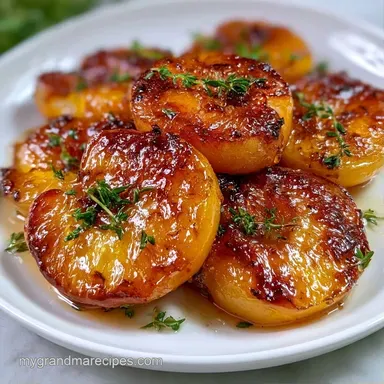
Olive Oil Baked Peaches: Caramelized and Sweet
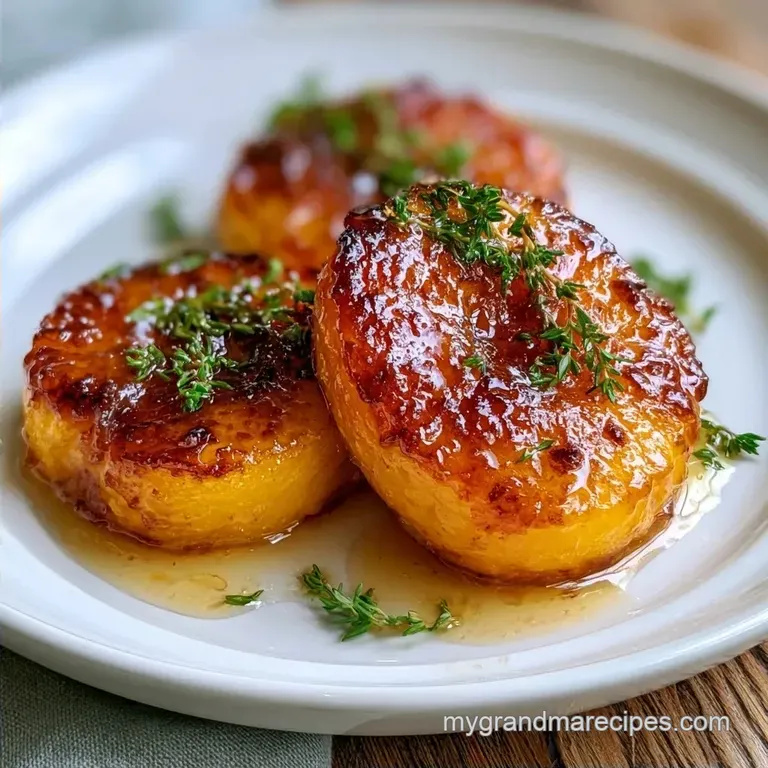
- Time: 5 min active + 25 min cook
- Flavor/Texture Hook: Sticky, caramelized edges with a cool, creamy finish
- Perfect for: Summer dinner parties or a healthy weeknight treat
That smell of bubbling fruit and warm honey hitting the oven air is honestly the best part of summer. I remember the first time I tried roasting peaches. I used butter, but it burned way too fast and left a weird, nutty taste that drowned out the fruit.
Switching to olive oil changed everything. It handles the 400°F heat without breaking down, allowing the peaches to brown deeply while staying tender. It gives the dish a sophisticated, slightly savory edge that makes the sweetness feel balanced.
You can expect these Olive Oil Baked Peaches to be a total crowd pleaser. They take almost no effort to prep, but they look like you spent an hour in the kitchen. Right then, let's get into how to actually get that deep golden color without turning your fruit into mush.
Olive Oil Baked Peaches
The goal here is a specific contrast. You want the edges of the peach to be almost charred and sticky, while the center remains succulent. Using a high temperature is the only way to achieve this. If you go too low, the peaches just stew in their own juices and lose their shape.
Since we're using a plan based approach, think of this in three phases: the prep, the roast, and the finish. The roast is the heavy lifter, but the finish adding that fresh lemon juice is what cuts through the richness and wakes up the flavor.
Common Roasting Pitfalls
Most people make the mistake of using peaches that are too soft. If a peach feels like a sponge, it will collapse in the oven. You want "firm ripe," meaning it gives slightly to pressure but still holds its structure.
Another issue is crowding the pan. If the peaches are touching, they steam instead of roasting. This prevents those deep brown edges from forming. Give them at least an inch of space to let the hot air circulate.
Quick Timing and Specs
To get this right, follow these numeric checkpoints. First, ensure your oven is exactly 400°F (200°C) before the fruit goes in. Second, set your timer for 20 minutes to check the color.
Third, pull them out the moment the juices bubble and turn a deep amber, usually around 25 minutes.
| Method | Time | Texture | Best For |
|---|---|---|---|
| Stovetop | 10 mins | Soft, jammy | Quick toppings |
| Oven | 25 mins | Roasted, structured | Dessert plate |
What Each Ingredient Does
The combination of fats and acids is what makes this work. The olive oil isn't just for lubrication, it's a flavor carrier.
| Ingredient | What It Does | Best Swap |
|---|---|---|
| Extra Virgin Olive Oil | Conducts heat and adds fruitiness | Melted butter (burns faster) |
| Honey | Creates the caramelized glaze | Maple syrup (woodier taste) |
| Sea Salt | Balances the honey's sweetness | Kosher salt |
| Lemon Juice | Brightens the heavy fats | Lime juice |
Necessary Kitchen Gear
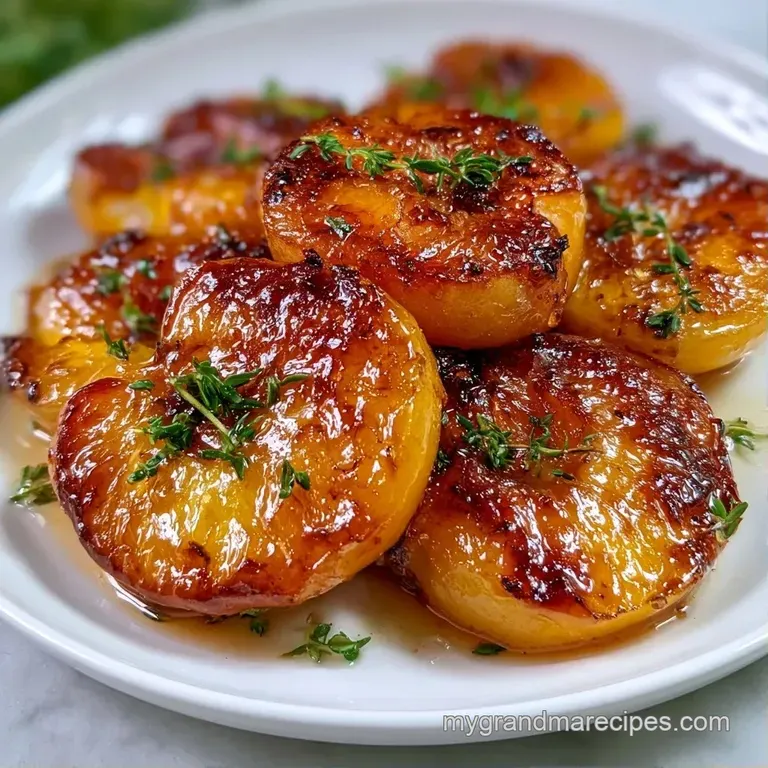
You don't need much here, just a few basics. A rimmed baking dish is non negotiable. If you use a flat sheet pan, the honey and oil mixture will run off the sides and burn on your oven floor.
I prefer a ceramic or glass dish because it holds the heat steadily. A small whisk or even a fork works for the glaze. Trust me on the rimmed dish, it keeps all those glossy juices right where the peaches can soak them back up.
Step-by-step Cooking Flow
Let's crack on with the actual cooking. Follow these steps to keep the timing tight.
- Preheat your oven to 400°F (200°C). Note: A hot oven is required for caramelization.
- Slice the 4 ripe peaches in half along the seam and twist to remove the pits.
- Place the peaches cut side up in a rimmed baking dish, making sure they aren't crowded.
- In a small bowl, whisk together 3 tbsp olive oil, 2 tbsp honey, and 1/2 tsp sea salt.
- Drizzle the mixture evenly over the exposed flesh of the peaches. Note: Coat the edges well to prevent drying.
- Bake on the center rack for 20–25 minutes until the edges are deep golden brown and the center is bubbling.
- Remove from the oven and immediately drizzle with 1 tbsp fresh lemon juice.
- Garnish with fresh thyme leaves.
- Serve with a dollop of Greek yogurt or mascarpone cheese.
Avoiding Peach Mistakes
If your peaches come out too mushy, you likely used fruit that was overripe or left them in too long. The key is pulling them when they are bubbling but still hold their shape.
Some people complain that their peaches don't brown. This usually happens if the oven temperature is too low or if you used too much honey without enough oil. The oil helps the heat penetrate the fruit surface.
| Problem | Root Cause | Solution |
|---|---|---|
| Mushy peaches | Overripe fruit | Use firm ripe peaches |
| No browning | Low oven temp | Use a thermometer to verify 400°F |
| Bland taste | Missing salt | Add a pinch of sea salt to the glaze |
Creative Flavor Variations
You can easily tweak this for different vibes. For a more savory version, skip the honey and add a pinch of cracked black pepper and a drizzle of balsamic glaze. These roasted peaches for salad are brilliant when paired with goat cheese and arugula.
If you want a more traditional dessert feel, sprinkle some cinnamon on top before roasting. For an added crunch, add some toasted sliced almonds during the final 5 minutes of baking. If you're planning a larger dessert spread, these pair well with Classic Jam Thumbprint Cookies for a mix of textures.
For those avoiding dairy, swap the Greek yogurt for a thick coconut cream. It provides a similar richness and a slight tropical note that complements the honey.
Storage and Waste Tips
These are best eaten warm, but you can store leftovers in an airtight container in the fridge for 3 days. To reheat, put them in a toaster oven for 5 minutes at 350°F. Avoid the microwave, as it makes the peaches rubbery.
Don't toss the peach pits or the leftover syrup in the pan. You can simmer the pan syrups with a bit of water to make a quick glaze for grilled chicken or pork.
Best Pairing Ideas
The richness of the oil and honey needs a sharp contrast. A dollop of Greek yogurt is the classic choice because the acidity cuts the sugar. If you want something more indulgent, use mascarpone or a scoop of vanilla bean ice cream.
For a brunch setting, serve these alongside a slice of toasted sourdough. The juices from the Olive Oil Baked Peaches soak into the bread, making it a great alternative to traditional syrup.
Why the Oil Matters
Heat Stability: Olive oil has a higher smoke point than butter, so it doesn't burn at 400°F. Flavor Profile: It adds a peppery, grassy note that prevents the dessert from feeling cloying.
The Salt Factor
A pinch of salt doesn't make the peaches "salty." Instead, it suppresses the bitterness of the charred edges and makes the natural fruit flavor pop. According to Serious Eats, salt enhances the perception of sweetness in fruits.
Common Fruit Myths
Searing fruit on a stove "seals in the flavor." This isn't true. Searing adds flavor through browning, but it doesn't lock anything inside. Roasting in the oven is better for peaches because it cooks the fruit evenly from all sides.
Using frozen peaches gives the same result. Actually, frozen peaches often release too much water, which leads to steaming rather than roasting. Fresh, firm ripe peaches are the only way to get that structured, caramelized finish.
Recipe FAQs
What can I do with too many fresh peaches?
Bake them with olive oil and honey. This method concentrates the fruit's flavor and allows you to store them in the fridge for up to 3 days.
How to save a mealy peach and make it unmealy?
Roast them at 400°F. The high heat breaks down the mealy fibers and transforms the flesh into a soft, jammy consistency.
How would you make peach chicken?
Simmer the leftover pan syrups with a bit of water. Use this resulting mixture as a sweet and salty glaze for grilled chicken breasts.
Is it true I can reheat these peaches in the microwave?
No, this is a common misconception. Microwaving makes the peaches rubbery, so use a toaster oven at 350°F for 5 minutes instead.
Why are my peaches not caramelizing?
Ensure the oven is fully preheated to 400°F. A very hot oven is required for the honey and oil to brown the edges of the fruit.
Can I substitute olive oil with a neutral oil?
Stick with extra virgin olive oil. Its peppery notes are essential for balancing the sweetness of the honey and the acidity of the lemon juice.
What is the best way to serve these baked peaches?
Top them with Greek yogurt and toasted homemade bread. The toast is ideal for soaking up the remaining syrup from the pan.
Olive Oil Baked Peaches