Hungarian Goulash with Sour Cream in 3 Hours
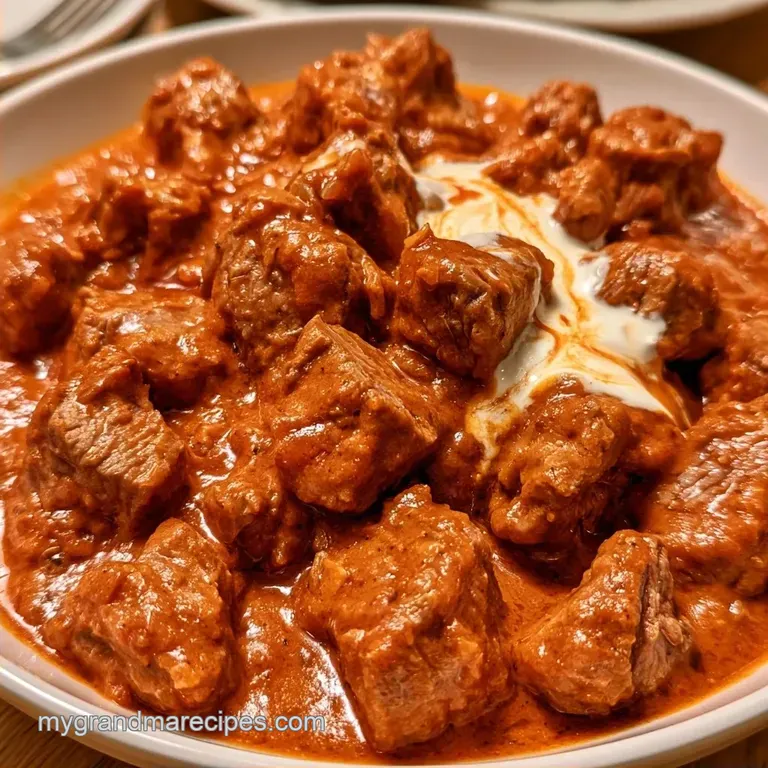
- Time: 15 min active + 3 hrs simmering
- Flavor/Texture Hook: Smoky, rich, and silky
- Perfect for: Cold rainy nights or meal prep
Sizzle. That's the sound of beef hitting hot oil. I once believed goulash was just any old beef stew a "set it and forget it" kind of meal. I mistakenly thought a pressure cooker or exotic, hard-to-find spices were the only ways to achieve authenticity.
As it happens, that's completely false. You don't need specialized equipment, only a sturdy pot and some time. The real transformation occurs when you treat the paprika as the centerpiece rather than a simple seasoning.
This Hungarian Goulash with Sour Cream focuses on layering flavors. We begin with a hard sear, follow with a slow cooked onion base, and end with a refreshing, tangy dollop of cream. It's a satisfying, warming dish that truly hits the spot.
Why This Meat Melts
Collagen Breakdown: Beef chuck is chosen for its abundance of connective tissue. Simmering for 3 hours converts that tough collagen into gelatin, giving the sauce a rich, velvety body.
Paprika Blooming: Toasting the paprika in fat for 60 seconds releases the spice's essential oils. This eliminates the raw, "dusty" quality and introduces a deep, smoky warmth. To achieve a cleaner, creamier base during the sauté, consider using homemade butter.
Onion Reduction: Incorporating three large onions creates a thick, natural slurry. As they dissolve, they serve as an organic thickener, removing the need for a flour roux.
| Method | Time | Texture | Best For |
|---|---|---|---|
| Classic Slow Simmer | 3 hrs 15 mins | Tender, thick sauce | Weekend comfort |
| Pressure Cooker | 1 hr 15 mins | Soft, thinner sauce | Busy weeknights |
Now, let's explore the key elements doing the heavy lifting in your pot.
The Ingredient Deep Dive
| Ingredient | Role | If You Don't Have It |
|---|---|---|
| Beef Chuck | Provides fat and collagen | Stew meat (but chuck is better) |
| Hungarian Paprika | Primary smoky flavor | Smoked paprika (adds more "fire") |
| Yellow Onions | Natural thickener and sweetness | White onions (slightly sharper) |
| Sour Cream | Tangy balance to the richness | Greek yogurt (more tart) |
The balance here is key. You want enough paprika to color the beef a deep mahogany, but not so much that it becomes bitter. Trust me, don't skimp on the onions, as they are the backbone of the sauce.
What You'll Need
The Core Ingredients
- 3 lbs beef chuck, cut into 1 inch cubesWhy this? collagen levels help thicken the sauce
- 3 tbsp vegetable oilWhy this? high smoke point is ideal for searing
- 2 tbsp unsalted butterWhy this? adds a rich taste to the onions
- 3 large yellow onions, finely dicedWhy this? breaks down to naturally thicken the stew
- 4 cloves garlic, mincedWhy this? provides a sharp aromatic base
- 1 tsp saltWhy this? intensifies all the flavors
- 1 tsp black pepperWhy this? contributes a subtle warmth
- 1/3 cup sweet Hungarian paprikaWhy this? authentic, mild, and fruity
- 2 tbsp tomato pasteWhy this? boosts umami and depth of color
- 6 cups beef broth, low sodiumWhy this? keeps the salt content under control
- 2 bay leavesWhy this? adds a woody, floral note
- 1 tsp dried marjoramWhy this? traditional earthy herb
- 1 cup full fat sour creamWhy this? offsets the richness of the meat
- 1/4 cup fresh parsley, choppedWhy this? adds a bright, clean finish
Kitchen Gear You Need
While a standard home kitchen is sufficient, having a few specific tools helps. A heavy bottomed Dutch oven is an excellent choice for this recipe, as it maintains a steady temperature and prevents scorching during the lengthy simmer.
If you lack a pot large enough to sear the meat in batches, a wide stainless steel skillet is a good alternative. Be careful not to crowd the pan, or the beef will steam rather than brown, sacrificing that deep, toasted taste.
A sturdy wooden spoon is also essential for scraping those flavorful brown bits off the bottom.
Step-by-step Cooking Flow

Pat the beef cubes dry with paper towels. Heat the vegetable oil in a Dutch oven over medium high heat. Sear the beef in batches until a deep brown crust forms on all sides. Remove the meat and set it aside on a plate. Note: Drying the meat prevents it from steaming.
Reduce heat to medium. Add the butter and diced onions. Sauté for 8–10 minutes until the onions are translucent and starting to golden. Stir in the minced garlic and cook for 1 minute.
Remove the pot from the heat for 30 seconds. Stir in the Hungarian paprika and tomato paste, coating the onions evenly. Immediately return to heat and stir for 1 minute until fragrant. Note: Taking the pot off the heat prevents the paprika from burning and turning bitter.
Return the seared beef and any accumulated juices to the pot. Pour in the beef broth, add the bay leaves and dried marjoram, and stir to combine.
Bring the liquid to a simmer, then cover and cook on low heat for 3 hours until the beef is tender and the sauce has thickened.
Stir in the sour cream just before serving. Garnish with chopped fresh parsley.
The beef should feel like it's just barely holding together when you poke it with a fork. If it's still bouncy, give it another 20 minutes.
Fixing Common Goulash Issues
I've noticed that some cooks struggle with the sauce consistency. It can end up too runny, or conversely, slightly too thick if over reduced. The ideal goal for Hungarian Goulash with Sour Cream is a rich, velvety thickness.
Another frequent issue is a "burnt" aftertaste. Because paprika is high in sugar, it can transition from toasted to charred in roughly ten seconds. To prevent this, always follow the "off heat" rule when mixing in your spices.
If the beef feels tough, it likely hasn't simmered for long enough. Chuck is a stubborn cut of meat. It doesn't matter if the beef has reached the correct internal temperature; it simply needs time for the collagen to fully break down.
| Problem | Root Cause | Solution |
|---|---|---|
| Sauce is too thin | Not enough reduction or onions | Simmer uncovered for 20 mins |
| Bitter flavor | Burnt paprika | Add a pinch of sugar to balance |
| Tough beef | Simmered too fast or too short | Lower heat and cook for 30 more mins |
| Sour cream curdled | Added cream to boiling liquid | Stir cream in after removing from heat |
If you're interested in other slow simmering techniques for various proteins, you might enjoy this Hatch Chile Sauce, which also relies on a base of aromatics to build flavor.
Serving and Pairing Ideas
Traditionalists serve this over "Nokedli," which are small, chewy Hungarian dumplings. But honestly, don't overthink it. Boiled potatoes, wide egg noodles, or even a thick slice of crusty sourdough bread work perfectly. The bread is essential for mopping up the last bits of the sauce.
I like to serve it in deep bowls with an extra dollop of sour cream on top. A side of pickled cucumbers or a simple cabbage slaw provides a sharp contrast to the rich, earthy beef.
Quick tweaks for flavor:
- More tang? → Fold in 1 tsp lemon juice
- Deeper color? → Add 1 tbsp extra tomato paste
- Extra heat? → Add a pinch of cayenne pepper
Storage and Freezer Tips
The flavor actually improves overnight as the ingredients meld and the sauce thickens in the refrigerator. Store the leftovers in a tightly covered container for 3 days.
When warming it up, use the stovetop over medium low heat. Avoid using high microwave settings, as the sour cream might split. Adding a bit of beef broth before heating helps loosen the sauce.
If you plan to freeze the stew, leave out the sour cream. Frozen portions will keep for up to 3 months. Thaw your portion in the fridge overnight and stir in fresh sour cream just before serving.
To minimize waste, keep the beef bones and any onion or garlic scraps to brew a small amount of stock for another recipe.
Try These Taste Twists
While beef is the standard, you can easily adapt this for other meats. Hungarian Pork Goulash with Sour Cream uses pork shoulder instead of beef chuck. The cooking time is slightly shorter, and the flavor is a bit milder, but the method remains identical.
If you want to add more bulk, try adding carrots and parsnips during the last hour of simmering. They add a subtle sweetness that complements the paprika.
Easy Adaptations:
- Low Sodium: Use a homemade salt free stock and omit the added salt.
- Heartier version: Stir in diced potatoes during the last 45 minutes of cooking.
- Veggie swap: Use large chunks of cauliflower and mushrooms, though you'll need to reduce the simmer time to 45 minutes.
Whether you're making a quick version or the slow cooked Traditional Hungarian Goulash, the key is the quality of your paprika. Grab a tin of authentic Hungarian sweet paprika, and you're halfway there. Enjoy your Hungarian Goulash with Sour Cream!
Recipe FAQs
What is the key ingredient in Hungarian goulash?
Sweet Hungarian paprika provides the signature flavor and deep red color. It is essential to use this specific variety for the correct balance of sweetness and earthiness.
Is it true that Hungarian goulash is just a macaroni stew?
That's a myth. This traditional version is a slow cooked meat stew using beef chuck and paprika, whereas American goulash typically includes pasta.
Why does the stew taste better the next day?
The flavors have more time to meld and the sauce thickens naturally while resting. Reheating it slowly on the stovetop brings those concentrated tastes back to life.
How to achieve a deep brown crust on the meat?
Pat the beef cubes dry with paper towels before searing. This removes surface moisture so the meat browns instead of steaming in the pot.
Can I turn this stew into a soup?
Increase the amount of beef broth to create a thinner consistency. If you enjoy this style of hearty broth, you might like the layering used in Turkish chicken soup.
Do Hungarians use sour cream to balance the spice?
Actually, no. The sour cream is added primarily to provide creaminess and a slight tang that cuts through the richness of the beef and paprika.
Which cut of meat is best for this recipe?
Beef chuck is the ideal choice because it contains connective tissue that breaks down during the three hour simmer. This results in melt-in-your mouth tenderness.
How should I add the sour cream to avoid curdling?
Stir it in just before serving. Reheating the stew slowly on the stovetop ensures the dairy doesn't split from extreme heat.
Hungarian Goulash With Sour Cream