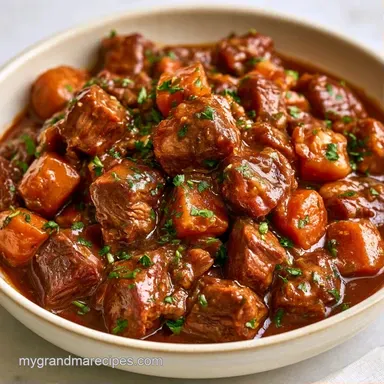
Authentic Hungarian Goulash Soup
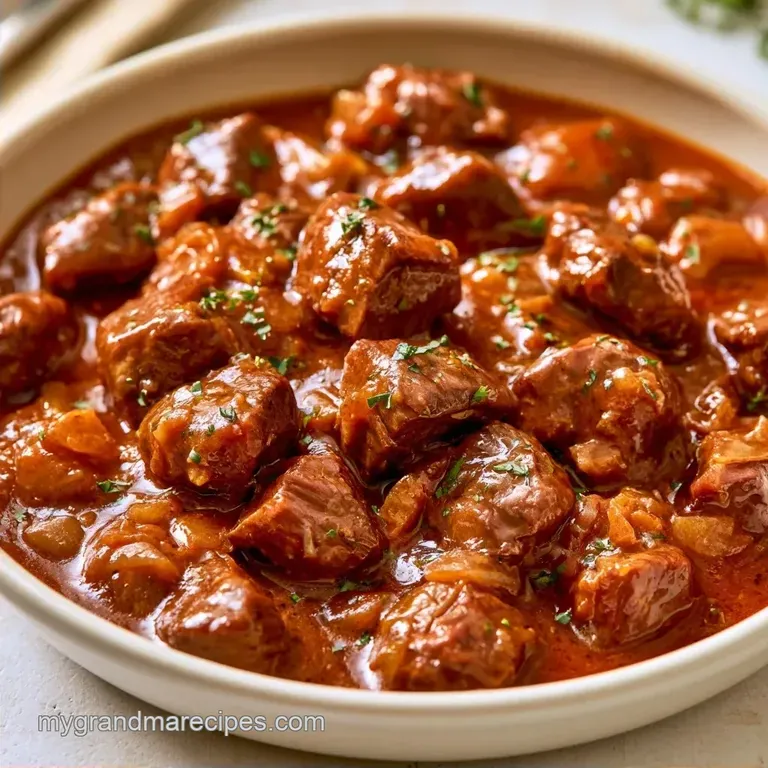
- Time: 15 min active + 2 hours 20 min simmer
- Flavor/Texture Hook: Smoky, mahogany broth with tender, melt in-your mouth beef
- Perfect for: Cold rainy nights or a hearty weekend meal prep
The smell of toasted paprika fills the kitchen in a way that feels like a warm blanket. It's that specific, earthy aroma that tells you something serious is happening in the pot. But for a lot of people, their first attempt at this ends up tasting like a thin, watery beef soup , worse, has a burnt, bitter aftertaste.
The problem usually comes down to how the paprika is handled. If you dump it into boiling liquid, you miss the depth. If you leave it on high heat for too long, it burns. This recipe fixes that by using a specific toasting method that brings out the sweetness of the spice without scorching it.
You can expect a bowl of Hungarian Goulash Soup that is thick but still pourable, with beef that yields to a fork. We'll use a budget friendly cut of meat and a few smart swaps to keep costs down while keeping the flavor heavy.
Hungarian Goulash Soup
The magic happens when we focus on the fat and the heat. By browning the beef in lard and then "blooming" the paprika in that same oil, we create a concentrated flavor base that carries through the whole pot.
The Browning Effect: Searing the beef creates a dark crust that dissolves into the broth. This provides a savory depth that simple boiling cannot match.
Spice Activation: Paprika is fat soluble, meaning its flavors wake up when heated in oil. Toasting it for 30 seconds ensures the soup tastes smoky and rich rather than raw.
Collagen Breakdown: Using beef chuck allows the connective tissue to melt over two hours. This naturally thickens the Hungarian Goulash Soup without needing a flour roux.
| Fresh Ingredient | Shortcut Swap | Impact on Result | Savings |
|---|---|---|---|
| Beef Bone Broth | Beef Bouillon Cubes | Less body, higher salt levels | High |
| Lard | Vegetable Oil | Lighter flavor, less creaminess | Low |
| Fresh Bell Pepper | Frozen Pepper Mix | Slightly softer texture | Medium |
Basic Recipe Specs
This version is designed for a standard home kitchen. It's a one pot meal that relies on a heavy bottom to prevent the bottom from scorching during the long simmer.
For those who prefer a thicker consistency, you can let it simmer uncovered for the final 30 minutes. This reduces the liquid and concentrates the flavors. If you're looking for something even more concentrated, my Hungarian Goulash Stew is a great alternative.
Ingredient Deep Dive
The quality of the paprika is the most important part here. Look for "Hungarian Sweet Paprika" specifically. If you use generic "paprika" from a supermarket, the color will be pale and the taste will be flat.
| Ingredient | Role | If You Don't Have It |
|---|---|---|
| Beef Chuck | Main protein and thickener | Stew beef or brisket |
| Hungarian Paprika | Primary flavor and color | Smoked paprika (adds a campfire taste) |
| Caraway Seeds | Earthy, anise like notes | Fennel seeds |
| Beef Bone Broth | Savory liquid base | Beef stock or water + bouillon |
The Hearty Protein
Beef chuck is the right choice because it's marbled with fat. When you sear the meat, aim for a deep mahogany color. This takes about 8-10 minutes per batch. Don't crowd the pan or the meat will steam instead of brown.
The Garden & Broth
Carrots and potatoes add bulk and a natural sweetness. The red bell pepper provides a bright, slightly acidic note that cuts through the richness of the beef. Using bone broth adds a velvety quality to the liquid that standard stock lacks.
Ingredients & Substitutes
- 2 tbsp lard or vegetable oil Why this? Lard provides the traditional, rich flavor.
- 300g yellow onions, finely diced (Substitute: Shallots for a milder taste)
- 3 cloves garlic, minced (Substitute: 1 tsp garlic powder)
- 3 tbsp Hungarian sweet paprika Why this? Essential for the authentic red color and sweet smoky taste.
- 1 tsp caraway seeds, lightly crushed (Substitute: Omit if you dislike anise flavors)
- 2 lbs beef chuck, cut into 1 inch cubes Why this? High collagen makes the meat tender.
- 1 tsp salt (Substitute: Sea salt)
- 1/2 tsp black pepper (Substitute: White pepper)
- 6 cups beef bone broth Why this? Adds depth and natural gelatin.
- 300g carrots, sliced into rounds (Substitute: Parsnips)
- 300g potatoes, cubed into 1 inch pieces (Substitute: Rutabaga for lower carbs)
- 1 red bell pepper, chopped (Substitute: Yellow or orange pepper)
- 1 tbsp tomato paste Why this? Adds umami and thickens the broth.
- 1 bay leaf (Substitute: Dried oregano)
Necessary Cooking Tools
A heavy bottomed Dutch oven is the only way to go. Cast iron distributes heat evenly, which is vital for a simmer that lasts over two hours. If you use a thin stainless steel pot, the beef is more likely to stick and burn.
You'll also need a sturdy wooden spoon for scraping the bottom of the pot. This process, called deglazing, is how you get all those browned beef bits back into the Hungarian Goulash Soup.
Key Cooking Steps
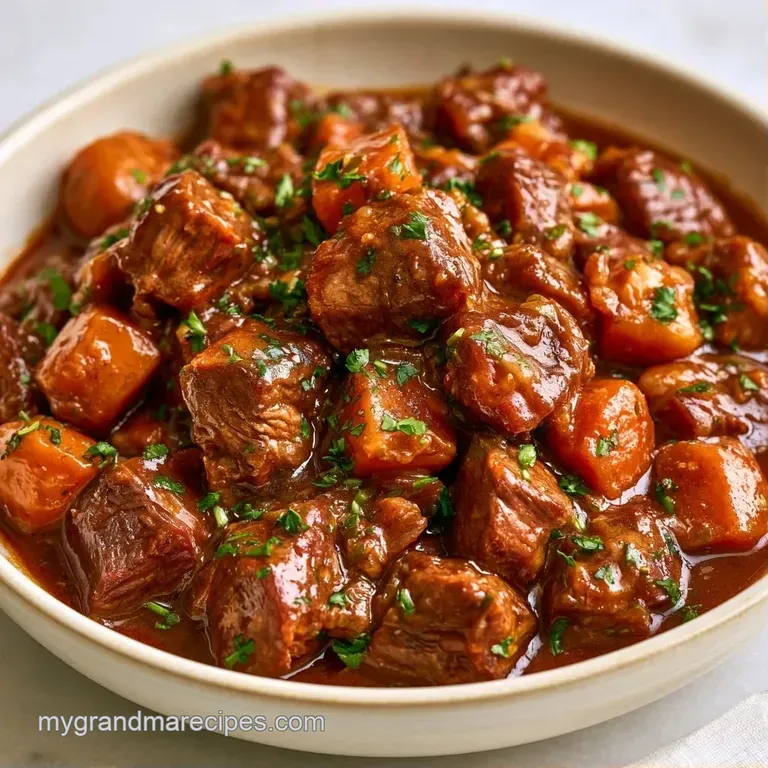
- Season the cubed beef with salt and pepper. In a heavy bottomed Dutch oven, heat the lard over medium high. Brown the meat in batches until a deep, mahogany crust forms on each piece. Set the meat aside.
- Reduce the heat to medium. Sauté the onions in the remaining fat until soft and translucent. Stir in the caraway seeds and garlic, cooking for 60 seconds.
- Slide the pot off the burner. Blend in the tomato paste and sweet paprika, stirring for 30 seconds Note: This prevents the paprika from burning and turning bitter.
- Return the seared beef to the pot. Add the beef broth and the bay leaf.
- Bring the liquid to a gentle boil, then lower the heat. Cover and simmer for 90 minutes until the beef is tender and yields to a fork.
- Add the carrots, potatoes, and bell peppers.
- Continue to simmer uncovered for another 20-30 minutes until the vegetables are tender and the broth has thickened slightly.
- Taste and add a pinch more salt if needed. Take out the bay leaf before serving.
Handling Common Issues
The most frequent complaint with Hungarian Goulash Soup is a bitter taste. This happens because paprika contains natural sugars that burn quickly. If the heat is too high when the spice hits the oil, it ruins the whole pot.
Another issue is tough meat. This usually means the simmer was too aggressive. The beef should barely bubble. A rolling boil will tighten the muscle fibers, making the beef rubbery instead of tender.
Finally, some find the broth too thin. This happens if the beef wasn't seared enough or if you used a lean cut of meat. To thicken it quickly, mash a few of the cooked potato cubes directly into the soup.
Fixing Bitter Broth
If you accidentally scorched the paprika, don't toss the pot. A small pinch of sugar or a teaspoon of honey can neutralize the bitterness.
Taming Tough Meat
If the meat is still chewy after the initial simmer, add another 30 minutes of cooking time. USDA guidance puts the safe internal temperature at 165°F, but for chuck, you want it to go even higher to break down the collagen.
Adjusting Thin Liquid
If the soup is too watery, simmer it uncovered for an extra 15 minutes. This allows the water to evaporate and the fats to concentrate.
| Problem | Root Cause | Solution |
|---|---|---|
| Bitter Taste | Burnt Paprika | Add a pinch of sugar or honey |
| Rubbery Beef | Heat too high/Too short | Simmer on low for another 30 mins |
| Watery Broth | Lean meat or too much broth | Mash some potatoes into the soup |
Best Side Dishes
This dish is heavy and rich, so you need something to cut through the fat. A dollop of cold sour cream on top is traditional. It adds a tangy creaminess that balances the smoky paprika.
For sides, skip the heavy starches. A simple cucumber salad with vinegar and dill works best. If you want another hearty option, you might like my American Goulash Soup, which has a different, one pot vibe.
For a more filling meal, serve this with a thick slice of toasted sourdough bread. The holes in the bread act like sponges for the mahogany broth.
Storage and Waste
Keep your soup refrigerated in a sealed jar or tub for about 4 days. The taste actually intensifies after a day in the fridge, often making the leftovers superior to the first batch.
For freezing, allow the soup to cool completely first. It stays fresh in the freezer for up to 3 months. Reheat the liquid slowly on the stovetop over low heat, adding a bit of water or broth if it thickened during the freezing process.
Reduce waste by saving your prep scraps for bone broth. Collect extra carrot pieces or onion ends in a freezer bag. Once the bag is full, boil them with a beef bone for 12 hours to create a homemade stock for your next batch of Hungarian Goulash Soup.
Customizing Your Bowl
This recipe is easy to adapt for different dietary needs. For a low-carb alternative, simply swap the potatoes for cauliflower florets or extra carrots to keep the dish filling without the starch.
If you prefer more heat, use a combination of sweet and hot Hungarian paprika. I suggest a 2:1 ratio of sweet to hot to create a slow, lingering warmth.
For a vegan version, replace the beef with large portobello mushroom pieces or soy chunks. Use a rich vegetable broth and substitute the lard with olive oil. While the texture will be less gelatinous, the flavor remains delicious.
Decision Shortcut for results:
- For a thicker stew: simmer uncovered for 45 minutes instead of 20.
- For a lighter soup: use a lean sirloin and replace lard with olive oil.
- For deeper flavor: add 1 tsp of espresso powder during the searing phase.
Myths About Goulash
The belief that searing meat "seals in juices" is a misconception. Water evaporates during the cooking process regardless of whether the meat is browned; searing is actually about developing flavor via the breakdown of sugars and proteins.
Another common myth is that a traditional "goulash pot" is required. While cauldrons are authentic, any heavy cast iron pot is perfectly capable of maintaining the steady, low temperature needed.
Now you are ready to prepare a bowl of Hungarian Goulash Soup with an authentic, rustic flavor. Just remember to be patient during the searing process and cautious with the paprika. Trust me, the effort is worth it from the very first spoonful.
High in Sodium
980 mg 980 mg of sodium per serving (43% 43% of daily value)
The American Heart Association recommends a daily sodium limit of no more than 2,300 mg for most adults to maintain heart health.
Tips to Reduce Sodium
-
Swap the Broth-30%
Replace the standard beef bone broth with a low-sodium or homemade unsalted version to significantly lower the base sodium level.
-
Minimize Added Salt-25%
Reduce the 1 tsp of salt to 1/2 tsp or omit it completely, as the broth and tomato paste already contribute sodium.
-
No-Salt Added Paste-20%
Use a no-salt added tomato paste instead of the regular canned variety to further decrease processed sodium.
-
Enhance with Herbs
Increase the amount of garlic or add fresh parsley at the end of cooking to boost flavor without adding sodium.
Recipe FAQs
What ingredients go into authentic Hungarian goulash soup?
It features beef chuck, Hungarian sweet paprika, caraway seeds, and beef bone broth. Sliced carrots, potatoes, and red bell peppers are added toward the end for texture.
Is it true that Hungarian goulash is the same as American ground beef goulash?
That's a myth. Traditional Hungarian goulash is a slow simmered soup with cubed beef, while the American version is usually a pasta based dish with ground meat.
How do I cook the beef for the best flavor?
Brown the cubed beef in batches using lard or oil over medium high heat. Ensure each piece develops a deep, mahogany colored crust before removing it from the pot.
Which is different, a goulash stew or a goulash soup?
The primary difference is the ratio of liquid to solids. Goulash soup uses more beef bone broth to create a thinner, spoonable consistency compared to the thicker stew.
Can I use ground beef instead of beef chuck?
Using ground beef changes the texture from tender chunks to a crumbly consistency. If you prefer working with ground meat, you might enjoy the quick method used in our taco soup.
Why must the paprika be toasted before simmering?
Toasting the paprika in oil for 30 seconds releases its fat-soluble flavors and aroma. Just be careful not to burn it, as scorched paprika becomes bitter.
Hungarian Goulash Soup