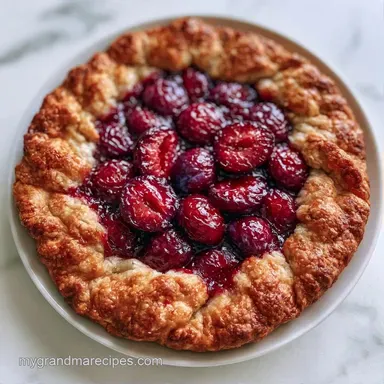
Rustic Fresh Plum Galette
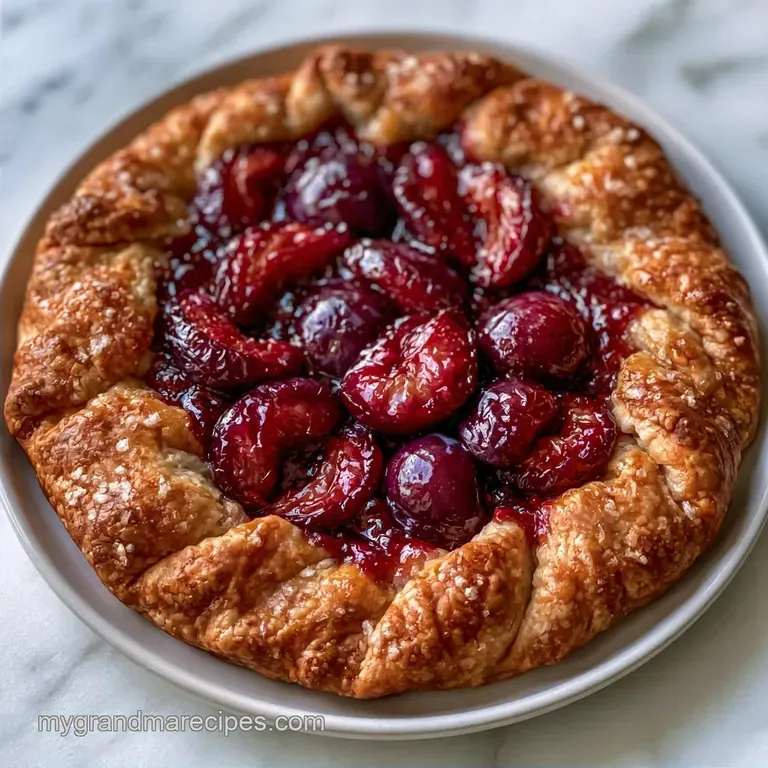
- Time: 30 min active + 1 hour chilling
- Flavor/Texture Hook: Tart jammy plums with a shattering, sugary crust
- Perfect for: Sunday family brunch or a cozy autumn dessert
Making a Fresh Plum Galette
The smell of baking plums always takes me back to my grandmother's kitchen in late August. I remember the way the air felt heavy with humidity, but inside, the kitchen smelled like cinnamon and warm butter.
She didn't use a fancy recipe card; she just felt the dough with her fingers until it "felt right." That's the kind of comfort food I crave the kind that doesn't need to look like a magazine photo to taste like home.
This Fresh Plum Galette is basically a free form tart. It's for those of us who hate the stress of a traditional pie crust shrinking or sticking to a pan. You just roll it out, pile the fruit in the middle, and fold the edges over. It's rustic, honest, and tastes like a cherished summer memory.
You can expect a crust that cracks when you bite into it and a center that's thick and syrupy. The plums soften into a jammy consistency that balances the richness of the butter. If you've never made a Fresh Plum Galette before, don't sweat the shape. The "messier" it looks, the more authentic it feels.
Quick Galette Basics
Cold Butter: Keeping the fat chilled ensures it doesn't melt into the flour, which creates those flaky layers we love.
Cornstarch Bind: A small amount of starch thickens the plum juices so the crust doesn't get soggy.
High Heat: Baking at 400°F sets the crust quickly and bubbles the fruit before it releases too much water.
| Method | Time | Texture | Best For |
|---|---|---|---|
| Homemade Crust | 2 hours | Flaky & Buttery | Tradition and flavor |
| Puff Pastry | 45 mins | Airy & Light | Busy weeknights |
| Shortcrust | 90 mins | Dense & Cookie like | Sturdier slices |
Ingredient Deep Dive
| Ingredient | What It Does | Best Swap |
|---|---|---|
| Unsalted Butter | Creates flakiness | Chilled coconut oil (firm) |
| Fresh Plums | Provides tartness | Nectarines or Peaches |
| Cornstarch | Thickens juices | Arrowroot powder |
| Turbinado Sugar | Adds crunch | Coarse sanding sugar |
Essential Kitchen Tools
You don't need a professional bakery to pull this off. I usually just use a big mixing bowl and a fork. If you have a pastry cutter, it helps get the butter integrated faster, but two knives worked for my grandma for fifty years, so they'll work for you.
The most important tool is a piece of parchment paper. Without it, the dough might stick to your baking sheet, and trying to peel a warm Fresh Plum Galette off a metal pan is a recipe for a heartbreak. I also suggest a rolling pin, though a smooth wine bottle in a pinch does the trick.
From Prep to Plate
Phase 1: Crafting the Chilled Dough
First, whisk your flour, salt, and sugar in a bowl. I like to use a wide bowl so I have room to move. Use a pastry cutter to work the chilled butter into the flour. You want it to look like coarse crumbs. Keep some pea sized lumps of butter in there that's what makes the crust shatter.
Drizzle in ice water one tablespoon at a time. Stir with a fork just until the dough holds together. Don't overwork it, or you'll develop too much gluten and the crust will be tough. Shape the dough into a disk, wrap it in plastic, and let it chill in the fridge for at least 1 hour.
Trust me, skipping the chill makes the dough sticky and hard to roll.
Phase 2: Preparing the Vibrant Filling
While the dough rests, prep your plums. Slice them into eighths. In a medium bowl, toss the sliced plums with lemon juice and vanilla extract. This keeps them bright and adds a hint of warmth.
Sprinkle in the granulated sugar, cornstarch, and cinnamon. Gently toss everything together. The cornstarch is the secret to avoiding a puddle of juice on your pan. Let the fruit sit for a few minutes so the sugar can start drawing out the juices.
Phase 3: Assembly and Baking
Dust your counter with flour. Roll the chilled dough into a 12 inch rough circle. It doesn't have to be a perfect circle a "blob" works just fine. Carefully move the dough onto a parchment lined baking sheet.
Pile the fruit in the center. Leave about a 2 inch border of dough all around. Fold the edges of the dough over the fruit, overlapping the folds as you go. Leave the center open so the plums can breathe and bubble.
Brush the crust with the beaten egg wash. This is what gives it that deep gold look. Sprinkle the turbinado sugar over the edges for a bit of sparkle and crunch. Bake at 400°F (200°C) for 30–35 minutes.
You'll know it's done when the crust is deep gold and the plum juices are bubbling and thick.
Chef's Note: If you see the edges of the crust browning too fast, just slide a small piece of foil over them. It stops the burning without undercooking the fruit.
Hidden Baking Tips
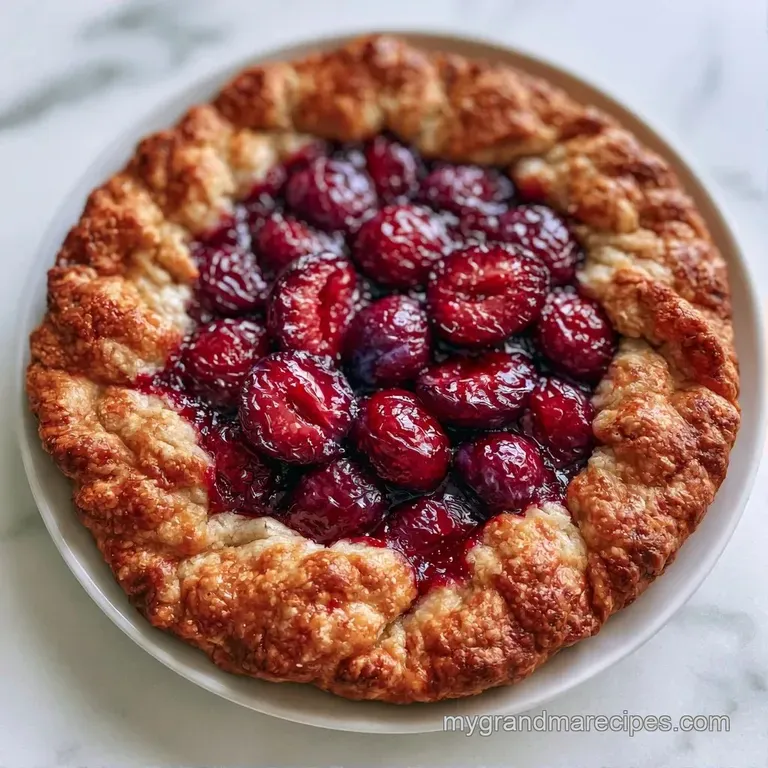
If you want a truly shattering texture, freeze your butter for 10 minutes before cubing it. The colder the fat, the better the steam pockets. Also, try using a tiny bit of vodka instead of one tablespoon of the water. It prevents gluten development and makes the crust incredibly tender.
Another trick is to slice the plums slightly thinner toward the center and thicker toward the edges. This helps the middle cook through at the same rate as the outer ring. Honestly, don't even bother with low-fat butter here; you need the fat for the structure and the nostalgic taste.
Fixing Common Problems
Even the best home cooks run into a few snags. Most of the time, it comes down to temperature. If your kitchen is too hot, the butter melts before it hits the oven, and you lose those layers.
"My crust is shrinking or pulling away"
This usually happens if the dough was rolled too thin or didn't chill long enough. The gluten "snaps back" during baking. Next time, let it rest for an extra 30 minutes after rolling before you add the fruit.
"The fruit is too watery/runny"
Plums can be unpredictable. If they are very ripe, they release more water. You can add an extra teaspoon of cornstarch or let the sliced fruit drain in a colander for 10 minutes before adding the sugar.
"The bottom is soggy"
A "soggy bottom" happens when the juices soak into the dough. Make sure your oven is fully preheated to 400°F before the galette goes in. This sears the bottom of the crust instantly.
| Problem | Root Cause | Solution |
|---|---|---|
| Tough Crust | Over mixing dough | Stir until just combined |
| Pale Edges | Oven temp too low | Use a thermometer to verify 400°F |
| Fruit Overflow | Too much filling | Leave a wider 2 inch border |
Adjusting the Yield
If you're making this for a small gathering, you can easily scale this Fresh Plum Galette down. For a half batch, use a smaller 8 inch circle and reduce the baking time by about 5-7 minutes. When halving the egg, beat one egg in a cup and measure out half.
For a larger crowd, I don't recommend doubling the dough in one giant mass it's too hard to roll out evenly. Instead, make two separate galettes. If you do double the filling, increase the cornstarch to 2 tablespoons to handle the extra juice.
When baking two at once, lower the temperature to 375°F (190°C) and extend the time by 5-10 minutes to ensure even heat circulation.
Old-Fashioned Baking Beliefs
You might hear people say you need to "blind bake" the crust for a galette to avoid sogginess. That's simply not true for this style of tart. The high heat and the cornstarch do the work. Blind baking is for deep dish pies or tarts with raw fillings.
Some also claim you must use a specific "pastry flour" for a Fresh Plum Galette. While pastry flour is softer, all purpose flour works perfectly if you don't overwork the dough. The texture comes from the butter, not the brand of flour.
Keeping It Fresh
Once your Fresh Plum Galette has cooled, you can keep it at room temperature for about 2 days, but cover it loosely with a cloth. For longer storage, put it in the fridge for up to 5 days. I recommend storing it on a wire rack inside the fridge so the bottom doesn't sweat.
You can actually freeze a baked galette. Wrap a slice in foil and then plastic wrap. It'll stay good for 2 months. To reheat, just pop a slice in a 350°F (175°C) oven for 10 minutes. It brings back that original crunch.
As for zero waste, don't toss the plum pits immediately if you're into gardening dry them out and plant them. Also, any leftover egg wash can be used to glaze a few pieces of toast for breakfast the next morning.
Different Ingredient Choices
If you don't have plums, this method works for almost any stone fruit. A mix of plums and apricots makes for a lovely, tangy contrast. For those avoiding gluten, almond flour can work, but the crust will be denser and more fragile. If you're looking for another rustic option, my Dessert for 8 Servings recipe is a wonderful alternative that's even simpler.
For a vegan version, substitute the butter with chilled refined coconut oil and use a flax egg (1 tbsp ground flax + 3 tbsp water) for the wash. You'll lose a bit of the golden color, but the flavor remains rich. If you want a "cheat" version, use store-bought puff pastry. Just roll it out, add the plums, and bake.
It's a great way to get a Fresh Plum Galette quick on a Tuesday night.
The Best Pairings
A Fresh Plum Galette is quite rich, so it needs something to cut through the butter. A dollop of cold crème fraîche or a scoop of vanilla bean ice cream is the classic choice. The cold cream against the warm fruit is just wonderful.
If you're serving this as part of a larger brunch, balance the sweetness with something savory. A with Fresh Crispy Vegetables recipe provides a fresh, acidic contrast that cleanses the palate between bites of the tart.
For a drink, a glass of cold sparkling cider or a simple Earl Grey tea complements the cinnamon and plum notes. If you're feeling fancy, a drizzle of honey over the top of the slice adds a floral sweetness that ties everything together.
This Fresh Plum Galette is all about the joy of imperfect baking. It's not about the lines being straight or the folds being symmetrical. It's about the smell of cinnamon filling the house and the sound of that crust cracking. I hope this becomes a cherished part of your own kitchen traditions.
Recipe FAQs
What to do with lots of fresh plums?
Bake them into a rustic galette. This is the most efficient way to use a large quantity of fruit without the stress of a formal pie crust.
How do you keep the bottom of a galette from getting soggy?
Toss the sliced plums with cornstarch. This absorbs the excess fruit juices during the bake and creates a stable barrier for the dough.
Is galette dough the same as pie dough?
Yes, the ingredients and method are virtually identical. The only real difference is the free form shape. If you enjoyed working with this chilled dough, see how we adapt different fat ratios in our sugar cookie dough.
Do you have to peel plums before baking?
No, leave the skins on. The skins provide a deep, beautiful color and a slight tartness that balances the granulated sugar.
What can I do with plums besides making jam?
Roast them or bake them into a galette. You can also slice them fresh for summer salads or poach them in syrup for a light dessert.
Why did my galette crust turn out tough instead of flaky?
You likely overworked the dough. Avoid over mixing after adding the ice water to ensure the butter stays in pea-sized lumps, which creates the steam needed for flakiness.
Can I use frozen plums instead of fresh?
No, fresh plums are recommended. Frozen fruit releases significantly more moisture as it thaws, which often leads to a soggy crust regardless of cornstarch.
Fresh Plum Galette Recipe