Velvety Homemade Tomato Soup Recipe
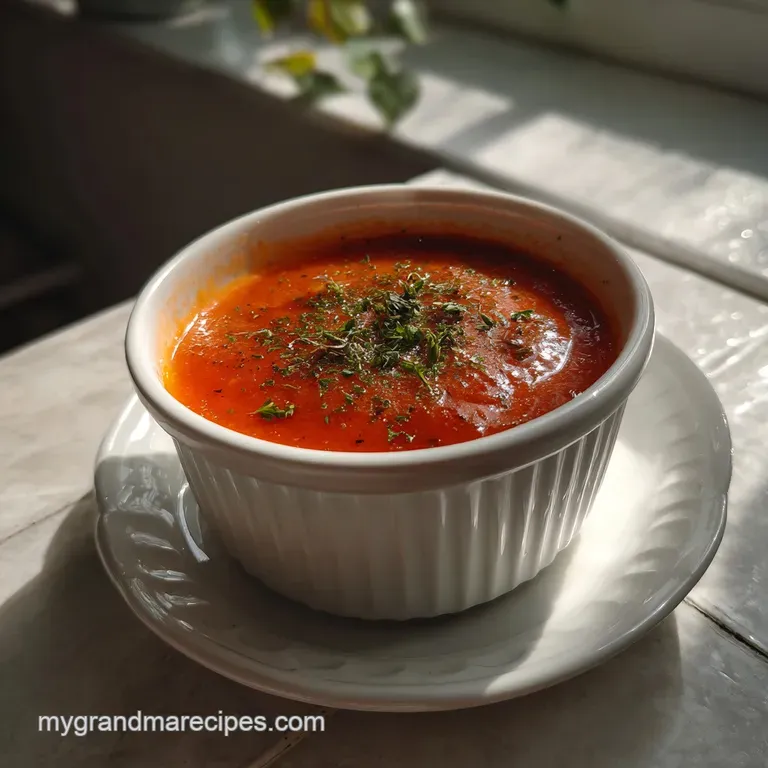
- Time: Active 5 minutes, Passive 15 minutes, Total 20 minutes
- Flavor/Texture Hook: Velvety creaminess with a bright, herbaceous finish
- Perfect for: Quick weeknight comfort or a rainy-day lunch
- Perfect Comfort: The Ultimate Homemade Tomato Soup Recipe
- Essential Recipe Details and Timing
- The Role of Each Element
- Required Tools for Velvety Results
- Choosing the Best Pantry Elements
- Executing the Perfect Simmer
- Preventing Common Soup Failures
- Simple Ingredient Substitutions
- Proportional Adjustments
- Generational Kitchen Truths
- Storage and Zero Waste Tips
- What to Serve Alongside
- Common Soup Making Questions
- Common Questions
- 📝 Recipe Card
What is it about a bowl of red, steaming comfort that feels like a warm hug on a Tuesday? I remember the sizzle of the Le Creuset Dutch oven on my grandma’s stove, the aroma of sautéing onions filling every corner of her cedar walled kitchen.
This isn't the thin, metallic tasting liquid from a red and white tin; this is a rich, full bodied experience that coats the spoon. Learning this homemade tomato soup recipe changed my weeknight dinners forever.
You want a meal that tastes like it simmered all afternoon but only takes twenty minutes of your precious evening. The secret lies in the layering of flavors starting with a sharp aromatic base and ending with a surprising chemical adjustment that removes the harsh "tinny" bite of canned tomatoes.
We are looking for that specific shade of sunset orange and a texture so smooth it feels like liquid silk. This is why our homemade tomato soup recipe relies on precise measurements.
In my home, we pair this with thick slices of sourdough toasted in salted butter until they shatter with every bite. It’s a generational staple I’ve refined through the years, moving from my grandma’s instinctual "pinch of this" to a precise method that guarantees results every time.
Let’s get the pot heating and turn your pantry into a center of culinary excellence by following this homemade tomato soup recipe.
Perfect Comfort: The Ultimate Homemade Tomato Soup Recipe
This method relies on high speed emulsification and acid management to create a professional finish. By focusing on the physics of the soup base, we achieve a stable texture that won't separate. Every successful batch of this homemade tomato soup recipe hinges on these technical details.
- Maillard Enhancement: Sautéing the double concentrated tomato paste (Maillard reaction) deepens the color and develops complex, savory notes that raw tomatoes lack.
- The pH Pivot: Adding a precise amount of baking soda neutralizes excess citric acid, rounding out the flavor without needing cups of added sugar.
- Dairy Stability: Incorporating heavy cream at the very end prevents the proteins from denaturing and clumping, ensuring a velvety mouthfeel.
- Colloid Formation: Using an immersion blender creates a stable suspension of fats and solids, much like the technique in our Chicken and Rice recipe.
Essential Recipe Details and Timing
A successful kitchen flow relies on understanding the sequence of heat application and ingredient integration. This plan ensures you aren't scrambling while the garlic burns when preparing your homemade tomato soup recipe.
| Phase | Duration | Focus |
|---|---|---|
| Prep Flow | 5 minutes | Dicing onions, smashing garlic, opening the 28 oz can. |
| Sauté Flow | 5 minutes | Softening aromatics and blooming the tomato paste. |
| Simmer Flow | 10 minutes | Integrating broth and tomatoes to marry flavors. |
Unlike oven roasting methods which can take 60 minutes and often result in charred, bitter skins, this stovetop method preserves the bright fruitiness of the San Marzanos in just 20 minutes. It's the fastest way to achieve a gourmet homemade tomato soup recipe.
The Role of Each Element
Understanding the chemical function of your ingredients allows you to cook by instinct rather than just following steps. The balance achieved here is key to this specific homemade tomato soup recipe.
| Ingredient | Chemical/Physical Role | The Pro Secret |
|---|---|---|
| Tomato Paste | Concentration of glutamates (umami) | Always "toast" the paste until it turns a dark mahogany color. |
| Baking Soda | pH Buffer / Acid Neutralization | It reacts with the acid to stop the cream from curdling later. |
| Heavy Cream | High fat emulsifier | Provides the "body" and prevents the soup from feeling watery. |
| San Marzano Tomatoes | Lower acidity/fewer seeds | These Italian plums have thicker flesh which creates a naturally thicker soup. |
Required Tools for Velvety Results
Having the right gear prevents technical failures like scorched bottoms or chunky textures. These tools are necessary for creating the signature texture of this homemade tomato soup recipe.
- Lodge Cast Iron Dutch Oven: The heavy bottom ensures even heat distribution, preventing the tomato sugars from burning.
- KitchenAid Immersion Blender: Essential for creating a smooth emulsion without the danger of transferring hot liquids to a standard blender.
- Microplane Grater: Perfect for ensuring the garlic is fine enough to melt into the oil rather than leaving sharp bits.
Choosing the Best Pantry Elements
Select ingredients that provide the most "bang for your buck" in terms of flavor density. Using the right tomatoes is a cornerstone of this successful homemade tomato soup recipe.
- 2 tbsp Extra Virgin Olive Oil: Why this? Provides a fruity fat base that carries fat-soluble aromatic compounds. (Sub: Unsalted butter for a richer, shortbread like undertone).
- 28 oz San Marzano Tomatoes: Why this? Certified D.O.P. tomatoes have the ideal flesh-to-juice ratio for thick soups. (Sub: Standard whole peeled tomatoes + 1 tsp sugar).
- 1/2 cup Heavy Cream: Why this? 36% fat content provides enough stability to resist breaking under heat. (Sub: Full fat coconut milk for a dairy-free, tropical nuance).
- 1/4 tsp Baking Soda: Why this? Chemically reacts with acid to prevent dairy curdling and mellow sharpness. (Sub: Skip if using a high sugar tomato variety).
- 1 medium Yellow Onion: Diced finely to ensure it softens completely during the short sauté.
- 3 cloves Garlic: Smashed and minced to release allicin for a sharp, savory backbone.
- 2 cups Low-Sodium Broth: Vegetable or chicken works; low-sodium allows you to control the final seasoning.
- 2 tbsp Double Concentrated Tomato Paste: Use the tube variety for better storage and more intense flavor.
- 1/2 tsp Dried Oregano: Adds an earthy, Mediterranean floral note.
- 6 Fresh Basil Leaves: Provides a bright, peppery finish that cuts through the fat of the cream.
Executing the Perfect Simmer
Follow these steps exactly to ensure the aromatics don't burn and the emulsion stays tight. These precise steps guarantee the best outcome for this comforting homemade tomato soup recipe.
- Heat the 2 tbsp olive oil in a heavy pot over medium heat until the oil shimmers and moves fluidly.
- Sauté the 150g diced onion for 4 5 minutes until translucent and the edges just start to turn golden.
- Stir in the 3 cloves minced garlic and 2 tbsp tomato paste.
- Cook the paste for 2 minutes until it smells sweet and the color shifts to a deep brick red.
- Pour in the 28 oz can of tomatoes and 2 cups broth.
- Crush the whole tomatoes with a wooden spoon until no pieces larger than a walnut remain.
- Simmer on medium low for 10 minutes until the liquid reduces slightly and the bubbles become thick and lazy.
- Whisk in the 1/4 tsp baking soda; the soup will foam slightly as the acid neutralizes.
- Blend the mixture using an immersion blender until the surface is glossy and no visible chunks remain.
- Swirl in the 1/2 cup heavy cream and 6 torn basil leaves until the soup turns a pale, vibrant orange.
Chef's Note: If you don't have an immersion blender, let the soup cool for 10 minutes before using a standard blender. Never fill a blender more than halfway with hot liquid, or the steam pressure will blow the lid off, causing a kitchen wide "tomato explosion."
Preventing Common Soup Failures
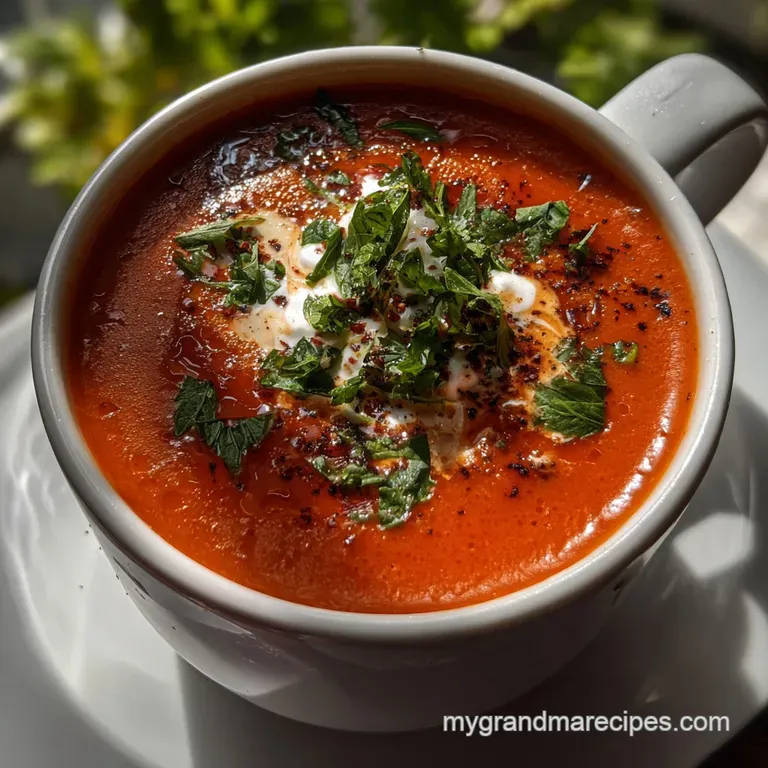
Even simple recipes can go wrong if the science of temperature and acidity isn't respected. Understanding these pitfalls ensures your homemade tomato soup recipe always shines.
Why Your Soup Curdled
When you add dairy to an acidic environment (like tomatoes), the proteins in the milk or cream can denature and clump together. This results in a grainy, unappetizing texture rather than a smooth finish. This is why we use the "buffer" method.
| Problem | Root Cause | The Fix | Pro Protocol |
|---|---|---|---|
| Grainy Texture | Acid induced curdling | Add baking soda before cream | Use room temp cream to reduce thermal shock. |
| Metallic Aftertaste | Low-quality can lining | Longer simmer time | Add a pinch of sugar or use San Marzano variety. |
| Thin/Watery Body | Excess broth | Simmer without a lid | Blend in a peeled, boiled potato for starch thickening. |
Simple Ingredient Substitutions
If you are missing an item, use these physics based swaps to maintain the recipe's integrity. These swaps keep the integrity of the overall homemade tomato soup recipe intact.
| Original Ingredient | Substitute | Why It Works |
|---|---|---|
| Heavy Cream | Cashew Cream | High fat and protein content mimics dairy mouthfeel. |
| Yellow Onion | Shallots | Higher sugar content; provides a more delicate, garlicky aroma. |
| Dried Oregano | Dried Marjoram | Similar herbal profile but slightly sweeter and less medicinal. |
Proportional Adjustments
Scaling this recipe requires attention to the "evaporation paradox." Making a huge batch of this homemade tomato soup recipe requires careful simmering management.
- Scaling Down (1/2 batch): Use a smaller saucepan to prevent the liquid from evaporating too quickly. Reduce simmer time by 3 minutes.
- Scaling Up (2x batch): Do not double the salt immediately. Scale salt to 1.5x, then taste. Large volumes of soup retain more moisture, so you may need to simmer for an extra 5 minutes to reach the desired thickness.
- Spices: When doubling, keep the dried herbs at 1.5x to prevent the flavor from becoming overpowering or "soapy."
Generational Kitchen Truths
Many people believe "fresh is always better" for a homemade tomato soup recipe, but science says otherwise. We believe in optimizing flavor, which this homemade tomato soup recipe achieves better than most fresh versions.
- Myth: You must use fresh tomatoes for the best flavor.
Truth: Fresh grocery store tomatoes are often picked green and lack the sugar content of vine ripened canned tomatoes. Canned San Marzanos are processed at peak ripeness, providing a more consistent and deeper flavor profile.
Myth: Boiling the soup with the cream makes it richer.
- Truth: Boiling dairy can cause the fats to separate and the proteins to tighten. Always stir in cream over low heat at the very end of the process.
Storage and Zero Waste Tips
This soup is a "next day hero" as the flavors continue to marry in the fridge. This delicious homemade tomato soup recipe freezes beautifully, too!
Storage: Keep in an airtight container in the fridge for up to 4 days. For freezing, leave the cream out of the base recipe. Freeze the tomato base for up to 3 months, then add fresh cream when reheating. This prevents the "grainy" texture that occurs when frozen dairy is thawed.
Zero Waste: Don't throw away your basil stems! Tie them with kitchen twine and drop them into the pot during the simmer phase. The stems contain a high concentration of aromatic oils that provide a deep herbal base. Similar to how we use scraps in our Homemade Gravy Recipe, these "trash" items are flavor goldmines.
Transform: If you have a cup of leftover soup, use it as a poaching liquid for white fish or as a base for a rapid vodka sauce by adding a splash of spirits and extra Parmesan cheese.
What to Serve Alongside
To create a balanced meal, you need textures that contrast the softness of the soup. Pairing this homemade tomato soup recipe with the right crunch elevates the entire meal.
- The Classic Crunch: A grilled cheese made with sharp cheddar and gruyere on thick levain bread. The fat in the cheese balances the acidity of the tomatoes.
- The Fresh Pivot: A simple arugula salad with a lemon vinaigrette. The peppery greens and sharp citrus provide a bright counterpoint to the heavy cream in the soup.
- Dipping Standards: Homemade focaccia or garlic bread are excellent for "mopping" the bowl. The porous structure of the bread acts like a sponge for the velvety broth.
Common Soup Making Questions
Can I make this soup vegan? Yes, replace the butter/oil with a neutral plant oil and use full fat coconut milk or a cashew based cream. The fat is essential for the mouthfeel, so do not use thin milks like almond or rice milk, which will make the soup watery.
How do I fix a soup that is too salty? If you’ve over salted, do not add more water. Instead, add a peeled, halved potato and simmer for 10 minutes. The starch will absorb some of the excess sodium.
Alternatively, a splash of heavy cream or a teaspoon of honey can help mask the saltiness through flavor competition.
Why is my soup orange instead of bright red? When you blend air into a tomato and cream mixture, the resulting emulsion reflects light differently, appearing orange. If you want a deeper red, blend the tomatoes before adding the cream, and stir the cream in gently by hand.
This homemade tomato soup recipe is more than just a meal; it’s a masterclass in balancing heat, acid, and fat. By following these steps, you’ll move away from the "tinny" flavor of store-bought versions and into the realm of true culinary comfort.
Whether it's a cold Tennessee winter or just a busy Monday, this bowl will always deliver.
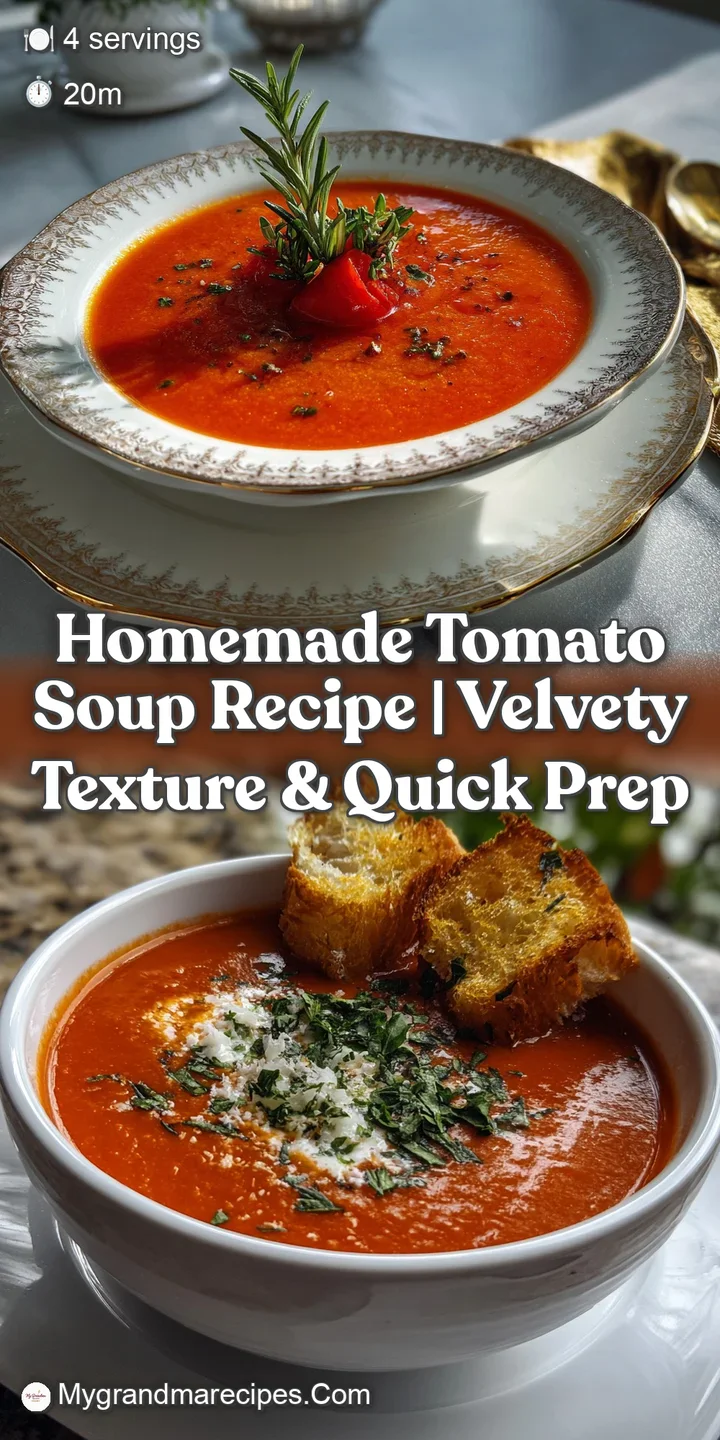
Common Questions
Can I substitute canned tomatoes with fresh ones?
Myth: You must use fresh tomatoes for the best flavor. Reality: Fresh grocery store tomatoes lack sugar concentration; canned San Marzanos are picked at peak ripeness for superior flavor consistency.
What is the secret to the soup’s smooth texture?
Immersion blending creates a stable emulsion. High speed blending suspends fat and solids, preventing separation, much like the technique used for stabilizing dressings.
- Add cream last
- Blend until glossy
- Avoid over whisking after cream addition
Should I use salted or unsalted butter/oil for sautéing?
Unsalted butter for precision control. Salted brands vary widely in sodium content, which complicates the final seasoning balance of the soup. Unsalted lets you adjust salt based on broth and tomato concentration.
Why did my soup curdle after adding the cream?
Acid shock denatures dairy proteins, causing clumps. The high acidity of tomatoes requires a buffer (baking soda) to neutralize the pH before dairy is added.
- Pre-neutralize acid with baking soda
- Ensure the soup is off the high heat
- Use room temperature heavy cream
How long does the tomato paste need to cook?
Two minutes, until it turns brick red. Sautéing the paste catalyzes the Maillard reaction, deepening the savory umami flavor profile immensely. This step prevents the metallic aftertaste common in quick soups.
Is this recipe good for freezing?
Freeze the base without the cream first. Dairy fats can separate and become grainy when frozen and thawed, ruining the velvety texture. If you want to freeze it, omit the cream, then stir it back in when reheating. Mastering texture control here applies to creamy sauces like those found in our Classic Pound Cake Recipe base, where fat incorporation is key.
What is the fastest way to thicken watery soup?
Simmer uncovered or blend in a cooked potato. Simmering allows surface moisture to evaporate, concentrating the flavor. A boiled, starchy potato adds body via starch gelatinization, similar to the thickening agents in our Potato Soup Recipe: Velvety Yukon Golds.
Homemade Tomato Soup Recipe
Ingredients:
Instructions:
Nutrition Facts:
| Calories | 235 kcal |
|---|---|
| Protein | 4g |
| Fat | 18g |
| Carbs | 16g |
| Fiber | 3g |
| Sugar | 9g |
| Sodium | 680mg |
