Beef Chuck Pot Roast

- Total3 Hrs 45 Mins
- Servings8
- Calories588 kcal
- Time: 30 min active + 180 min cooking + 15–20 min rest
- Flavor & Texture: Savory, fork-tender beef with a rich, glossy gravy
- Perfect for: Cozy family dinners or meal prep
Classic Pot Roast for Easy Sundays
Nothing beats the aroma of beef searing in a heavy-bottomed pot. Aim for a dark, deep golden brown crust, as this is where the rich, savory flavors develop. Skipping this step and simply simmering everything together means losing the intensity that only high heat can provide.
This method is straightforward but requires patience. By letting the oven slowly break down a tough cut of beef, the meat eventually becomes tender enough to pull apart with just a fork.
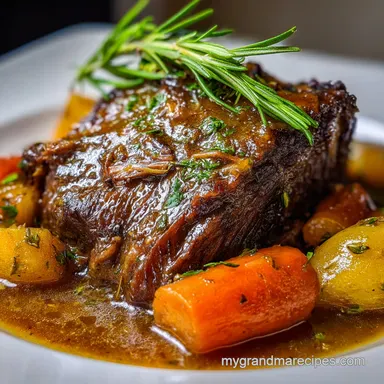
The ultimate goal of this Pot roast is a perfectly balanced meal. The carrots and potatoes absorb the rich beefy broth, making them just as essential as the roast itself. It fills the entire house with a comforting, nostalgic scent.
The Technique Behind It
- Low Heat: Simmering slowly turns tough collagen into silky gelatin. This is what gives the meat that melt-in-your-mouth feel.
- The Browning: Searing the beef first creates a flavorful crust. These browned bits stick to the pot and then dissolve into the sauce.
| Roast Thickness | Temp | Rest Time | Doneness Cue |
|---|---|---|---|
| 2-3 inches | 300°F | 15 mins | Forks slide in easily |
| 4+ inches | 300°F | 20 mins | Internal 205°F |
The key is not rushing the meat. If you crank up the heat to save time, the muscle fibers tighten and the meat becomes rubbery instead of tender.
Recipe Specs
This version focuses on a slow oven braise, which gives you more control than a slow cooker. You get the benefit of a hard sear and a steady, gentle heat.
What You'll Need
| Component | Purpose | Substitute Notes |
|---|---|---|
| Beef Chuck | Main protein | Shoulder roast; similar fat content |
| Beef Broth | Braising liquid | Vegetable broth; lighter flavor |
| Tomato Paste | Color and depth | Tomato sauce; use 3x amount, thinner sauce |
| Yukon Gold | Hearty starch | Red potatoes; hold shape better but less creamy |
- 3 lb beef chuck roast
- 2 tbsp olive oil
- 1 large onion, coarsely chopped
- 4 cloves garlic, minced
- kosher salt, to taste
- cracked black pepper, to taste
- 2 cups low-sodium beef broth
- 1 cup non-alcoholic red wine or grape juice Why this? Adds acidity to cut through the rich fat
- 2 tbsp tomato paste
- 1 tsp dried thyme
- 2 bay leaves
- 1 lb carrots, cut into 2-inch chunks
- 1½ lb Yukon Gold potatoes, quartered
- 1 tbsp fresh parsley, chopped
Equipment Needed
A 6-quart Dutch oven is the best tool for this. You need something with a heavy lid that traps steam and can go from the stove to the oven without a problem.
How to Make It
The Sear Phase
Set your oven to 300°F (150°C). Use paper towels to pat the beef chuck roast dry, then season all sides liberally with salt and pepper. In a 6-quart Dutch oven, heat olive oil over medium-high until it shimmers. Brown the beef for 5–7 minutes per side until it develops a rich, dark crust.
Transfer the meat to a plate.

The Aromatics Phase
Using the same pot, sauté the chopped onion for 3–5 minutes until translucent. Stir in the minced garlic and tomato paste, cooking for another 1–2 minutes until the paste deepens in color and smells nutty. Pour in the non-alcoholic red wine or grape juice, using a wooden spoon to scrape the bottom of the pot to deglazing the browned bits.
The Simmer Phase
Stir in the low-sodium beef broth, dried thyme, and bay leaves. Return the beef and any accumulated juices to the pot. Cover the Dutch oven and bake at 300°F (150°C) for 2 hours.

The Final Touch
Arrange the carrots and potatoes around the beef. Cover and continue cooking for 45–60 minutes until the vegetables are tender and the meat reaches an internal temperature of 205°F (96°C). Discard the bay leaves.
Let the roast rest for 15–20 minutes to retain the juices, then garnish with fresh parsley before serving.

Troubleshooting Guide
Meat Still Tough
If the beef doesn't shred easily, it hasn't reached the temperature where the collagen breaks down. This pot roast easy method relies on time, so put it back in the oven for another 30–60 minutes.
Gravy Too Thin
If the liquid is too watery, remove the meat and vegetables. Simmer the sauce on the stove over medium-high heat for 10 minutes to reduce it until it coats the back of a spoon.
Vegetables Mushy
Adding root vegetables too early causes them to disintegrate. Only add the carrots and potatoes for the final hour of cooking to keep them intact.
Perfect Complements

I recommend pairing this with some crusty bread to mop up every bit of the sauce. Since potatoes and carrots are already included, you don't need many additional sides. A fresh garden salad with a zesty dressing is great for cutting through the richness of the beef.
Storage and Reheating
Store leftovers in a container in the fridge for up to 4 days. The gravy will thicken as it cools, which is normal. This pot roast also freezes well. Freeze the beef and gravy together for up to 3 months, but I recommend freezing the vegetables separately since they can get grainy in the freezer.
To reheat, use the stovetop over low heat until the beef reaches 165°F (74°C) in the thickest part. Add a splash of beef broth to loosen the sauce. Avoid the microwave because it can make the beef rubbery.
When reheating cooked leftovers, check with a food thermometer that the centre reaches 165°F (74°C); the appliance temperature and time alone do not confirm this.
Creative Twists and Swaps
If you prefer a different cooking vessel, you can adapt the method. For a pot roast slow cooker version, sear the meat in a pan first, then cook on low for 8 hours. For a pot roast instant pot version, use the sauté function for browning and pressure cook for 60-90 minutes depending on the cut.
| Method | Total Time | Texture | Best For |
|---|---|---|---|
| Dutch Oven | 3.75 hours | Rich & Concentrated | Weekend meals |
| Slow Cooker | 8-10 hours | Very Soft | Set and forget |
| Pressure Cooker | 2 hours | Tender | Weeknight dinner |
For a bit of heat, try serving the carrots with a side of Roasted Hatch Chile Sauce. The acidity and spice cut through the fat of the beef beautifully.
Root Vegetable Medley
Swap the carrots for parsnips or turnips for a more earthy, wintery flavor. Just make sure they are cut into similar 2-inch chunks so they cook at the same rate.
Garlic-Herb Butter Finish
For extra richness, put a small knob of garlic butter on top of each slice of beef right before it hits the plate. It melts into the meat and adds a glossy finish.
Common Misconceptions
Browning meat doesn't actually "lock in juices." You do lose a little moisture during the process, but the gain in flavor is well worth the trade-off. Searing creates a rich, complex taste that simmering alone simply cannot match.
Recipe FAQs
Which cut of beef is best for a pot roast?
Beef chuck roast is the ideal choice. Its high connective tissue breaks down during the long braising process, resulting in tender, juicy meat.
Does cooking pot roast on high make it tough?
Yes, high heat often leads to toughness. Low and slow cooking at 300°F allows collagen to melt, while high temperatures cause muscle fibers to tighten and dry out.
How many minutes do you cook a pot roast?
Bake for 165 to 180 minutes total. The meat cooks for 120 minutes alone, followed by 45 to 60 minutes once the vegetables are added.
What is the difference between roast beef and pot roast?
Pot roast is braised in liquid, while roast beef is typically dry-roasted. This difference in technique allows tougher cuts to become tender. This savory dish pairs well with a tart cranberry sauce.
Pot Roast
Ingredients:
Instructions:
More to Cook

Creamy Pesto Ravioli with Pasta Water Sauce
Master Creamy Pesto Ravioli with a simple emulsification technique.

Chicken Sauce: Quick & Savory Glaze
Master the best Chicken Sauce with this quick, velvete-savory glaze using coconut aminos.

Roasted Hatch Chile Sauce
Includes a guide on making the sauce for a smoky finish. This Roasted Hatch Chile Sauce is for home…

Cranberry Sauce Recipe
Master this cranberry sauce recipe with our easy homemade guide.
