Homemade Chicken Patties: Golden and Tender
- Time: Active 15 minutes, Passive 10 minutes, Total 25 minutes
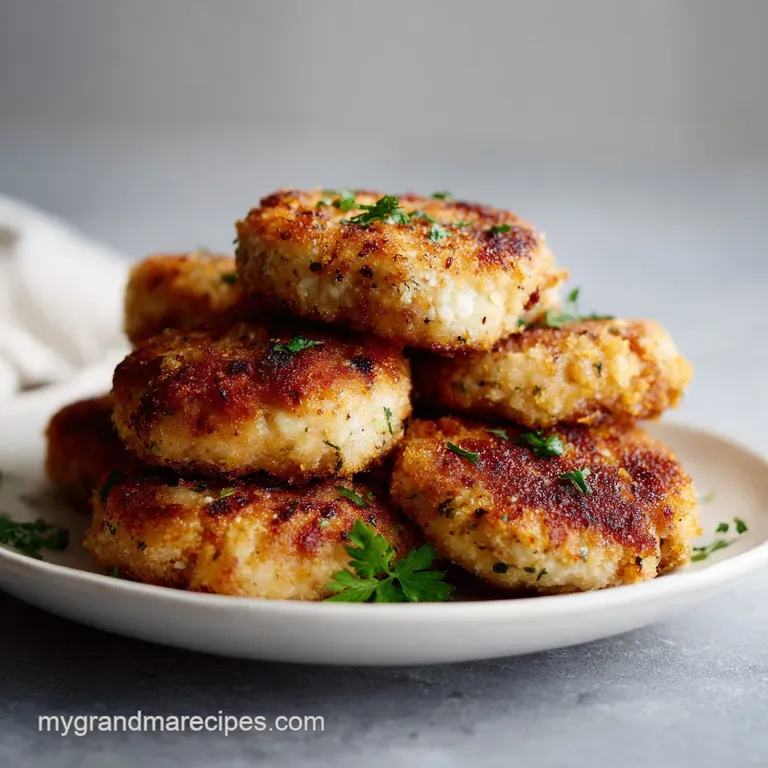
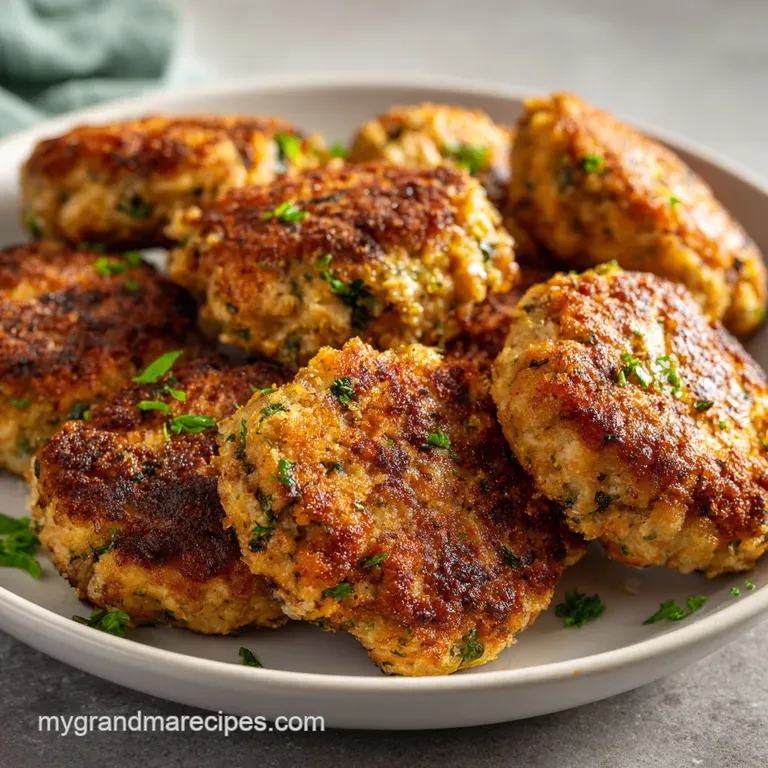
- Flavor/Texture Hook: Shattering golden crust with a velvety, herb infused center
- Perfect for: Busy weeknight dinners, high protein meal prep, or family backyard gatherings
- Golden Brown Crispy Homemade Chicken Patties
- Texture Secrets for Juicy Results
- Component Analysis and Pro Secrets
- Essential Ingredients for Homemade Chicken Patties
- Simple Tools for Perfect Chicken Patties
- Mastering Every Step of Chicken Patties
- Expert Advice for Better Chicken Patties
- Adjusting the Batch Size
- Global Variations and Flavor Ideas
- Storing and Reviving Your Chicken Patties
- Best Sides for Serving Chicken Patties
- Recipe FAQs
- 📝 Recipe Card
Golden Brown Crispy Homemade Chicken Patties
Imagine a Sunday afternoon in a humid Tennessee kitchen, the screen door slightly ajar to catch a breeze that never quite comes. My grandmother would stand over her heavy, pitch black cast iron skillet, her movements practiced and slow. She didn't use fancy gadgets or electric choppers.
She just had a bowl, a fork, and an instinct for when the oil was exactly hot enough to make the meat sing. When those first discs hit the pan, the sound wasn't just a noise, it was an announcement that dinner was coming, and it was going to be good.
The smell of minced garlic hitting hot olive oil mixed with the fresh, earthy scent of chopped parsley is something that sticks with you. Most folks think of poultry as dry or boring, a cardboard like substitute for a real burger. But in grandma's kitchen, these were the star of the show.
We’d wait for that specific moment when the edges turned a deep, honeyed brown, knowing that the first bite would offer a crunch so sharp it felt like breaking glass, followed immediately by juices that made you reach for a napkin.
We aren't making fast food pucks here. This recipe is about respect for the ingredients and the patience to let the heat do its work. It's a method passed down through generations, relying on the simple science of moisture retention and a heavy bottomed pan.
Whether you're serving these on a toasted bun or alongside a pile of mashed potatoes, they represent the kind of honest, old-fashioned comfort food that fills the belly and the heart at the same time.
Texture Secrets for Juicy Results
Moisture Retention: The beaten egg and panko breadcrumbs create a structural matrix that traps natural juices inside the meat during the over high heat sear.
Temperature Control: Using a chilled bowl and cold ground chicken prevents the fats from melting prematurely, ensuring the fat stays suspended within the protein for a velvety mouthfeel.
Steam Prevention: Creating a small thumbprint indentation in the center of each disc allows the meat to expand evenly without doming, which ensures the entire surface maintains contact with the pan for a uniform shatter crisp crust.
| Thickness | Internal Temp | Rest Time | Visual Cue |
|---|---|---|---|
| 1/2 inch | 165°F (74°C) | 3 minutes | Edges turn opaque and golden |
| 3/4 inch | 165°F (74°C) | 5 minutes | Center feels firm to a light touch |
| 1 inch | 165°F (74°C) | 6 minutes | Juices run clear when pierced |
Getting the thickness right is the difference between a juicy dinner and a rubbery mess. If you go too thin, they dry out before the crust forms. If you go too thick, you'll burn the outside before the middle is safe to eat. Stick to that half inch rule for the best balance of speed and moisture.
Component Analysis and Pro Secrets
| Ingredient | Science Role | Pro Secret |
|---|---|---|
| Ground Chicken | Primary Protein | Use a mix of 70% breast and 30% thigh for the best fat balance. |
| Panko Breadcrumbs | Textural Contrast | These large flakes create air pockets that lead to a lighter, less dense patty. |
| Large Egg | Binding Agent | Whisk the egg until no streaks remain before adding to the meat to ensure even distribution. |
| Fresh Parsley | Flavor Brightener | Finely chop the stems too - they hold more flavor and provide a subtle crunch. |
The science here is simple. Ground poultry is much leaner than beef, so it needs help. The panko doesn't just "fill" the meat; it acts as a series of tiny sponges. As the chicken proteins tighten up under heat, they squeeze out moisture.
The panko catches that moisture, keeping it inside the patty instead of letting it evaporate into the pan. This is why we never skip the breadcrumbs.
Essential Ingredients for Homemade Chicken Patties
- 1 lb Ground Chicken: A mix of breast and thigh is best. Why this? Provides enough fat for moisture without being overly greasy or heavy.
- 1 Large Egg: Beaten well. Why this? Acts as the glue that keeps your protein from crumbling in the pan.
- 1/2 cup Panko Breadcrumbs: Use unseasoned ones. Why this? Creates a lighter, crispier texture than standard fine breadcrumbs.
- 2 cloves Garlic: Freshly minced. Why this? Provides a sharp, aromatic backbone that balances the mild poultry flavor.
- 1 tbsp Fresh Parsley: Finely chopped. Why this? Adds a necessary grassy brightness to cut through the savory fats.
- 1 tsp Kosher Salt: Coarse grain is better. Why this? Enhances every other flavor without making the dish taste "salty."
- 1/2 tsp Cracked Black Pepper: Freshly cracked. Why this? Adds a subtle heat and floral note that pre ground pepper lacks.
- 1/2 tsp Onion Powder: high-quality. Why this? Distributes savory onion flavor evenly without adding extra moisture from fresh onions.
- 2 tbsp Olive Oil: For the pan. Why this? Has a high enough smoke point for a good sear and adds a fruity finish.
Substitution Options
| Original Ingredient | Substitute | Why It Works |
|---|---|---|
| Panko Breadcrumbs | Crushed Crackers | Similar dry texture. Note: Adds more salt, so reduce added kosher salt. |
| Ground Chicken | Ground Turkey | Very similar lean protein profile and cooking time. |
| Fresh Parsley | Dried Oregano | Provides an earthy, Mediterranean vibe. Use 1/3 of the amount. |
If you find yourself out of panko, don't panic. You can use old bread toasted and pulsed in a blender, but the texture will be denser. Honestly, don't even bother with low-fat versions of the meat. You need that little bit of fat to keep things from tasting like sawdust.
Simple Tools for Perfect Chicken Patties
You don't need a kitchen full of gadgets to make a meal that tastes like home. My favorite tool for this is a heavy bottomed skillet, preferably cast iron or stainless steel. These materials hold heat better than thin aluminum pans, which means your oil stays at a consistent temperature even when you drop cold meat into it.
If the temperature dips too much, the meat will steam instead of sear, and you'll lose that beautiful golden crust.
2 Must Have Tools
- A Large Chilled Bowl: Mixing the meat in a cold bowl keeps the fat from softening. If the fat gets too warm before it hits the pan, it will leak out, leaving you with a dry result.
- A Digital Meat Thermometer: This is non negotiable for poultry. Since you can't see the inside, a thermometer ensures you hit that 165°F mark exactly without overcooking it by even a minute.
Mastering Every Step of Chicken Patties
- Place your ground chicken, beaten egg, panko, minced garlic, parsley, salt, pepper, and onion powder in a large chilled bowl. Note: Keeping the bowl cold prevents the fat from emulsifying too early.
- Using a fork, gently fold the ingredients together until just combined. Stop as soon as the streaks of egg disappear. Overmixing leads to a tough, rubbery texture that we definitely want to avoid.
- Divide the mixture into 8 equal portions. It helps to weigh them if you want absolute consistency, but eyeing it works fine in a busy kitchen.
- Lightly oil your hands with a drop of olive oil. Shape each portion into a 1/2 inch thick disc, handling the meat as little as possible.
- Use your thumb to create a slight indentation in the center of each disc. This prevents the patties from puffing up into a dome shape while they cook.
- Heat 2 tablespoons of olive oil in your skillet over medium high heat. Wait until the oil shimmers and barely begins to wisps smoke.
- Place the patties in the pan, leaving at least an inch of space between them. You might need to work in batches if your pan is smaller.
- Sear for 4 to 5 minutes on the first side. Resist the urge to move them; the meat needs time to develop a crust so it releases naturally from the pan.
- Flip the patties gently using a thin spatula. Cook for another 4 to 5 minutes on the second side.
- Check the internal temperature. Once it reaches 165°F (74°C), remove them immediately from the pan to prevent carryover cooking from drying them out. Serve while the crust is still at its peak crispness.
Expert Advice for Better Chicken Patties
When you're working with ground poultry, the biggest hurdle is usually the stickiness. If you find the meat is clinging to your fingers, don't add more breadcrumbs! That will only make the final result dry. Instead, keep a small bowl of cold water or a bit of olive oil nearby.
Wetting your hands slightly creates a barrier that lets you shape the discs perfectly without the mess.
Preventing Dry or Rubbery Meat
The "fork method" is a trick I learned from a chef friend who specialized in high end burgers. Using a fork instead of your hands to mix the meat prevents the heat from your palms from melting the fat. It also keeps the mixture airy.
If you squeeze the meat through your fingers like you're kneading dough, you're crushing those tiny air pockets that hold the juices. Keep it light, keep it fast, and your texture will be velvety every time.
Troubleshooting Your Cook
| Problem | Root Cause | Solution |
|---|---|---|
| Patties falling apart | Too much moisture or poor binding | Ensure the egg is large and whisked well; don't skip the panko. |
| Burnt outside, raw inside | Heat is too high | Lower heat to medium and use a heavier pan for even distribution. |
| Meat is tough and dry | Overmixing the batter | Use a fork to mix and stop as soon as ingredients are incorporated. |
Common Mistakes Checklist
- ✓ Never use a warm bowl; chill it in the fridge for 10 minutes first.
- ✓ Don't skip the thumbprint; it's the only way to get a flat, even sear.
- ✓ Avoid crowding the pan; work in batches to keep the oil temperature high.
- ✓ Stop cooking at exactly 165°F; every degree higher is lost moisture.
- ✓ Let the meat rest for 3 minutes after cooking to allow juices to redistribute.
Adjusting the Batch Size
If you're cooking for a larger crowd, scaling this recipe is quite straightforward, but there are a few things to watch out for. When doubling the batch to 2 lbs of chicken, don't just double every single spice.
For things like salt and pepper, I usually go 1.5x the amount first, then taste a tiny bit of the cooked meat to see if it needs more. Liquids should also be handled carefully; start with 10% less than a full double up to ensure the mixture doesn't become too wet to handle.
If you're cutting the recipe in half for a solo dinner, the egg can be tricky. Beat one large egg in a small cup, then use exactly half of it. You can save the other half for a quick scramble the next morning.
When cooking smaller batches, remember that the pan will have more "empty" oil space, which can lead to the oil burning faster. Keep a close eye on the heat levels.
Global Variations and Flavor Ideas
1. Chicken Patties Indian Style
To give these an aromatic, spicy kick, swap the parsley for fresh cilantro and add a teaspoon of garam masala and a pinch of turmeric to the mix. You can also finely mince a green chili for some real heat. These pair beautifully with a cooling yogurt raita. If you enjoy these bold flavors, you might also want to try this Turkish Chicken Soup for a different take on spiced poultry.
2. Healthy Oven Baked Option
If you're looking for a protein packed chicken patties version without the frying oil, you can bake these. Set your oven to 400°F (200°C) and place the discs on a parchment lined baking sheet.
Spritz them lightly with oil and bake for about 15 to 18 minutes, flipping halfway through. You won't get the same shattering crust as the stovetop method, but they stay incredibly juicy.
| Method | Time | Texture | Best For |
|---|---|---|---|
| Stovetop | 10 minutes | Extreme crunch, deep browning | Traditional burger experience |
| Oven Baked | 18 minutes | Soft, tender, consistent | Large batch meal prep |
| Air Fryer | 12 minutes | Very crispy, less oil | Quick individual meals |
Storing and Reviving Your Chicken Patties
These keep remarkably well in the fridge for up to 3 to 4 days. The key is to let them cool completely on a wire rack before putting them in a container. If you put them in while they are still warm, the steam will get trapped and turn that beautiful crust into a soggy mess.
For zero waste, if you have just one or two left over, crumble them up and toss them into a salad or a quick pasta sauce the next day.
Freezing Guidelines
You can freeze these either raw or cooked. If freezing raw, place the shaped discs on a baking sheet and freeze for an hour until firm, then stack them with parchment paper in between. They'll last about 3 months.
To reheat cooked patties, I recommend using the oven or a toaster oven at 350°F (180°C) until they are warmed through. Avoid the microwave if you want to keep any semblance of that crispy exterior.
Best Sides for Serving Chicken Patties
When it comes to serving, these are incredibly versatile. In my house, we often serve them on a toasted brioche bun with a thick slice of tomato and some crisp lettuce. If you're going for a more "dinner plate" feel, they are incredible alongside roasted root vegetables or a bright slaw.
A little bit of acidity helps balance the savory garlic and onion flavors perfectly.
For a real comfort meal, I often serve these with a side of gravy. If you want something truly decadent, you can whip up a batch of this savory chicken sauce to drizzle over the top. It adds a layer of richness that turns a simple patty into a restaurant quality meal.
Myth: Searing "Seals In" the Juices
It’s a common old wives' tale that searing meat at high heat creates a waterproof barrier that locks in juices. In reality, the high heat actually causes the surface of the meat to dry out and the proteins to tighten, which pushes moisture out.
The reason we sear is purely for the flavor and texture of the crust the Maillard reaction. To keep the meat juicy, you rely on the panade (the breadcrumbs and egg) and not overcooking the protein.
Myth: Ground Chicken is Always Lean
Many people assume ground chicken is a low-fat health food across the board. However, it depends entirely on the ratio of white to dark meat used. If you buy "Ground Chicken Breast," it is indeed very lean and can dry out in seconds.
Standard "Ground Chicken" often contains skin and dark meat, which provides the fat needed for flavor. Always check the label so you know how much fat you're working with before you start seasoning.

Recipe FAQs
Are chicken patties healthy?
Yes, they can be a nutritious choice. By using a mix of ground breast and thigh meat, you get a lean protein source that fits into a balanced diet at 295 kcal per serving.
What is the best binder for chicken patties?
Use a combination of a large beaten egg and panko breadcrumbs. This duo ensures the patty holds its shape during the 4 5 minute sear per side without becoming overly dense.
Are three ingredient canned chicken patties healthy?
No, avoid relying on canned alternatives. Freshly prepared patties using ground chicken, panko, and egg provide superior control over sodium levels and texture compared to processed canned versions.
What is the secret to juicy chicken patties?
Avoid overmixing the meat. Use a fork to gently fold the ingredients until just combined; if you enjoyed mastering this technique of mixing just enough to keep proteins tender, you will appreciate applying similar control to our Chicken Broccoli and Mushroom Stir Fry.
How to prevent patties from doming in the center?
Press a slight indentation into the center of each raw patty with your thumb. This simple shape adjustment keeps the patty flat as it cooks, ensuring even contact with the skillet.
How to fix patties that are falling apart?
Ensure your egg is well whisked and the panko is fully incorporated. If the mixture feels too wet, the moisture is likely overwhelming the binders, causing the patties to break when flipped.
How to avoid a soggy crust after storage?
Cool the patties completely on a wire rack before refrigerating. Storing them while warm traps steam, which softens the crust you worked hard to sear at medium high heat.
Homemade Chicken Patties
Ingredients:
Instructions:
Nutrition Facts:
| Calories | 295 kcal |
|---|---|
| Protein | 22.8 g |
| Fat | 19.5 g |
| Carbs | 5.6 g |
| Fiber | 0.4 g |
| Sugar | 0.5 g |
| Sodium | 612 mg |
