Cookbook of the Month Pasta with Chickpeas and Garlic
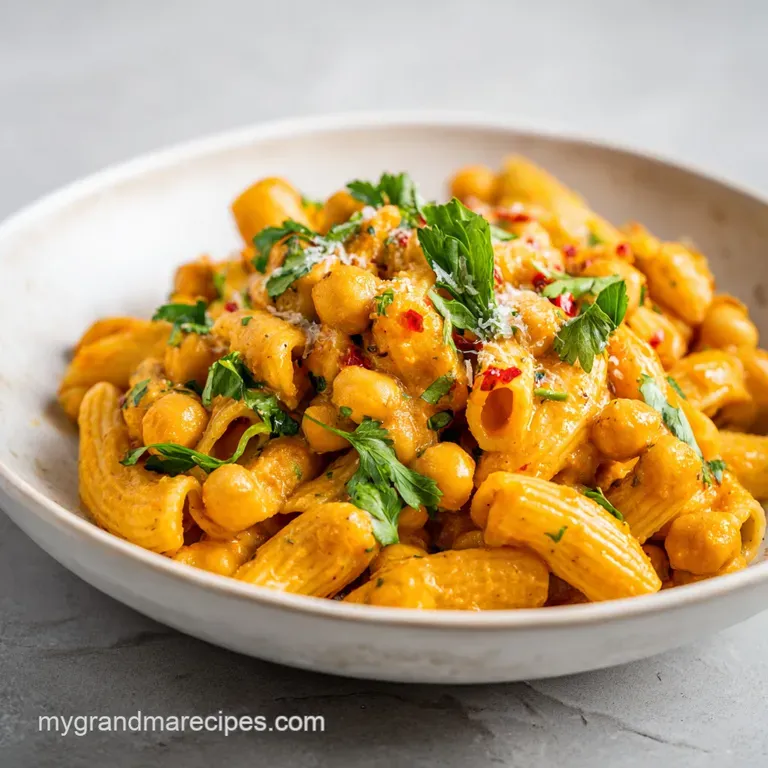
- Time: Active 10 minutes, Passive 20 minutes, Total 30 minutes
- Flavor/Texture Hook: Nutty, velvety sauce with crispy garlic accents
- Perfect for: Busy weeknights, budget-friendly meal prep, or beginner cooks
- Savor the Rustic Comfort of this Cookbook of the Month Recipe for Pasta with Chickpeas and Garlic
- The Science of Starch and Lipid Emulsification
- Component Analysis of Pantry Staples for Maximum Flavor
- Selecting the Best Pantry Elements for a Rich Sauce
- Minimalist Kitchen Tools for a One Pot Italian Masterpiece
- Mastering the Sequence for a Velvety One Pot Finish
- Avoiding Common Pitfalls for the Creamiest Chickpea Pasta
- Adapting the Flavors to Suit Every Dietary Need
- Preservation Secrets and Zero Waste Tips
- Traditional Finishing Touches for a Generational Family Meal
- High in Sodium ⚠️
- Recipe FAQs
- 📝 Recipe Card
Savor the Rustic Comfort of this Cookbook of the Month Recipe for Pasta with Chickpeas and Garlic
Close your eyes and imagine the sound of six cloves of garlic hitting warm, shimmering olive oil. It isn’t a violent pop; it’s a gentle, rhythmic sizzle that slowly fills your kitchen with an aroma so savory it practically feels like a hug.
This Cookbook of the Month Recipe for Pasta with Chickpeas and Garlic delivers a standout, comforting dish that reminds me so much of my grandma’s kitchen back in Tennessee. She didn't have fancy gadgets or imported oils, but she knew exactly how to make a humble can of beans taste like a feast fit for royalty.
Whenever the weather turns a bit chilly or the week feels particularly long, I find myself reaching for my heavy bottomed pot to start this recipe. It’s one of those rare dishes where the ingredients are likely already sitting in your pantry, waiting to be transformed.
We aren't just boiling noodles and tossing them with beans here; we are building layers of flavor starting with a fragrant oil base that carries the essence of rosemary and red pepper throughout every single bite.
I’ve made the mistake of rushing this process before, and let me tell you, it's worth the extra few minutes to let that garlic get golden. There is a specific point where the garlic turns the color of a haystack at sunset that’s when the magic happens.
If you go too dark, it gets bitter; too light, and you miss that nutty depth. Stick with me, and I’ll show you exactly how to hit that sweet spot every time.
The Science of Starch and Lipid Emulsification
- Starch Suspension: As the ditalini cooks directly in the vegetable broth, it releases amylopectin molecules that thicken the liquid into a silky glaze.
- Lipid Integration: The extra virgin olive oil binds with the starch heavy broth, creating a stable emulsion that coats the pasta without feeling greasy.
- Maillard Reaction: Searing the tomato paste for 60 seconds transforms raw acidity into a complex, savory sweetness through caramelization.
- Fiber Breakdown: Simmering the chickpeas softens their outer skins, allowing a portion of the interior starch to merge with the surrounding sauce for a creamier mouthfeel.
Essential Serving Guide for Family Gatherings
| Servings | Pasta Quantity | Liquid Required | Pot Size |
|---|---|---|---|
| 2 People | 4 oz | 2 cups | 2 quart saucepan |
| 4 People | 8 oz | 4 cups | 4 quart Dutch oven |
| 8 People | 16 oz | 7.5 cups | 6 quart stockpot |
When you are feeding a larger crowd, remember that the pasta continues to soak up liquid even after you turn off the heat. If you are doubling the recipe for eight people, keep a little extra warm broth on the side. This prevents the dish from turning into a block of noodles before it hits the table.
Component Analysis of Pantry Staples for Maximum Flavor
| Ingredient | Science Role | Pro Secret |
|---|---|---|
| Extra Virgin Olive Oil | Flavor Carrier | Use the good stuff; it’s the primary fat source for the entire sauce. |
| Ditalini Pasta | Surface Area Provider | The small "thimble" shape traps chickpeas and sauce inside the noodle. |
| Chickpeas (Canned) | Structural Creaminess | Mashing a handful of these provides the "cream" without using dairy. |
| Tomato Paste | Umami Foundation | Toast it until it turns a deep brick red to unlock hidden savory notes. |
Success in a minimal tool kitchen starts with understanding how these simple items behave under heat. For instance, the rosemary isn't just there for looks; the heat of the oil draws out fat soluble essential oils that would stay trapped if you just threw the herb into boiling water.
Selecting the Best Pantry Elements for a Rich Sauce
- 1/3 cup extra virgin olive oil: Why this? Provides the velvety mouthfeel and carries the garlic flavor throughout the dish. (Sub: Avocado oil, though it lacks the peppery finish).
- 6 cloves garlic, thinly sliced: Why this? Slicing instead of mincing prevents burning and offers sweet, nutty bites. (Sub: 1.5 tsp garlic powder added to the broth, but fresh is vastly superior).
- 1 tsp red pepper flakes: Why this? Adds a gentle back of-the throat warmth that cuts through the starch. (Sub: 1/2 tsp cayenne pepper).
- 2 sprigs fresh rosemary, whole: Why this? Infuses the oil with an earthy, piney aroma without leaving needles in the sauce. (Sub: 1 tsp dried rosemary tied in cheesecloth).
- 2 tbsp tomato paste: Why this? Provides a concentrated savory base and gives the sauce a golden hue. (Sub: 1/4 cup tomato puree, reduced longer).
- 2 cans (15 oz each) chickpeas, drained and rinsed: Why this? The hearty protein source that creates the "ceci" tradition. (Sub: Cannellini beans for a softer texture).
- 8 oz ditalini pasta: Why this? The classic shape for this dish; it cooks evenly with the beans. (Sub: Elbow macaroni or small shells).
- 4 cups vegetable broth, low sodium: Why this? The cooking medium that transforms into the sauce. (Sub: Chicken broth or water with bouillon).
- 1 tsp sea salt: Why this? Enhances every other flavor; adjust based on broth saltiness. (Sub: Table salt, use slightly less).
- 1 tbsp fresh lemon juice: Why this? The "acid zip" that wakes up the heavy starches right before serving. (Sub: 1/2 tbsp white wine vinegar).
- 1/4 cup fresh flat leaf parsley, chopped: Why this? Adds a burst of green freshness and clean herbal notes. (Sub: Fresh cilantro or extra rosemary).
Chef's Tip: Freeze your tomato paste in tablespoon sized dollops on a parchment lined tray. Once frozen, pop them into a bag. You’ll never waste half a can of paste again, and they can go straight into the hot pan!
Minimalist Kitchen Tools for a One Pot Italian Masterpiece
You don't need a kitchen full of gadgets to make this Cookbook of the Month Recipe for Pasta with Chickpeas and Garlic. In fact, my grandma used to say that the more dishes you use, the less time you have to actually enjoy the food.
All you really need is a heavy bottomed pot think a Dutch oven or a deep stainless steel skillet. The heavy base is crucial because it distributes heat evenly, preventing those garlic slices from scorching in one spot while staying raw in another.
A sturdy wooden spoon is your best friend here. You'll use it to scrape up the "fond" those little brown bits of tomato paste and garlic that stick to the bottom of the pot. That’s where the soul of the flavor lives!
Finally,, a simple fork or a potato masher is needed for just about ten seconds to crush a few chickpeas. No food processor, no blender, no fuss.
Fresh vs. Shortcut Preparation
| Element | Fresh/Traditional Method | Shortcut Method | Impact on Final Dish |
|---|---|---|---|
| Chickpeas | Dried beans soaked overnight | Canned beans rinsed well | Canned is faster; fresh has a firmer bite. |
| Garlic | Hand sliced into paper thin rounds | Pre minced from a jar | Fresh slices become sweet; jarred can taste "tinny." |
| Broth | Homemade vegetable stock | Boxed low sodium broth | Boxed is convenient; homemade adds more gelatinous body. |
Mastering the Sequence for a Velvety One Pot Finish
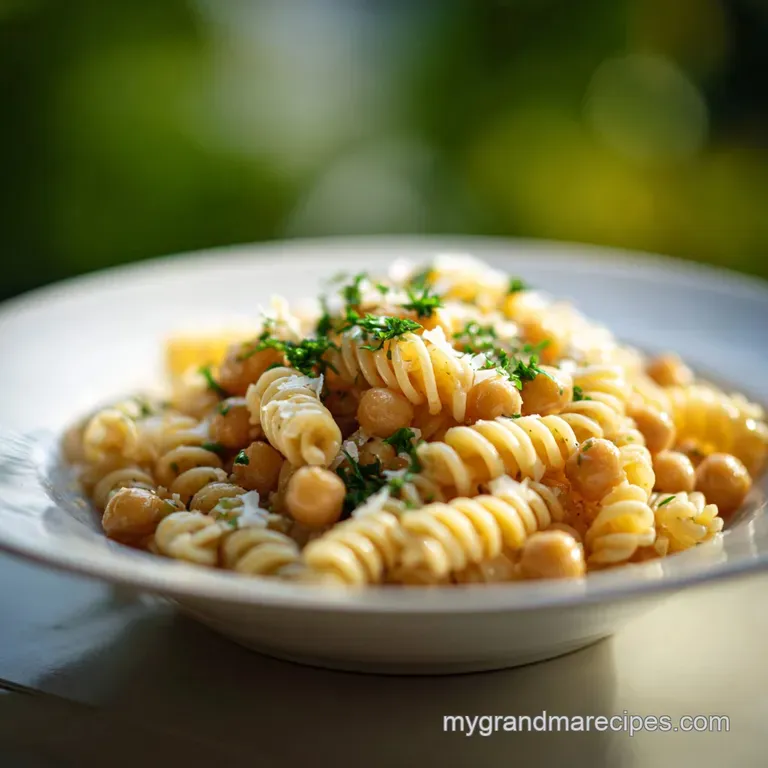
- Warm the oil: Place your pot over medium low heat and add the 1/3 cup extra virgin olive oil.
- Infuse aromatics: Add the 6 cloves of sliced garlic, 1 tsp red pepper flakes, and 2 sprigs of rosemary. Cook until the garlic is golden and fragrant, about 3 to 5 minutes. Note: Watch it closely; garlic can turn from golden to burnt in seconds.
- Caramelize the base: Stir in the 2 tbsp tomato paste. Cook for 1 minute until it darkens to a brick red, stirring constantly to prevent sticking.
- Incorporate the beans: Add both cans of drained chickpeas and the 1 tsp sea salt. Stir to coat them in the flavored oil.
- Build the sauce foundation: Pour in the 4 cups of vegetable broth. Increase the heat to medium high and bring the liquid to a rolling boil.
- Create the creaminess: Use a fork to mash roughly 1/4 cup of the chickpeas against the side of the pot. Note: This releases starch that thickens the broth into a velvety sauce.
- Cook the pasta: Add the 8 oz of ditalini pasta to the boiling liquid.
- Simmer and stir: Reduce heat to medium. Cook for 10 to 12 minutes until the pasta is al dente and the liquid has reduced to a thick, glossy sauce.
- The final brighten: Remove the rosemary sprigs. Stir in the 1 tbsp of lemon juice and the 1/4 cup of chopped parsley.
- Rest and serve: Let the pot sit for 2 minutes off the heat. This allows the sauce to fully "set" and adhere to the noodles.
Avoiding Common Pitfalls for the Creamiest Chickpea Pasta
The Dreaded Bitter Aftertaste
This usually happens because the garlic was cooked over too high a heat. Garlic contains natural sugars that caramelize beautifully, but if they reach the smoking point, they turn acrid. Always start your garlic in a cold or lukewarm pan and let the temperature rise slowly.
Too Much Liquid or a Soupy Result
If your timer goes off and the pasta is soft but there's still a lot of broth, don't panic. Turn the heat up to high for 2 minutes and stir vigorously. The movement of the pasta releases even more starch, which acts as a natural thickener, and the high heat will evaporate the excess water quickly.
| Problem | Root Cause | Solution |
|---|---|---|
| Pasta is sticking to the bottom | Not enough stirring | Stir every 2 minutes to keep starch from settling. |
| Sauce is bland | Lack of salt or acid | Add a pinch of salt and an extra squeeze of lemon. |
| Garlic is burnt | Heat was too high | Start over; burnt garlic ruins the entire oil base. |
Common Mistakes Checklist
- ✓ Never skip rinsing the canned chickpeas; the liquid in the can (aquafaba) can sometimes add a metallic taste you don't want here.
- ✓ Don't walk away while the garlic is browning. It requires your full attention for those three minutes.
- ✓ Use low sodium broth so you can control the salt levels yourself. You can always add salt, but you can't take it away!
- ✓ Avoid overcooking the pasta in the pot; remember it will continue to soften as it sits in the hot sauce.
- ✓ Make sure to remove the rosemary woody stems before serving so no one gets a mouthful of twigs.
Adapting the Flavors to Suit Every Dietary Need
One of the things I love most about this Cookbook of the Month Recipe for Pasta with Chickpeas and Garlic is how flexible it is. If you want a bit more of a kick, you can stir in a spoonful of harissa paste at the same time you add the tomato paste. It adds a smoky, North African depth that pairs perfectly with the chickpeas. If you’re looking for a similar texture with a different flavor profile, you might enjoy the velvety broth found in a Pasta e Fagioli Recipe, which uses beans in a very similar, comforting way.
For a gluten-free version, simply swap the ditalini for your favorite sturdy gluten-free small pasta shape. Just be aware that gluten-free pasta often releases less starch, so you might need to mash a few more chickpeas than usual to get that same creamy consistency.
If you want to sneak in some greens, a few handfuls of baby spinach stirred in at the very end will wilt perfectly in the residual heat.
Decision Shortcut for Texture and Flavor
- If you want a thicker, stew like consistency, mash half the chickpeas instead of just a handful.
- If you want a lighter, more soup like dish, add an extra cup of broth and don't mash any beans.
- If you want a smoky flavor, add 1/2 tsp of smoked paprika along with the red pepper flakes.
Preservation Secrets and Zero Waste Tips
This pasta stores surprisingly well, though the noodles will continue to drink up the sauce as they sit in the fridge. I actually think the flavors meld and improve by the next day! You can keep it in an airtight container in the refrigerator for up to 4 days.
When you’re ready to reheat, add a splash of water or broth to the bowl before microwaving or heating on the stove to loosen the sauce back up to its original velvety glory.
For freezing, this dish is a champion. Because there’s no dairy to break down or separate, it freezes beautifully for up to 3 months. I like to freeze it in individual portions for quick lunches.
To reheat from frozen, let it thaw in the fridge overnight or use the defrost setting on your microwave, adding that extra splash of liquid I mentioned earlier.
Zero Waste Tip: Don't toss those parsley stems! Chop them very finely and add them to the pot at the same time as the garlic. They have tons of flavor and a nice little crunch. Also, if you have parmesan rinds sitting in your freezer, toss one into the broth while the pasta cooks.
It adds a salty, nutty depth that takes the umami to the next level.
Traditional Finishing Touches for a Generational Family Meal
When it’s time to eat, I love to bring the whole pot to the center of the table. There’s something so communal and old-fashioned about everyone scooping their own portion. While this dish is a complete meal on its own, it’s also a fantastic companion to other classics. If you’re hosting a larger Italian inspired dinner, it pairs wonderfully alongside a Three Cheese Rigatoni recipe for a true pasta feast.
Don't forget the final garnish. A heavy drizzle of your best olive oil right before serving adds a fresh, fruity note that contrasts with the simmered flavors. A little extra crack of black pepper and maybe some crusty bread for dipping into the bottom of the bowl is all you need.
This dish isn't about being fancy; it's about making something honest and filling with your own two hands. Just like my grandma used to do, we’re taking the simple things and making them special. Trust me, once you try this method, you'll never look at a can of chickpeas the same way again.
High in Sodium ⚠️
1085 mg 1085 mg of sodium per serving (47% 47% of daily value)
The American Heart Association recommends limiting sodium intake to about 2,300mg per day.
Tips to Reduce Sodium in Your Chickpea Pasta
-
Broth Replacement-30%
Even low-sodium vegetable broth can contribute to sodium intake. Replace the 4 cups of low-sodium vegetable broth with homemade broth or simply use water for cooking the pasta and chickpeas.
-
Rinse Thoroughly-20%
Canned chickpeas can be high in sodium. Even though you are rinsing them, rinse the drained chickpeas under cold water for at least 2 minutes to remove excess sodium.
-
Salt Control-25%
Eliminate the added sea salt entirely, as the other ingredients already contain sodium. Taste the dish before adding any salt and adjust based on your preference. You may not need any!
-
Acid Boost-5%
Enhance the flavor profile with more lemon juice! Increase the fresh lemon juice from 1 tbsp to 2 tbsp to brighten the dish without needing more salt.
-
Herb Power
Fresh herbs are your friends! Experiment with different combinations of fresh herbs like basil, oregano, or thyme to create interesting flavors. These have 0% sodium and may help decrease need for salt!
Recipe FAQs
Is chickpea pasta considered healthy?
Yes, generally speaking, it is a healthy choice. Chickpea pasta provides significantly more plant based protein and fiber compared to traditional semolina pasta. This combination helps with satiety and blood sugar management.
Do chickpeas and pasta go together?
Yes, they are a classic pairing, especially in Italian cooking. This combination creates a complete protein and leverages the starch released from the pasta to naturally thicken the chickpea based sauce.
Why does my stomach hurt after eating chickpea pasta?
This usually points to high fiber content or insufficient preparation. Chickpeas are high in FODMAPs; ensure you rinse them well to remove residual gas-producing compounds, or try replacing half with white beans like in our Penne Pomodoro Recipe, which uses a lower fiber base.
Does chickpea pasta cook the same as regular pasta?
No, it requires slightly gentler handling. Chickpea pasta can break down more easily if aggressively stirred or overcooked because it lacks the strong gluten structure of wheat pasta.
How do I prevent the sauce from becoming too watery when using canned chickpeas?
Mash a portion of the cooked chickpeas directly in the pot. Mashing releases their interior starch, which binds with the cooking liquid and oil to form a stable emulsion, thickening the sauce immediately.
Is it true you must use oil and not butter for the garlic flavor base?
No, this is a common misconception; butter adds flavor but oil provides better heat control. Oil has a higher smoke point than butter, meaning you can infuse the garlic gently without burning the milk solids, which is key for this recipe's nutty depth.
What is the best way to ensure my garlic slices toast golden instead of burning?
Start the garlic in cold or lukewarm olive oil over medium low heat. Let the heat rise slowly with the garlic; this gradual warming coaxes the flavor out evenly without scorching the outside before the inside softens.
Pasta Chickpeas Garlic Recipe
Ingredients:
Instructions:
Nutrition Facts:
| Calories | 628 kcal |
|---|---|
| Protein | 19.5g |
| Fat | 22.8g |
| Carbs | 86.4g |
| Fiber | 11.2g |
| Sugar | 6.8g |
| Sodium | 1085mg |
