Panko Crusted Fried Cheese Curds: Crispy and Golden
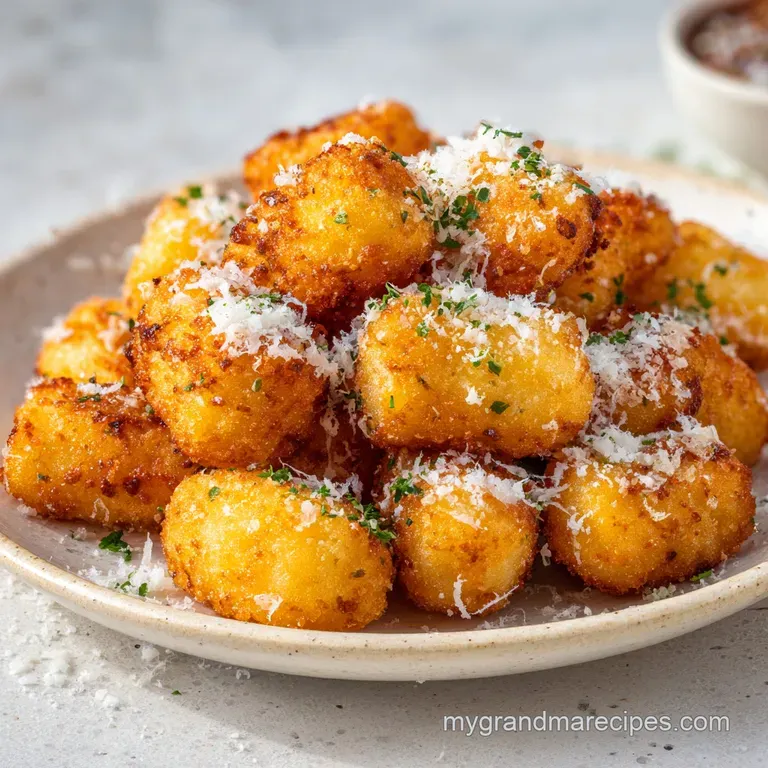
- Time: Active 45 minutes, Passive 10 minutes, Total 55 minutes
- Flavor/Texture Hook: Shatteringly crisp panko with a salty, squeaky molten center
- Perfect for: Game day snacks or a fun weekend project for beginners
- Timing and Serving Quick Guide
- Why This Crispy Technique Works
- Selecting Your Essential Frying Components
- Ingredient Science and Substitution Guide
- Essential Tools for Golden Results
- Steps for Shatteringly Crisp Curds
- Fixing Common Deep Frying Blunders
- Adjusting the Batch Size
- Flavor Variations for Every Palate
- Busted Kitchen Legends
- Keeping Your Fried Snacks Fresh
- Plating Your Curds Like Pro
- Very High in Sodium
- Recipe FAQs
- 📝 Recipe Card
Timing and Serving Quick Guide
Getting the timing right is the difference between a snack and a chore. Since we are working with hot oil, you want everything lined up before the first curd even touches the pot. This isn't a "prep as you go" kind of dish.
You need your dredging station ready, your cooling rack set up, and your guests hovering nearby because these are best eaten within seconds of leaving the heat.
I like to think of this as a three phase operation. First, we chill. Then, we coat. Finally, we fry. If you try to skip the chilling phase, you are asking for a "cheese plosion," which is exactly as messy as it sounds.
By giving the curds a quick 30 minutes in the freezer, we create a head start for the breading to brown before the cheese inside hits its total melting point.
| Cook Method | Cook Time | Texture | Best For |
|---|---|---|---|
| Stovetop Frying | 90 seconds | Ultra crispy, jagged edges | Authentic state fair results |
| Oven Baking | 8 to 10 minutes | Softer crust, less oily | Lower effort, larger batches |
| Air Frying | 5 to 6 minutes | Very crunchy, even browning | Quick snacks with less mess |
When you choose your method, remember that stovetop frying is the only way to get that specific, deep mahogany color we are chasing. The oil surrounds the panko, hitting every nook and cranny.
Oven baking is fine if you are feeding a dozen people and don't want to stand over a pot, but you'll lose that specific "shatter" factor that makes this panko crusted fried cheese curds recipe so special.
Why This Crispy Technique Works
The magic here isn't in the cheese alone, it's in how we manage moisture and heat. If you've ever had breading fall off in the oil, it's usually because steam built up between the cheese and the flour, pushing the crust away.
We solve that by using a specific blend of dry ingredients and a double dipping strategy that acts like a suit of armor.
- Thermal Lag: Freezing the curds for 30 minutes ensures the center remains solid while the over high heat oil browns the exterior.
- Starch Adhesion: Cornstarch in the flour mix absorbs surface moisture, creating a dry "primer" for the egg wash to grab onto.
- Panko Geometry: Unlike round breadcrumbs, panko flakes are jagged and large, creating air pockets that stay crisp longer.
- Double Armoring: Two layers of egg and panko create a reinforced wall that prevents the cheese from leaking out as it expands.
This double dipping process is the secret I learned after seeing too many "hollow" cheese curds. It’s a similar technique to what you might see in a Chicken Parm Sandwiches recipe, where that sturdy crust has to stand up to heavy sauces without turning into mush. Here, it stands up to the pressure of the expanding cheese.
Selecting Your Essential Frying Components
You don't need fancy artisanal cheese for this, but you do need freshness. If you can find cheese curds that still have a bit of that "squeak" when you bite into them, you've hit the jackpot.
Fresh curds have a higher moisture content and a tighter protein structure, which helps them hold their shape under the intense heat of the Dutch oven.
| Component | Science Role | Pro Secret |
|---|---|---|
| Panko Breadcrumbs | High surface area | Press them firmly with your palms |
| Cornstarch | Moisture absorption | Mix it thoroughly with the flour |
| Neutral Oil | High smoke point | Keep it at 375°F exactly |
Choosing the right oil is just as important as the cheese. You want something with a high smoke point, like canola or vegetable oil. Avoid olive oil here; it will burn and leave a bitter taste on your beautiful golden crust.
I usually grab a quart of whatever neutral oil is on sale because we’re going to use the whole thing to get a good 2 inch depth in the pot.
Ingredient Science and Substitution Guide
Let’s talk about what is actually going into your bowls. We are using a pound of fresh white cheddar cheese curds. If you can't find white cheddar, yellow works just as well it’s mostly a color preference. The real workhorse is the dredging station.
Each bowl has a specific job to do, from the base layer of flour to the final "shatter" layer of panko.
- 1 lb fresh white cheddar cheese curds: The star of the show. Why this? They hold their shape better than cubed block cheese.
- Substitute: Low moisture mozzarella pearls. They won't squeak, but they melt beautifully.
- 1/2 cup all purpose flour: The primer layer. Why this? It gives the egg wash something to grip.
- Substitute: Rice flour for a slightly lighter, crispier base layer.
- 2 tbsp cornstarch: The moisture killer. Why this? It prevents the crust from getting soggy from the inside out.
- Substitute: Arrowroot powder or potato starch.
- 2 large eggs & 2 tbsp whole milk: The glue. Why this? Protein and fat help bind the crumbs to the curd.
- Substitute: Buttermilk for a tangier flavor profile.
- 2 cups panko breadcrumbs: The texture. Why this? Panko stays crispy much longer than traditional crumbs.
- Substitute: Crushed saltine crackers. This adds a nice saltiness but is a bit denser.
- 1 tsp garlic powder & 1/2 tsp smoked paprika: The flavor. Why this? They add depth to the otherwise neutral breading.
- Substitute: Onion powder or a pinch of cayenne for heat.
- 1/2 tsp kosher salt: The enhancer. Why this? It brings out the natural tang of the cheddar.
- Substitute: Fine sea salt, but use slightly less.
The panko is non negotiable if you want that specific texture. If you're looking for more ways to use these ingredients, you'll see a similar crumb structure in a Homemade Mac and Cheese, where the panko provides a necessary contrast to the creamy sauce. In this recipe, the panko is the main event.
Essential Tools for Golden Results
Frying can be intimidating, but the right gear makes it feel like a controlled experiment rather than a kitchen hazard. You don't need a dedicated deep fryer. In fact, a heavy pot is often better because it holds heat more consistently.
I always reach for my cast iron Dutch oven (like a Lodge) because once that heavy metal gets hot, it stays hot, even when you drop in a handful of cold cheese.
The most important tool in your arsenal is a clip on thermometer. You cannot eyeball oil temperature. If it's too low, the curds will soak up oil and turn into greasy sponges. If it's too high, the outside will burn before the cheese even thinks about melting. Aim for that 375°F sweet spot.
Also, get a spider skimmer. It’s a wide, wire mesh tool that lets you scoop out the curds without taking a bunch of oil with them. A slotted spoon works in a pinch, but a spider is much more efficient.
Steps for Shatteringly Crisp Curds
- Freeze the curds. Spread the 1 lb of cheese curds on a tray lined with parchment and freeze for 30 minutes. Note: This creates the thermal buffer needed to prevent premature melting.
- Mix dry ingredients. Whisk the 1/2 cup flour, 2 tbsp cornstarch, 1 tsp garlic powder, 1/2 tsp smoked paprika, and 1/2 tsp salt in your first bowl.
- Whisk the wash. Combine the 2 eggs and 2 tbsp whole milk in a second bowl until no streaks of yolk remain.
- Prep the panko. Pour the 2 cups of panko into a third, wider bowl to allow room for tossing.
- First dredge. Toss the frozen curds in the flour mixture, shaking off any excess powder.
- First dip. Submerge the floured curds into the egg wash, ensuring they are completely coated.
- Initial breading. Press the curds into the panko crumbs firmly. Work in small batches to keep things manageable.
- Double armor. Dip the panko coated curds back into the egg wash, then once more into the panko. Note: This second layer is what prevents the cheese from leaking.
- Heat the oil. Pour 1 quart of oil into a Dutch oven and heat to 375°F. Watch for the thermometer to stabilize.
- Flash fry. Drop curds in batches and fry for 60 to 90 seconds until they turn a deep mahogany brown. Drain on a wire rack immediately.
Fixing Common Deep Frying Blunders
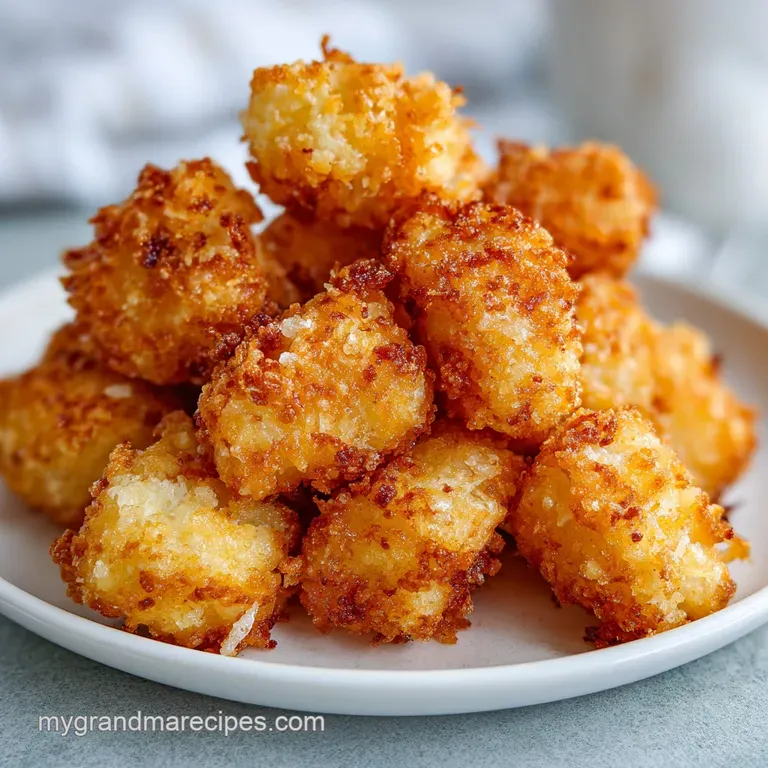
Frying cheese is a high stakes game. Even with the best intentions, things can go sideways. The most common heartbreak is the "ghost curd" when you pull out a perfectly fried shell only to find the cheese has vanished into the oil.
This usually happens because the oil wasn't hot enough, so the curd spent too much time in the heat, or the breading had a tiny hole in it.
Another issue is the panko falling off. This usually happens if the curds weren't dried properly or if you were too gentle with the breading. You really have to press those crumbs in. Don't worry about being delicate; the cheese can take it.
If the oil starts foaming up, it's often because there’s too much loose flour or moisture entering the pot. Skim off the foam and keep going.
Why did my cheese leak?
This is almost always a temperature issue or a coating failure. If the oil is below 375°F, the cheese melts before the crust sets. If you missed a spot during the double dredge, the cheese will find that exit and make a run for it.
Always double check that every millimeter of the curd is covered in panko.
Why is the breading soggy?
Soggy breading happens when you drain the curds on paper towels. The steam gets trapped between the towel and the curd, softening the crust. Always use a wire cooling rack set over a baking sheet. This allows air to circulate around the entire curd, keeping it crisp on all sides.
| Problem | Root Cause | Solution |
|---|---|---|
| Hollow shells | Oil temp too low | Ensure oil is exactly 375°F before dropping curds |
| Breading falls off | Poor adhesion | Press panko firmly; don't skip the cornstarch |
| Dark spots | Dirty oil | Skim out loose crumbs between batches |
Common Mistakes Checklist
- ✓ Skipping the 30 minute freeze (this is the #1 cause of failure)
- ✓ Overcrowding the pot (it drops the oil temperature too fast)
- ✓ Not using a thermometer (guessing is the enemy of good frying)
- ✓ Draining on paper towels instead of a wire rack
- ✓ Forgetting the second layer of panko armor
Adjusting the Batch Size
If you are cooking for a larger crowd, don't just dump all the curds in the oil at once. You need to work in batches of about 8 to 10 curds at a time. When you add cold cheese to hot oil, the temperature will drop. If you add too much, it won't recover fast enough.
For a double batch (2 lbs of curds), you don't need to double the oil, but you should increase the salt and spices by only 1.5x to avoid over seasoning.
When scaling down for a solo snack (using 1/2 lb of curds), you can use a smaller pot to save on oil. Just make sure the oil is at least 2 inches deep so the curds can float. You'll only need one egg and a splash of milk for the wash.
Even for a small batch, the 30 minute freeze is still mandatory it's the one step that ensures success regardless of how many you're making.
Flavor Variations for Every Palate
Once you've mastered the basic panko crusted fried cheese curds recipe, you can start getting creative with the flavors. One of my favorite tweaks is adding a tablespoon of dried Italian herbs to the panko for a "mozzarella stick" vibe.
If you like heat, whisk some hot sauce into the egg wash or add a teaspoon of cayenne pepper to the flour.
If you want to go the "State Fair" route, try a "Hot Honey" version. Fry the curds as usual, then drizzle them with spicy honey and a sprinkle of flaky sea salt right before serving.
For a gluten-free version, use crushed gluten-free crackers or specialized GF panko; both work surprisingly well because the double dredge provides so much structure.
Busted Kitchen Legends
One of the biggest myths is that you can't use "old" cheese curds. While fresh is best for the squeak, slightly older curds actually fry quite well because they have a bit less moisture. Another myth is that you need a specialized deep fryer.
A simple Dutch oven or even a high sided cast iron skillet is more than enough for this job as long as you have a thermometer.
You might also hear that double breading makes the crust too thick or "doughy." In this recipe, the double breading is strictly for structural integrity. Because panko is so light and airy, two layers don't feel heavy at all they just provide a more satisfying crunch and a safer container for the molten cheese.
Keeping Your Fried Snacks Fresh
Fried cheese is best eaten immediately, but we've all had leftovers. To store them, let the curds cool completely on the wire rack before putting them in an airtight container in the fridge. They will stay good for about 3 days.
Whatever you do, do not use the microwave to reheat them; you'll end up with a rubbery, sad mess.
The best way to revive them is in an air fryer at 350°F for about 3 to 4 minutes. This recrisps the panko and melts the cheese without making it oily again. If you don't have an air fryer, a toaster oven or a regular oven at 400°F works too.
Just place them back on that wire rack so the heat can hit them from all angles.
For a zero waste tip, don't throw away the leftover seasoned flour or panko. If you have a few pieces of chicken or even some zucchini slices, you can dredge them in the remaining station for a quick "bonus" snack. Just make sure to use them immediately, as the egg wash shouldn't be saved.
Plating Your Curds Like Pro
When it comes to serving, keep it simple. These are rustic, fun snacks. I like to pile them high in a parchment lined basket or on a wooden board. A sprinkle of fresh parsley adds a pop of color against that deep mahogany brown, but it's totally optional. The real key is the dipping sauce.
A classic ranch or a spicy marinara is always a hit. If you want something a bit more elevated, a blackberry habanero jam provides a stunning sweet and heat contrast to the salty cheese. If you're looking for more inspiration for cheesy appetizers, my Three Cheese Risotto isn't fried, but it captures that same creamy, decadent essence that cheese lovers crave. Serve these curds while they are still hot enough to stretch, and you'll be the hero of the kitchen.

Very High in Sodium
884 mg 884 mg of sodium (38% 38% of daily value)
The American Heart Association recommends limiting sodium intake to no more than 2,300mg per day.
Tips to Reduce Sodium
-
Choose Low-Sodium Cheese Curds-15%
Opt for low-sodium white cheddar cheese curds. This is the primary sodium source, so a significant reduction here will have the biggest impact.
-
Eliminate Added Salt-10%
The recipe calls for 1/2 tsp of kosher salt. Removing this completely will reduce sodium without significantly altering flavor when other seasonings are used.
-
Boost Flavor with Herbs & Spices
Increase the amounts of garlic powder and smoked paprika. Consider adding other dried herbs like parsley, chives, or onion powder to enhance taste without sodium.
-
Use Unseasoned Panko-5%
Ensure you are using plain, unseasoned panko breadcrumbs. Many seasoned varieties contain added salt.
Recipe FAQs
Why do the cheese curds need to be frozen for 30 minutes before frying?
This step creates a thermal buffer. Freezing the curds ensures they stay solid long enough for the exterior panko to turn mahogany brown before the cheese melts and leaks into the oil.
How to achieve a shatteringly crisp exterior?
Apply a double armored coating. After the first panko dip, submerge the curd in the egg wash again and press it into the panko a second time to ensure a thick, protective crust.
Is it true that paper towels are the best way to drain the fried curds?
No, this is a common misconception. Draining on a wire cooling rack is essential because paper towels trap steam underneath the curds, causing the crispy panko to turn soggy immediately.
How to maintain the oil temperature during frying?
Fry in small batches. Adding too many curds at once causes the oil temperature to plummet below 375°F, which prevents the crust from sealing correctly and leads to greasy, melted cheese.
How to know exactly when the curds are finished frying?
Watch for a deep mahogany brown color. Given the 60 to 90-second cook time, visual confirmation is key; if you enjoyed mastering the sensory cues of thickening here, apply that same focus to watching the color change in your oil.
Can I use regular breadcrumbs instead of panko?
No, panko is required for the correct texture. Regular breadcrumbs are too dense and will absorb too much oil, resulting in a heavy crust rather than the light, shattered glass finish panko provides.
How to prevent the curds from sticking together in the dredging station?
Keep your hands dry and work efficiently. Use one hand for wet ingredients and one for dry to prevent breading from accumulating on your fingers and clumping the curds during the coating process.
Panko Fried Cheese Curds
Ingredients:
Instructions:
Nutrition Facts:
| Calories | 678 kcal |
|---|---|
| Protein | 29.1 g |
| Fat | 47.2 g |
| Carbs | 31.2 g |
| Fiber | 1.4 g |
| Sugar | 1.2 g |
| Sodium | 884 mg |
