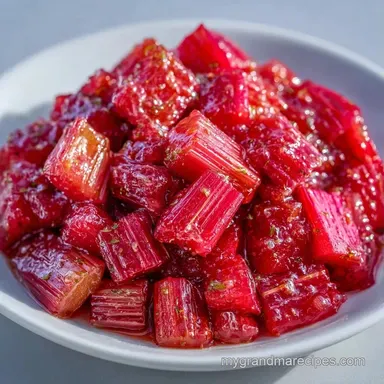
Old Fashioned Cornstarch Rhubarb Filling: Tart and Sweet
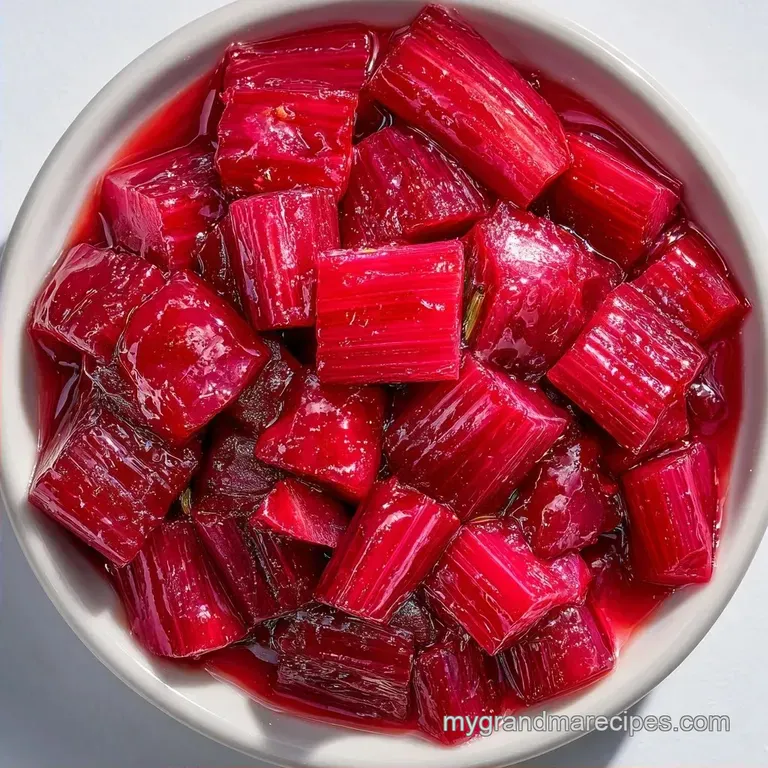
- Time:15 minutes active + 30 minutes cook
- Flavor/Texture Hook: Tangy, velvety, and bubbling
- Perfect for: Traditional family pies, crumbles, or tarts
- Old Fashioned Rhubarb Filling
- Why This Recipe Works
- Component Analysis
- What You'll Need
- Essential Kitchen Tools
- From Prep to Plate
- Fixing Common Mistakes
- Troubleshooting Common Issues
- Tasty Flavor Twists
- Scaling Guidelines
- Rhubarb Truths
- Storage and Freezing
- Best Serving Ideas
- Recipe FAQs
- 📝 Recipe Card
The smell of simmering rhubarb always takes me back to my grandmother's kitchen in the late spring. It's that specific, sharp aroma that fills the house, cutting through the humid Southern air with a scent that's almost electric.
I remember watching her chop the stalks into perfect little cubes, her hands moving with a rhythm that only comes from decades of practice. She never used a fancy timer, just the look of the bubbles to know it was done.
For years, I struggled with the "soup" problem. You know the one, where you cut into a beautiful pie only to have a river of pink liquid run across the plate. I tried adding more flour, but that just made the texture chalky. The secret was always in the hydration.
Once I learned to let the fruit sit with the cornstarch for a few minutes, everything changed.
This old-fashioned Rhubarb Filling is exactly how it should be. It's not overly sweetened, letting that natural, bright tang of the stalks shine through. Whether you're filling a flaky crust or topping it with a buttery crumble, this version gives you that thick, jammy consistency that holds its shape on a fork.
Old Fashioned Rhubarb Filling
When you first look at the stalks, they seem almost too simple for such a bold flavor. But once they hit the heat, the magic happens. The stalks break down, releasing their juices, while the cornstarch captures that liquid and turns it into a glossy glaze.
It's a comforting, nostalgic process that doesn't require any fancy equipment, just a bit of patience and some fresh garden produce.
The real beauty of this dish is its versatility. While it's designed for a pie, it works just as well in a tart or as a base for a cake. I've found that using a mix of cinnamon and a tiny bit of ginger adds a warmth that balances the acidity of the rhubarb.
It transforms the filling from a simple fruit mix into something that feels like a cherished family heirloom.
If you're new to working with rhubarb, don't be intimidated by the sourness. It's meant to be a contrast. When paired with a sweet crust or a dollop of vanilla cream, it creates a flavor profile that's refreshing and deep.
It's the kind of dessert that feels light enough for a spring afternoon but comforting enough for a rainy autumn evening.
Why This Recipe Works
Starch Activation: Letting the cornstarch sit on the fruit for 10 minutes allows the granules to absorb surface moisture. This prevents the starch from clumping when it finally hits the heat.
Acidity Balance: The lemon juice and zest brighten the flavor, while the sugar tames the natural tartness. This prevents the filling from tasting "one note" or overly acidic.
Controlled Breakdown: Cutting the stalks into uniform 1/2 inch pieces ensures they all soften at the same rate. You won't end up with some pieces that are mushy and others that are still woody.
Flavor Layering: The combination of vanilla and ginger creates a hidden depth. It makes people wonder why it tastes "different" than a store-bought filling without being overly spicy.
| Method | Time | Texture | Best For |
|---|---|---|---|
| Oven Bake | 30 mins | Jammy & Integrated | Traditional Pies |
| Stovetop | 15 mins | Glossy & Thick | Tarts or Toppings |
Component Analysis
| Ingredient | Science Role | Pro Secret |
|---|---|---|
| Cornstarch | Thickening Agent | Sift it first to avoid tiny white lumps |
| Rhubarb | Primary Acid/Bulk | Use stalks that "snap" when bent |
| Granulated Sugar | Sweetener/Preservative | Don't reduce too much or it won't thicken |
| Lemon Juice | Flavor Enhancer | Always use fresh, not bottled |
What You'll Need
To get this right, you only need a few pantry staples. I prefer using fresh rhubarb because the texture is far superior to frozen, which can sometimes become too watery. If you're shopping for stalks, look for those with a deep red hue, as they often have a slightly more complex flavor than the pale green ones.
For the thickener, I always reach for cornstarch. According to King Arthur Baking, cornstarch provides a clearer, more neutral thickening than flour, which is exactly what we want for a vibrant pink filling. It gives that professional, glossy look without altering the taste of the fruit.
The Goods:
- 1.5 lbs fresh rhubarb, cut into ½ inch piecesWhy this? Provides the classic tart base and structure
- ½ cup granulated sugarWhy this? Balances acidity and helps the starch set
- ¼ cup cornstarchWhy this? Creates a clear, thick gel
- 1 tbsp fresh lemon juiceWhy this? Adds a bright, citrusy top note
- 1 tsp lemon zestWhy this? Concentrated citrus oils for aroma
- ¼ tsp saltWhy this? Sharpens all the other flavors
- ½ tsp ground cinnamonWhy this? Adds a warm, woody undertone
- 1 tsp vanilla extractWhy this? Rounds out the tartness with sweetness
- ¼ tsp ground gingerWhy this? A subtle zing that complements the fruit
| Original Ingredient | Substitute | Why It Works |
|---|---|---|
| Granulated Sugar | Honey (1/3 cup) | Same sweetness. Note: Makes the filling denser and slightly floral |
| Cornstarch | Tapioca Starch (1/4 cup) | Excellent thickener. Note: Creates a more "stringy" or chewy texture |
| Fresh Ginger | Ground Ginger (1/4 tsp) | Similar flavor profile. Note: Less punchy than fresh grate |
Essential Kitchen Tools
You don't need a fancy arsenal for this. A sturdy cutting board and a sharp chef's knife are the most important parts. If your knife is dull, you'll crush the rhubarb stalks rather than slicing them, which releases the juices too early and can mess with the thickening process.
I recommend a large mixing bowl for tossing the fruit. A glass or stainless steel bowl works best because they don't react with the acid in the lemon and rhubarb. For the final bake, a 9 inch pie plate is the standard, but a cast iron skillet is a great Southern alternative for a more rustic look.
From Prep to Plate
Right then, let's get into the actual making of the Rhubarb Filling. The process is straightforward, but the timing in the first few steps is where the magic happens.
- Wash and dry the rhubarb stalks thoroughly. Trim the ends and slice into uniform ½ inch pieces. Note: Dry stalks prevent the filling from becoming too watery.
- In a separate small bowl, whisk together the granulated sugar, cornstarch, salt, cinnamon, and ginger. Note: Mixing the starch with sugar prevents clumps.
- Sprinkle the dry mixture over the rhubarb pieces, then fold in the lemon juice, lemon zest, and vanilla extract.
- Toss gently with a spatula until the fruit is coated in a powdery glaze and let the mixture sit for 10 minutes to allow the cornstarch to hydrate. Note: This "resting" phase is the secret to a thick set.
- Transfer the filling into your chosen pie crust.
- Bake according to crust instructions (usually around 180°C/350°F).
- Monitor the center of the pie.
- Bake 30 mins until the filling bubbles thickly around the edges.
- Remove from the oven and let it cool completely for at least 2 hours. Note: The filling continues to set as it cools; cutting it hot will result in a runny mess.
Chef's Note: If you're using a bottom crust, I like to sprinkle a tablespoon of almond flour or crushed graham crackers on the bottom before adding the Rhubarb Filling. This creates a tiny barrier that prevents the crust from getting soggy.
Fixing Common Mistakes
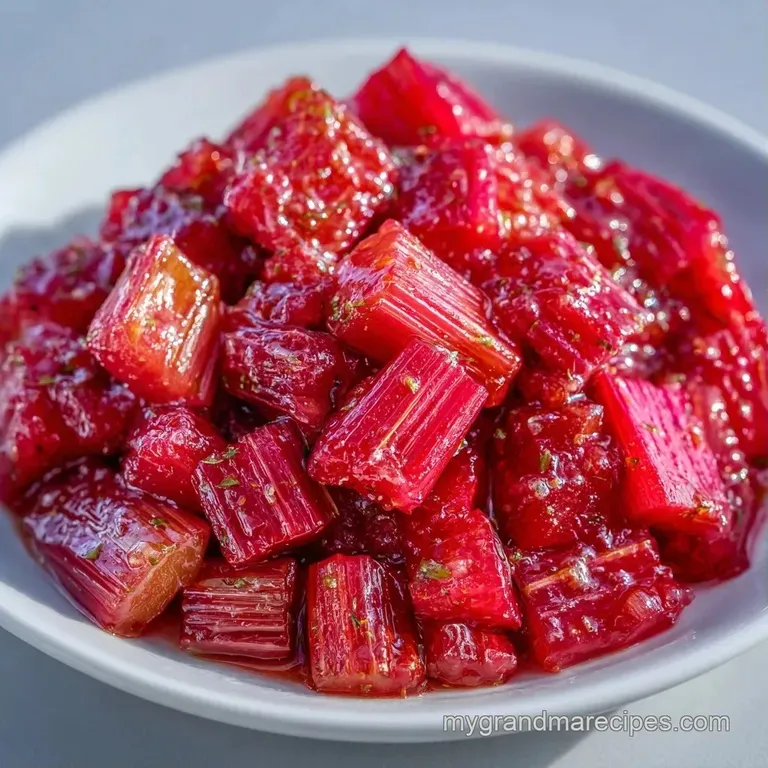
Even the best of us have a "pie disaster" now and then. Usually, if something goes wrong with this recipe, it comes down to moisture control. Rhubarb is essentially a water filled tube, and if that water isn't managed, the whole thing collapses.
Troubleshooting Common Issues
| Issue | Solution |
|---|---|
| Why Your Filling Is Runny | This usually happens because the filling wasn't allowed to cool completely. Starch gels don't fully lock in until they reach room temperature. |
| Why Your Crust Is Soggy | A "soggy bottom" happens when the juices seep into the dough before the starch has a chance to thicken. |
| Why The Taste Is Too Sour | Rhubarb varies in tartness depending on when it was harvested. If yours is particularly aggressive, you can add another 2 tablespoons of sugar, but do it before the bake. |
Common Mistakes Checklist:
- ✓ Did I dry the rhubarb after washing?
- ✓ Did I let the filling rest for 10 minutes before baking?
- ✓ Did I wait at least 2 hours for the pie to cool?
- ✓ Did I whisk the cornstarch into the sugar first?
- ✓ Are my rhubarb pieces all roughly the same size?
Tasty Flavor Twists
Once you've got the basic Rhubarb Filling down, you can start playing with the flavors. I often find that adding a handful of fresh strawberries makes it a crowd pleaser for people who are intimidated by the tartness of rhubarb. Just swap out about a third of the rhubarb for sliced strawberries.
If you want something a bit more modern, try a rhubarb crisp by replacing the pie crust with a buttery oat topping. The crunch of the oats against the velvety fruit is a match made in heaven. For something even quicker, this mix is perfect for a fast baking dessert in a casserole dish.
For those who love a bit of a kick, try replacing the cinnamon with ground cardamom. It gives the dessert a floral, almost Scandinavian feel that is incredibly sophisticated but still tastes like comfort food.
You could also try a ginger pear twist by adding diced pears to the mix, which adds a mellow sweetness to the sharp rhubarb.
Scaling Guidelines
When you're cooking for a crowd, you might want to double this recipe. However, you can't just double everything linearly. If you do, you might end up with a filling that's too thick or tastes too "spicy" from the cinnamon.
Scaling Up (2x):
- Double the rhubarb, sugar, and cornstarch.
- Increase cinnamon, ginger, and salt to only 1.5x the original amount.
- Reduce the vanilla extract slightly (1.5 tsp instead of 2 tsp) to keep it from overpowering the fruit.
- If baking in one large deep dish, lower the oven temp by about 15°C and extend the baking time by 10-15 minutes to ensure the center bubbles.
Scaling Down (½):
- Halve all ingredients.
- Use a smaller 6 inch pan.
- Reduce the baking time by about 20%, but still look for those thick bubbles around the edges.
- For the lemon zest, just use a generous pinch.
| Preference | Adjustment | Expected Result |
|---|---|---|
| Extra Tangy | Less sugar, more lemon | Sharper, more acidic profile |
| Dessert like | Add 1/4 cup brown sugar | Deeper, caramel like sweetness |
| Lighter | Use half the cornstarch | More fluid, sauce like consistency |
Rhubarb Truths
There are a few things people always tell me about rhubarb that just aren't true. First, some say you have to peel the stalks to remove the "strings." Honestly, don't even bother. If you cut the rhubarb into 1/2 inch pieces, those strings disappear into the texture of the filling.
Peeling just wastes a lot of good fruit.
Another myth is that you can use any part of the plant. This is dangerous. Only the stalks are edible. The leaves contain oxalic acid, which is toxic. Always trim the leaves off completely before you start your Rhubarb Filling.
Finally, some think that adding more sugar will make the filling thicken faster. It's actually the opposite. Too much sugar can actually interfere with the cornstarch's ability to gel, leaving you with a syrupy mess that never quite sets.
Storage and Freezing
If you have leftover Rhubarb Filling, it keeps surprisingly well in the fridge. Store it in an airtight glass jar for up to 4 days. It's great as a topping for yogurt or oatmeal the next morning.
For long-term storage, this filling freezes beautifully. I like to freeze it in portions using freezer safe bags. Squeeze out as much air as possible to prevent freezer burn. It will stay fresh for up to 3 months.
Freezing & Reheating:
- To freeze: Once the filling is cooked and cooled, scoop it into bags.
- To reheat: Thaw in the fridge overnight, then gently warm in a saucepan over medium heat.
- Note: The texture might be slightly softer after freezing, but the flavor remains intact.
Zero Waste Tips: Don't throw away the ends of the rhubarb stalks. I toss mine into a freezer bag and use them later to make a tart fruit syrup or a base for a homemade shrub vinegar. If you have extra lemon zest, freeze it in a small container to add to your winter baking.
Best Serving Ideas
The best way to enjoy this is with a massive dollop of homemade vanilla bean whipped cream. The cool, creamy fat of the cream cuts right through the acidity of the Rhubarb Filling, creating a perfect balance.
If you're feeling fancy, a scoop of cinnamon ice cream or a drizzle of salted caramel sauce adds a layer of decadence. For a lighter option, serve it with a dollop of Greek yogurt and a sprinkle of toasted almonds for a bit of crunch.
For the perfect beverage pairing, I recommend a crisp glass of sparkling cider or a cold glass of lemonade. The bubbles help cleanse the palate between bites of the rich, jammy dessert. If it's a cozy winter evening, a warm cup of Earl Grey tea with its bergamot notes complements the lemon in the filling perfectly.
Recipe FAQs
How to make a rhubarb filling?
Toss sliced rhubarb with a mixture of sugar, cornstarch, salt, cinnamon, and ginger. Fold in lemon juice, zest, and vanilla, then let the mixture sit for 10 minutes to hydrate the starch before baking.
Is cornstarch better than flour for thickening rhubarb?
Cornstarch is the better choice. It provides a more stable gel and a clearer finish, whereas flour can leave the filling looking cloudy.
How much cornstarch is needed for rhubarb filling?
Use 1/4 cup of cornstarch for 1.5 lbs of rhubarb. This specific ratio ensures the juices thicken properly without becoming gummy.
How to fix a runny rhubarb filling?
Allow the filling to cool completely to room temperature. Starch gels do not fully lock in until they have cooled, so it may seem runny while hot.
How to make rhubarb taste less sour?
Add an additional 2 tablespoons of granulated sugar before baking. Rhubarb tartness varies by harvest, and extra sugar helps balance the aggressive acidity.
What are the essential ingredients for rhubarb filling?
Combine fresh rhubarb, granulated sugar, cornstarch, salt, cinnamon, ginger, lemon juice, lemon zest, and vanilla extract. These ingredients create the ideal balance of sweetness and spice.
What can I use rhubarb filling for besides pie?
Spoon the filling over yogurt or oatmeal as a topping. You can also freeze portions in airtight bags for up to 3 months for future use.
Rhubarb Filling with Cornstarch