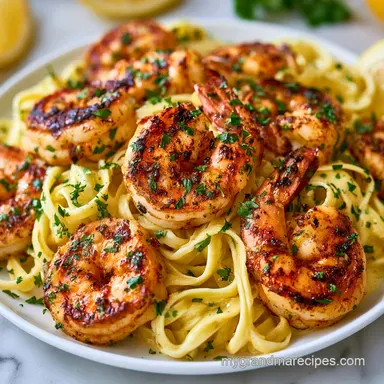
Jerk Shrimp Fettuccine: Creamy Caribbean Fusion
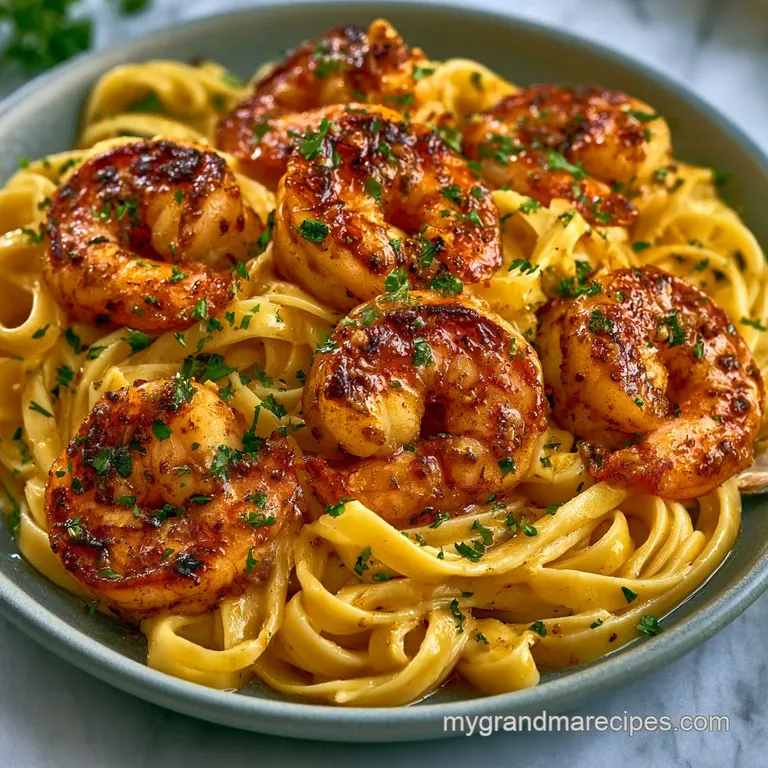
- Time: 10 min active + 20 min cook = 30 min total
- Flavor/Texture Hook: Velvety cream sauce with a spicy, caramelized shrimp pop
- Perfect for: Date night or a fast, high impact weeknight dinner
- The Best Jerk Shrimp Fettuccine
- Avoid These Common Pasta Mistakes
- Quick Timing and Details
- Essential Ingredients and Swaps
- Kitchen Gear for Success
- Step-by-Step Cooking Guide
- Solving Common Sauce Issues
- Troubleshooting Common Issues
- Tweak the Dish Now
- Truth About Pasta Myths
- Save and Warm Leftovers
- Best Ways to Plate
- High in Sodium
- Recipe FAQs
- 📝 Recipe Card
The Best Jerk Shrimp Fettuccine
The first thing that hits you isn't the heat, it's that loud, aggressive sizzle when the seasoned shrimp hit the hot olive oil. I remember the first time I tried mixing Caribbean flavors with an Alfredo style pasta.
I was in my kitchen, feeling a bit daring, and I figured the richness of heavy cream could handle the punch of a jerk rub. My first attempt was a bit of a mess, mostly because I didn't dry the shrimp enough, and they ended up steaming in a greyish puddle instead of searing.
But once I figured out the "dry sear" method, everything changed. The smell of allspice and scotch bonnet mingling with melting butter is just incredible. It's that Texas Mexican spirit of fusion where you don't follow the rules, you just follow the flavor.
This Jerk Shrimp Fettuccine has since become the dish I make whenever I want to feel like I'm at a fancy vacation spot without actually leaving my house.
You can expect a meal that feels indulgent but comes together in a blink. The shrimp get a dark, caramelized crust that tastes almost smoky, which then cuts right through the velvety Parmesan sauce. It's a balance of fire and cream that makes the whole experience feel special.
Trust me, once you try this, a plain garlic shrimp pasta will feel a bit boring.
Avoid These Common Pasta Mistakes
Most people treat pasta water like waste, just pouring it down the drain. That is a huge mistake. According to Serious Eats, the starchy water left over from boiling pasta acts as a binder. In this recipe, that liquid is the secret to making the sauce cling to the noodles instead of sliding off into a puddle at the bottom of the plate. If you skip reserving that water, your Jerk Shrimp Fettuccine will feel disconnected, like the sauce and pasta are just roommates who don't talk.
Another common slip up is overcooking the shrimp. Shrimp are like little sponges, and if they stay in the pan too long, they turn into rubber bands. I've seen so many recipes tell you to simmer the shrimp in the sauce. Don't do that. Sear them first, take them out, and only bring them back at the very end.
This ensures they stay snappy and juicy while the sauce gets all the time it needs to thicken.
If you're looking for a different kind of creamy comfort, you might like my Creamy Tuscan Chicken, which uses a similar fat based sauce but with a more Mediterranean vibe. But for those who want that Caribbean heat, this specific fusion is the way to go.
What Makes It Silky
Starch Bonding: The reserved pasta water contains gelatinized starches that help the fat in the cream and butter bond to the pasta.
Fat Emulsion: Heavy cream and butter create a stable emulsion that carries the spice of the jerk seasoning across your tongue.
Acid Balance: A splash of lemon juice at the end breaks the heavy fat molecules, making the sauce feel lighter and more vibrant.
Fresh vs Shortcut Comparison
| Feature | Fresh Ingredients | Shortcut Versions | Impact |
|---|---|---|---|
| Parmesan | Block (grated) | Pre shredded | Pre shredded has cellulose and won't melt as smoothly |
| Lemon | Fresh Squeezed | Bottled Juice | Fresh adds bright oils; bottled can taste metallic |
| Garlic | Fresh Cloves | Jarred Minced | Fresh has a sharper, punchier aroma |
Quick Timing and Details
This dish is designed for speed without sacrificing that "wow" factor. You've got a very short window where the pasta is al dente and the sauce is at its peak velvetiness. If you let the pasta sit too long after draining, it absorbs the sauce and becomes clumpy. The key is to move fast once the cream starts simmering.
The heat level is mostly controlled by your jerk rub. Some rubs are mild, while others will make your eyes water. If you're serving this to people who aren't fans of high heat, you can temper the spice by adding an extra tablespoon of butter. The fat coats the palate and dulls the sting of the peppers.
Component Analysis
| Ingredient | Science Role | Pro Secret |
|---|---|---|
| Heavy Cream | Base Emulsifier | Use full fat for a sauce that won't split under heat |
| Jerk Rub | Flavor Profile | Toast the rub in the oil for 5 seconds before adding shrimp |
| Parmesan | Thickening Agent | Grate it yourself to avoid the "clumping" effect |
| Pasta Water | Binding Agent | Salt the water heavily; it's your only chance to season the noodle |
Essential Ingredients and Swaps
For the shrimp, I always go for large ones. They have more surface area for the jerk seasoning to cling to, and they don't overcook as instantly as the tiny ones. Make sure they are completely dry. Any moisture on the surface of the shrimp will turn into steam, and you'll lose that beautiful brown sear.
The fettuccine is the classic choice here because the wide ribbons are the perfect vehicle for a heavy cream sauce. If you use spaghetti, the sauce doesn't hold as well. If you're feeling adventurous, you can swap the pasta for a gluten-free alternative, but keep in mind that the starch content is different, so you might need a bit more butter to get the same silky texture.
The Lineup:
- 1 lb (450g) large shrimp, peeled and deveinedWhy this? Large shrimp hold their shape and absorb the rub better
- 2 tbsp (15g) jerk seasoning rub (dry)Why this? Provides the core Caribbean heat and allspice notes
- 1 tbsp (15ml) olive oilWhy this? High smoke point for searing the shrimp
- ½ tsp (3g) saltWhy this? Enhances the natural sweetness of the seafood
- 1 lb (450g) fettuccine pastaWhy this? Wide surface area for maximum sauce adhesion
- 4 tbsp (56g) unsalted butterWhy this? Adds a rich, nutty depth to the sauce
- 3 cloves (15g) garlic, mincedWhy this? Essential aromatic base for the cream
- 2 cups (480ml) heavy creamWhy this? Provides the velvety body and tempers the heat
- 1 cup (100g) freshly grated Parmesan cheeseWhy this? Adds salty, umami depth and thickens the sauce
- ¼ tsp (1g) black pepperWhy this? Adds a subtle woody heat
- ½ cup (120ml) reserved pasta waterWhy this? The "glue" that bonds sauce to pasta
- 2 tbsp (8g) fresh parsley, choppedWhy this? Fresh, grassy contrast to the heavy cream
- 1 tbsp (15ml) fresh lemon juiceWhy this? Brightens the dish and cuts through the fat
Ingredient Substitution Guide
| Original Ingredient | Substitute | Why It Works |
|---|---|---|
| Heavy Cream | Full fat Coconut Milk | Similar fat content. Note: Adds a tropical nuttiness that fits the jerk theme |
| Fettuccine | Linguine | Similar shape and width. Note: Slightly less sauce cling than fettuccine |
| Parmesan | Pecorino Romano | Similar salty profile. Note: Much saltier and tangier; reduce added salt |
| Shrimp | Scallops | Similar sear properties. Note: More delicate; sear quickly for 90 seconds per side |
Kitchen Gear for Success
You don't need a professional kitchen to nail this, but a few specific tools make a difference. A large, heavy bottomed skillet is non negotiable. I prefer stainless steel or cast iron because they hold heat much better than non stick. When you're searing shrimp, you want that pan screaming hot to get a dark crust.
If the pan cools down too much when the shrimp hit, they'll just boil in their own juices.
A microplane or a fine grater for the Parmesan is also key. Pre shredded cheese is coated in cornstarch or cellulose to keep it from clumping in the bag, but that same coating prevents it from melting into a smooth sauce. If you use the bagged stuff, you might notice a grainy texture in your Jerk Shrimp Fettuccine.
Finally, a good set of tongs is your best friend here. Trying to flip shrimp with a fork is a recipe for disaster, and a spoon is too clumsy. Tongs let you move the shrimp quickly and precisely, which is vital when you're working with a 2 minute per-side window.
Step-by-step Cooking Guide
The magic of this dish happens in the layering. We start with the over high heat sear for the shrimp, then move to the aromatic base, and finally the emulsification of the cream and cheese. Follow these steps closely, and you'll get that restaurant quality finish.
- Bring a large pot of heavily salted water to a rolling boil. Add the fettuccine and cook until al dente (usually 1-2 minutes less than package directions). Reserve ½ cup of the pasta water before draining. Note: Salt the water until it tastes like the sea to season the pasta from the inside out.
- Pat the shrimp completely dry with paper towels. Toss them in a bowl with the jerk seasoning until evenly coated. Note: Dry shrimp = better sear.
- Heat olive oil in a large skillet over medium high heat. Sear the shrimp for 2 minutes per side until caramelized and opaque. Remove shrimp from the pan and set aside.
- In the same skillet, melt the butter over medium heat. Sauté the minced garlic until fragrant and golden.
- Pour in the heavy cream and simmer for 3-5 minutes until the sauce slightly thickens and bubbles.
- Stir in the Parmesan cheese and black pepper, whisking constantly until the sauce is velvety and smooth.
- Toss the cooked fettuccine into the cream sauce. If the sauce is too thick, whisk in the reserved pasta water one tablespoon at a time. Note: This is where the Jerk Shrimp Fettuccine comes together as one cohesive dish.
- Return the seared shrimp to the pan, drizzle with lemon juice, and toss gently to coat. Garnish with chopped parsley.
Chef's Note: For an even deeper flavor, add a tiny pinch of cinnamon or nutmeg to the cream sauce. It highlights the allspice in the jerk rub and adds a warmth that feels like a hug.
Solving Common Sauce Issues
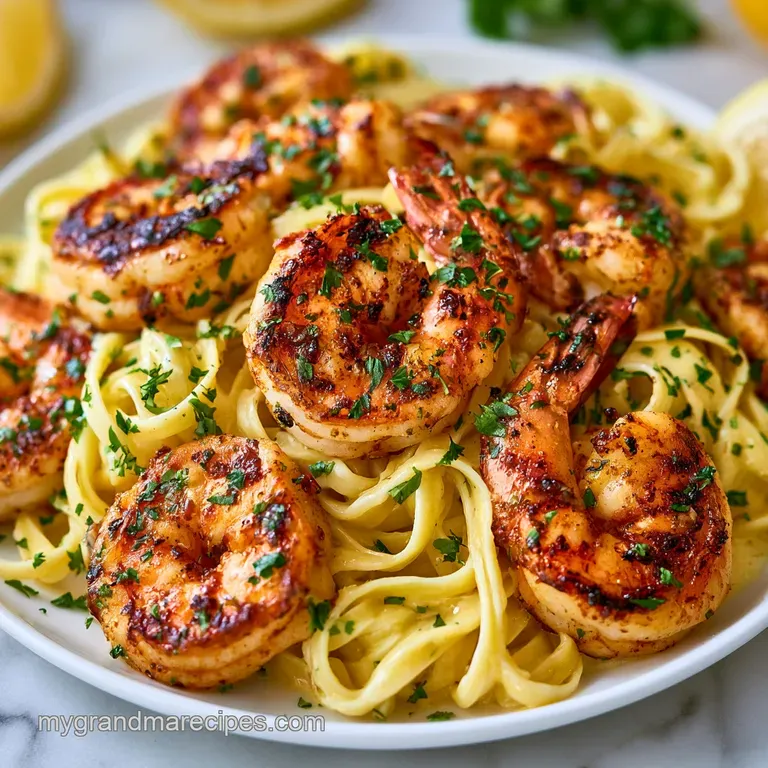
The most frustrating part of any creamy pasta is when the sauce decides to "break" or separate. This usually happens if the heat is too high or if you're using a substitute that doesn't emulsify as well as heavy cream.
When the fat separates from the liquid, you get oily patches on top of your Jerk Shrimp Fettuccine, which isn't the look we're going for.
Another issue is the heat level. Jerk seasoning varies wildly. If you've accidentally created a volcanic eruption in your pan, don't panic. Adding more cream or a dollop of sour cream can help neutralize the capsaicin. Acid from the lemon juice also helps, but too much will make the sauce taste sour instead of bright.
Troubleshooting Common Issues
| Issue | Solution |
|---|---|
| Why Your Sauce Separated | If you see oil pooling on the surface, it means the emulsion has failed. This usually happens when the cream is boiled too violently or the cheese is added to a pan that's too hot. |
| Why Shrimp are Rubber | Rubbery shrimp are the result of overcooking. According to USDA FoodData, shrimp proteins denature quickly at high temperatures. If they go past the opaque stage and start |
| Why It's Too Spicy | The scotch bonnet peppers in jerk seasoning are potent. If the heat is overwhelming, it's usually because the rub was too concentrated or the cream wasn't simmered long enough to mellow out. |
Common Mistakes Checklist:
- ✓ Pat shrimp dry before seasoning
- ✓ Reserve pasta water before draining
- ✓ Grate Parmesan from a block
- ✓ Sear shrimp separately from the sauce
- ✓ Add lemon juice at the very end
Tweak the Dish Now
Depending on who you're cooking for, you might want to adjust the profile of this recipe. If you're looking for a lighter option, you can swap the fettuccine for zoodles (zucchini noodles) or spaghetti squash.
Just be careful with the liquid, as zucchini releases a lot of water, which can thin out the sauce of your Jerk Shrimp Fettuccine.
For those who want a protein swap, this sauce works brilliantly with blackened chicken or even scallops. If you go with chicken, just remember that the cooking time is longer, so you'll need to sear the chicken first and let it rest before adding it back to the pasta. Since this is a rich dish, if you're looking for something lighter for your next meal, try this Mediterranean Baked Cod for a fresh, citrusy change.
If you want X, do Y:
- If you want more heat: Add a pinch of cayenne pepper or a dash of hot sauce to the cream.
- If you want it creamier: Add an extra tablespoon of butter at the very end for a glossy finish.
- If you want more veg: Stir in some baby spinach or sautéed bell peppers before adding the cream.
Adjusting for Crowd Size
When you're making a double batch of Jerk Shrimp Fettuccine, be careful not to overcrowd the pan. If you put 2 lbs of shrimp in one skillet, they'll release too much moisture and steam instead of searing. Work in batches.
For the sauce, you can double the cream and cheese, but only increase the salt and jerk rub by about 1.5x. Spices can become overwhelming when scaled linearly, and you don't want the heat to drown out the buttery richness.
For the pasta, just use a larger pot to ensure the noodles have plenty of room to move and don't stick together.
Truth About Pasta Myths
There's a common belief that adding oil to your pasta water prevents the noodles from sticking. This is a complete myth. All the oil does is float on top of the water and then coat the cooked pasta in a greasy film.
This is actually the worst thing you can do for a creamy dish, as the oil prevents the sauce from sticking to the noodle. Just stir the pasta occasionally, and you'll be fine.
Another myth is that you should rinse your pasta after draining it. Never do this. Rinsing washes away the surface starch that we need for the emulsion. If you rinse your fettuccine, the sauce will simply slide off, leaving you with bland noodles and a separate pool of cream.
Save and Warm Leftovers
Cream based pastas are notoriously tricky to store because the noodles continue to absorb liquid as they sit in the fridge. By the next day, your Jerk Shrimp Fettuccine might look more like a thick porridge than a pasta dish. The trick is to undercook the pasta by an extra minute if you know you'll have leftovers.
Storage Guidelines: - Fridge: Store in an airtight container for up to 3 days. - Freezer: I don't recommend freezing this. The cream sauce tends to split and become grainy upon thawing, and the shrimp can get a rubbery texture.
Reheating Specifics: To bring this back to life, don't just microwave it on high. Heat it in a small pan over medium low heat and add a splash of milk or water. This re hydrates the sauce and brings back that velvety texture.
If you're using a microwave, heat in 30 second intervals, stirring in between, and add a teaspoon of water to loosen the sauce.
Zero Waste Tips: If you have leftover shrimp shells, don't toss them. Boil them with some onion and celery to make a quick seafood stock. You can use this stock as a base for a risotto or even use it to boil your pasta next time for an extra layer of oceanic flavor.
Best Ways to Plate
To make this Jerk Shrimp Fettuccine look as good as it tastes, use a twisting motion with your tongs to create a tall nest of pasta in the center of the plate. Instead of mixing the shrimp all the way in, place the seared shrimp on top of the pasta nest. This showcases that beautiful caramelized crust.
Finish the dish with a fresh sprinkle of parsley and an extra grating of Parmesan. A wedge of lemon on the side is a must, allowing your guests to add a final hit of acidity to their own liking. Pair this with a crisp side salad or some roasted asparagus to balance the richness of the cream.
This fusion of Caribbean spice and Italian comfort is all about the contrast. The bold, fiery notes of the jerk seasoning dancing with the smooth, buttery finish of the alfredo base create something truly unique.
Whether you're making it for a special date or just a Tuesday night treat, this recipe brings a bit of sunshine and a lot of heat to the table. Let's crack on and get cooking!
High in Sodium
1089 mg 1089 mg of sodium per serving (47% 47% of daily value)
The American Heart Association recommends a daily limit of 2,300mg, with an ideal limit of 1,500mg for most adults to lower blood pressure.
Tips to Reduce Sodium
-
Swap Jerk Seasoning-30%
Replace the store-bought jerk rub with a low-sodium version or make your own using allspice, thyme, and cinnamon to avoid hidden salts.
-
Eliminate Added Salt-25%
Completely omit the ½ tsp of added salt; the Parmesan cheese and seasoning already provide significant sodium.
-
Reduce Parmesan Cheese-15%
Use half the amount of Parmesan or substitute a portion with nutritional yeast for a similar savory, nutty flavor.
-
Unsalted Pasta Water-10%
Boil your fettuccine in unsalted water so that the reserved pasta water used in the sauce doesn't add extra sodium.
-
Boost Fresh Aromatics
Increase the fresh lemon juice and zest or add more minced garlic to brighten the flavor without adding sodium.
Recipe FAQs
What ingredients do I need for Rasta pasta?
You will need shrimp, jerk seasoning, olive oil, salt, fettuccine, butter, garlic, heavy cream, Parmesan cheese, black pepper, pasta water, parsley, and lemon juice. These ingredients combine to create the spicy and creamy profile of the dish.
What is Rasta sauce made of?
The sauce is made from butter, minced garlic, heavy cream, Parmesan cheese, and black pepper. These components are simmered together to achieve a thick, velvety consistency.
What cheese is best for Rasta pasta?
Freshly grated Parmesan cheese is the best choice. It incorporates seamlessly into the cream without clumping, ensuring a smooth texture.
What pasta is good for high cholesterol?
Fettuccine is the standard for this recipe. If you are managing high cholesterol, you can explore alternative grain pairings in our Mexican skillet.
How to keep the sauce from becoming runny?
Simmer the heavy cream for 3-5 minutes before adding the cheese. This reduction step ensures the sauce has enough body to cling to the pasta.
How to ensure the shrimp doesn't dry out?
Sear the shrimp for 2 minutes per side. Remove them from the heat as soon as they become opaque to prevent a rubbery texture.
Is it true I should boil the pasta until very soft?
No, this is a common misconception. Cook the fettuccine until al dente, typically 1-2 minutes less than package directions, so it doesn't overcook when tossed in the sauce.
Jerk Shrimp Fettuccine