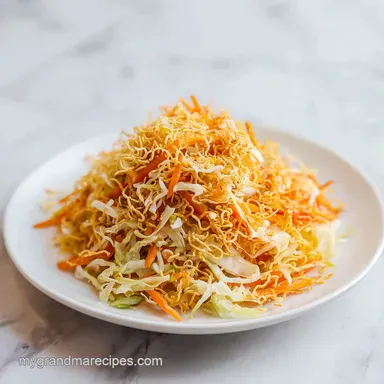
Crunchy Asian Ramen Noodle Salad: Toasted and Zesty
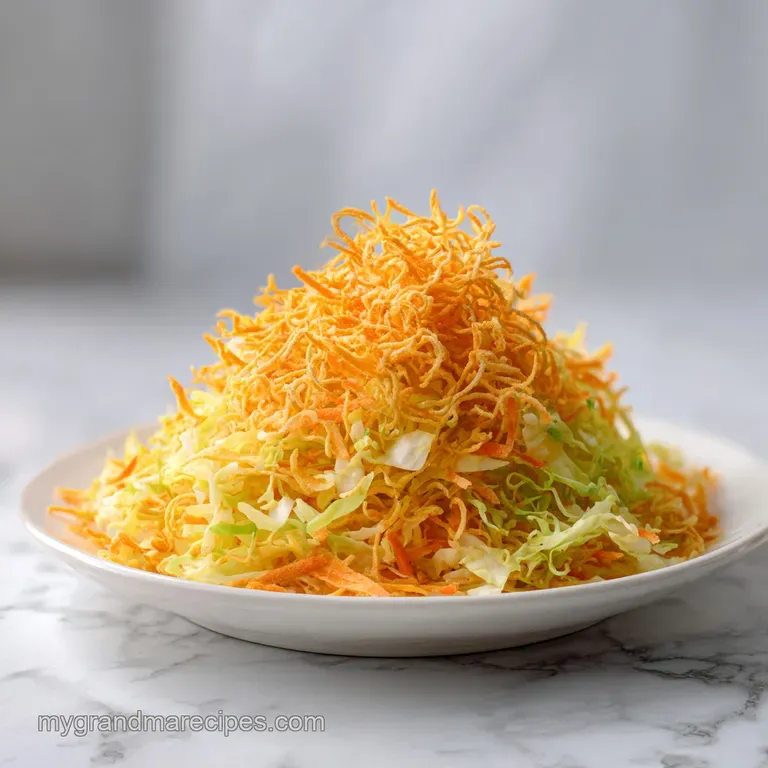
- Time:15 minutes prep + 5 minutes cook = Total 20 minutes
- Flavor/Texture Hook: Nutty, shattered ramen crunch with glossy, zesty dressing
- Perfect for: Potlucks, quick weeknight sides, or meal prep lunches
- The Best Crunchy Asian Ramen Noodle Salad Recipe
- Quick Breakdown for Your Next Party
- Ingredients for Maximum Umami Crunch
- Minimal Tools for Easy Prep
- Step-by-Step Assembly Guide
- Fixing Texture and Flavor Issues
- Customizing Your Flavor Profile
- Setting the Record Straight
- Fresh Storage and Waste Tips
- Ideal Pairings for This Salad
- Recipe FAQs
- 📝 Recipe Card
The Best Crunchy Asian Ramen Noodle Salad Recipe
The first time I tried making this, I did something truly baffling: I boiled the ramen. I thought, "Well, it's a noodle, so it needs to be cooked," right? Total disaster. I ended up with a bowl of limp, wet cardboard mixed with cabbage. It was the opposite of crunchy, and honestly, it was pretty depressing.
I remember staring at the bowl and wondering why every single person on the internet was raving about the "shatter" of the noodles.
Then I tried the toast method. The second those dry noodles hit the hot oil, the smell changed from "instant flour" to something deeply nutty and toasted. When I folded them into the cabbage at the very last second, it was a total flip.
The contrast between the cold, crisp vegetables and the warm, toasted ramen is what makes this work. It's a lesson in texture that I'll never forget, and it's exactly how we're doing it today.
Trust me on this: don't even bother boiling the water. We're going for that specific, brittle crunch that only comes from a quick sear in a pan. It's faster, less messy, and a million times better. Let's crack on and get this assembled.
Quick Breakdown for Your Next Party
Before we get into the weeds, you need to know how this scales. Since this is a frequent potluck request, I've found that the amount of cabbage you use can really change the "crunch to veg" ratio. If you're feeding a crowd, you might want to lean heavier on the ramen to keep that satisfying snap.
Right then, here's a quick guide on how to adjust the volume depending on who's coming over.
| Servings | Ingredient Adjustments | Pan Size | Cook Time |
|---|---|---|---|
| 4 people | 1 pack ramen, 3 cups cabbage | 10 inch skillet | 3-4 minutes |
| 8 people | 2 packs ramen, 6 cups cabbage | 12 inch skillet | 5 minutes |
| 16 people | 4 packs ramen, 12 cups cabbage | Work in batches | 5 mins per batch |
The most important thing here is the pan size. If you overcrowd the skillet when toasting the noodles, they'll steam instead of fry, and you'll lose that mahogany color.
Ingredients for Maximum Umami Crunch
The secret to this dish isn't just the ramen, it's how the different components interact. We're balancing the heavy fats of the oil and sesame with the sharp acidity of rice vinegar. If you skip the ginger or the honey, the dressing feels flat, like it's missing a dimension.
I've spent way too much time experimenting with different types of cabbage, and while a pre mixed bag of coleslaw is the ultimate shortcut, adding a handful of red cabbage gives it that visual pop. It makes the dish look like something you'd actually pay for at a bistro.
Component Analysis
| Ingredient | Science Role | Pro Secret |
|---|---|---|
| Ramen Noodles | Texture Base | Break them into tiny pieces for better oil coverage |
| Rice Vinegar | Acid Balance | Use unseasoned for more control over salt/sugar |
| Sesame Oil | Aroma Layer | Add at the end of dressing to keep the scent potent |
| Honey | Binding Agent | Helps the dressing cling to the smooth cabbage leaves |
Minimal Tools for Easy Prep
You don't need a fancy kitchen to pull this off. In fact, using too many bowls just means more cleanup. I keep it simple: one skillet for the noodles, one big bowl for the veg, and a jar for the dressing.
Using a jar for the dressing is a total pro move. Instead of whisking for five minutes, you just shake it like a cocktail. It gets the honey and oil emulsified way faster and ensures every drop of ginger is distributed.
Chef's Note: If you don't have a jar, a whisk and a bowl work, but you'll need to be more aggressive to get that glossy finish.
Step-by-step Assembly Guide
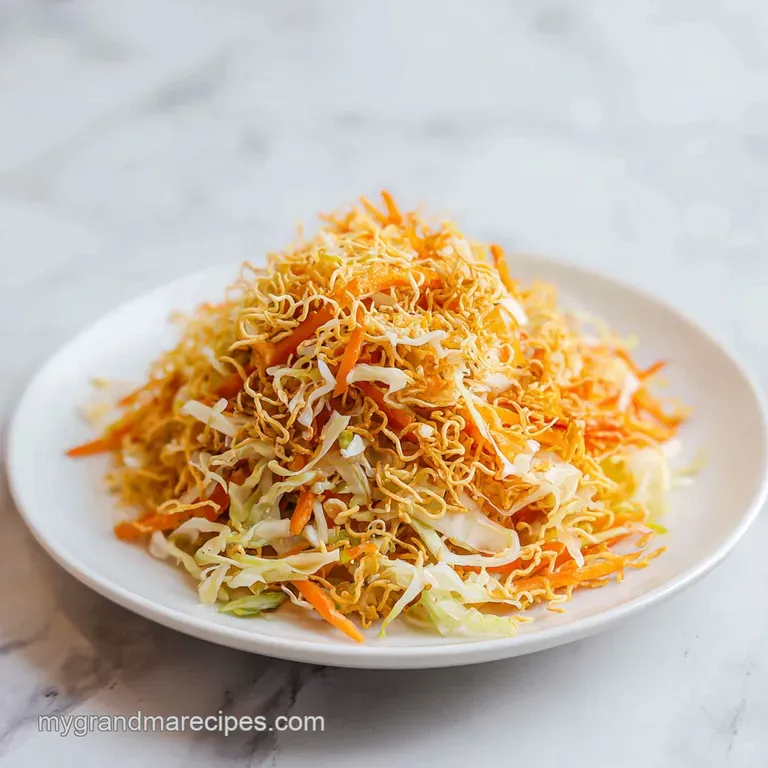
Let's get into the actual process. Remember, the timing of the "crunch" is everything. If you add the noodles too early, the dressing will soak into them, and you'll be right back to that soggy mess I made my first time.
1. Searing the Noodles
Heat the vegetable oil in a skillet over medium heat. Add the broken ramen noodles (discarding the flavor packets). Stir constantly for 3-5 minutes until the noodles reach a mahogany colored hue and smell nutty, then remove from heat immediately.
Note: These burn fast, so don't walk away from the stove.
2. Assembling the Cold Base
In a large mixing bowl, combine the shredded cabbage, carrots, green onions, and red cabbage. Gently fold in the mandarin orange segments. Note: Be gentle with the oranges so they don't burst and make the cabbage wet.
3. Emulsifying the Vinaigrette
In a separate jar or bowl, whisk together the neutral oil, rice vinegar, soy sauce, honey, sesame oil, and grated ginger until the dressing is glossy and emulsified.
4. The Final Toss
Pour the dressing over the cabbage mixture and toss to coat. Just before serving, fold in the toasted ramen noodles, sliced almonds, and sunflower seeds to maintain crispness.
Fixing Texture and Flavor Issues
Even with a simple recipe, things can go sideways. Usually, it's a matter of moisture management. Cabbage holds a lot of water, and if your dressing is too thin, it'll pool at the bottom of the bowl, turning your crunchy ramen into mush.
The Sogginess Problem
If your salad turns watery, it's usually because the cabbage wasn't dry or the noodles were added too soon. The dressing breaks down the cell walls of the vegetables, releasing water over time.
| Problem | Root Cause | Solution |
|---|---|---|
| Soggy Noodles | Added too early | Fold in noodles seconds before serving |
| Watery Base | Wet cabbage/oranges | Pat ingredients dry with paper towels |
| Bland Taste | Not enough acid | Add an extra teaspoon of rice vinegar |
The Flavor Imbalance
Sometimes the soy sauce can overpower the other notes, or the honey makes it too sweet. It's all about that tug of-war between salty and sweet. If it tastes "off," add a pinch of salt or a drop more vinegar to reset the palate.
Preventive Checklist
- ✓ Pat mandarin oranges completely dry after draining
- ✓ Toast noodles in small batches if using a small pan
- ✓ Use a sharp knife or grater for the ginger to avoid clumps
- ✓ Keep the toasted noodles in a separate container until the last minute
Customizing Your Flavor Profile
Once you've nailed the base, you can start playing with the ingredients. I've found that this recipe is incredibly forgiving. If you want something a bit lighter, you can swap some of the cabbage for kale, though it'll change the "snap" to more of a "chew".
For those who prefer a different vibe, you might try my Classic Chopped Salad if you're looking for something without the Asian inspired dressing.
Ingredient Swaps
| Original Ingredient | Substitute | Why It Works |
|---|---|---|
| Honey (1 tbsp) | Maple Syrup (1 tbsp) | Similar sweetness. Note: Adds a slightly woody flavor |
| Sliced Almonds | Toasted Peanuts | Similar crunch. Note: Much more intense, buttery taste |
| Mandarin Oranges | Fresh Pineapple | Tropical acidity. Note: Higher water content, add last |
| Rice Vinegar | Apple Cider Vinegar | Similar tang. Note: Slightly fruitier, less "sharp" |
Pro Customization Tips
- The Heat Kick: Stir in a teaspoon of Sriracha or red pepper flakes into the dressing for a slow burn.
- The Protein Boost: Add grilled shrimp or shredded rotisserie chicken to turn this from a side into a full meal.
- Nut Free Version: Swap almonds for toasted sesame seeds or pumpkin seeds (pepitas).
Setting the Record Straight
There are a few things people get wrong about this salad. For one, some say you can make the whole thing the night before. Honestly, don't do that. The ramen will lose its shatter, and the cabbage will wilt.
Another myth is that using the flavor packets from the ramen adds "extra depth". In reality, those packets are salt bombs filled with MSG and preservatives that clash with the fresh ginger and honey in our dressing. Stick to the fresh ingredients.
Fresh Storage and Waste Tips
This salad is best eaten fresh, but you can definitely prep components in advance. I usually shred the cabbage and carrots and keep them in a sealed container for up to 3 days.
Storage Guidelines
- Vegetable Mix: Fridge for 3-4 days in an airtight container.
- Toasted Noodles/Seeds: Store in a dry jar at room temperature for 2 weeks.
- Dressing: Fridge for up to 10 days. Just shake it before using since the oil will separate.
- Assembled Salad: Fridge for 12-24 hours. Note that the crunch will diminish significantly after the first 6 hours.
Zero Waste Tips
Don't throw away the outer leaves of the cabbage or the ends of the green onions. I toss them into a freezer bag for making vegetable broth later. Also, if you have leftover toasted ramen, sprinkle them on top of a bowl of hot soup or a stir fry for an instant texture upgrade.
Ideal Pairings for This Salad
Since this salad is so punchy and crunchy, you want to pair it with something that has a softer texture or a savory, comforting profile. It's a great way to balance out a heavier main course.
If you're serving this for a cozy dinner, it goes surprisingly well with a hearty soup. I often pair a bowl of this with my Rotisserie Chicken Noodle Soup to get that perfect mix of warm and cold.
- Grilled Salmon
- The zesty rice vinegar cuts through the richness of the fish.
- Teriyaki Tofu
- The sweet glaze on the tofu complements the honey in the salad.
- Pork Potstickers
- The crispy skins of the dumplings echo the crunch of the ramen.
Recipe FAQs
How to toast the ramen noodles?
Heat vegetable oil in a skillet over medium heat. Stir broken noodles constantly for 3-5 minutes until they reach a mahogany-colored hue and smell nutty.
Can I prepare this salad a day in advance?
Yes, but keep the components separate. Store the vegetable mix, dressing, and toasted noodles in individual containers to prevent the salad from becoming soggy.
Is it true that I need to boil the ramen before adding them to the salad?
No, this is a common misconception. The noodles are used dry and toasted in oil to provide the necessary crunch.
How to keep the noodles from getting soggy?
Fold in the toasted ramen noodles, almonds, and sunflower seeds immediately before serving. Adding these elements too early allows the dressing to soak into them and destroy the texture.
Can the dressing be made ahead of time?
Yes, it stays fresh in the fridge for up to 10 days. Just shake the jar before use since the oil will naturally separate over time.
How to ensure the dressing is glossy and emulsified?
Whisk the neutral oil, rice vinegar, soy sauce, honey, sesame oil, and ginger together vigorously. If you loved balancing these sweet and savory notes, see how we use a similar profile in our ground beef noodles.
How to store the assembled salad?
Place it in an airtight container in the fridge for 12 to 24 hours. Be aware that the crunch will diminish significantly after the first 6 hours.
Crunchy Asian Ramen Noodle Salad Recipe: Ready in 20 Minutes