Creamy Pesto Ravioli: Bistro-Quality Sauce
- Time: Active 5 minutes, Passive 15 minutes, Total 20 minutes
- Flavor/Texture Hook: Silky, nutty, and bright with a burst of acidity from the tomatoes.
- Perfect for: Busy weeknights, first time cooks, or an impressive but low effort date night.
- The Starch Fat Binding Theory
- Quick Decision: Comparing Stovetop and Oven Methods
- Component Analysis for the Best Results
- Essential Ingredients for a Silky Smooth Sauce
- Stepping Through the Cooking Process
- Solving Common Sauce Disasters
- Scaling for Different Crowds
- Debunking Kitchen Tales
- Storage and Zero Waste Tips
- Reheating and Freshness Guide
- Creative Pairing Ideas
- Critical Level of Sodium
- Recipe FAQs
- 📝 Recipe Card
The first time I attempted a version of this, I was standing in my kitchen at 7:00 PM on a rainy Tuesday, staring at a half empty jar of pesto and a pack of frozen ravioli. I was tired, my modern kitchen was a mess, and I just wanted something that didn't taste like "sad bachelor food." I threw the heavy cream in the pan, waited for that gentle sizzle as the garlic hit the butter, and hoped for the best.
When I swirled in the pesto, the kitchen immediately filled with the aroma of toasted pine nuts and fresh basil. It was a total win.
Since then, I’ve made every mistake in the book from letting the sauce boil too hard (don't do that, it splits!) to forgetting the pasta water. But that’s the beauty of being a home cook; you learn that the most "fancy" tasting dishes are usually just a few smart techniques away.
This recipe is exactly that. It’s less intimidating than a traditional roux based sauce but tastes significantly more complex than just pouring stuff out of a jar.
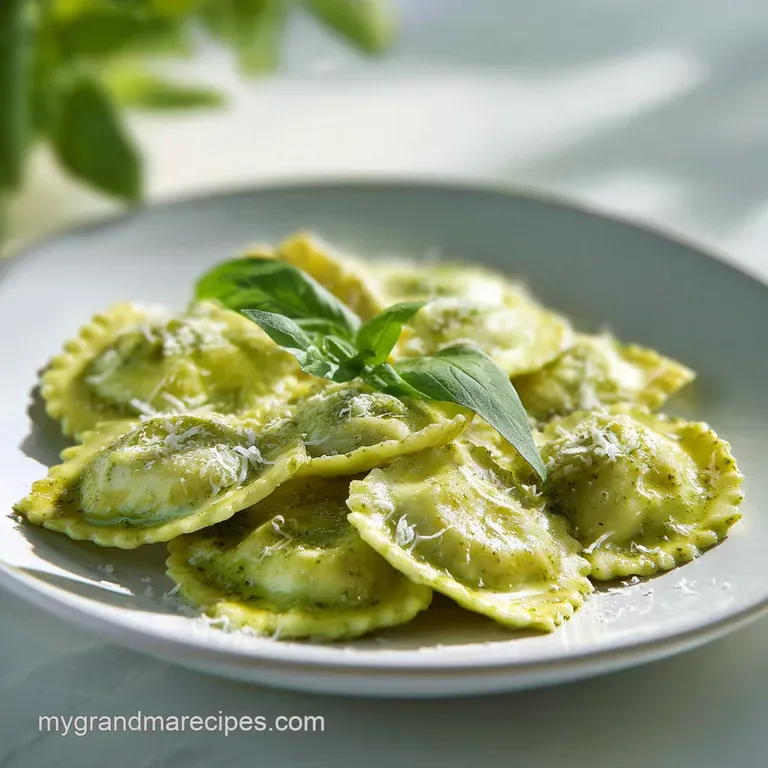
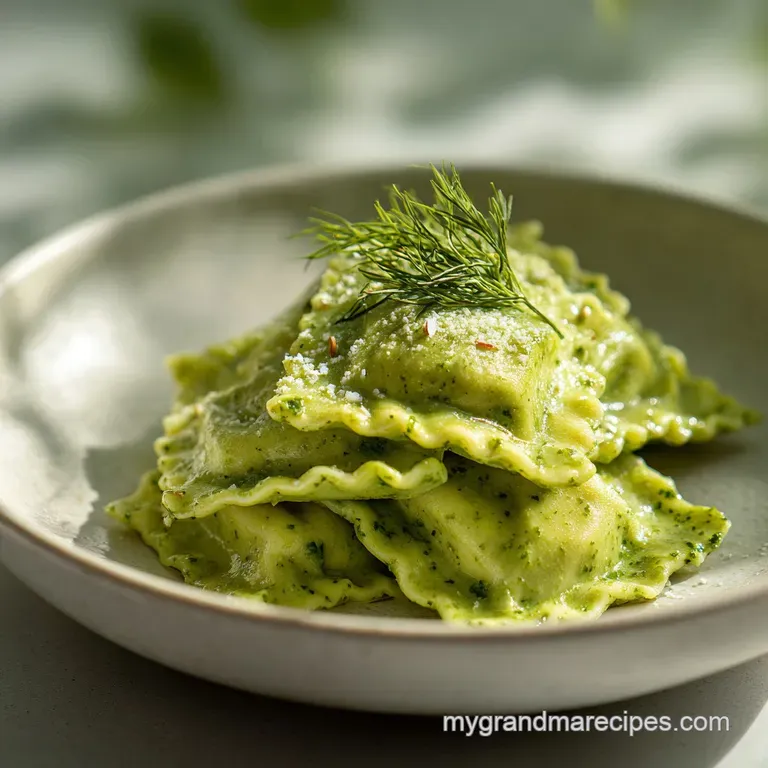
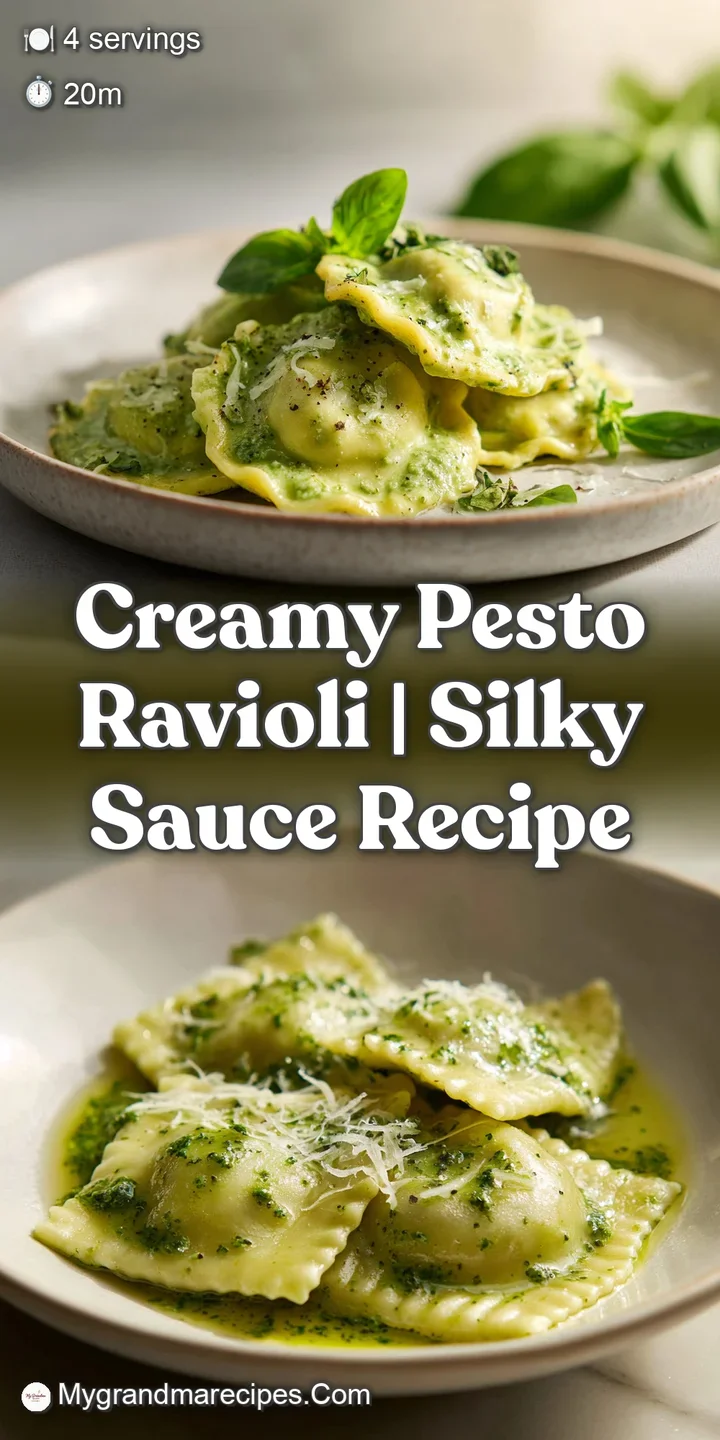
We are going for a texture that is absolutely velvety. No clumping, no oily separation, just a smooth, pale green coating that clings to every ridge of the ravioli. If you’ve ever struggled with pasta sauces that feel "heavy" or "greasy," this is the method that will change your mind.
Let’s get into why this works so well and how you can nail it on your first try.
The Starch Fat Binding Theory
The Emulsion Bridge: Starchy pasta water acts as a molecular bridge between the fats in the pesto/cream and the liquid components, creating a cohesive, silky glaze. This prevents the oil in the pesto from separating and pooling at the bottom of your bowl.
Quick Decision: Comparing Stovetop and Oven Methods
| Method | Time | Texture | Best For |
|---|---|---|---|
| Stovetop | 15 minutes | Silky and saucy | Maximum creaminess and speed |
| Oven Bake | 30 minutes | Bubbling and chewy | Feeding a crowd with extra cheese |
| One Pot | 18 minutes | Starchy and thick | Minimizing cleanup for beginners |
While the stovetop version gives you that restaurant style finish, sometimes a Pesto Ranch Chicken recipe or a baked pasta is what the soul needs. For this specific ravioli, I highly recommend staying on the stovetop to keep the delicate pasta from overcooking.
Choosing the right method depends on your mood. The stovetop keeps the spinach bright and the cream light, whereas the oven develops those crispy cheese edges that some people live for. If you're a beginner, stick to the pan it’s easier to monitor the sauce consistency in real time.
Component Analysis for the Best Results
| Ingredient | Science Role | Pro Secret |
|---|---|---|
| Heavy Cream | Fat Stabilizer | Use room temp cream to prevent the sauce from "shocking" and curdling. |
| Pasta Water | Emulsifier | Never toss it! The amylose starch is what makes the sauce stick to the ravioli. |
| Parmesan | Umami & Thickener | Grate it yourself; pre shredded cheese is coated in cellulose which prevents melting. |
| Basil Pesto | Flavor Base | Add this at the very end to keep the basil flavor bright and the color vibrant. |
Chef's Tip: Freeze your Parmesan rind! While we use freshly grated cheese for the sauce, tossing a leftover rind into the simmering cream for 5 minutes adds a massive depth of savory flavor you can't get elsewhere.
Essential Ingredients for a Silky Smooth Sauce
- 20 oz spinach and ricotta ravioli: The base of our meal. Why this? The ricotta filling balances the bold, nutty notes of the pesto sauce perfectly.
- 1 tbsp Kosher salt: For the pasta water. Why this? It's our only chance to season the actual pasta dough from the inside out.
- 1/2 cup reserved starchy pasta water: Our "liquid gold." Why this? It binds the sauce together so it doesn't just slide off the pasta.
- 1 tbsp unsalted butter: For sautéing. Why this? Adds a rounded, milky flavor that oil simply lacks.
- 2 cloves garlic, minced: The aromatic foundation. Why this? Fresh garlic provides a sharp bite that cuts through the rich heavy cream.
- 1 cup heavy cream: The "creamy" in our creamy pesto ravioli. Why this? It has the fat content necessary to stay stable when mixed with acidic ingredients.
- 1/2 cup basil pesto: The primary flavor driver. Why this? high-quality pesto provides herbs, nuts, and oil in one concentrated punch.
- 1/2 cup freshly grated Parmesan cheese: For salt and structure. Why this? It melts into the cream to create a thick, luscious coating.
- 1/4 tsp cracked black pepper: For a hint of warmth.
- 1 cup grape tomatoes, halved: For a pop of acidity.
- 2 cups fresh baby spinach: For color and nutrients.
Stepping Through the Cooking Process
- Boil the water. Fill a large pot with water and add the 1 tbsp Kosher salt. Note: The water should taste like the sea; this is vital for the ravioli's flavor.
- Cook the pasta. Drop the 20 oz spinach and ricotta ravioli into the boiling water. Cook for 3-4 minutes until they float to the surface.
- Save the water. Before draining, dip a measuring cup into the pot and grab 1/2 cup reserved starchy pasta water. Note: This is a non negotiable step for a smooth sauce.
- Sauté the aromatics. In a large skillet over medium heat, melt the 1 tbsp unsalted butter. Add the 2 cloves minced garlic and sizzle for 1 minute until fragrant but not browned.
- Build the cream base. Pour in the 1 cup heavy cream and add the 1/4 tsp cracked black pepper. Bring to a low simmer. Note: Do not let it reach a rolling boil, or the fat may separate.
- Whisk in the flavor. Stir in the 1/2 cup basil pesto and 1/2 cup freshly grated Parmesan cheese. Whisk constantly until the cheese is fully melted and the sauce is a uniform pale green.
- Emulsify. Slowly stream in half of the reserved pasta water while whisking. Note: You'll see the sauce transform from "oily" to "velvety" almost instantly.
- Wilt the greens. Add the 2 cups fresh baby spinach and 1 cup halved grape tomatoes to the skillet. Stir for 1-2 minutes until the spinach just begins to collapse.
- The final toss. Add the cooked ravioli to the skillet. Gently fold the pasta into the sauce until every piece is thoroughly coated and glistening.
- Adjust and serve. If the sauce is too thick, add the remaining pasta water a tablespoon at a time. Serve immediately while the sauce is at its peak silkiness.
Solving Common Sauce Disasters
Why Is My Sauce Separating?
If you see beads of oil floating on top of your sauce, it usually means the heat was too high or you didn't use enough pasta water. When the cream gets too hot, the proteins clump together and "kick out" the fat.
To fix this, remove the pan from the heat immediately and whisk in a tablespoon of cold water or extra cream.
Why Are My Ravioli Bursting?
Ravioli are delicate. If you boil them too vigorously, the edges can shatter and the filling will leak out, leaving you with empty pasta skins. Keep the water at a gentle simmer rather than a violent boil. Also, always use a slotted spoon to transfer them rather than dumping them into a colander.
| Problem | Root Cause | Solution |
|---|---|---|
| Sauce is grainy | Pre shredded cheese used | Use a microplane to grate fresh Parmesan. |
| Bland flavor | Not enough salt in water | Add a pinch of salt to the finished sauce. |
| Thin, watery sauce | Not enough reduction | Simmer the cream for 2 more minutes before adding pesto. |
Common Mistakes Checklist
- ✓ Never rinse your pasta; you want that starch to help the sauce stick.
- ✓ Don't add the pesto to boiling water; heat destroys the delicate basil aromatics.
- ✓ Use a large enough skillet; overcrowding makes it impossible to toss the ravioli without breaking them.
- ✓ Taste your sauce before adding the pasta; it's much easier to season the liquid than the finished dish.
- ✓ Halve your tomatoes; if left whole, they won't release their juices into the sauce.
Scaling for Different Crowds
How to Scale Down (1-2 Servings): If you're cooking for one, use a small 8 inch skillet. Use half the ravioli and half the cream, but keep the garlic at one clove nobody ever complained about too much garlic!
Reduce the simmer time for the cream by about 3 minutes since a smaller volume heats faster.
How to Scale Up (8+ Servings): Double everything exactly, but be careful with the salt; only use 1.5x the amount of Kosher salt in the water to avoid over seasoning.
You will likely need to work in batches to toss the pasta with the sauce, or use a very large wide bottomed pot (like a Dutch oven) to ensure even coating without crushing the ravioli.
If you find yourself making a massive batch of this, consider pairing it with a side of garlic parmesan meatballs recipe to make it a more substantial feast. The savory meatballs complement the nutty pesto beautifully.
Debunking Kitchen Tales
Adding oil to pasta water prevents sticking. This is a total myth. Oil just floats on top of the water and then coats the pasta as you drain it, which actually prevents the sauce from sticking to the ravioli. Just use plenty of water and stir occasionally.
Fresh pasta is always better than dried or frozen. Not necessarily! For a heavy sauce like this easy creamy pesto ravioli, a high-quality frozen or refrigerated ravioli often has a sturdier dough that holds up better to being tossed in a skillet than a very thin, delicate fresh made sheet.
Storage and Zero Waste Tips
Storage Guidelines: Fridge: Store in an airtight container for up to 3 days. Note: The pasta will absorb the sauce as it sits, so it will be much thicker the next day.
Freezer: I don't recommend freezing the assembled dish, as the cream sauce will likely break and become grainy upon thawing.
Zero Waste Strategies: Don't throw away those spinach stems! Finely chop them and sauté them right along with the garlic for extra fiber and crunch. If you have leftover pesto in the jar, add a splash of vinegar and olive oil to the jar, shake it up, and you’ve got a quick vinaigrette for tomorrow's lunch.
Also, if you have leftover tomatoes that are looking a bit wrinkly, roast them at 400°F (200°C) for 10 minutes to intensify their sweetness before adding them to the pasta.
Reheating and Freshness Guide
Reheating cream based pasta can be tricky because the microwave tends to turn the sauce into a pool of oil. The best way to revive this dish is on the stovetop. Put the leftovers in a small pan over low heat and add a splash of milk or a tiny bit of water. Stir gently as it warms up to re emulsify the sauce.
If you absolutely must use the microwave, do it in 30 second bursts at 50% power. Stir between each interval. This "low and slow" approach prevents the fat in the heavy cream from separating and keeps the ravioli from getting rubbery.
Creative Pairing Ideas
What to serve with pesto ravioli? Since this is a rich, decadent dish, you want something bright and acidic to cut through the fat. A simple arugula salad with a lemon shallot dressing is my go to. The peppery bite of the arugula mimics the basil notes in the pesto.
If you’re looking for more inspiration, this dish is very similar in vibe to a Three Cheese Rigatoni recipe. You could even serve them side-by-side for a "pasta flight" night. For bread, skip the heavy garlic bread and go for a light, crusty sourdough to mop up every last drop of that velvety green sauce.
If you want X, do Y: If you want a crunchier texture, top the finished dish with toasted pine nuts or panko breadcrumbs sautéed in butter.
If you want a lighter version, swap half the heavy cream for whole milk and add an extra 1/4 cup of Parmesan to maintain thickness. If you want more protein, stir in some sliced grilled chicken or sautéed shrimp during the final toss.
Critical Level of Sodium
1145 mg mg of sodium per serving (50% % of daily value)
The American Heart Association recommends limiting sodium intake to about 2,300mg per day for overall health.
Tips to Reduce Sodium in Your Ravioli Recipe
-
Lower Sodium Cheese-20%
Substitute Parmesan cheese with a lower sodium cheese option like fresh mozzarella or ricotta salata. This can significantly reduce the sodium content as Parmesan is a high sodium cheese.
-
Reduce Added Salt-15%
Eliminate the added Kosher salt. Taste the dish before adding any salt. The Parmesan cheese and ravioli filling already contain sodium, so added salt may not be necessary. Instead, use fresh herbs.
-
Homemade Pesto-15%
Prepare your basil pesto from scratch using unsalted nuts and little to no added salt. store-bought pesto often contains a high amount of sodium. This allows for better control over the sodium content.
-
Ravioli Choice-10%
Opt for a lower sodium ravioli brand or recipe. Check nutrition labels and compare sodium content per serving. This choice of ravioli will reduce sodium from the filling and pasta itself.
-
Skip Pasta Water-5%
While pasta water helps bind the sauce, it also adds back the sodium from cooking the ravioli. Reduce the amount added, or skip altogether.
-
Garlic Boost
Enhance the flavor with more garlic (fresh or roasted). Garlic can help compensate for the lack of salt.
Recipe FAQs
What to add to make pesto pasta creamy?
Add heavy cream and starchy pasta water. The cream provides the necessary fat base, and a splash of the reserved pasta water acts as an emulsifier to bind the fats into a silky sauce.
Does pesto go well with ravioli?
Yes, especially with ricotta filling. The earthy, nutty basil flavor pairs wonderfully with the slight tang of ricotta cheese found in standard ravioli.
How to keep pesto pasta creamy?
Remove the sauce from high heat before adding the pesto. High heat can cause the fats in the pesto and cream to separate; whisking in reserved starchy pasta water off the heat ensures a stable, velvety emulsion.
Can you mix pesto and cream?
Yes, it forms the base of this popular sauce. When mixing, introduce the pesto slowly to room temperature cream off the heat, whisking constantly to prevent curdling.
Why is my creamy pesto sauce separating into oil and liquid?
The heat was too high, causing the fat to break the emulsion. Immediately remove the pan from the burner and vigorously whisk in a tablespoon of cold water or milk to help bring the sauce back together.
Should I add the Parmesan cheese before or after the pesto?
Whisk the grated Parmesan in immediately after the cream, but before the pesto. This allows the cheese to melt fully into the warm cream base, creating a thick texture that perfectly cradles the later added pesto flavor.
What is the critical liquid needed for binding this sauce?
The reserved, starchy pasta water is absolutely critical. The starches suspended in that water act as a molecular bridge between the cream’s fat and the overall sauce volume. If you master this emulsification technique here, you can apply that same principle to sauces like our Penne Pomodoro Recipe for better sauce adhesion.
Creamy Pesto Ravioli
Ingredients:
Instructions:
Nutrition Facts:
| Calories | 784 kcal |
|---|---|
| Protein | 22.7 g |
| Fat | 53.2 g |
| Carbs | 55.8 g |
| Fiber | 2.1 g |
| Sugar | 4.2 g |
| Sodium | 1145 mg |
