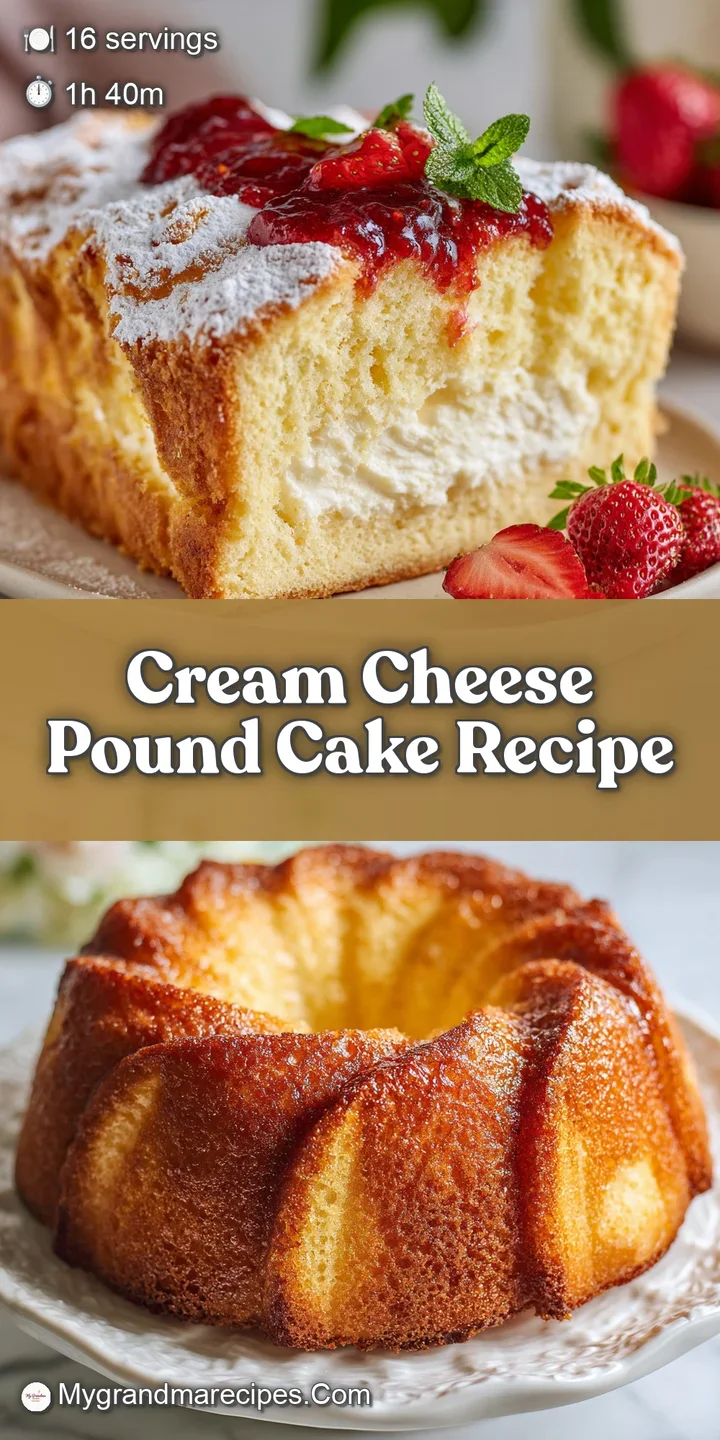
Cream Cheese Pound Cake Recipe: Velvety Crumb
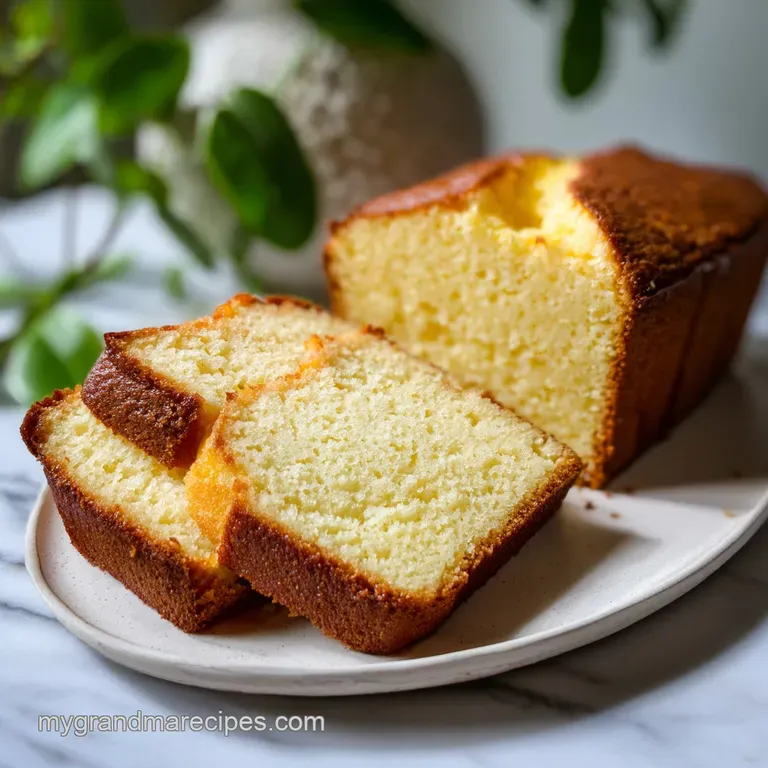
- Time: Active 20 minutes, Passive 1 hours 20 mins, Total 1 hours 40 mins
- Flavor/Texture Hook: Buttery, tangy crumb with a sugary shatter crust
- Perfect for: Sunday brunch, holiday gifting, or a comforting family dessert
- The Secret to This Cream Cheese Pound Cake Recipe
- Why This Golden Cake Stays Moist
- Component Analysis for Baking Success
- Selecting the Right Fats and Flours
- Essential Tools for the Perfect Crumb
- Step-by-Step Guide to a Velvety Cake
- Fixing Common Baking Errors with Ease
- Simple Swaps for Every Budget Kitchen
- Dispelling Kitchen Myths
- Keeping Your Pound Cake Fresh Longer
- Best Ways to Plate Your Slice
- Cream Cheese Pound Cake FAQs
- 📝 Recipe Card
The Secret to This Cream Cheese Pound Cake Recipe
In my grandma’s kitchen back in Tennessee, the world stopped when the stand mixer started its rhythmic hum. I remember the specific aroma of butter warming to room temperature alongside a foil wrapped brick of cream cheese. It wasn't just a cake; it was a weekend ritual.
We’d wait for that specific moment when the golden crust would pull away from the sides of the bundt pan, signaling it was time for the "thump" on the cooling rack.
This specific recipe is a departure from the dry, crumbly pound cakes of the past. By adding cream cheese, we introduce a tang that cuts through the sugar and a fat content that ensures the crumb stays moist for days.
It’s a budget smart way to get a professional, high end result without needing fancy fruit or expensive fillings. I’ve made this for church potlucks and birthday parties alike, and it never fails to be the first plate cleared.
You might be worried about the cake sinking or becoming too dense, but we’re going to walk through the exact steps to prevent that. We’ll focus on the chemistry of the creaming process and why the temperature of your eggs matters more than you think.
This is about more than just following a list; it’s about learning the feel of the batter as it transforms from gritty sugar into a velvety ribbon.
Why This Golden Cake Stays Moist
- Fat Emulsification: The combination of butter and cream cheese creates a stable fat structure that traps air bubbles effectively.
- Tenderizing Acid: Cream cheese provides a slight acidity that breaks down gluten strands for a softer bite.
- Sugar Saturation: Using three cups of sugar ensures the moisture is locked into the starch during the long bake.
- Protein Lift: Six large eggs provide the structural integrity needed to support a heavy, dense batter without collapsing.
| Method | Time | Texture | Best For |
|---|---|---|---|
| Standard Oven | 1 hour 20 mins | Shatter crisp crust, soft center | Traditional Sunday dinner |
| Dutch Oven (Stovetop) | 1 hour 45 mins | Steamed, ultra moist, pale crust | Camping or no oven days |
| Convection Oven | 1 hour 5 mins | Evenly browned, slightly drier | Busy bakers in a rush |
Growing up, we didn't always have the fancy gear, so we learned to make do with what was in the pantry. This version is designed to be approachable. If you've enjoyed making a Pound Cake Recipe before, you'll find the addition of cream cheese makes the process even more forgiving.
Component Analysis for Baking Success
| Ingredient | Science Role | Pro Secret |
|---|---|---|
| Philadelphia Cream Cheese | Provides lactic acid and fat for a velvety, dense texture. | Use full fat bricks only; tub versions contain too much water. |
| Cake Flour | Lower protein content prevents the cake from becoming tough or bread like. | Sift twice to aerate the flour before measuring by weight. |
| Granulated Sugar | Breaks down butter solids during creaming to create essential air pockets. | Beat until the mixture looks like whipped pale buttercream. |
The Physics of the Dense Crumb
The cream cheese acts as a stabilizer, preventing the butter from melting too quickly in the oven heat. This results in a tighter, more uniform cell structure that feels like velvet on the tongue.
Selecting the Right Fats and Flours
To get that authentic Southern bite, we need specific items. Don't skip the sifting step for the flour; it’s the difference between a brick and a masterpiece.
- Unsalted Butter (1.5 cups): Softened. Why this? Allows you to control the salt levels for a balanced flavor.
- Philadelphia Cream Cheese (8 oz): Full fat brick style. Why this? Provides the signature tang and moisture that oil cannot match.
- Granulated Sugar (3 cups): Standard white sugar. Why this? Essential for the creaming process and creating the mahogany crust.
- Large Eggs (6): Room temperature. Why this? Cold eggs will curdle the butter and ruin the emulsion.
- Cake Flour (3 cups): Sifted. Why this? Its fine texture ensures a delicate, melt in-your mouth crumb.
- Kosher Salt (1 tsp): Fine grain. Why this? Enhances the vanilla and almond notes without being salty.
- Pure Vanilla Extract (2 tbsp): high-quality. Why this? The primary flavor profile; don't be afraid to use the full amount.
- Almond Extract (0.5 tsp): Just a hint. Why this? Provides a professional "bakery" scent and depth.
- Powdered Sugar (1 cup): Sifted for the glaze.
- Heavy Cream (2 tbsp): For thinning the glaze.
- Fresh Lemon Juice (1 tsp): Brightens the final topping.
| Original Ingredient | Substitute | Why It Works |
|---|---|---|
| Cake Flour (3 cups) | All Purpose Flour (2.5 cups + 0.5 cup cornstarch) | Cornstarch lowers the protein level to mimic cake flour. |
| Pure Vanilla Extract | Imitation Vanilla | Much cheaper. Note: Flavor is nearly identical once baked at high heat. |
| Heavy Cream | Whole Milk | Lower fat but still thins the glaze effectively for drizzling. |
If you find yourself with extra ingredients, you can always pivot to a Gooey Butter Cake recipe which uses similar pantry staples but offers a different, more bars style texture.
Essential Tools for the Perfect Crumb
You don't need a professional kitchen, but a few specific tools make this much easier. A heavy duty stand mixer (like a KitchenAid) is your best friend here because the batter is quite thick.
- 10 cup Bundt Pan: Or a tube pan. Make sure it's heavy walled to prevent burning.
- Fine Mesh Sieve: For the flour and powdered sugar.
- Rubber Spatula: To scrape the bottom of the bowl (essential for the cream cheese).
- Instant Read Thermometer: To check the internal temperature (210°F is the goal).
Chef's Tip: Freeze your butter for 10 minutes before you start creaming. Grating it into the mixer while it's slightly firm actually helps it incorporate more air when combined with the sugar.
step-by-step Guide to a Velvety Cake
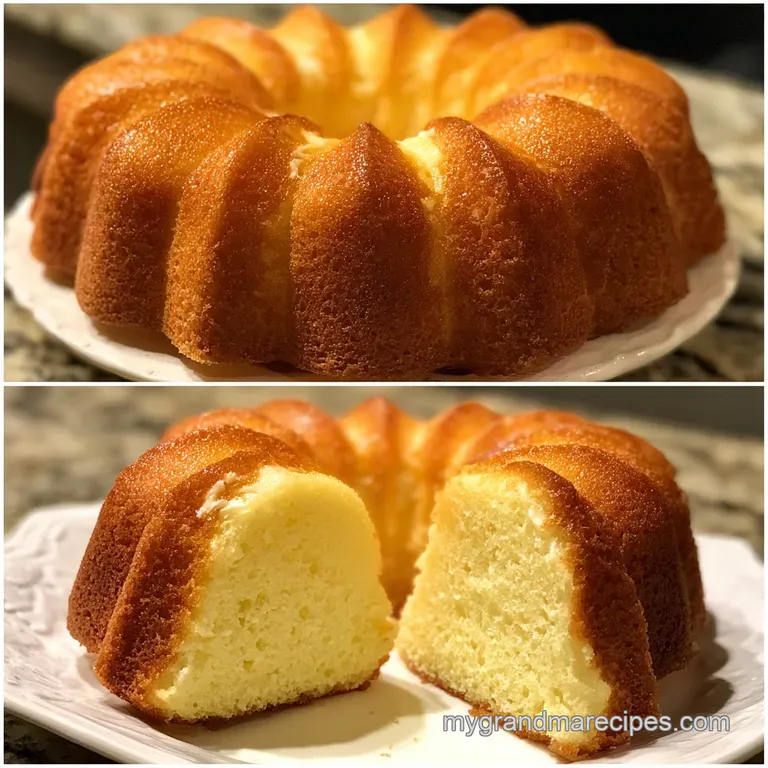
- Preheat oven. Set your rack to the middle position and heat to 325°F. Note: Low and slow is the only way to bake a cake this dense.
- Prep the pan. Grease your bundt pan generously with butter and dust with flour, tapping out the excess.
- Cream fats. Beat the butter and cream cheese together until smooth and no lumps remain.
- Add sugar. Pour in the sugar and beat on medium high for 7 minutes until the mixture looks like pale, fluffy clouds.
- Incorporate eggs. Add eggs one at a time, beating for 30 seconds after each until fully yellow and integrated.
- Flavor the base. Mix in the vanilla and almond extracts.
- Fold flour. Gradually add the sifted cake flour and salt on low speed until just combined. Note: Overmixing here will make the cake tough.
- Transfer batter. Spoon the thick batter into the pan and smooth the top with a spatula.
- Bake the cake. Place in the oven for 1 hour 20 mins until a skewer comes out clean and the edges shatter slightly.
- Cool and glaze. Let it rest in the pan for 20 minutes before flipping. Whisk the glaze ingredients and drizzle over the warm cake.
Fixing Common Baking Errors with Ease
Why Your Cake Sinks
This usually happens because too much air was whipped in during the egg stage, or the oven door was opened too early. The structure collapses before it sets. Make sure your eggs are room temperature to prevent the batter from breaking.
The Dreaded Stuck Cake
If your cake won't come out of the pan, it's likely the sugar in the crust caramelized too much or the pan wasn't greased into the crevices. Don't panic; we can fix this.
| Problem | Root Cause | Solution |
|---|---|---|
| Dense, gummy layer | Underbaking or cold ingredients | Use a thermometer; ensure all dairy is at room temperature. |
| Cracked top | Oven temperature too high | Reduce heat by 15°F and check for hot spots in your oven. |
| Dry crumb | Overbaked or too much flour | Measure flour by weight (360g) and check doneness 5 mins early. |
Common Mistakes Checklist
- ✓ Never skip sifting the cake flour; it prevents "flour pockets" in the dense batter.
- ✓ Avoid over greasing with oil; use softened butter for a better "grip" and crust.
- ✓ Don't peek! Opening the oven door before 60 minutes can cause a temperature drop.
- ✓ Stop mixing the moment the last streak of flour disappears to keep it tender.
Simple Swaps for Every Budget Kitchen
If you want to stretch your dollar, use store brand cream cheese as long as it is the "brick" style. You can also omit the almond extract if you don't have it on hand; the vanilla is the real star here.
- Downscaling: To make a half batch, use a standard loaf pan and bake for 50-60 minutes. Use 3 eggs and half of all other ingredients.
- Upscaling: If making two cakes for a holiday, do not double the salt or extracts fully. Use 1.5x the salt and spices to avoid overpowering the delicate butter flavor.
- Baking 2x: If baking two at once, ensure there is at least 3 inches of space between the pans for air circulation.
| Serving Count | Pan Size | Cook Time | Adjustments |
|---|---|---|---|
| 8 People | 9x5 Loaf Pan | 55 minutes | Use 3 eggs, 1.5 cups flour |
| 16 People | 10 cup Bundt | 1 hr 20 mins | Follow standard recipe |
| 32 People | Two Bundts | 1 hr 30 mins | Bake on separate racks; swap halfway |
Dispelling Kitchen Myths
One common misconception is that you must use expensive European butter for a good pound cake. While the higher fat content is nice, standard American AA butter works perfectly because the cream cheese provides the extra richness needed.
Another myth is that the "cold start" method (putting the cake in a cold oven) is the only way to get a good crust. While it works, a preheated oven at 325°F provides a more consistent, reliable rise every single time.
Keeping Your Pound Cake Fresh Longer
Storage: Store the cake under a glass dome or in an airtight container at room temperature for up to 3 days. Because of the high sugar and fat content, it actually tastes better on day two!
For longer storage, keep it in the fridge for up to 7 days, but let it sit on the counter for 30 minutes before serving to soften the butter.
Freezing: This cake freezes beautifully. Wrap individual slices in plastic wrap and then foil. It will stay fresh for up to 3 months. To thaw, just leave it on the counter overnight.
Zero Waste: If the cake starts to get a bit dry after a week, don't toss it. Slice it thin and toast it in a pan with a little butter for "pound cake croutons," or use cubes of it as the base for a decadent trifle.
Best Ways to Plate Your Slice
This cake is so rich it barely needs a thing, but a few Southern touches never hurt.
- Fresh Berries: Macerate strawberries with a teaspoon of sugar and spoon them over a thick slice.
- Whipped Cream: A dollop of unsweetened cream balances the heavy sugar of the cake.
- Grilled: In the summer, lightly grill a slice and top it with a scoop of peach ice cream.
If you are looking for more texture variety, a slice of this pairs beautifully alongside a Cherry Cheesecake Dump recipe for a dessert spread that covers all the bases from dense and buttery to fruity and light. Just remember, the best way to eat this is exactly how my grandma did: with a hot cup of coffee and a quiet morning on the porch. Enjoy every velvety bite!
Cream Cheese Pound Cake FAQs
What is the secret to making a good pound cake?
Room temperature ingredients, especially the butter and cream cheese. Cold ingredients prevent the creaming stage from trapping enough air, leading to a heavy, dense final product.
What is Oprah Winfrey's cream cheese pound cake?
Oprah's version is a famous recipe from Nannie Mae Fowler of Atlanta. While it shares the cream cheese requirement for moisture, most home recipes adapt Fowler's traditional ratios, focusing heavily on precise creaming.
What are common cream cheese cake mistakes?
The most common mistake is overmixing the batter after the flour is added. This develops gluten, resulting in a tough, bread like crumb instead of the desired velvety texture.
Should you refrigerate cream cheese pound cake?
No, keep it on the counter for the best flavor and texture. The high fat content keeps it fresh at room temperature for up to three days when stored airtight; chilling makes the crumb firm.
How do I ensure my cream cheese pound cake comes out of the Bundt pan cleanly?
Thoroughly grease the pan using softened butter, ensuring every crevice is coated. Then, dust generously with flour, tapping out all the excess before pouring in the batter.
Is it necessary to use cake flour instead of all-purpose flour in this recipe?
Yes, cake flour is highly recommended for the best texture. Its lower protein content prevents the heavy batter from becoming too chewy; if you must substitute, replace the missing protein with cornstarch.
What internal temperature should the cake reach before I take it out of the oven?
Pull the cake when an instant read thermometer registers 205°F to 210°F in the center. This slightly lower temperature prevents the cake from drying out during the necessary cooling time in the pan.
Cream Cheese Pound Cake Recipe
Ingredients:
Instructions:
Nutrition Facts:
| Calories | 490 kcal |
|---|---|
| Protein | 5.3 g |
| Fat | 24.6 g |
| Carbs | 62.7 g |
| Fiber | 0.6 g |
| Sugar | 45.1 g |
| Sodium | 188 mg |
