Budget-Friendly Chicken and Rice Soup Recipe
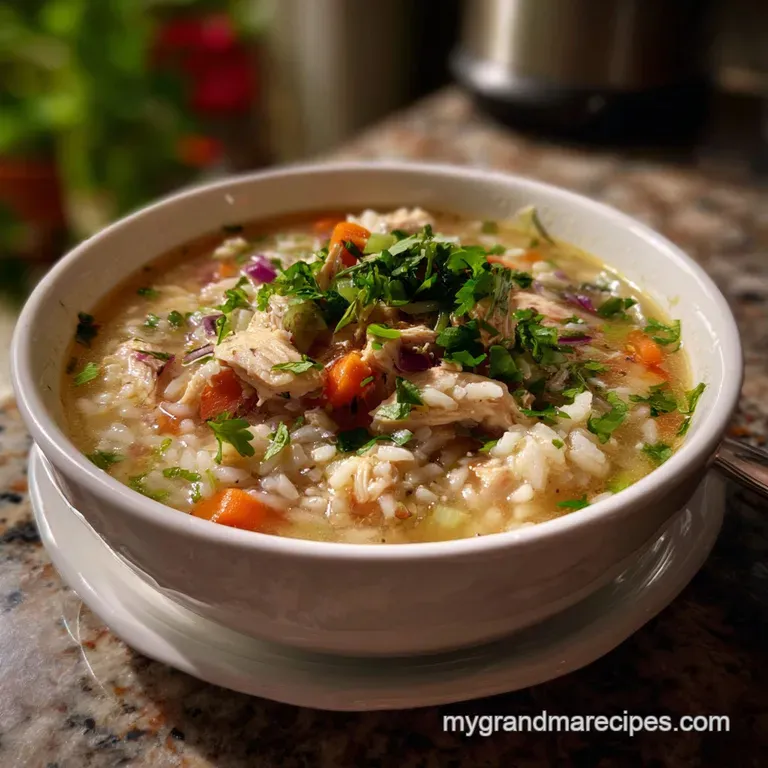
- Time: Active 10 minutes, Passive 20 minutes, Total 30 minutes
- Flavor/Texture Hook: Silky broth with tender chicken and aromatic herbs
- Perfect for: Budget-conscious weeknight dinners and immune-boosting meal prep
- Master the Ultimate Chicken and Rice Soup Recipe
- The Physics of Hearty Soup Emulsions
- Ingredient Deep Dive: Scientific Matrix
- Smart Substitutions for Budget Cooking
- Essential Tools for Professional Results
- Step-by-Step Cooking Protocol
- Common Problems and Expert Solutions
- Size Adaptation and Quantity Physics
- Facts vs Fiction: Old-School Truths
- Zero Waste Storage and Preservation
- Perfect Sides for Family Dinner
- Proportional Adjustments and Culinary Decisions
- Common Questions
- 📝 Recipe Card
Master the Ultimate Chicken and Rice Soup Recipe
When the damp cold of a Tennessee winter settles into your bones, your body craves more than just a quick snack; it needs a restorative embrace. This chicken and rice soup recipe solves the perennial problem of the "empty fridge-dinner" by transforming humble aromatics and a single pound of chicken into a feast for six.
I remember standing in my grandmother's kitchen, watching her stretch a few carrots and a bag of rice into a meal that felt like a king's ransom, teaching me that luxury isn't about cost, but about technique.
We often think that a "budget" meal means sacrificing depth, but that is simply a misunderstanding of how flavors develop. By focusing on the "Holy Trinity" of Southern cooking onion, carrots, and celery we build a foundational sweetness that permeates every grain of rice.
This isn't just a soup; it is a lesson in resourcefulness that yields a silky, aromatic result that will have your family asking for seconds before the first bowl is even finished. The success of this chicken and rice soup recipe truly lies in the quality of the broth base.
As the steam rises from the pot, you will notice the bright pop of lemon and the earthy hum of dried thyme working together to wake up your palate. This recipe focuses on the balance of acid and salt, ensuring that the low-sodium bone broth is transformed into a rich, mahogany colored liquid gold.
It is the kind of meal that mends a weary spirit and fills a house with the scent of safety and home, making it a superior chicken and rice soup recipe for cold weather.
The Physics of Hearty Soup Emulsions
Starch Gelatinization: As the long grain white rice simmers, the starch molecules absorb liquid and swell, eventually bursting to release amylose into the broth. This process creates a natural viscosity that provides a velvety mouthfeel without the added fat of butter or flour.
Collagen Hydrolysis: Using chicken bone broth ensures a high concentration of gelatin, which adds body and a "lip-smacking" quality to the liquid. Unlike water based soups, this protein rich base traps aromatic oils from the thyme and garlic, suspending them evenly throughout the pot for a consistent flavor in every spoonful.
Learning this technique is crucial for perfecting any homemade chicken and rice soup recipe.
Ingredient Deep Dive: Scientific Matrix
| Ingredient | Chemical/Physical Role (Science) | The Pro Secret (Why This Matters) |
|---|---|---|
| Chicken Bone Broth | Provides gelatin via collagen breakdown | Creates a silky mouthfeel and superior nutrient density |
| Fresh Lemon Juice | Acts as a pH adjuster to brighten heavy fats | Cuts through the richness and balances the earthy thyme |
| Long Grain Rice | Controlled starch release (amylose) | Thickens the soup slightly while maintaining individual grain integrity |
| Yellow Onion | Sugar caramelization (Maillard reaction) | Provides the deep, foundational sweetness and savory backbone |
Smart Substitutions for Budget Cooking
Choosing the right components ensures your budget stays intact without losing that "old-fashioned" quality we love. In my grandmother's kitchen, we never wasted a scrap, and that philosophy extends to how we select our elements today.
- Extra Virgin Olive Oil (1 tbsp): Why this? Provides a clean fat base that doesn't overwhelm the delicate aromatics. Substitute with unsalted butter or even rendered bacon fat for a smokier, more traditional Tennessee profile.
- Yellow Onion (150g): Why this? High sugar content allows for better caramelization than white onions. Use leeks or shallots if you have them on hand, though you'll need to double the volume of shallots.
- Boneless Chicken Breast (450g): Why this? Lean protein that poaches quickly to prevent overcooking during the rice simmer. Substitute with bone-in thighs for a richer flavor, but increase the simmer time by 10 minutes to ensure they are fully cooked.
- Dried Thyme (1 tsp): Why this? Volatile oils are concentrated, providing a consistent herbaceous note. Fresh thyme works beautifully just use three times the amount (1 tbsp) to account for the water content in fresh leaves.
- Chicken Bone Broth (1.4L): Why this? Higher protein and mineral content than standard stock. If you only have bouillon cubes, use them, but add a pinch of unflavored gelatin to mimic the texture of real bone broth.
- Long Grain White Rice (145g): Why this? Lower starch than short grain prevents the soup from turning into a thick porridge. Brown rice is a hearty swap, but you must pre-cook it or increase the broth by 500ml and the simmer time by 25 minutes.
Essential Tools for Professional Results
You don't need a high tech kitchen to master this chicken and rice soup recipe, but using the right heavy bottomed vessel is non-negotiable for even heat distribution.
A Lodge 6 Quart Cast Iron Dutch Oven is my preferred choice because it retains heat beautifully, allowing the rice to simmer at a consistent temperature without scorching the bottom.
For the prep work, a sharp Victorinox Swiss Army Chef's Knife ensures clean cuts on your carrots and celery, which allows them to cook at the same rate. You will also want a fine mesh strainer for rinsing your rice; this is a critical step to remove excess surface starch that would otherwise make your soup murky.
Finally, a sturdy wooden spoon is essential for scraping up the "fond" those brown bits of flavor from the bottom of the pot after sautéing your vegetables.
step-by-step Cooking Protocol
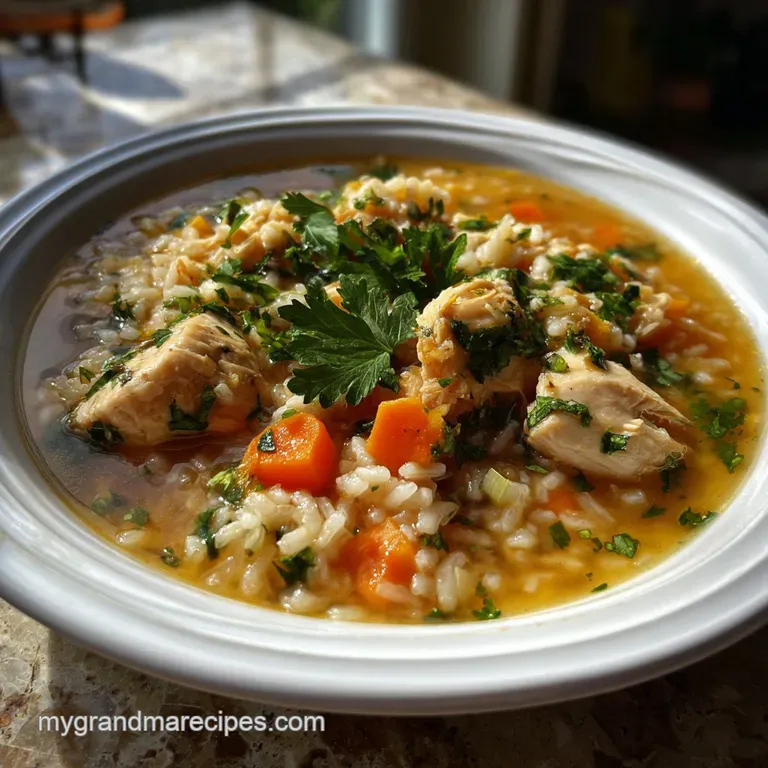
- Rinse 145g long grain white rice in a fine mesh sieve under cold water for 60 seconds until the water runs clear. Note: Removes surface starch to ensure the broth remains translucent rather than gummy.
- Heat 15 ml extra virgin olive oil in a large Dutch oven over medium heat for 2 minutes until the oil shimmers and a drop of water sizzles instantly.
- Add 150g diced yellow onion, 100g sliced carrots, and 100g sliced celery to the pot.
- Sauté aromatics for 6 minutes until the onions turn translucent and the edges of the carrots begin to soften.
- Stir in 3 minced garlic cloves and 1g dried thyme, cooking for 60 seconds until the kitchen smells intensely of toasted herbs and garlic.
- Pour in 1.4L low-sodium chicken bone broth, using your spoon to scrape any browned bits off the bottom of the vessel.
- Add 450g cubed chicken breast, 145g rinsed rice, 1 bay leaf, 6g sea salt, and 1g black pepper to the boiling liquid.
- Lower the heat to a gentle simmer and cover the pot tightly.
- Cook for 18 20 minutes until the rice is tender to the bite and the chicken reaches an internal temperature of 165°F (74°C).
- Stir in 15 ml fresh lemon juice, 10g chopped parsley, and 30g fresh baby spinach just before serving until the spinach wilts into a vibrant forest green.
Common Problems and Expert Solutions
Why Your Rice Turned Mushy
When rice is overcooked or left in hot liquid for too long, the starch granules undergo complete disintegration, turning the soup into a thick, starchy paste. This is often caused by simmering the soup too vigorously or failing to rinse the rice before cooking.
| Problem | Root Cause | The Fix | Pro Protocol |
|---|---|---|---|
| Gummy Texture | Excess surface starch | Rinse rice until water is clear | Use parboiled rice for extra resilience |
| Dry Chicken | Over coagulation of proteins | Lower simmer temperature | Cube chicken into uniform 3/4 inch pieces |
| Bland Broth | Lack of acidity | Add 1 tsp lemon juice | Sauté aromatics until they begin to brown |
Correcting an Over Thickened Soup
If you find your leftovers have turned into a casserole overnight, don't panic. The rice continues to absorb liquid as it sits, a process known as starch retrogradation. To fix this, add 1/2 cup of broth or water when reheating and stir gently to loosen the grains without breaking them.
This liquid addition is a necessary step when reviving day-old chicken and rice soup recipe.
Fixing a Flat Flavor Profile
Sometimes a soup tastes "one-note" despite following the recipe. This is usually a sign that the flavors haven't been "brightened." A small splash of acid, like the lemon juice in this recipe, or a pinch of extra salt can unlock the aromatic compounds in the thyme and garlic. If you’re making a feast, try this Homemade Gravy Recipe to add even more richness to your table.
Size Adaptation and Quantity Physics
Scaling Down (1/2 Batch): When making a smaller portion, use a smaller pot to maintain the depth of the liquid. If the pot is too wide, the broth will evaporate too quickly, leaving the rice undercooked.
Reduce the simmer time by about 3 minutes as the smaller thermal mass will heat and cook faster.
- Liquid Paradox
- When doubling the recipe, only use 1.75x the broth (approx 2.4L) instead of 2x. Larger pots lose less moisture to evaporation proportionally.
- Flavor Scaling
- Increase salt and spices by 1.5x initially, then taste and adjust. Doubling spices exactly can often lead to an overwhelming or bitter profile.
- Batch Sautéing
- Do not crowd the pot when sautéing the 300g of onions. Work in two batches if necessary to ensure they sweat properly rather than steaming. This attention to detail keeps the foundation of your chicken and rice soup recipe strong.
Facts vs Fiction: Old-School Truths
Myth: You must boil the chicken for hours to get a good broth. Truth: Boiling chicken for hours results in "stringy," dry meat because the muscle fibers tighten and squeeze out all moisture.
For the best chicken and rice soup recipe, a gentle 20 minute simmer is all that's required to keep the breast meat tender while the bone broth provides the depth.
Myth: Rinsing rice removes all the nutrients. Truth: While rinsing removes a tiny amount of surface fortification, the culinary benefit of a clean, non-gummy broth far outweighs the negligible loss.
Most of the rice's nutrition is contained within the grain itself, not the dusty starch on the outside.
Zero Waste Storage and Preservation
Store your soup in airtight glass containers in the fridge for up to 4 days. Because the rice will continue to drink up the broth, I recommend storing the rice and broth separately if you are intentionally meal prepping. This prevents the "mush factor" entirely.
For zero waste cooking, don't discard your carrot peels or celery ends. Keep a "stock bag" in your freezer to collect these scraps along with your onion skins. Once the bag is full, simmer them with water for two hours to create a free, aromatic base for your next batch of soup.
The herb stems from your parsley can also be finely chopped and added to the sauté step for extra flavor they contain just as much aromatic oil as the leaves!
Perfect Sides for Family Dinner
A bowl of this soup is a meal in itself, but it truly shines when paired with the right textures. Serve this with a warm, flaky Homemade Biscuits Recipe to soak up every last drop of the lemon thyme broth. The buttery layers of the biscuits provide a beautiful contrast to the light, healthy nature of the soup.
If you are looking for a more indulgent spread, this soup pairs well with Homemade Mac and recipe. The creamy cheese sauce and the bright, acidic soup create a balanced "soup and side" combo that feels like the ultimate Southern comfort. For another hearty addition, a simple side salad with a sharp vinaigrette helps to reset the palate between bites of the savory rice.
Proportional Adjustments and Culinary Decisions
Mastering the Starch Suspension
To achieve the "perfect" consistency, observe the broth at the 15 minute mark. If you prefer a thinner, more brothy soup, stop the cooking as soon as the rice is al dente. If you like a "porridge style" comfort meal, allow it to simmer for the full 20 minutes and let it sit off the heat for 5 minutes before serving to let the starches fully bloom.
Customizing the Aromatic Base
While we use a standard mirepoix, you can create a "budget smart" variation by using whatever is in your crisper drawer. Parsnips can replace half the carrots for an earthier, spicy note, and red bell peppers add a sweetness that mimics the flavor profile of a Lowcountry boil.
Poaching for Protein Integrity
The key to this chicken and rice soup recipe is the "flash poach" method. By cutting the chicken into small 3/4 inch cubes, we ensure they cook in the same time it takes the rice to soften.
This prevents the "rubbery" texture often found in soups where the chicken is boiled for the duration of the cooking process.
- If you want a thicker soup, mash 1/4 cup of the cooked rice against the side of the pot with a fork and stir it back in.
- If you want more zing, double the lemon juice and add a teaspoon of lemon zest during the final step.
- If you want a deeper color, sauté the onions for 10 minutes instead of 6, allowing them to reach a deep golden brown.

Common Questions
Can I use brown rice instead of white rice?
Yes, but increase the simmering time significantly. Brown rice retains its bran layer, requiring more liquid absorption time to become tender. If you are interested in flavor transfer techniques, see how the same principle works in our Banana Bread Recipe: Moist Loaf with Yogurt for managing grain texture.
Is it necessary to rinse the rice before adding it?
Yes, rinsing is critical for a clear broth. Excess surface starch gelatinizes too quickly, causing the soup to become opaque and gluey. Rinsing ensures the starch is released gradually during the simmer, promoting silky body.
Why is my chicken tough and dry?
Overcooking causes muscle fibers to contract and seize protein. Prolonged high heat above 165°F (74°C) denatures the proteins rapidly, squeezing out moisture content.
- Cut chicken into uniform pieces
- Maintain a gentle simmer, not a rolling boil
- Remove bay leaf promptly after 20 minutes
Which type of broth provides the richest flavor base?
Chicken bone broth yields superior body and mouthfeel. Standard stock lacks the gelatin content derived from simmering collagen rich bones, resulting in a thinner liquid. Bone broth adds natural viscosity and a savory depth that water cannot replicate.
Can I skip sautéing the vegetables (onion, carrot, celery)?
No, sautéing builds the foundational flavor through caramelization. This initial cooking step develops complex sugars via the Maillard reaction, creating depth. Skipping it yields a flat, watery taste, unlike the rich profile in our Fried Chicken Recipe: Succulent Brine which relies on surface searing.
Myth: Freezing leftovers makes the rice mushy.
Myth: Freezing ruins the rice texture irreparably. Reality: The main issue is water expanding during freezing, causing cell damage; reheating slowly with added liquid mitigates this textural shift.
What is the best way to add acidity to brighten the final soup?
Fresh lemon juice added at the very end works best. Acidity needs minimal heat exposure to prevent it from volatilizing off; adding it late keeps the flavor bright and palate cleansing. This technique of balancing richness with acid is essential, similar to how we manage sweetness in our Coleslaw Recipe That Holds Its Crunch.
Chicken And Rice Soup Recipe
Ingredients:
Instructions:
Nutrition Facts:
| Calories | 298 kcal |
|---|---|
| Protein | 34.8 g |
| Fat | 5.3 g |
| Carbs | 24.3 g |
| Fiber | 2.2 g |
| Sugar | 2.8 g |
| Sodium | 485 mg |
