Beef Vegetable Soup Recipe from Scratch
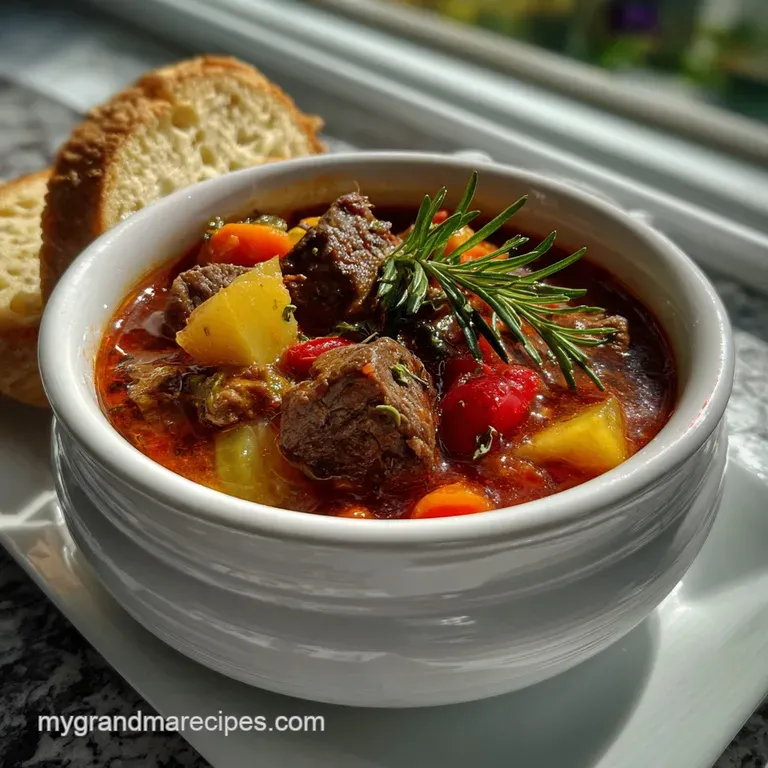
- Time: Active 20 minutes, Passive 3 hours, Total 3 hours 20 minutes
- Flavor/Texture Hook: Silky, mahogany-colored broth with fork-tender beef
- Perfect for: Sunday family gatherings, meal prep, or chilly Tennessee evenings
- The Science Behind Perfect Beef Vegetable Soup Recipe
- Essential Specs for Potent Flavor
- Selecting Elements for Savory Depth
- Tools for Slow Simmer Success
- Step-by-Step Action-First Cooking Guide
- Fixes for Common Soup Failures
- Customizing the Classic Soup Base
- Batch Expansion Logic
- Myths Regarding Beef Soup
- Storage and Zero Waste Methods
- Presentation for Generational Comfort Food
- Timing and Plan Execution Logistics
- Common Questions
- 📝 Recipe Card
The Science Behind Perfect Beef Vegetable Soup Recipe
We’ve all sat down to a bowl of soup where the meat felt like chewing on a pencil eraser. In my Tennessee kitchen, I learned early on that a beef vegetable soup recipe isn't just about throwing things in a pot; it's about managing the breakdown of collagen.
If you rush the process, the muscle fibers tighten up and stay that way. But if you give it time, those tough fibers melt into gelatin, giving you that velvety mouthfeel that defines real comfort food.
This recipe solves the common problem of watery, bland broths by utilizing a two-step browning process. First, we sear the beef to trigger the Maillard reaction, creating complex flavor molecules that don't exist in raw meat.
Second, we caramelize the tomato paste, which removes the metallic "tinny" taste and replaces it with a deep, savory umami base. It’s the difference between a soup that just feeds you and one that warms your soul. Mastering this technique ensures your next beef vegetable soup recipe is superior.
The aroma of searing beef and simmering thyme will fill your house, creating that specific kind of anticipation only a slow cooked meal can provide. By the time the Yukon Gold potatoes have softened and the bone broth has thickened slightly, you'll have a meal that feels like a hug from grandma.
Let’s get the pot on the stove and do this the right way to achieve the perfect beef vegetable soup recipe.
The Science of Why it Works
over High heat searing initiates the Maillard reaction, creating hundreds of new flavor compounds on the meat’s surface. Long term simmering at 190°F-200°F facilitates collagen hydrolysis, transforming tough connective tissue into liquid gelatin for a rich, unctuous broth.
This is the fundamental secret to a stellar beef vegetable soup recipe.
Chef's Tips
- Flash Freeze the Beef: Put your 2 lbs beef chuck roast in the freezer for 20 minutes before cubing; the slight firmness allows for much cleaner, more uniform 1 inch cuts.
- The Fond Secret: When deglazing, use a wooden spoon to aggressively scrape the brown bits (the fond) off the bottom that is where 80% of your flavor depth lives.
Essential Specs for Potent Flavor
Success in the kitchen often comes down to understanding the "why" behind the numbers. In this recipe, the ratio of liquid to solids ensures every spoonful has a balanced mix of protein and garden fresh vegetables.
Following these specs ensures your beef vegetable soup recipe doesn't turn into a stew or, worse, a thin tea.
| Feature | Classic Method | Fast Method | Outcome Difference |
|---|---|---|---|
| Heat Source | Heavy Dutch Oven | Pressure Cooker | Classic develops deeper crust/fond |
| Beef Texture | Fork Tender/Intact | Soft/Slightly Shredded | Classic maintains better "bite" |
| Broth Clarity | Clear & Mahogany | Cloudy/Emulsified | Classic offers cleaner flavor |
Precision Checkpoints
- Beef Size: Keep cubes at exactly 1 inch; any smaller and they overcook before the collagen breaks down.
- Searing Temp: The oil should just start to shimmer and show faint wisps of smoke before the beef hits the pan.
- Simmer Rate: Look for "lazy bubbles" about 2 or 3 breaking the surface every second.
Selecting Elements for Savory Depth
The "Role of Each Element" in a beef vegetable soup recipe is to contribute to a specific layer of the flavor profile. From the starch of the potatoes to the acid in the tomatoes, every ingredient has a job to do.
Component Analysis
| Ingredient | Chemical/Physical Role (Science) | The Pro Secret (Why This Matters) |
|---|---|---|
| Beef Chuck Roast | Collagen hydrolysis during simmering | Becomes succulent rather than dry; adds natural body to the liquid |
| Tomato Paste | Lycopene concentration & acid balance | Provides the "backbone" of umami and helps cut through the beef fat |
| Yukon Gold Potatoes | Controlled starch gelatinization | They hold their shape better than Russets, preventing a mealy texture |
| Beef Bone Broth | Natural gelatin source | Essential for a velvety mouthfeel that coats the back of a spoon |
Ingredients & Substitutions
- 2 lbs beef chuck roast:Why this? High collagen content is required for tenderness after long simmering.
- Sub: Beef shank or short ribs. Both provide similar gelatinous results.
- 2 tbsp avocado oil:Why this? High smoke point prevents acrid flavors during the heavy searing phase.
- Sub: Ghee or lard. These animal fats add an extra layer of richness.
- 3 large carrots: Sliced into thick coins.
- Sub: Parsnips. Adds a peppery, earthy sweetness.
- 2 cups Yukon Gold potatoes:Why this? Medium starch levels allow for softening without total disintegration.
- Sub: Red Bliss potatoes. They stay firm but lack the buttery interior of Yukons.
- 6 cups low-sodium beef bone broth:Why this? Bone broth has more protein and minerals than standard stock.
- Sub: Chicken stock plus 1 tbsp Worcestershire sauce for depth.
- 14.5 oz canned diced tomatoes:
- Sub: Whole peeled tomatoes, crushed by hand. Offers a more rustic texture.
- 2 tbsp tomato paste:
- Sub: Sundried tomato pesto. Adds a concentrated, slightly herbal punch.
Tools for Slow Simmer Success
You don't need a kitchen full of gadgets, but you do need gear that handles heat evenly. A thin pot will create hot spots that scorch your vegetables before the meat is ready. This ensures your beef vegetable soup recipe cooks evenly.
- Lodge Cast Iron Dutch Oven (6 quart): This is the gold standard. The heavy lid and thick walls create an even, insulating environment that mimics a slow cooker but allows for better browning.
- Wooden Deglazing Spoon: I prefer a flat edged wooden spoon for scraping the bottom of the pot without scratching the seasoning or enamel.
- Chef’s Knife: A sharp 8 inch blade is essential for cubing the chuck roast without tearing the muscle fibers.
Chef's Note: If you're using an older Dutch oven, check the seal of the lid. If it's loose, place a piece of parchment paper between the pot and the lid to create a tighter seal, preventing your precious broth from evaporating too quickly.
step-by-step Action First Cooking Guide
This plan based execution ensures you aren't rushing. We start with the heavy searing, move to the aromatic build, and finish with a gentle simmer. This detailed process is key to achieving the classic result for this beef vegetable soup recipe.
- Pat the beef dry.Note: Moisture on the surface causes steaming instead of browning.
- Season beef with 1 tsp kosher salt and 0.5 tsp black pepper.
- Heat avocado oil in a 6 quart Lodge Dutch oven until shimmering.
- Sear the beef in two batches for 5 7 minutes until a dark mahogany crust forms on at least two sides.
- Remove beef and set aside on a plate.
- Sauté diced onion, carrots, and celery in the remaining fat for 5 minutes until the onions turn translucent and edges start to brown.
- Add 3 cloves minced garlic and 2 tbsp tomato paste.Note: Toasting the paste deepens the umami.
- Stir constantly for 2 minutes until the paste turns a shade darker and smells sweet.
- Deglaze the pot with 1 cup of the beef bone broth, scraping all brown bits.
- Pour in remaining broth, diced tomatoes, bay leaves, dried thyme, and the seared beef.
- Bring to a boil, then immediately drop to a low simmer.
- Cover and simmer for 2 hours 15 minutes until beef is tender when pierced with a fork.
- Stir in potatoes and green beans.
- Simmer uncovered for 30 minutes until potatoes are tender and broth has thickened slightly.
- Fold in frozen peas for 3 minutes until they turn bright green and are heated through.
- Remove bay leaves before serving.
Fixes for Common Soup Failures

Sometimes things go sideways. Maybe the heat was too high or the beef was particularly lean. Understanding the chemistry of the pot helps you pivot when making your beef vegetable soup recipe.
Why Your Beef is Tough
If your beef is still "rubbery," you haven't reached the point of protein denaturation and collagen breakdown. This is almost always a matter of time rather than heat. If you've ever made a Beef Pot Roast Recipe, you know that the "magic window" happens right around the 3 hour mark.
Quick Fix Table
| Problem | Root Cause | The Fix | Pro Protocol |
|---|---|---|---|
| Thin/Watery Broth | Lack of starch or evaporation | Mash 3 4 of the cooked potato cubes back into the soup | Use a whisk to emulsify the mashed potato for a silky finish |
| Bland Flavor | Lack of acid or salt | Add 1 tsp of red wine vinegar or lemon juice | Acid "brightens" the tongue's receptors to taste the salt better |
| Greasy Surface | Too much rendered fat | Chill a metal spoon and run it over the surface | Use a slice of white bread to blot the oil if in a rush |
Customizing the Classic Soup Base
While the traditional beef vegetable soup recipe is a masterpiece, there are times you want to shake things up based on what's in your pantry or your dietary needs. A successful beef vegetable soup recipe allows for adaptability.
- Make it "Slow Cooker Beef Vegetable Soup": After step 9, transfer everything to a crock pot. Cook on LOW for 7 8 hours. Add the peas in the last 15 minutes.
- The "No Tomato" Variation: If you prefer a clear, brown broth, omit the tomatoes and paste. Replace them with 2 tbsp of Worcestershire sauce and an extra cup of bone broth.
- Grain Free Option: Swap the potatoes for diced rutabaga or extra carrots. This keeps the heartiness without the heavy starch.
Decision Shortcut
- If you want a thicker base, toss the raw beef in 2 tbsp of flour before searing.
- If you want more depth, add 1/2 cup of dry red wine during the deglazing step.
- If you want a kick, add 1/2 tsp of red pepper flakes with the garlic.
Batch Expansion Logic
When you're feeding a crowd or filling the freezer, doubling the recipe isn't just about multiplying by two. The physics of the pot change as volume increases when scaling this beef vegetable soup recipe.
- Flavor (Salt/Spices): Scale to 1.5x, not 2x. You can always add more salt at the end, but you can't take it out once the liquid reduces.
- Liquids: Reduce the bone broth by 10% when doubling. Larger volumes of liquid evaporate more slowly, which can lead to a diluted flavor.
- Pan Crowding: This is the most important rule. If you double the beef, you must sear in four batches. If you crowd the pot, the temperature drops, and the meat will boil in its own juices rather than searing.
- The Square Cube Law: A larger pot takes longer to reach a simmer. Factor in an extra 15 20 minutes of total time just for heat-up.
Myths Regarding Beef Soup
Myth: Searing meat "seals in the juices." Truth: Science shows seared meat actually loses slightly more moisture. We sear for the flavor of the Maillard reaction, not for moisture retention.
The tenderness comes from the slow breakdown of collagen into gelatin later in the process, which is what makes this beef vegetable soup recipe so rich.
Myth: You must use expensive steak for good soup. Truth: High end cuts like filet mignon will actually turn dry and stringy in a soup. You need the "tough" cuts like chuck or shank because their high fat and connective tissue content are what create a tender result after long cooking.
Storage and Zero Waste Methods
This soup is a prime candidate for the "second day effect," where flavors meld and become more harmonious overnight. The resulting beef vegetable soup recipe is even better the next day.
- Storage: Keep in the fridge for up to 4 days. In the freezer, it stays good for 3 months. Note: Potatoes may become slightly grainy after freezing this is a starch retrogradation process.
- Zero Waste: Don't throw away those celery leaves or herb stems! Tie the thyme stems and celery leaves in a bundle with kitchen twine (a bouquet garni) and simmer them in the pot. They contain concentrated aromatic oils that enhance the broth.
- Transform: If you have just a little left, strain the solids and use the remaining "liquid gold" as a base for a Homemade Gravy Recipe. The gelatin content makes for an incredible sauce.
Presentation for Generational Comfort Food
Serving a beef vegetable soup recipe is about warmth and rustic charm. This isn't a dish for tiny, delicate bowls.
- The Vessel: Use wide, shallow bowls. It allows the steam to rise beautifully and gives you plenty of surface area for toppings.
- The Garnish: A heavy sprinkle of fresh flat leaf parsley adds a hit of chlorophyll that cuts through the richness of the beef.
- The Pairing: You need something to mop up that broth. I highly recommend serving this alongside a warm Homemade Biscuits Recipe. The flaky layers are perfect for soaking up the mahogany liquid.
- Texture Contrast: Add a few croutons or a side of crusty sourdough for a crunch that contrasts the velvety vegetables.
Timing and Plan Execution Logistics
Planning your cook flow ensures you aren't stressed when it's time to eat. This soup requires a 3 hour commitment, but only 20 minutes of it is active work, making the execution of this beef vegetable soup recipe straightforward.
- Prep Flow (T-Minus 3:20): Cube the beef, chop the "Holy Trinity" (onion, carrots, celery), and mince the garlic. This takes about 15 minutes.
- Cooking Flow (T-Minus 3:00): Sear the beef and build the base. This is the only time you need to stand at the stove. Once the lid goes on, you have 2+ hours of free time.
- Finish (T-Minus 0:35): Drop in the potatoes and green beans. Set a timer. When it goes off, toss in the peas, check your seasoning, and serve.
If you find yourself running behind, you can increase the simmer to a medium low heat, but be warned: the beef may not reach that ultimate "melt-in-your mouth" state. Patience is the most important ingredient in any Southern kitchen.
As we say in Tennessee, "You can't hurry a good thing, but you can surely enjoy the wait."
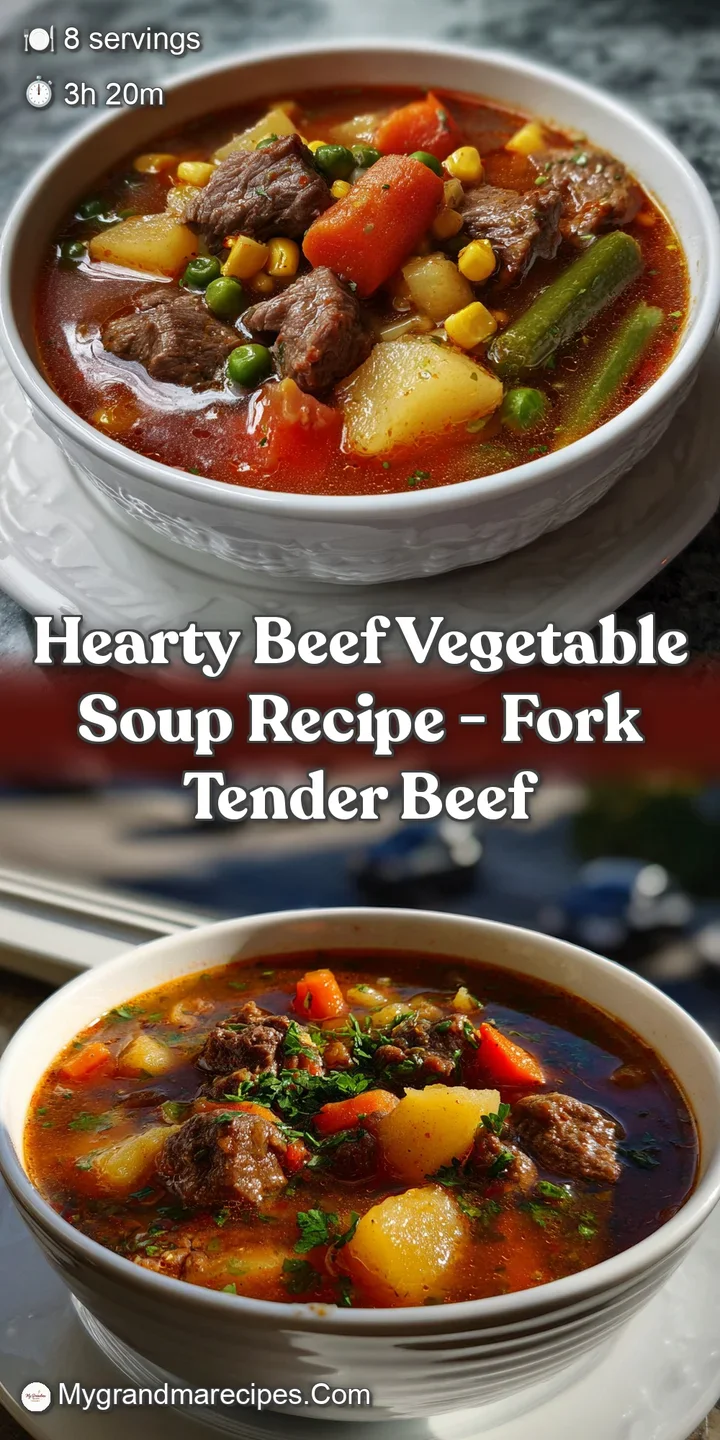
Common Questions
Can I use pre-cooked beef instead of raw chuck roast?
No. Pre-cooked beef will shred and dry out. Raw chuck roast allows connective tissue to dissolve into gelatin during simmering, which is vital for the final broth texture. We need the raw collagen to break down.
- Sear raw beef aggressively
- Use connective tissue rich cuts
- Simmer minimum two hours
What is the single best way to deepen the broth flavor?
Caramelize the tomato paste fully. Cooking the paste until it darkens removes its raw, metallic edge and concentrates the savory umami flavor compounds. This technique is foundational, much like balancing acidity is key to our Coleslaw Recipe That Holds Its Crunch.
Should I use salted or unsalted beef broth?
Unsalted broth for precision control. Commercially prepared broths vary widely in sodium content, leading to unpredictable results after liquid reduction. Unsalted broth lets you accurately calibrate the final seasoning based on the saltiness of the seared beef.
Myth: Adding vegetables early makes them taste better.
Myth: Adding vegetables early makes them taste better. Reality: Adding starchier vegetables like potatoes too early causes them to break down completely, leading to a cloudy, mushy soup texture. Add these later to maintain structural integrity.
Is it better to use a Dutch oven or a slow cooker?
Dutch oven yields superior flavor depth. The heavy bottom of the Dutch oven is essential for achieving the Maillard reaction (browning) on the beef before the long simmer begins. A slow cooker typically steams the meat initially, which prevents this crucial flavor base from forming.
Myth: Freezing leftovers will ruin the texture.
Myth: Freezing leftovers will ruin the texture. Reality: While potatoes may become slightly grainy due to starch retrogradation upon thawing, the overall beef tenderness and broth flavor deepen.
If texture is a major concern, freeze the soup without potatoes and add fresh ones upon reheating.
Why does the recipe call for Yukon Gold potatoes specifically?
Yukon Golds provide balanced texture integrity. These potatoes offer medium starch levels, meaning they soften into a buttery interior without disintegrating entirely like high starch Russets might. If you’re seeking to master texture control in cooking, see how we apply fat ratios in our Fried Chicken Recipe: Succulent Brine.
Beef Vegetable Soup Recipe

Ingredients:
Instructions:
Nutrition Facts:
| Calories | 435 kcal |
|---|---|
| Protein | 29 g |
| Fat | 25 g |
| Carbs | 19 g |
| Fiber | 4 g |
| Sugar | 6 g |
| Sodium | 562 mg |
