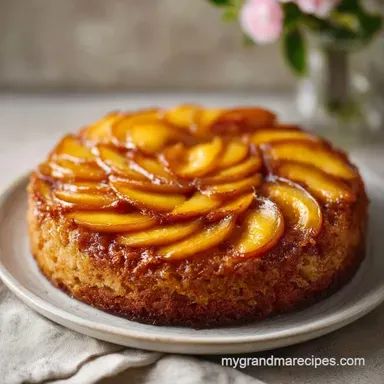
Summer Peach Cake: Tender and Buttery
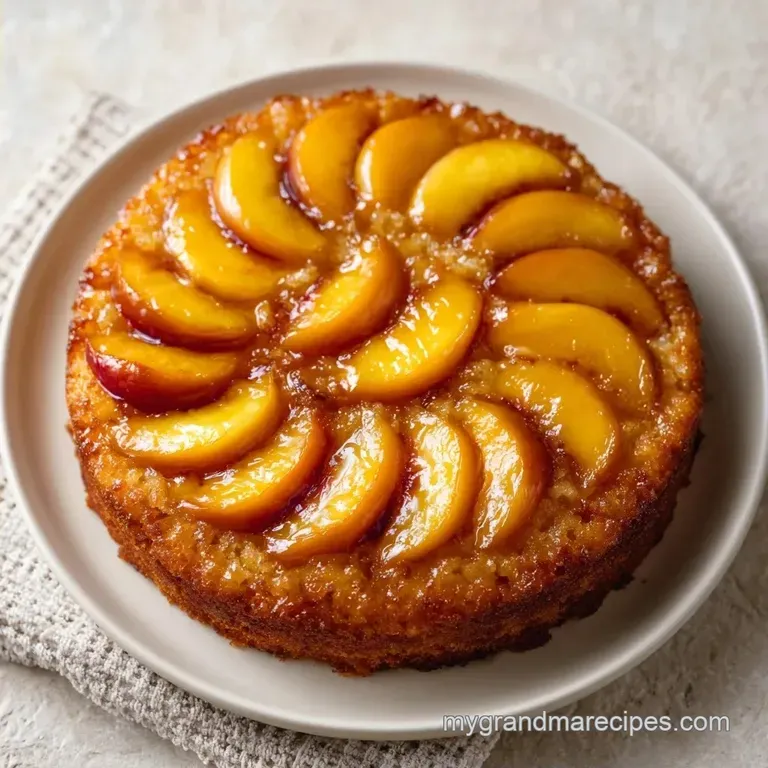
- Time: 25 min active + 45 min baking
- Flavor/Texture Hook: Buttery, tender crumb with juicy, cinnamon spiced peach slices
- Perfect for: Sunday family brunch or a backyard seasonal gathering
- What Makes This So Good
- Detailed Recipe Specs
- Ingredient Deep Dive
- Ingredients and Substitutes
- Equipment You Will Need
- Key Baking Steps
- Fixing Common Baking Problems
- Troubleshooting Common Issues
- Dietary Adaptations
- Preservation and Storage
- Serving and Enjoying
- Common Baking Myths
- Adjusting the Batch Size
- Recipe FAQs
- 📝 Recipe Card
The smell of warm cinnamon and bubbling peach juice filling a kitchen is the only way to know it's actually July. My grandmother used to make a version of this on the porch, her apron dusted with flour, while the humidity hung heavy in the air.
It wasn't about precision back then, just the feeling of the batter and the look of the fruit.
This particular version is a Southern staple, designed for those moments when you have a bowl of overripe peaches and a need for something comforting. It's a sturdy cake that holds up to the weight of the fruit without becoming a soggy mess.
You can expect a cake that tastes like a cross between a pound cake and a fruit tart. This Summer Peach Cake Recipe focuses on a rich, buttery base that lets the peaches be the star of the show.
What Makes This So Good
The trick to this cake isn't in a fancy technique, but in a few simple moves that prevent the usual baking disasters.
- The Flour Toss: Coating the peaches in flour before adding them to the batter stops them from diving to the bottom of the pan.
- Sour Cream Addition: Adding sour cream introduces a slight tang and extra fat, which breaks down the gluten for a softer bite.
- Room Temp Ingredients: Using eggs and butter at room temperature ensures the batter doesn't split, keeping the air bubbles intact for a better rise.
| Method | Prep Time | Texture | Best For |
|---|---|---|---|
| Fast Mix | 10 mins | Denser, more like a muffin | Quick weekday treats |
| Classic Creaming | 25 mins | Lighter, airy, and tender | Sunday dinners |
Detailed Recipe Specs
When you're getting ready to bake, it's helpful to have your timeline set. This cake takes about 25 minutes of active work, mostly spent creaming the butter and prepping the fruit. The baking time is a steady 45 minutes at 350°F.
The total time from the first crack of an egg to the first slice is 70 minutes. Because we use a 9 inch round pan, the cake has a decent height but stays easy to slice into 10 generous portions.
Ingredient Deep Dive
Everything in this cake serves a purpose. Even the small amount of flour used to toss the peaches is there for a reason.
| Ingredient | What It Does | Best Swap |
|---|---|---|
| Unsalted Butter | Provides structure and rich flavor | Salted butter (omit extra salt) |
| Sour Cream | Adds moisture and tenderizes the crumb | Full fat Greek yogurt |
| Fresh Peaches | Gives the main flavor and juiciness | Canned peaches (drained well) |
| Baking Powder | Lifts the batter to keep it airy | 1/4 tsp baking soda + 1/2 tsp cream of tartar |
Ingredients and Substitutes
For this Summer Peach Cake Recipe, I suggest using peaches that are ripe but still slightly firm to the touch. If they're too mushy, they'll dissolve into the batter.
- 3 cups (450g) fresh peaches, peeled and sliced Why this? Provides the primary seasonal flavor and moisture
- 2 tbsp (16g) all purpose flour Why this? Prevents fruit from sinking
- 1 tsp (2g) ground cinnamon Why this? Warmth that complements the peach sweetness
- 2 cups (250g) all purpose flour Why this? The structural base of the cake
- 1 ½ cups (300g) granulated sugar Why this? Sweetness and helps with browning
- 1 tbsp (12g) baking powder Why this? Ensures a consistent, light rise
- ½ tsp (3g) salt Why this? Balances the sugar and enhances flavor
- ¾ cup (170g) unsalted butter, softened Why this? Creates an airy emulsion when creamed
- 3 large eggs, room temperature Why this? Binds ingredients and provides lift
- 1 tsp (5ml) vanilla extract Why this? Classic aromatic base
- ½ cup (120g) sour cream Why this? Adds richness and a tender texture
- ½ cup (120ml) whole milk Why this? Adjusts the batter consistency
Equipment You Will Need
You don't need a professional kitchen for this, just a few basics. A 9 inch round cake pan is mandatory. If you use a larger pan, the cake will be too thin and may overbake.
I recommend a stand mixer such as a KitchenAid for the creaming process, but a hand mixer works just as well. You'll also need a piece of parchment paper for the bottom of the pan. Trust me on the parchment, as peaches can stick to the bottom of the pan during the bake.
Key Baking Steps
Follow these steps closely to ensure your cake comes out with that classic Southern feel.
- Preheat oven to 350°F (175°C). Grease a 9 inch round cake pan and line the bottom with parchment paper.
- Toss the sliced peaches in a bowl with 2 tbsp of flour and cinnamon until lightly coated. Note: This creates a barrier that holds the fruit on top.
- Cream the softened butter and sugar together on medium high speed until pale and fluffy. Note: This usually takes about 3-5 minutes.
- Beat in the eggs one at a time, then stir in the vanilla extract.
- Whisk together the flour, baking powder, and salt in a separate bowl.
- Alternately add the dry ingredients and the milk/sour cream to the butter mixture, starting and ending with the flour, mixing on low until just combined. Note: Do not overmix or the cake will be tough.
- Pour the batter into the prepared pan and smooth the top with a spatula.
- Gently press the floured peach slices into the top of the batter in a concentric circle pattern.
- Bake for 40–45 minutes until a toothpick inserted into the center comes out clean.
- Cool in the pan for 10 minutes before transferring to a wire rack; lightly dust with powdered sugar once cooled.
Chef's Note: If you're in a rush and your eggs are cold, place them in a bowl of warm water for 5 minutes. This is a trick I learned to avoid the batter curdling, as mentioned by King Arthur Baking.
Fixing Common Baking Problems
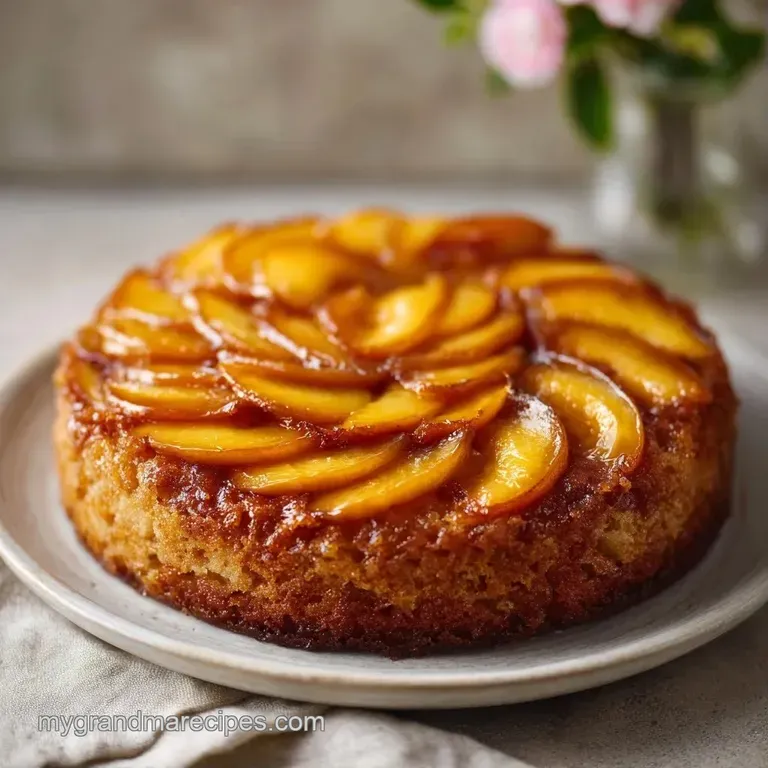
Even the best home cooks hit a snag now and then. Usually, issues with a Summer Peach Cake Recipe come down to moisture levels or temperature.
Troubleshooting Common Issues
| Issue | Solution |
|---|---|
| Why Your Peaches Sank | If the peaches ended up at the bottom, it's usually because the batter was too thin or the fruit wasn't coated enough in flour. |
| Why Your Cake Is Dense | A dense cake often happens from overmixing the batter after the flour goes in. Once you see the last streak of flour disappear, stop the mixer. |
| Why Your Top Is Too Brown | If the edges are dark but the middle is raw, your oven might be running hot. You can loosely tent a piece of aluminum foil over the top for the last 15 minutes of baking to stop the browning. |
Dietary Adaptations
You can tweak this recipe to fit your needs without losing the heart of the dish. If you're looking for another dessert idea for a party, my Ice Cream Sandwich Cake is a great contrast to this warm fruit cake.
Using Canned Peaches
If it's not peach season, you can use canned slices. The trick here is to drain them in a colander for at least 20 minutes and pat them dry with paper towels. Canned fruit holds more water than fresh, which can lead to a soggy center if you're not careful.
Making it gluten-free
Swap the all purpose flour for a 1:1 gluten-free baking blend. I've found that blends containing xanthan gum work best here. You might notice the crumb is slightly grittier, but the flavor remains the same.
Swapping the Dairy
For a dairy-free version, use a vegan butter substitute and coconut milk instead of whole milk. Replace the sour cream with a cashew based cream or a thick dairy-free yogurt. Note that the lift might be slightly different, so keep an eye on the oven.
Preservation and Storage
This cake stays moist for several days because of the sour cream. Keep it in an airtight container at room temperature for up to 3 days. If your kitchen is particularly hot, move it to the fridge.
For longer storage, this cake freezes well. Wrap individual slices in parchment paper and then foil. They'll stay good for about 3 months. To reheat, just pop a slice in the microwave for 20 seconds or put it in a 300°F oven for 10 minutes to get that fresh baked feel.
To avoid waste, don't throw away the peach peels. You can simmer them with a bit of sugar and water to make a simple syrup for pancakes or cocktails.
Serving and Enjoying
The beauty of this Summer Peach Cake Recipe is its simplicity. It doesn't need a heavy frosting. A light dusting of powdered sugar is all you need to make it look polished.
I love serving this warm with a scoop of vanilla bean ice cream or a dollop of freshly whipped cream. The cold cream melting into the warm, cinnamon scented cake is the best part. If you're putting together a larger dessert platter, adding some Classic Lemon Bars provides a sharp, citrusy contrast to the sweet peaches.
Another great option is a drizzle of honey or a splash of heavy cream poured directly over a warm slice. It turns a simple cake into a rich dessert.
Common Baking Myths
There are a few things people say about cakes that just aren't true.
Sifting flour is often called mandatory for a light cake. While it helps, whisking your dry ingredients vigorously for 30 seconds does the same thing by breaking up lumps and adding air.
Many believe that you must use a specific "cake flour" for this result. While cake flour is softer, the combination of sour cream and the creaming method in this recipe provides a similarly tender result using standard all purpose flour. According to Serious Eats, the fat content from the sour cream helps inhibit gluten formation, which is why the cake stays soft.
Adjusting the Batch Size
If you're baking for a small group or a huge crowd, you can scale this Summer Peach Cake Recipe.
Scaling Down (Half Batch): Use a 6 inch round pan instead of a 9 inch. Reduce the baking time by about 20%, starting to check for doneness at 30 minutes. Since you can't easily halve an egg, beat one egg in a small bowl and use half of it by weight or volume.
Scaling Up (Double Batch): Do not double the recipe in one pan, or the center will never cook through. Bake two separate 9 inch cakes. When doubling, only increase the salt and cinnamon by 1.5x rather than 2x to avoid an overpowering taste.
If you're baking both cakes at once, lower the oven temp to 325°F and extend the time by 5-10 minutes to ensure even heat distribution.
Recipe FAQs
Why did my peaches sink to the bottom of the cake?
Toss the peach slices in flour before adding them to the batter. If peaches sink, it is usually because the batter was too thin or the fruit lacked sufficient flour coating to grip the cake.
How to prevent the cake from becoming too dense?
Stop mixing the moment the last streak of flour disappears. Overmixing the batter after adding dry ingredients develops too much gluten, which creates a heavy, dense texture.
What should I do if the top of the cake is browning too quickly?
Loosely tent a piece of aluminum foil over the top. Do this for the last 15 minutes of baking if the edges are darkening while the center remains raw.
Can I use frozen peaches instead of fresh?
No, stick with fresh peaches. Frozen fruit releases excess moisture during baking, which can make the batter too thin and cause the fruit to sink.
How to tell when the peach cake is fully baked?
Insert a toothpick into the center of the cake. It is done when the toothpick comes out clean after baking for 40 45 minutes at 350°F.
Is it true that I can skip coating the peaches in flour?
No, this is a common misconception. Skipping the flour coating removes the friction needed to keep the peaches on top, allowing them to slide through the batter.
How to store this peach cake for maximum freshness?
Store in an airtight container at room temperature. If you enjoyed mastering the texture of this cake, see how the same precision with dry ingredients works in our homemade bread recipe.
Summer Peach Cake Recipe