Soul Food Seasoning
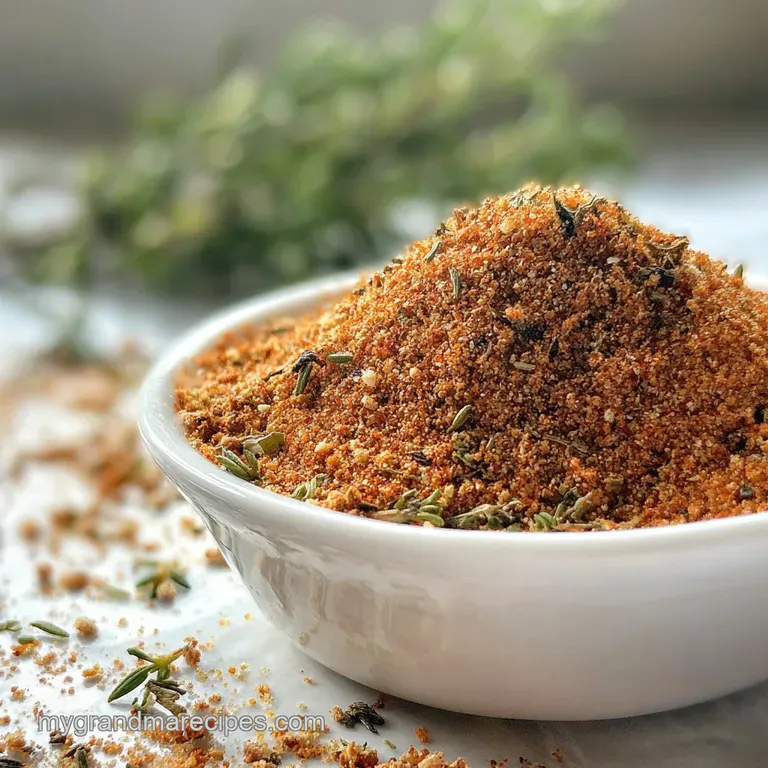
- Time: Active 5 minutes, Passive 0 minutes, Total 5 minutes
- Flavor/Texture Hook: Smoky, pungent, and perfectly balanced saltiness
- Perfect for: Sunday dinner, family gatherings, and seasoning cast iron favorites
- Unlock the Ancestors Secret with Authentic Soul Food Seasoning
- Detailed Composition of Essential Spice Components
- Timeline and Yield for Your Handcrafted Spice Rub
- The Alchemy of Selecting Your Raw Elements
- Simple Tools Required to Blend Your Signature Rub
- Steps to Layering Aromatics for Maximum Palate Impact
- Fixing Common Blunders When Blending Your Own Spices
- Adapting the Blend for Greens or Crispy Poultry
- Storing Your Blend to Maintain Potent Essential Oils
- Pairing Your Seasoning with Traditional Southern Sunday Staples
- Debunking Folklore Around Southern Spice Blends and Traditions
- Soul Food Seasoning FAQs
- 📝 Recipe Card
Imagine walking into a kitchen where the air is thick with the scent of woodsmoke and simmering greens. You hear the rhythmic chop of a knife against a worn wooden board and the distant sizzle of a cast iron skillet waiting for its coating.
That’s the feeling I wanted to bottle when I finally perfected this soul food seasoning. It isn't just a collection of jars from the pantry, it's a connection to the ancestors who taught us that flavor is a form of love.
We’ve all had those meals where the chicken looks right but tastes like nothing, or the greens feel flat and uninspired. I spent years watching the elders in my family "measure with their hearts," but I realized that for us to pass these traditions down, we needed a roadmap.
This isn't about some fancy, store-bought shortcut; it’s about understanding how to layer spices so they sing together rather than screaming for attention.
What you're getting here is the backbone of my kitchen. Whether you're seasoning a bird for frying or looking for a way to give your vegetables some character, this blend is the answer.
It’s got that deep, mahogany color from the smoked paprika and a whisper of allspice that reminds you of a Caribbean influence tucked deep inside our Southern roots. Trust me, once you smell this coming together, you’ll never go back to those salty yellow tins from the grocery store.
Unlock the Ancestors Secret with Authentic Soul Food Seasoning
The beauty of this soul food seasoning lies in the way it handles heat and fat. When you're cooking traditional dishes, you're often working with lard, butter, or rendered pork fat. This blend is designed to cut through that richness while highlighting the natural sweetness of the meat or vegetables.
- Synergistic Capsaicin
- The combination of black pepper and cayenne creates a "multi stage" heat that hits the front and back of the palate differently.
- Allspice Catalyst
- A tiny amount of allspice acts as a bridge between the savory garlic and the smoky paprika, deepening the overall profile.
- Hygroscopic Balance
- The coarse salt crystals draw out just enough surface moisture to create a shatter crisp crust on proteins.
Chef's Note: If you have ten minutes, toast your celery seeds in a dry pan for sixty seconds before mixing. It releases oils that make the scent absolutely intoxicating.
To Achieve a Deep Mahogany Crust
The secret to that dark, rich color on fried chicken or pork chops isn't just the flour; it's the smoked paprika in this soul food seasoning recipe. When the oil hits the spice, it blooms, releasing its pigment and creating a visual promise of the flavor to come.
Don't be afraid of the color; that deep red is exactly where the soul lives.
For a Salt Balanced Profile
Most commercial blends are sixty percent salt, which is why your food ends up tasting like a salt lick. My homemade soul food seasoning prioritizes the aromatics first. By using coarse kosher salt, you get big bursts of flavor without overwhelming the delicate taste of fresh produce or quality meats.
To Unlock Botanical Depth
The dried thyme and celery seed provide a botanical high note that prevents the blend from feeling too heavy. In our family, we call this the "garden whisper." It’s what makes your kitchen smell like a harvest even in the middle of winter.
Detailed Composition of Essential Spice Components
| Ingredient | Science Role | Pro Secret |
|---|---|---|
| Smoked Paprika | Colorant & Smoke Base | Use "Pimentón de la Vera" for the most authentic, wood fired aroma. |
| Coarse Kosher Salt | Moisture Extractor | Its jagged edges help the seasoning "grab" onto the meat's surface. |
| Garlic Powder | Umami Foundation | Always check that it’s powder, not "garlic salt," to keep sodium in check. |
| Ground Allspice | Aromatic Bridge | This is the "hidden" ingredient that makes people ask, "What is that flavor?" |
The way these ingredients interact is pure chemistry. The garlic and onion powders are dehydrated, meaning they are hungry for moisture. When they hit a piece of damp chicken, they rehydrate slightly, forming a velvety paste that clings to the protein during the cooking process.
Timeline and Yield for Your Handcrafted Spice Rub
Creating this blend is a ritual that takes almost no time at all, yet the rewards last for months. You aren't just making a seasoning; you're prepping for a dozen future Sunday dinners.
- Prep Time: 5 minutes
- Yield: 16 tablespoons (exactly 1 cup)
- Serving Size: 1 tablespoon per 1 lb of meat or 2 lbs of vegetables
Since there is no cooking involved in the preparation, the "total time" is really just about how fast you can unscrew your jars. I usually make a double batch during the holidays because a jar of this, tied with a bit of twine, is a gift people actually use.
The Alchemy of Selecting Your Raw Elements
Using high-quality soul food seasoning ingredients makes a world of difference. If your spices have been sitting in the back of the cupboard since the last leap year, they won't have the vitality needed for a truly soulful dish.
- 4 tbsp Smoked Paprika: Look for a vibrant red color; if it looks brown, it’s old. Why this? Provides the smoky "char" flavor without needing a literal smoker.
- 3 tbsp Garlic Powder: Ensure it’s fine and free flowing. Why this? Distributes garlic flavor more evenly than fresh in over high heat frying.
- 3 tbsp Onion Powder: Adds a savory sweetness that balances the heat.
- 2 tbsp Coarse Kosher Salt: I prefer Diamond Crystal or Morton. Why this? The larger grains won't dissolve as fast, providing better texture.
- 2 tbsp Freshly Cracked Black Pepper: Use a coarse grind.
- 1 tbsp Cayenne Pepper: This is the engine of the heat.
- 1 tbsp Dried Thyme: Rub it between your palms as you add it.
- 1 tsp Celery Seed: Adds a "green" bitterness that cuts through fat.
- 1 tsp Ground Allspice: The warm, earthy secret of the South.
| Original Ingredient | Substitute | Why It Works |
|---|---|---|
| Smoked Paprika | Sweet Paprika + ½ tsp Cumin | Captures the earthiness but loses the distinct wood smoke finish. |
| Coarse Kosher Salt | Sea Salt (Fine) | Same salinity, but use 25% less volume as it packs tighter. |
| Cayenne Pepper | Red Pepper Flakes | Adds a more visual heat but less uniform spice distribution. |
If you find yourself missing allspice, you can use a pinch of cloves, but be very careful. Cloves are much more aggressive and can easily turn your savory soul food seasoning spice into something that tastes like a holiday cookie gone wrong.
Simple Tools Required to Blend Your Signature Rub
You don't need a laboratory to make this, but having the right basic gear ensures your blend stays consistent. I've tried using a blender before, but it turns the salt into powder not what we want.
- Glass Mixing Bowl: To prevent spices from staining your plastic ware.
- Whisk or Fork: Essential for breaking up the stubborn clumps in onion powder.
- Airtight Glass Jar: Mason jars are the gold standard here.
- Funnel: Unless you have the steady hands of a surgeon, this saves your counter.
- Measuring Spoons: Accuracy matters when you're balancing cayenne and salt.
If you really want to go old school, use a mortar and pestle to lightly crush the celery seeds and thyme. It's a meditative process that makes the kitchen smell like heaven before the cooking even starts.
Steps to Layering Aromatics for Maximum Palate Impact
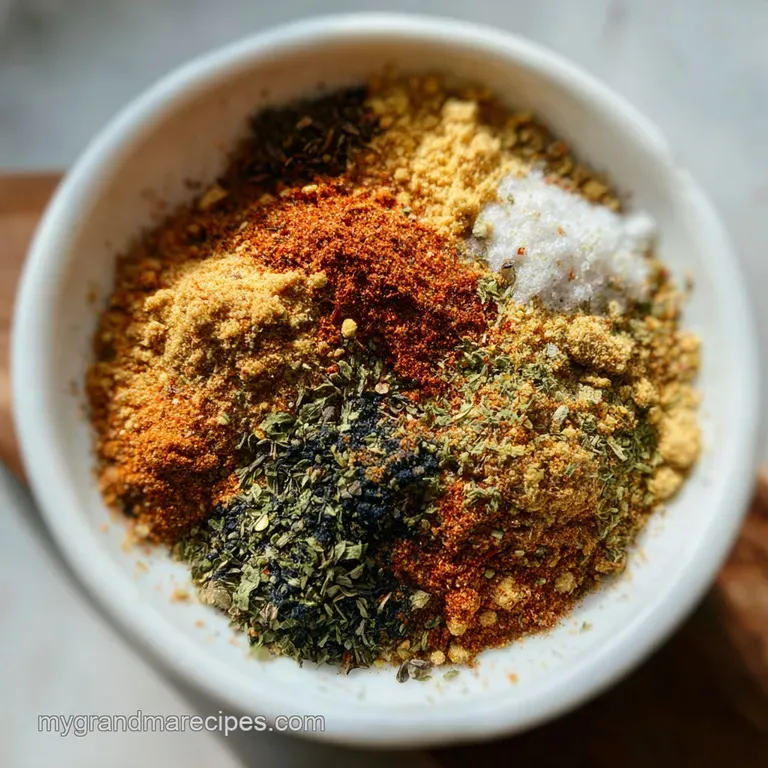
1. Sifting and Combining
Place your smoked paprika, garlic powder, and onion powder in the bowl first. Note: These are your "base" powders that provide the most volume and color.
2. Seasoning the Base
Add the coarse kosher salt and black pepper to the red powder. Note: The salt acts as an abrasive to help break up any tiny lumps in the onion powder.
3. Activating the Herbs
Take the dried thyme in your clean, dry palms and rub them together over the bowl. Note: This friction releases the trapped essential oils in the dried leaves.
4. Incorporating the Heat
Slowly stir in the cayenne pepper. Keep your face back so you don't inhale the dust. Note: Cayenne is very light and can easily become airborne.
5. The Final Aromatic
Add the celery seed and ground allspice last. Note: These are the strongest scents and should be layered on top.
6. Whisking for Uniformity
Use a small whisk to stir the mixture until the color is a consistent, deep terracotta. Note: You shouldn't see any distinct white clumps of salt or garlic.
7. The Jar Transfer
Carefully funnel the mixture into your glass jar. Note: Tap the jar on the counter to settle the contents as you go.
8. Sealing the Spirit
Wipe the rim of the jar to ensure a tight seal. Note: Any spice dust on the rim can prevent the lid from being airtight.
Fixing Common Blunders When Blending Your Own Spices
The biggest mistake I ever made was making a huge batch during a humid Louisiana summer and leaving the jar open. By the next morning, it was one giant, spicy brick. Learning how to manage moisture is half the battle when making an easy soul food seasoning.
Why Your Seasoning Is Clumping
If you live in a humid climate, onion powder is your enemy. It loves to soak up water from the air, turning your beautiful powder into a sticky mess.
| Problem | Root Cause | Solution |
|---|---|---|
| Hard Clumps | Moisture/Humidity | Add a few grains of raw rice to the jar to absorb dampness. |
| No Flavor | Old Spices | Check "best by" dates; spices lose potency after 6 12 months. |
| Too Much Heat | Cayenne Overload | Double the salt, paprika, and garlic to dilute the spice. |
If it’s already clumped up, don’t throw it out! You can usually break it apart with a fork or give it a quick pulse in a clean coffee grinder. Just remember that once you grind it, the texture changes, and you’ll need to use slightly less per dish.
To Balance Excessive Heat
Sometimes a batch of cayenne is just meaner than the last one. If your blend is making your eyes water just by looking at it, increase the "bulk" of the recipe. Adding more smoked paprika will give you that beautiful color and flavor without moving the needle on the heat scale.
Adapting the Blend for Greens or Crispy Poultry
This isn't just a one trick pony. You can tweak this best soul food seasoning to fit whatever is on the stove today. It’s a living recipe that grows with your cooking style.
- For the Best Soul Food Seasoning for Collard Greens: Add a teaspoon of red pepper flakes and a tablespoon of brown sugar to the blend when seasoning your pot liquor. The sugar balances the bitterness of the greens.
- For Restaurant Quality Fried Chicken: Mix 3 tablespoons of the seasoning into 2 cups of flour. This ensures the flavor is in every bite of the crust, not just on the surface of the meat.
- For Blackened Catfish: Double the smoked paprika and add 1 tsp of dried oregano. Use this as a heavy dry rub before searing in a smoking hot cast iron skillet.
If you're looking for something to serve alongside your seasoned main, this blend pairs beautifully with a Homemade Gravy Recipe. The spices in the gravy will echo the flavors in your meat, creating a seamless flavor profile that feels like it took all day to build.
Storing Your Blend to Maintain Potent Essential Oils
Spices are basically just dried plant matter filled with volatile oils. The second you expose them to light, heat, or air, those oils start to evaporate. To keep your homemade soul food seasoning vibrant, keep it in a cool, dark place not on the shelf right above your stove.
- Storage
- Keep in an airtight glass jar for up to 1 year.
- Freezing
- You actually can freeze spice blends to preserve the oils! Just ensure the jar is vacuum sealed or has zero headspace.
- Zero Waste
- If you have a jar that's starting to lose its "punch," don't toss it. Use it as a base for a wet marinade by mixing it with oil and vinegar. The acid will help pull out whatever flavor is left in the spices.
Pairing Your Seasoning with Traditional Southern Sunday Staples
This blend is the glue that holds a Southern meal together. When I'm planning a big get together, I use this seasoning as the "flavor anchor" for the entire menu. It brings a sense of cohesion to the table that you just can't get with random spice jars.
A classic move is to use this on a big pot of slow cooked beans. It provides that smoky, "meat adjacent" flavor even if you're trying to keep things a bit lighter. It also works wonders on roasted root vegetables. If you want to really impress the family, serve your seasoned chicken with some Homemade Biscuits Recipe. The buttery, flaky layers of the biscuits are the perfect foil for the smoky, spicy kick of the seasoning.
Debunking Folklore Around Southern Spice Blends and Traditions
Smoked vs. Sweet Paprika: Which is better?
There's a common belief that paprika is just for color. That might be true for the dusty, flavorless stuff in the grocery store, but high-quality smoked paprika is a flavoring agent in its own right. It provides the "soul" in soul food seasoning by mimicking the taste of slow cooked barbecue.
Kosher Salt vs. Table Salt: Does it matter?
People often think salt is just salt, but the structure matters. Table salt is dense and can make things taste chemically. Kosher salt has a flat, flaky structure that sticks to the meat and dissolves more cleanly. It’s the difference between a harsh sting and a seasoned glow.
Can I use this as a dry rub for ribs?
Absolutely, but with one caveat: ribs love sugar. If you're using this as a soul food seasoning substitute for a commercial BBQ rub, add about 2 tablespoons of dark brown sugar to the mix. The sugar will caramelize under the heat, creating that sticky, charred bark that makes ribs legendary.
This recipe is more than just a soul food seasoning recipe; it’s a way to bring a piece of my kitchen into yours. It’s about the stories we tell while the food is cooking and the memories we make once it hits the table. So, go ahead mix up a batch, put on some music, and let the aroma lead the way.
Your kitchen is about to become the heart of the home, just like it should be. Let's crack on!
Soul Food Seasoning FAQs
What seasoning is used in soul food?
A blend of savory, aromatic, and subtly spicy ingredients. Key components often include smoked paprika for color and smoky depth, garlic and onion powder for an umami base, black pepper and cayenne for heat, thyme and celery seed for herbal notes, and allspice for warmth.
This combination creates the characteristic rich flavor profile.
What are the spices used in African food?
A diverse range, varying greatly by region and culture. Common spices include ginger, garlic, onions, chili peppers (like Scotch bonnet), cumin, coriander, paprika, and various local herbs. Many West African cuisines, which influence soul food, utilize similar foundational aromatics and spices.
What are the spices used in Southern food?
A foundation of savory aromatics with regional variations. Core spices include garlic powder, onion powder, black pepper, and paprika. Regional differences might introduce ingredients like cayenne for heat, or herbs such as thyme and sage. This forms the basis for many Beef Vegetable Soup Recipe: Deep Broth and other comforting dishes.
What is Southern Soul House seasoning?
It's a signature blend designed to capture the deep, smoky, and savory essence of Southern cooking. This type of seasoning typically features smoked paprika, garlic, onion, and a balanced level of salt and pepper, aiming to create a rich, layered flavor that enhances everything from meats to vegetables, much like the comforting taste in our Green Bean Casserole From Scratch: Velvety Mushroom Velouté.
How do I make soul food seasoning from scratch?
Combine equal parts smoked paprika, garlic powder, and onion powder. Add half parts coarse salt, black pepper, and cayenne pepper. Include smaller amounts of dried thyme and celery seed, and a pinch of allspice. Whisk thoroughly to ensure an even distribution of all ingredients.
Can I use a commercial soul food seasoning blend?
Yes, but homemade is often superior in flavor and sodium control. Commercial blends can vary widely in their spice ratios and salt content. Making your own allows you to customize the heat, smokiness, and saltiness to your exact preference, ensuring a flavor profile akin to what’s used in dishes like our Chocolate Chip Cookies Recipe: Mahogany Edges, where ingredient balance is key.
What is the primary flavor profile of soul food seasoning?
Rich, savory, and subtly smoky with a balanced heat. The dominant flavors come from smoked paprika for depth, garlic and onion for umami, and black pepper and cayenne for a gentle warmth that doesn't overpower. It’s designed to complement, not dominate, the natural flavors of the food it seasons.
Soul Food Seasoning
Ingredients:
Instructions:
Nutrition Facts:
| Calories | 20 kcal |
|---|---|
| Protein | 0.8 g |
| Fat | 0.4 g |
| Carbs | 4.4 g |
| Fiber | 1.4 g |
| Sugar | 0.4 g |
| Sodium | 716 mg |
