Ribeye Steak: Steakhouse Crust
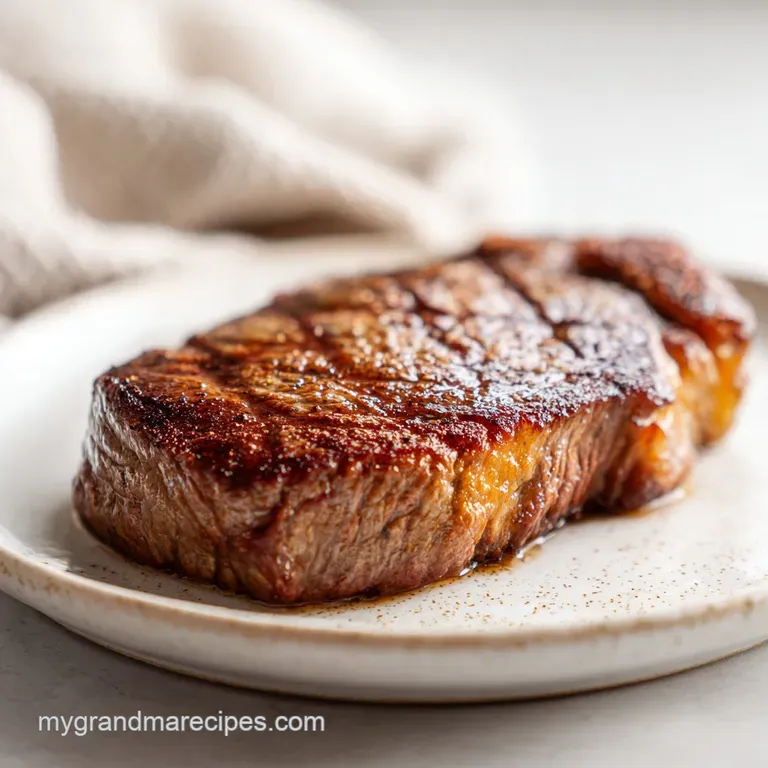
- Time: Active 10 minutes, Passive 15 minutes, Total 25 minutes
- Flavor/Texture Hook: A shatter crisp salty crust giving way to a buttery, melt in-your mouth interior
- Perfect for: A high end date night or a rewarding solo dinner that feels like a splurge
- Mastering the Golden Crust on a Ribeye Steak
- The Science of Heat
- Simple Ingredients for Maximum Flavor
- Minimal Tools for Great Results
- Steps for the Juiciest Steak
- Solving Common Kitchen Blunders
- Scaling for a Crowd
- Smart Swaps and New Flavors
- Handling Leftovers and Food Waste
- Ideal Pairings for Your Dinner
- Very High in Sodium
- Ribeye Steak FAQs
- 📝 Recipe Card
Mastering the Golden Crust on a Ribeye Steak
The first time I really nailed a steak, it wasn't because I bought a thousand dollar grill or a fancy sous vide machine. It was in my grandma’s old kitchen in Tennessee, using a heavy cast iron skillet that had probably seen a million fried chickens before my time.
I remember the sound most of all that sudden, violent hiss when the meat hit the hot oil. It wasn't just a sizzle, it was a declaration. The kitchen filled with this deep, nutty aroma that made my mouth water before I even saw the color change.
That day, Grandma taught me that a great steak isn't about the gadgets, it's about the patience. We sat there, watching the fat render and turn into liquid gold. She didn't use a timer. She just listened to the pan and watched for that specific shade of mahogany.
Since then, I’ve made my share of mistakes grey meat, burnt garlic, you name it but those blunders taught me the tricks I’m sharing with you today. We're going for that specific steakhouse finish right on your stovetop.
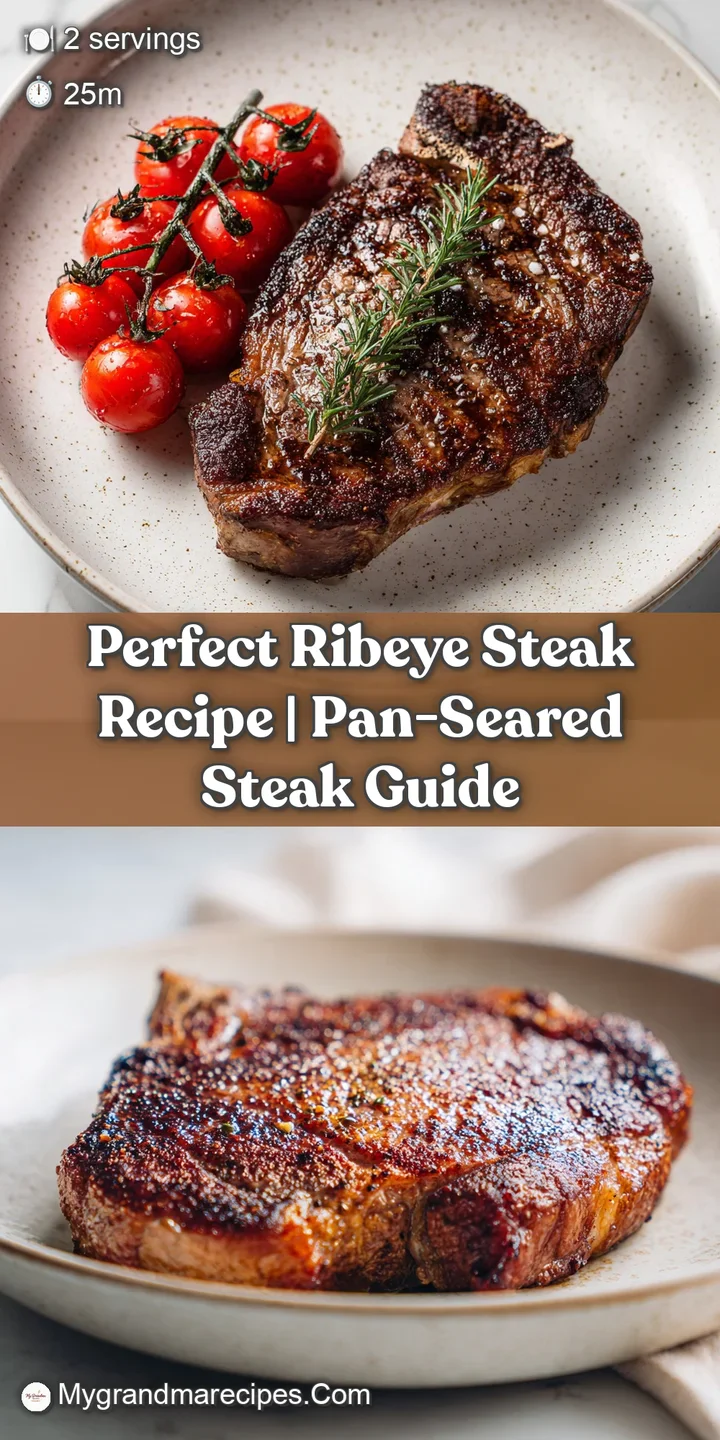
Trust me, once you hear that first crackle and smell the garlic hitting the foaming butter, you’ll never want to order a steak out again. This recipe is all about the Ribeye Steak and how to treat it with the respect it deserves.
We are going to keep things simple, use a few humble tools, and focus on the physics of heat to get it exactly right. Ready to get that skillet screaming hot? Let's crack on.
The Science of Heat
- Maillard Reaction: This is the chemical dance between amino acids and reducing sugars that happens above 300°F (150°C), creating hundreds of flavor compounds and that characteristic brown crust.
- Thermal Mass: Using a heavy pan like cast iron ensures the temperature doesn't plummet when the cold meat hits the surface, allowing for a continuous sear.
- Carryover Cooking: The internal temperature of the meat continues to rise by about 5 to 10 degrees after being removed from the heat as the exterior energy moves inward.
- Protein Denaturation: Gentle basting with butter slows down the tightening of muscle fibers, keeping the interior tender while the outside continues to crisp.
| Thickness | Internal Temp (Target) | Rest Time | Visual Cue |
|---|---|---|---|
| 1 inch | 130°F (Medium Rare) | 5 minutes | Warm red center |
| 1.5 inches | 135°F (Medium) | 8 minutes | Pink throughout |
| 2 inches | 145°F (Medium Well) | 10 minutes | Slight pink strip |
Before we move into the nitty gritty of the ingredients, it's important to understand that the thickness of your cut dictates everything. A 1.5 inch steak gives you enough "buffer zone" to get a deep sear without overcooking the middle. If you're working with a thinner cut, you'll need to move much faster or perhaps try a different technique like the one used in my Beef Hanger Steak recipe to ensure it stays juicy.
Simple Ingredients for Maximum Flavor
| Ingredient | Science Role | Pro Secret |
|---|---|---|
| Kosher Salt | Protein Denaturant | Salt 45 mins early to let brine re absorb into fibers |
| Avocado Oil | High Smoke Point | Stays stable at 500°F, preventing a bitter, burnt taste |
| High Fat Butter | Emulsification | Use European style butter for less water and more nutty solids |
| Fresh Rosemary | Volatile Aromatics | Slap the herbs against your hand to release oils before tossing in |
When you're picking out your meat, look for heavy marbling those white flecks of fat are what make a Ribeye Steak truly special. They melt during the cooking process, essentially basting the meat from the inside out.
For the fat, we use 2 tbsp Avocado Oil because it won't smoke you out of your house like olive oil will.
You'll also need 2 1 lb Prime or Choice Ribeye Steaks, about 1.5 inches thick. Don't skip the 2 tbsp Coarse Kosher Salt and 1 tbsp Coarse Black Pepper; they create the "grit" for the crust.
For the aromatic finish, grab 4 tbsp Unsalted High Fat Butter, 4 cloves Garlic (just smash them with the side of your knife), 3 sprigs Fresh Thyme, and 1 sprig Fresh Rosemary. Why this? Fresh herbs provide a resinous depth that dried spices simply cannot replicate in a pan sear.
If you find yourself without some of these, don't panic. You can swap the butter for ghee if you need a higher smoke point, or use dried herbs in a pinch, though the texture won't be as "velvety." Just like when making a Pizzaiola Sauce Recipe, the quality of your base fats determines the silkiness of the final result.
Minimal Tools for Great Results
You don't need a kitchen full of gadgets to make a world class steak. Honestly, grandma did it with one pan and a fork, though I recommend a few more things for safety. The most critical item is a heavy bottomed skillet.
A cast iron pan is the gold standard here because it holds onto heat like a beast, but a heavy stainless steel pan will also work.
You will also want a pair of long tongs. Steaks are heavy, and you don't want to be stabbing them with a fork and letting all those juices escape. A small spoon is also necessary for the "arrosé" or butter basting phase.
If you have an instant read thermometer, it takes the guesswork out of things, but we can also go by feel if you're confident in your kitchen instincts.
Maillard Reaction Explained
The crust on a Ribeye Steak is a result of the Maillard reaction. This isn't just "burning" the meat; it's a complex transformation of proteins. To get it right, the surface of the meat must be bone dry. Any moisture on the steak will turn to steam, and steam prevents the temperature from rising high enough to brown.
Thermal Mass Benefits
Using a pan with high thermal mass, like cast iron, acts as a battery for heat. When you drop a cold steak into a thin pan, the temperature drops instantly, leading to grey, boiled looking meat. A heavy pan stays hot, ensuring the sizzle never stops.
Butter Basting Techniques
Basting, or "arrosé," involves spooning hot, herb infused butter over the steak. This adds a layer of fat soluble flavor and helps cook the top of the steak while the bottom is in contact with the pan. It’s the secret to that velvety, rich finish found in top tier restaurants.
Steps for the Juiciest Steak
- Dry the meat. Use paper towels to pat the 2 1 lb Ribeye Steaks completely dry on all sides. Note: Surface moisture is the enemy of a good crust.
- Season heavily. Rub the 2 tbsp Coarse Kosher Salt and 1 tbsp Coarse Black Pepper into every nook and cranny. until the meat is fully coated in a grey white layer.
- Heat the skillet. Place your heavy pan over high heat and add 2 tbsp Avocado Oil. until the oil starts to shimmer and show wisps of smoke.
- The initial sear. Lay the steaks into the pan, laying them away from you to avoid splashes. until a deep mahogany crust forms (about 3-4 minutes).
- Flip and sear. Turn the steaks over with your tongs to brown the other side. until the second side is equally dark and textured.
- Lower the heat. Drop the flame to medium and add 4 tbsp Unsalted High Fat Butter, the 4 smashed garlic cloves, and the herb sprigs. until the butter begins to foam and turn nutty brown.
- Baste the steaks. Tilt the pan slightly so the butter pools with the aromatics, then spoon it over the meat continuously for 2-3 minutes. until the aroma of garlic and thyme is intense.
- Check for doneness. Use a thermometer to hit 130°F for medium rare. until the meat feels firm but yields slightly to pressure.
- The final rest. Move the steaks to a warm plate or cutting board. Note: This allows the muscle fibers to relax and reabsorb the juices.
- Slice and serve. Wait at least 8 minutes before cutting against the grain. until the juices have settled and the crust has set.
Solving Common Kitchen Blunders
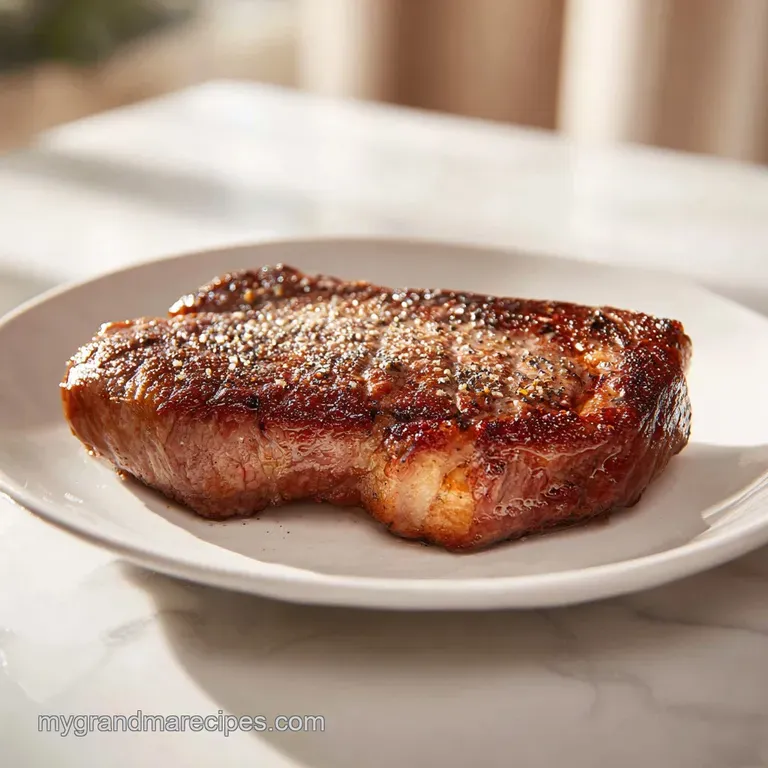
One of the biggest heartbreaks is cutting into a beautiful Ribeye Steak only to find a thick grey ring around a tiny dot of red. This usually happens because the pan wasn't hot enough, or the steak was straight out of the fridge and too cold. Another common issue is the "steamed" steak, which happens when the pan is overcrowded. If you're cooking for a crowd, you might find more success with a Grilled Flank Steak recipe which is a bit more forgiving of pan space.
Crowding the Skillet
When you put too much meat in the pan at once, the temperature drops and moisture released from the meat has nowhere to go. It turns into steam, and instead of searing, your steak boils in its own juices. Cook in batches if your pan isn't large enough for both steaks to have an inch of space between them.
Smoking Oil Issues
If your kitchen is filling with thick, acrid smoke, your oil has likely broken down. This is why we avoid extra virgin olive oil for over high heat searing. If the oil turns black, wipe the pan out and start over with fresh avocado oil; otherwise, your steak will taste like an ash tray.
Cutting Too Fast
I know it's tempting to dig in immediately, but if you cut the steak the second it leaves the pan, the liquid inside will pour out onto the board. This leaves the meat dry and fibrous. Give it those 8 to 10 minutes of resting time; it's the difference between a "good" steak and a "legendary" one.
| Problem | Root Cause | Solution |
|---|---|---|
| Grey Surface | Excess moisture or low heat | Pat bone dry and wait for the oil to smoke |
| Burnt Garlic | Added too early | Only add garlic and butter during the last 3 mins |
| Tough Meat | No resting period | Let it sit for at least 8 mins before slicing |
Common Mistakes Checklist: ✓ Never salt "lightly" a thick steak needs a heavy hand to penetrate the center. ✓ Don't use a cold steak let it sit at room temperature for 30 minutes before cooking.
✓ Avoid non stick pans they can't handle the high heat required for a proper sear. ✓ Keep the herbs whole chopped herbs will burn and stick to the meat, becoming bitter. ✓ Use unsalted butter you've already salted the meat, so controlled salt levels are better.
Scaling for a Crowd
If you are cooking for one, simply use half of everything and a smaller skillet. However, don't just cut the butter in half; you still need enough volume in the pan to actually spoon it over the meat. Use at least 3 tablespoons even for a single steak.
When scaling up for four or more people, things get tricky. Do not try to cram four Ribeye Steaks into one skillet. You are better off searing two at a time, keeping the first batch in a low oven (about 200°F or 90°C) while you finish the rest.
For spices and salt, you only need to increase them by about 1.5x for a double batch, as they go further than you think.
| Servings | Meat Weight | Butter Amount | Pan Size |
|---|---|---|---|
| 1 Person | 1 lb | 3 tbsp | 10 inch |
| 2 People | 2 lbs | 4 tbsp | 12 inch |
| 4 People | 4 lbs | 6 tbsp | 2 x 12 inch |
If you really need to feed a large group without the stress of individual searing, you might consider a different format altogether, like a steak based filling for Philly Cheesesteak Stuffed recipe. It uses similar flavors but is much easier to manage in bulk.
Smart Swaps and New Flavors
- Reverse Sear Method: For steaks thicker than 1.5 inches, bake them at 250°F (120°C) until they hit 115°F internal, then sear in a hot pan for 1 minute per side. This ensures perfect edge to edge pinkness.
- dairy-free Butter: Use a high-quality vegan butter or simply stick to avocado oil and baste with that. You won't get the nutty solids, but the herb infusion still works.
- Peppercorn Crust Version: Crush 2 tbsp of whole peppercorns and press them into the meat before searing for a spicy, crunchy texture that mimics Steak au Poivre.
| Original Ingredient | Substitute | Why It Works |
|---|---|---|
| Avocado Oil | Ghee (Clarified Butter) | High smoke point and adds a buttery flavor from the start |
| Fresh Thyme | Dried Thyme (1 tsp) | Note: Use sparingly; dried herbs can burn and become gritty |
| High Fat Butter | Tallow (Beef Fat) | Enhances the "beefy" flavor and can withstand much higher heat |
Wait a second before you throw away those herb stems! They are packed with flavor. You can toss them into a bag in the freezer to use for your next batch of beef stock.
Handling Leftovers and Food Waste
Leftover Ribeye Steak is a gift from the heavens. It stays good in the fridge for about 3 to 4 days if kept in an airtight container. Whatever you do, do not microwave it to reheat. You'll turn that beautiful medium rare center into rubber.
Instead, slice it thin while cold and use it in sandwiches, salads, or over a bowl of hot rice where the residual heat of the rice gently warms the beef.
If you have bones or large pieces of fat trim, save them! Beef fat can be rendered down into tallow, which is the best frying medium in the world. The bones make an incredible base for a quick pan sauce or a hearty vegetable soup.
I always keep a "scrap bag" in my freezer for exactly this reason Grandma never wasted a bit of the animal, and neither should we.
Ideal Pairings for Your Dinner
A heavy, fatty Ribeye Steak needs something to cut through the richness. I usually go for something acidic or something that can soak up that herb butter. A simple arugula salad with a lemon vinaigrette is my go to when I want to keep things light.
The peppery bite of the greens works wonders against the salty crust of the meat.
Classic Potato Sides
You really can't go wrong with a baked potato or creamy mashed potatoes. If you want to get fancy, try making fondant potatoes they cook in the oven with more butter and chicken stock, coming out velvety on the inside and crispy on the outside. They are the ultimate "steakhouse" side dish.
Fresh Green Pairings
Roasted asparagus or charred broccolini are excellent choices. Toss them in the same pan you used for the steak while the meat is resting. They will pick up all those brown bits (the fond) and the leftover garlic herb butter. It’s an instant side dish with zero extra cleanup.
Right then, you're all set. Grab that skillet, get it hot, and remember: listen to the sizzle. You've got this! Don't forget to let it rest it's the hardest part of the whole recipe, but I promise it's worth every second of the wait. Enjoy your Ribeye Steak!
Very High in Sodium
2480 mg mg of sodium per serving (108% of daily value)
The American Heart Association recommends limiting sodium intake to about 2,300mg per day for overall cardiovascular health.
Simple Tips to Savor Flavor and Reduce Sodium
-
Reduce Kosher Salt-25%
Kosher salt is the primary source of sodium in this recipe. Reduce the amount of kosher salt from 2 tbsp to 1 tbsp. This will significantly decrease the sodium content while still providing some seasoning.
-
Unsalted Butter Matters-10%
Ensure you are using unsalted butter as indicated in the recipe. Salted butter would increase the sodium content. There is no need to add extra salt if using unsalted butter with the adjusted kosher salt amount.
-
Garlic Power-5%
Enhance the flavor profile by using fresh garlic and thyme liberally. The strong aromatic compounds will allow for greater overall taste and require less salt.
-
Spice It Up!
Experiment with other sodium free herbs and spices like smoked paprika, onion powder (check label for no added salt), or a pinch of red pepper flakes to boost the flavor without adding sodium.
Ribeye Steak FAQs
What is the best cooking method for a ribeye steak?
Pan-searing in cast iron followed by butter basting is recommended. This technique maximizes the Maillard reaction for a superior crust while the basting keeps the interior tender and flavorful.
Is a ribeye a good cut of steak?
Yes, it is one of the best cuts available. Ribeye features excellent intramuscular fat (marbling) that melts during cooking, resulting in rich flavor and a tender, buttery texture.
What is the 3-3-3 rule for steak?
This is a common guideline related to resting time, not a universal standard. Generally, you should rest a steak for 3-10 minutes, depending on thickness, but the "3-3-3" rule is often confused with external searing times or specific grill marks.
Does ribeye have folate?
Yes, like most red meats, ribeye contains small amounts of folate (Vitamin B9). However, it is primarily known as an excellent source of protein, iron, and B vitamins like B12.
How do I ensure a perfect crust on my ribeye?
Pat the steak surface absolutely bone dry before seasoning. Moisture turns to steam, which prevents the high temperature needed for the Maillard reaction to occur on the exterior.
Why is my steak coming out grey in the middle?
The most likely cause is cooking the steak straight from the refrigerator or using a pan without sufficient thermal mass. Allow the steak to temper at room temperature for 30 minutes before searing in a heavy cast iron skillet.
Is it necessary to flip a ribeye multiple times while searing?
No, it is best practice to flip only once or twice for a deep crust. Let the steak sit undisturbed for 3-4 minutes per side to achieve maximum browning before beginning the butter basting phase.
Perfect Pan Seared Ribeye Steak
Ingredients:
Instructions:
Nutrition Facts:
| Calories | 1285 kcal |
|---|---|
| Protein | 88 g |
| Fat | 102 g |
| Carbs | 1.5 g |
| Fiber | 0.4 g |
| Sugar | 0.1 g |
| Sodium | 2480 mg |
