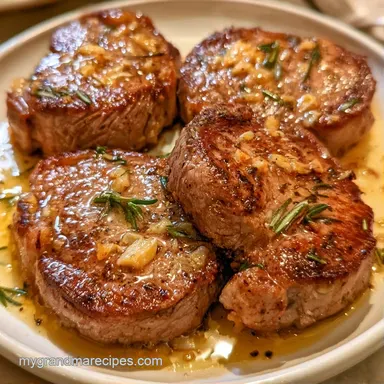
Petite Sirloin Steak with Butter Baste

- Time: 10 min active + 10 min cooking + 10 min resting
- Flavor & Texture: Savory, crusty exterior with a juicy, tender middle
- Perfect for: Quick weeknight dinners or a high-protein meal
The sirloin is the hardworking cut of the American steakhouse. While ribeyes get the glory, sirloin is a staple in Texas-style cooking because it offers a bold, beefy punch without all the fat. It is the go-to for families who want that classic grilled taste without spending a fortune.
The goal here is to create a sharp contrast. You want a dark, chestnut brown crust on the outside and a tender, pink center. Because this cut is leaner, the timing is everything.
This method uses a cast iron skillet to get that heavy sear, then switches to a butter baste to add the richness that lean meat lacks. You can expect a meal that feels fancy but comes together in a flash.
Petite Sirloin Steak
Hard Sear: Using a heavy pan creates a dark crust quickly, which adds a deep, savory flavor to the exterior.
Butter Basting: Since the meat is lean, pouring melted butter and garlic over it during the last few minutes adds necessary fat and moisture.
Resting Time: Letting the meat sit for 10 minutes allows the juices to redistribute so they don't run out the second you slice it.
Quick Decision Guide
| Thickness | Target Temp | Rest Time | Visual Cue |
|---|---|---|---|
| 1 inch | 130-135°F | 10 mins | Pink center, brown crust |
| 1.5 inches | 135-140°F | 10 mins | Warm pink center |
The thickness of your cut changes how long you sear. If your steaks are thicker than an inch, you might need an extra minute per side to hit those internal temperatures.
Ingredients and Swaps
- 2 (6 oz / 170 g) petite sirloin steaks Why this? Lean, flavorful, and economical
- 1 tsp (6 g) kosher salt
- ½ tsp (2 g) cracked black pepper
- ½ tsp (1 g) garlic powder
- 1 tbsp (15 ml) avocado oil Why this? Heat-stable for searing
- 3 tbsp (42 g) unsalted butter
- 3 cloves garlic, smashed
- 2 sprigs fresh rosemary
Chef Note: Ghee is an excellent substitute for avocado oil. It withstands high heat just as effectively and adds a rich, nutty flavor to the crust.
Essential Pan Choice
| Tool | Result | Best For |
|---|---|---|
| Cast Iron | Deepest crust | High-heat searing |
| Stainless Steel | Great browning | General use |
| Non-Stick | Lighter sear | Beginners (avoid high heat) |
Cast iron is a strong choice here because it holds heat well. It keeps the pan from cooling down when you drop the cold meat in.
Bringing It Together
1. The Prep Phase
Use paper towels to pat the steaks completely dry. Excess surface moisture leads to steaming, which prevents the meat from browning properly. Mix together the kosher salt, garlic powder, and cracked black pepper, then liberally season both sides. Allow them to sit for 10 minutes.

2. The High-Heat Sear
Set a cast iron pan on medium-high heat and add the avocado oil. Heat it until the oil shimmers and just begins to smoke. Gently place the steaks in the pan, pressing them down slightly for better contact. Sear undisturbed for 3–4 minutes until a dark, crispy crust forms.

3. The Butter Baste
Turn the steaks over. Immediately toss in the rosemary, smashed garlic, and unsalted butter. Once the butter is foaming, tilt the pan slightly and use a large spoon to continuously baste the steaks with the infused butter for the final 3 minutes.

4. The Essential Rest
Remove the steaks from the heat once they reach your target internal temperature. According to the USDA, beef should be cooked to a minimum of 145°F. For this lean cut, I recommend 130-135°F (54-57°C) for medium-rare or 140-145°F (60-63°C) for medium. Move the steaks to a warm plate and pour the remaining pan butter over them. Let the meat rest for 10 minutes before slicing.
Avoiding Common Pitfalls
When a steak comes out tough, it is almost always because it stayed in the pan too long. Since there isn't much marbling in this cut, it goes from medium-rare to overdone very quickly.
If your steak looks grey instead of brown, your pan wasn't hot enough. The meat will boil in its own juices instead of searing.
The Meat is Too Tough
This happens from overcooking. Pull the meat off the heat when it is 5 degrees below your target, as the temperature rises while it rests.
The Steak is Grey
The pan lacked enough heat. Wait for the oil to shimmer and smoke before adding the beef.
| Problem | Fix |
|---|---|
| Tough meat | Use a thermometer and pull earlier |
| Grey exterior | Increase heat until oil smokes |
What to Serve This With

I like this with a side of garlic mashed potatoes or some charred asparagus. The rich butter from the steak tastes great drizzled over steamed greens. For a more Texas-Mexican vibe, serve it with grilled scallions and a side of warm corn tortillas.
Keeping It Fresh
Keep any remaining steak in a sealed vessel in the refrigerator for 3 days.
To reheat, skip the microwave, as it often makes the meat rubbery. Instead, slice the steak and warm it in a pan over medium heat with a small knob of butter for 2 minutes, until the center reaches 165°F (74°C). This restores the exterior without overcooking the center.
Flavor Variations to Try
If you want to move away from the classic butter baste, you can try a different approach with your petite sirloin steak.
Smoky Cowboy Rub
Swap the garlic powder for a mix of smoked paprika, brown sugar, and onion powder. This gives it a BBQ-style crust that is great on the grill.
Zesty Herb Marinade
If you have extra time, soak the meat in olive oil, lemon juice, and minced oregano for 2 hours. This helps tenderize the fibers further before you hit the pan.
Air Fryer Method
For a hands-off version, rub the meat with oil and spices, then air fry at 400°F for 7-10 minutes, flipping halfway. You won't get the butter-baste finish, but it's fast.
Very High in Sodium
1263 mg of sodium per serving (55% of daily value)
The American Heart Association recommends a limit of 2,300mg of sodium per day, and an ideal limit of no more than 1,500mg for most adults.
Tips to Reduce Sodium
-
Reduce Added Salt
The kosher salt is the primary sodium source; try reducing the amount by half or omitting it entirely.
-
Add a Citrus Zest
Squeeze fresh lemon juice over the steaks after cooking to provide a bright, salty-like tang without the sodium.
-
Amplify Fresh Aromatics
Increase the quantity of fresh rosemary and smashed garlic to create a more robust flavor profile.
-
Enhance Spices
Use more cracked black pepper or a salt-free steak seasoning blend to maintain a bold taste.
Questions Readers Ask
What cut of meat is petite sirloin?
It is a lean, beefy cut taken from the sirloin. It delivers a strong flavor without the heavy marbling found in a ribeye.
Why is sirloin steak a good choice?
It is ideal for quick weeknight meals because it is budget-friendly and prepares rapidly. You get a classic steakhouse taste without the high cost.
How to make petite sirloin steak tender?
Baste the meat with melted butter, garlic, and rosemary for the final three minutes of cooking. This process adds essential moisture and richness to the lean beef.
Can I cook petite sirloin steak in the oven?
Yes, you can use the oven to finish the steaks after searing them in a pan. This differs from the skillet-only method by using indirect heat to cook the center more evenly.
When is the steak finished cooking?
Remove the meat when the internal temperature hits 130-135°F for medium-rare or 140-145°F for medium. Rest the steak for 10 minutes before slicing to keep it juicy.
Where should I store cooked petite sirloin?
Keep the cooked steak in the refrigerator. Refrigerate it promptly and use within 3 days.
Petite Sirloin Steak in 30 Minutes