Mediterranean Baked Cod: Lemon and Garlic
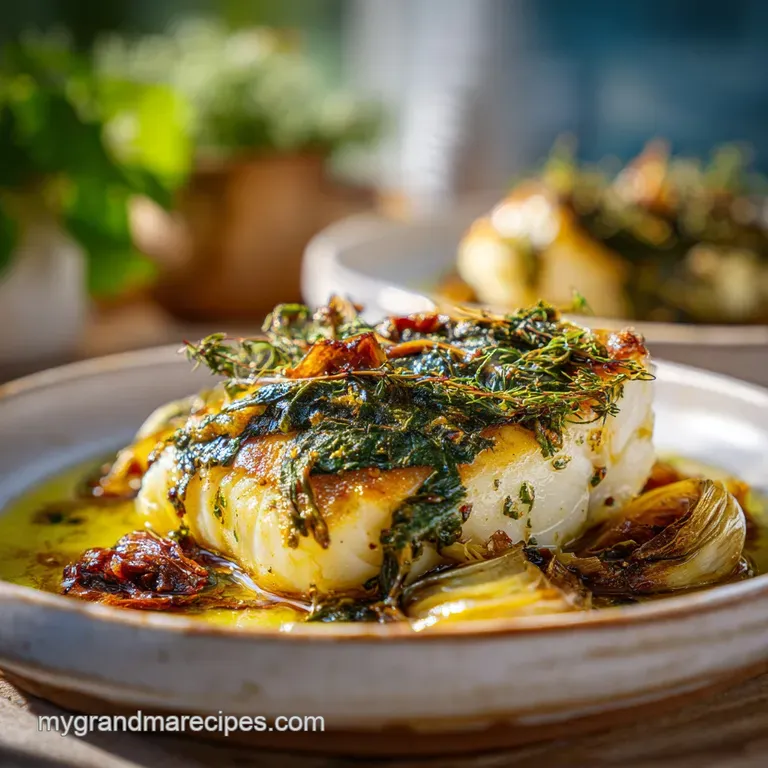
- Time: Active 10 minutes, Passive 15 minutes, Total 25 minutes
- Flavor/Texture Hook: Flaky, buttery cod paired with burst, jammy tomatoes and salty feta
- Perfect for: Stress free weeknight dinners or a healthy, impressive date night meal
- How to Make Effortless Mediterranean Baked Cod
- The Secret to Perfectly Moist Sheet Pan Fish
- Component Analysis and Flavor Foundations
- Gathering Your Essentials for Mediterranean Flavors
- Essential Tools for the Modern Kitchen
- From Prep to Plate: A Three Step Timeline
- Avoiding Kitchen Disasters with Pro Fixes
- Mix It Up: Flavor Variations
- Preservation Secrets and Zero Waste Tips
- Presentation Tips for a Stunning Meal
- Recipe FAQs
- 📝 Recipe Card
How to Make Effortless Mediterranean Baked Cod
Let’s talk about cod. For the longest time, I avoided cooking white fish at home because I was terrified of that "fishy" smell or, even worse, serving something that had the texture of a wet sponge. I thought I needed some fancy parchment paper technique or a culinary degree to get it right.
Then I discovered the magic of using cod as a blank canvas. It’s the ultimate "beginner" fish because it’s meaty enough to handle bold flavors but mild enough that it won't overwhelm your kitchen.
The real hero of this Mediterranean Baked Cod isn't actually the spice rack; it’s the fish itself. Fresh cod has this beautiful, large flake that feels substantial when you bite into it. When you nestle it among bright tomatoes and briny olives, something happens in that 200°C oven.
The fish doesn't just sit there; it absorbs the aromatics while releasing just enough moisture to help the tomatoes soften into a natural sauce. It’s a symbiotic relationship on a sheet pan that I honestly wish I’d discovered years ago.
You’re going to love how the kitchen smells about ten minutes into the bake. It’s not "fishy" at all it’s a heady mix of roasted garlic, toasted oregano, and that specific sweetness that only comes from cherry tomatoes hitting their breaking point.
If you’ve been intimidated by seafood, this is your sign to grab a couple of fillets and give it a go. We’re going for vibrant colors and textures that actually satisfy, without the need for heavy breading or deep frying.
The Secret to Perfectly Moist Sheet Pan Fish
Acidic Emulsification: Whisking the lemon juice and olive oil until opaque creates a temporary bond that coats the fish more evenly than just drizzling them separately. This layer slows down the evaporation of moisture from the fish flakes during the over high heat roast.
over High heat Vaporization: Roasting at 200°C (400°F) ensures the cherry tomatoes burst and the red onions soften quickly, creating a "pan sauce" before the fish has time to overcook. This speed is what keeps the cod tender rather than rubbery.
Residual Heat Carryover: Pulling the fish out at 60°C (140°F) allows the internal temperature to rise naturally to the safe 63°C (145°F) while resting.
This prevents the protein fibers from tightening too much and squeezing out all the juices.
Aromatic Infusion: The garlic and oregano are suspended in fat (olive oil), which carries their flavor deep into the crevices of the fish fillets as they expand in the heat.
| Fish Thickness | Oven Temperature | Rest Time | Visual Finish Cue |
|---|---|---|---|
| 1.5 cm (Thin) | 200°C (400°F) | 3 minutes | Opaque throughout, flakes easily |
| 2.5 cm (Standard) | 200°C (400°F) | 5 minutes | Center is no longer translucent |
| 4 cm (Thick loin) | 200°C (400°F) | 6 minutes | Juices run clear, flesh separates |
Picking the right thickness of fish is the most important decision you'll make before you even turn on the oven. I usually aim for fillets that are about 2.5 cm thick so they finish at the exact same time the tomatoes start to look jammy and delicious.
If you find yourself with thinner fillets, just keep a close eye on the clock because they can go from tender to dry in a matter of two minutes.
Component Analysis and Flavor Foundations
| Ingredient | Science Role | Pro Secret |
|---|---|---|
| Fresh Cod Fillets | Lean Protein Base | Pat them bone dry with paper towels to ensure the oil sticks and the fish roasts rather than steams. |
| Extra Virgin Olive Oil | Heat Conductor | Use a robust, peppery oil; it acts as the primary fat source that carries the fat soluble flavors of oregano and paprika. |
| Cherry Tomatoes | Natural Acid Source | Leave them whole or halved; as they burst, they release pectin which naturally thickens the pan juices into a light sauce. |
| Feta Cheese | Ionic Seasoning | Add this after baking; the residual heat softens the cheese without making it oily, providing a creamy, salty contrast. |
I can't stress enough how much better this dish tastes when you use high-quality olives. If you're interested in how different fish types handle heat, you might want to read about how to Cook Snapper Fish for a comparison on skin on roasting versus this skinless cod method. While cod is forgiving, the principles of moisture control remain the same across most white fish recipes.
Gathering Your Essentials for Mediterranean Flavors
To get started with this Mediterranean Baked Cod, you'll need 680g (1.5 lbs) of fresh cod fillets. I like to cut mine into four equal portions so everyone gets a fair share and they cook at the same rate. Don't worry if the pieces aren't identical in shape, but try to keep the thickness consistent.
For the marinade, we’re using 3 tbsp of Extra Virgin Olive Oil and 2 tbsp of fresh lemon juice please use real lemons here, the bottled stuff just doesn't have that bright "zing" we need.
You'll also need 4 cloves of garlic, minced as finely as you can get them. For spices, grab 1 tsp of dried oregano, 0.5 tsp of smoked paprika (this adds a lovely depth), 0.5 tsp of sea salt, and 0.25 tsp of cracked black pepper.
Why this? Smoked paprika provides a subtle char grilled flavor even though we are just using a standard oven.
The "medley" part of the dish consists of 1 cup of cherry tomatoes, halved, and 0.5 cup of Kalamata olives, which should be pitted and halved. I also use 0.5 of a small red onion, sliced as thinly as possible. To finish everything off, you’ll want 0.25 cup of crumbled feta cheese and 2 tbsp of fresh parsley.
Why this? Fresh parsley cuts through the richness of the oil and olives at the very end.
| Original Ingredient | Substitute | Why It Works |
|---|---|---|
| Cod Fillets | Halibut or Haddock | Both are sturdy white fish with a similar mild flavor profile. Note: Haddock is slightly thinner and cooks faster. |
| Kalamata Olives | Castelvetrano Olives | These are buttery and mild rather than salty/briny. Good for those who find Kalamata too strong. |
| Smoked Paprika | Cumin or Chili Powder | Adds an earthy warmth. Note: This will change the flavor profile to be more "spiced" than "Mediterranean." |
If you happen to be out of red onion, shallots work beautifully as well. They are a bit sweeter and melt into the sauce even faster. The key is to keep the vegetables roughly the same size so you don't end up with burnt onions and cold tomatoes.
Essential Tools for the Modern Kitchen
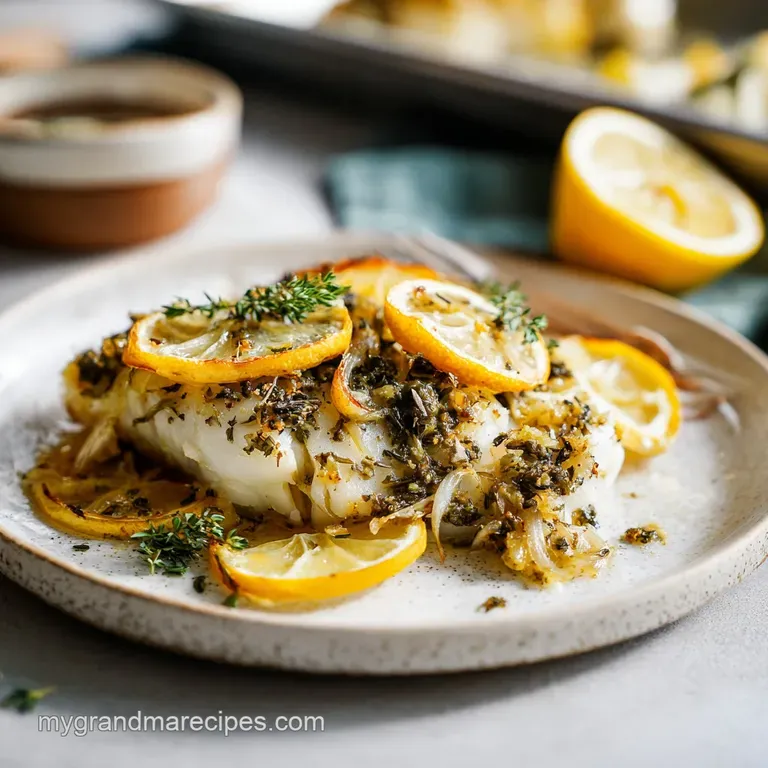
You don't need a lot of gear for this, which is one reason I love it so much. A large rimmed sheet pan is my go to choice. The rim is important because as those tomatoes burst and the fish releases its juices, you don't want that liquid gold running off into the bottom of your oven.
A ceramic baking dish also works perfectly and looks a bit nicer if you’re taking the dish straight to the dinner table.
A small glass mixing bowl and a whisk are necessary for creating that opaque emulsion I mentioned earlier. If you don't have a whisk, a fork and a little bit of elbow grease will do the trick.
You’re looking for the oil and lemon juice to stop looking like two separate liquids and start looking like a creamy, pale yellow dressing.
Finally, if you’re a beginner, an instant read meat thermometer is a total lifesaver. It takes all the guesswork out of "is the fish done yet?" You can find decent ones for very little money, and they prevent so many overcooked meals.
Since we are aiming for exactly 60°C (140°F) out of the oven, having a digital readout is much more reliable than just poking at the fish with a fork.
From Prep to Plate: A Three Step Timeline
Cooking fish can feel like a race against time, but if you organize your flow, it’s actually quite relaxing. I like to break it down into the prep phase, the assembly, and the finish. This keeps the kitchen counters clear and ensures the fish goes into the oven the moment it's seasoned.
Preparing the Flavor Base
First, get that oven preheated to 200°C (400°F). While that’s warming up, focus on your "emulsion." In your small bowl, combine the olive oil, lemon juice, garlic, oregano, paprika, salt, and pepper. Whisk it vigorously.
You'll see it change from a clear yellow to a thickened, cloudy mixture. This is the glue that holds all our flavors onto the fish.
Chef's Tip: Grate your garlic into the oil using a microplane instead of mincing it. This creates a garlic paste that distributes much more evenly in the emulsion, ensuring you don't get a big "garlic bomb" in one bite.
Assembling the Sheet Pan
Grab your paper towels and pat the cod fillets until they are completely dry to the touch. This is a step many people skip, but it’s vital! If the fish is wet, the oil will slide right off and the fish will steam. Place the cod in the center of your pan and scatter the tomatoes, olives, and onions all around it.
Drizzle that beautiful emulsion over everything. I usually use my hands (or a spoon) to gently toss the veggies so every single tomato is glistening with oil.
Executing the over High heat Roast
Slide the pan into the oven. We are looking for a cook time of 12-15 minutes. Around the 10 minute mark, you might start to hear the tomatoes popping that’s a great sign.
Check the fish with your thermometer; once it hits 60°C (140°F), pull it out immediately. Sprinkle the feta cheese over the top while it’s still piping hot.
Let the whole thing rest for 5 minutes. This is where the magic happens the "carry over" cooking will bring the fish to that perfect 63°C (145°F), and the feta will soften into the warm juices. Garnish with your fresh parsley right before you serve it.
Avoiding Kitchen Disasters with Pro Fixes
The most common issue people have with Mediterranean Baked Cod is ending up with a puddle of water at the bottom of the pan. This usually happens if the fish was previously frozen and not thawed/drained properly, or if the oven wasn't hot enough.
When the oven is at 200°C, that moisture evaporates quickly or incorporates into the sauce rather than just sitting there.
Preventing the "Watery Pan" Syndrome
If you notice too much liquid halfway through, don't panic. You can carefully tilt the pan and spoon out some of the excess water, but usually, a hot oven solves this. Another trick is to make sure you aren't crowding the pan. If the vegetables are piled on top of each other, they will steam.
Spread them out in a single layer so the hot air can circulate.
Stopping Garlic Bitterness
Garlic can turn bitter if it burns. Since we are roasting at a high temperature, we protect the garlic by mixing it into the oil and lemon juice. The liquid acts as a heat buffer. If you're really worried about it, you can tuck the garlic heavy veggies under the fish fillets or slightly under the tomatoes to keep them from direct heat exposure.
| Problem | Root Cause | Solution |
|---|---|---|
| Fish is tough/rubbery | Overcooked | Use a thermometer; pull fish at 60°C (140°F) and let residual heat finish it. |
| Vegetables are raw | Under roasted | Ensure oven is fully preheated to 200°C; slice onions thinner for faster cooking. |
| Dish tastes bland | Under seasoned | Increase the salt slightly or add a splash of extra lemon juice right before serving. |
Common Mistakes Checklist
- ✓ Did you pat the fish dry? (Prevents steaming)
- ✓ Is the oven truly at 200°C? (Check with an oven thermometer if unsure)
- ✓ Are the olives pitted? (Saves a trip to the dentist!)
- ✓ Did you whisk the dressing until cloudy? (Ensures even coating)
- ✓ Are you resting the fish for 5 mins? (Crucial for texture)
Mix It Up: Flavor Variations
If you're feeling adventurous, this Mediterranean Baked Cod is very easy to tweak. For a "Spicy Calabrian Twist," I like to add a teaspoon of crushed red pepper flakes or a dollop of Calabrian chili paste to the marinade. This gives it a slow heat that pairs perfectly with the sweet tomatoes.
If you want something heartier, you can toss in some canned chickpeas (rinsed and dried) with the vegetables. They get slightly crispy in the oven and add a great boost of fiber.
For those following a Keto or Low Carb lifestyle, this recipe is already a winner. However, you can make it even more indulgent by adding a few knobs of cold butter on top of the fish for the last 5 minutes of baking.
The butter melts into the lemon juice and creates a velvety sauce that is out of this world.
| Fresh Version | Shortcut Version | Flavor Impact |
|---|---|---|
| Fresh Garlic Cloves | Jarred Minced Garlic | Fresh is more pungent; jarred is milder and sweeter. |
| Whole Lemon Squeeze | Bottled Lemon Juice | Fresh has essential oils in the zest; bottled can taste metallic. |
| Fresh Parsley | Dried Parsley | Fresh adds a "green" snap; dried is more earthy and muted. |
If you enjoy the Mediterranean vibe, you might also like preparing Greek Chicken Meatballs as a meal prep option for later in the week. They use many of the same pantry staples like oregano, garlic, and feta, making your grocery shopping much more efficient!
Preservation Secrets and Zero Waste Tips
This dish is definitely best served fresh, as fish can get a bit "rubbery" when reheated. However, if you have leftovers, they will stay good in the fridge for up to 2 days in an airtight container.
When you're ready to eat them again, I recommend reheating in a pan over low heat with a tiny splash of water or more olive oil. Avoid the microwave if you can it tends to kill the delicate texture of the cod.
If you find yourself with extra tomatoes or olives that didn't make it onto the pan, don't throw them away! I like to sauté leftover red onions and tomatoes in a pan with some eggs for a quick Mediterranean scramble the next morning.
Zero Waste Tip: Don't toss the lemon rinds after squeezing them! Throw them into the bottom of the pan while roasting. They will release their aromatic oils into the air and the pan juices, giving everything an even deeper citrus scent. Just don't eat them, as they will be quite bitter!
Freezing: I don't recommend freezing the cooked dish, as the tomatoes and onions will turn to mush upon thawing. However, you can freeze the raw cod fillets for up to 3 months. Just make sure they are wrapped tightly in plastic wrap and then placed in a freezer bag to prevent freezer burn.
Presentation Tips for a Stunning Meal
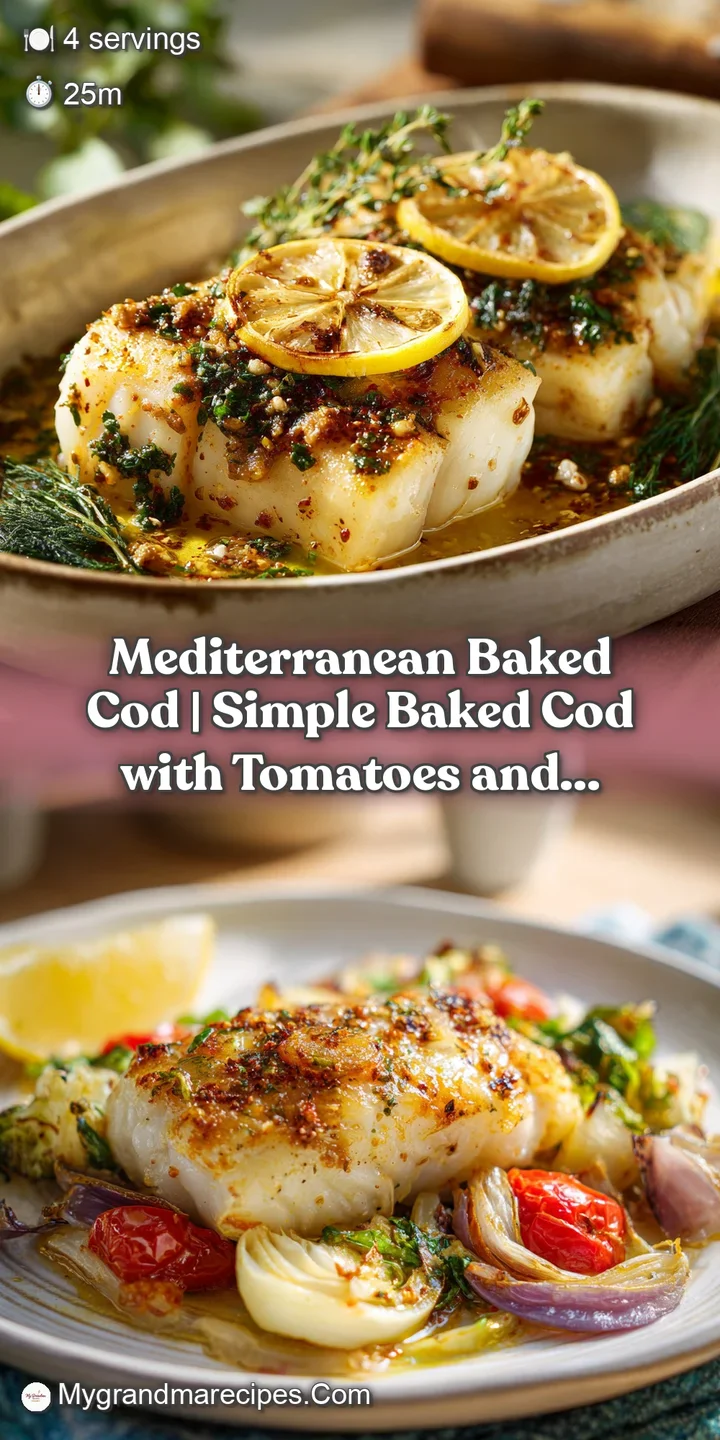
We eat with our eyes first, right? To make this Mediterranean Baked Cod look like it came out of a professional kitchen, I like to serve it right in the ceramic baking dish. The contrast of the red tomatoes, purple onions, and green parsley against the white fish and feta is naturally beautiful.
If you're plating individually, start by placing a generous spoonful of the roasted vegetable medley on the plate first. Nestled the fish fillet right on top, then drizzle any remaining juices from the pan over the fish. This makes it look "glistening" and ensures no flavor is left behind.
A final crack of fresh black pepper and a lemon wedge on the side adds that final touch of class.
If you want a little more "crunch," you could sprinkle some toasted pine nuts over the top at the very end. They add a buttery texture that complements the flaky fish perfectly. Just remember, the goal here is "rustic elegant." It shouldn't look perfect it should look like a vibrant, sun drenched meal from a seaside tavern.
- If you want a crispier top, turn on the broiler for the last 2 minutes of cooking. Watch it like a hawk so the garlic doesn't burn!
- If you want a thicker sauce, mash a few of the roasted tomatoes into the oil/lemon mixture before serving.
- If you want a milder flavor, soak the sliced red onions in cold water for 10 minutes before roasting to remove their "bite."
This Mediterranean Baked Cod has become a staple in my house because it proves that "healthy" doesn't have to mean "boring." It's fast, it's colorful, and most importantly, it's almost impossible to mess up if you follow the temperature rules. Happy cooking, and I can't wait to hear how your first batch turns out!
Recipe FAQs
Is it true I should wash the cod fillets before patting them dry?
No, this is a common misconception. Washing raw fish can spread bacteria in your kitchen and adds excess moisture that prevents the fish from roasting properly.
How to ensure the dressing coats the fish evenly?
Whisk the olive oil, lemon juice, garlic, and spices until the mixture turns into a thickened, opaque emulsion. This stable base ensures the flavors distribute perfectly across the cod and vegetables during the 15-minute bake time.
How to know when the cod is finished baking?
Check for an internal temperature of 140°F and look for burst cherry tomatoes. If you enjoyed mastering the art of the perfect roasted texture here, you will find that following these sensory cues is the most reliable way to prevent overcooking delicate white fish.
Should I cover the baking dish with foil while it is in the oven?
No, keep the dish uncovered. Leaving it open allows the moisture from the tomatoes and red onions to evaporate, which concentrates the Mediterranean flavors and prevents the fish from steaming.
How to prevent the fish from falling apart when moving it to a plate?
Let the dish rest for 5 minutes after removing it from the 400°F oven. This resting period allows the proteins to set, ensuring the fillets stay intact while carry over cooking brings the internal temperature to 145°F.
Can I use frozen cod instead of fresh?
Yes, but thaw it completely in the refrigerator first. You must pat the thawed fillets bone dry with paper towels, otherwise the excess water will cause the fish to boil in its own juices instead of roasting.
Is the feta cheese added before or after baking?
Add the crumbled feta only after you remove the dish from the oven. Adding it at the end preserves the creamy texture of the cheese, which provides a bright, salty contrast to the roasted vegetables and cod.
Mediterranean Baked Cod
Ingredients:
Instructions:
Nutrition Facts:
| Calories | 288 kcal |
|---|---|
| Protein | 31.4 g |
| Fat | 15.2 g |
| Carbs | 5.4 g |
| Fiber | 1.2 g |
| Sugar | 1.8 g |
| Sodium | 615 mg |
