Easy Lazy Fall High Protein Dinner Idea with Roasted Chicken
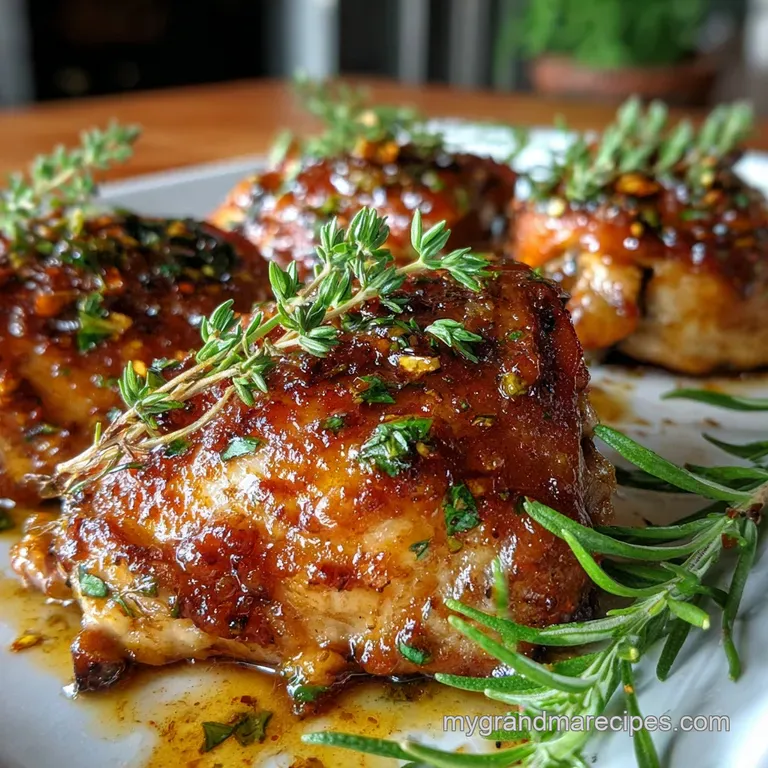
- Time: Active 15 minutes, Passive 45 minutes, Total 60 minutes
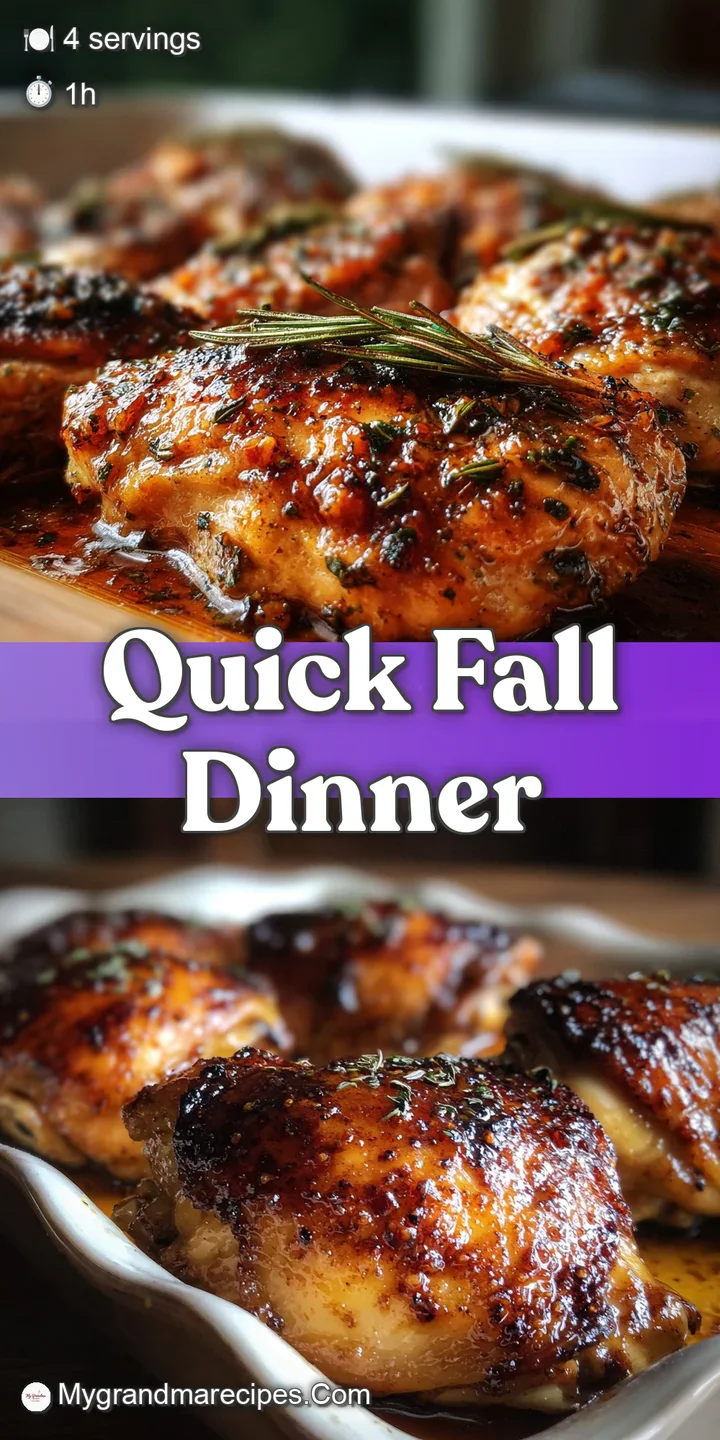
- Flavor/Texture Hook: Crispy skin and honey glazed edges
- Perfect for: Weeknight family meals and high protein meal prep
- An Easy Lazy Fall High Protein Dinner Idea with Roasted Chicken
- Why This Generational Sheet Pan Roasting Method Works
- The Time and Effort Required for This Meal
- Selecting the Best Harvest Ingredients for Your Pan
- Essential Kitchen Tools for a Perfect Golden Roast
- How to Cook Your Chicken and Vegetables Correctly
- Fixing Common Issues for the Best Texture Possible
- Modifying the Recipe for Specific Healthy Eating Goals
- Practical Tips for Leftovers and Zero Kitchen Waste
- Creative Ways to Present Your Roasted Chicken Dinner
- Recipe FAQs
- 📝 Recipe Card
Can we just talk about that specific smell of a kitchen in October? It is that heavy, sweet aroma of squash hitting a hot pan mixed with the savory sizzle of chicken fat rendering out.
This article shares one incredibly simple and delicious way to make a high protein roasted chicken dinner perfect for a lazy fall evening. I remember my grandma in Tennessee always saying that the oven does all the hard work if you just give it the right ingredients, and she was spot on.
Honestly, some nights I just do not have it in me to stand over a stove stirring three different pots. We have all been there, right? You want something that sticks to your ribs and keeps you full, but you also want to be curled up on the couch while it happens. That is where this sheet pan method saved me.
It is a "set it and forget it" kind of situation that results in something that looks way more impressive than it actually is.
You'll find that the magic here is not in fancy techniques but in how the chicken juices drip down and season the vegetables as they roast. It is rustic, it is simple, and it is exactly what you need when the sun starts setting earlier.
We are going to skip the complicated sauces and let the natural sugars in the maple and cider vinegar do the heavy lifting. Trust me, once you see those charred edges on the Brussels sprouts, you will be hooked.
An Easy Lazy Fall High Protein Dinner Idea with Roasted Chicken
Whenever I pull this pan out of the oven, the first thing I notice is the sound. It is a faint, crackling sizzle that tells me the skin is going to shatter when I bite into it. I used to make the mistake of crowding my pan, which just steams everything into a mushy mess.
Now, I give everything its own space so the air can circulate. That is the real secret to getting those "burnt" ends on the red onion that taste like candy.
The Science of Why it WorksMaillard reaction: The dry heat of the oven causes the proteins and sugars to bond, creating that deep brown color and savory taste.
Protein denaturation happens as heat unfolds the chicken fibers, eventually firming them up to lock in moisture while the skin dehydrates into a crisp layer.
Maximizing the Maillard Reaction
To get that deep color, you need high heat. I like to crank the oven to 425°F because anything lower just does not give the vegetables that roasted, nutty flavor we are after.
You want the surface of the chicken to reach a temperature where the sugars in the maple syrup start to caramelize without burning. It is a fine line, but the 45 minutes mark is usually the sweet spot for these specific ingredients.
Leveraging Bone In Moisture
I will always advocate for bone in, skin on thighs for this. The bone acts like a thermal conductor, helping the meat cook evenly from the inside out. Plus, the skin provides a built in basting system. As the fat melts, it coats the chicken and the chickpeas below, making everything velvety and rich.
If you used boneless breasts, they would be dry as a bone before the squash even got soft.
Strategic Vegetable Sizing
Cutting your butternut squash into 1 inch cubes is not just for looks. It ensures they finish cooking at the exact same time the chicken reaches its safe internal temperature. If you cut them too small, they turn into mash; too large, and they will still be crunchy when the chicken is done.
It is all about timing the moisture loss so every component on the pan hits its peak at the same moment.
| Ingredient | Science Role | Pro Secret |
|---|---|---|
| Chicken Thighs | Fat source & heat conductor | Pat skin bone dry for maximum shatter |
| Butternut Squash | Starch for Maillard reaction | Roast on the edges for more browning |
| Canned Chickpeas | Plant protein & fiber | Peel loose skins for extra crispness |
| Maple Syrup | Sugar for caramelization | Brush on during the final 10 mins |
The way the chickpeas transform is probably my favorite part. In a wet environment, they stay soft, but in this dry roast, they become these little protein packed croutons. This technique is actually quite similar to the way we build texture in my Garlic Butter Chicken Recipe where the fat plays a lead role in the flavor profile.
Why This Generational Sheet Pan Roasting Method Works
This method works because it honors the ingredients without trying to force them into something they aren't. We are using the natural fat from 1.75 lb bone in, skin on chicken thighs to season 1 lb Brussels sprouts and a small butternut squash.
It is efficient, it is smart, and it cuts down on the dishes, which is the ultimate goal on a lazy Tuesday.
- Concentrated Flavor: Roasting evaporates water, leaving behind the intense essence of the produce.
- Texture Contrast: You get the soft squash, the crispy chicken, and the crunchy chickpeas in every bite.
- Nutrient Density: This is a high protein powerhouse that covers your macros without needing a side dish.
- Even Cooking: By using a large sheet pan, we avoid the "steaming effect" common in deep casserole dishes.
When you're looking for that old-fashioned comfort, this beats a processed meal every single time. It reminds me of the Chicken and Rice recipe my family loves, but with a roasted twist that feels a bit more modern while keeping those Tennessee roots.
The Time and Effort Required for This Meal
Preparing this dinner is really just a matter of chopping and tossing. While the oven preheats, you spend about 15 minutes getting everything onto the pan. Once it is in, you have 45 minutes to yourself.
I usually use that time to help the kids with homework or just sit down with a glass of tea. It is a low stress way to get a high-quality meal on the table.
| Feature | Stovetop Sauté | Oven Roasting |
|---|---|---|
| Active Labor | Constant stirring | Hands off after prep |
| Texture | Soft/Browned | Crispy/Caramelized |
| Batch Size | Limited by pan size | Large sheet pan capacity |
One thing I have learned is that you cannot rush the roasting. If you pull it out too early, the sprouts will be bitter and the chicken skin will be flabby. Wait for that visual cue of golden brown edges. It makes all the difference in the world.
Selecting the Best Harvest Ingredients for Your Pan
You do not need fancy grocery stores for this. Most of these items are fall staples you can find anywhere. I like to look for heavy squash and tight, bright green Brussels sprouts. The fresher the produce, the more natural sugar it contains, which leads to better browning.
- 1.75 lb bone in, skin on chicken thighs Why this? Essential for moisture and flavor during the long roast.
- Sub: Bone in drumsticks. They have similar fat content and cook time.
- 15 oz canned chickpeas Why this? Adds a surprising crunch and extra protein boost.
- Sub: Canned cannellini beans, though they stay softer than chickpeas.
- 1 small butternut squash Why this? Provides the sweetness and starch that defines fall.
- Sub: Large sweet potato cut into 1 inch cubes.
- 1 lb Brussels sprouts Why this? Becomes nutty and charred under high heat.
- Sub: Large florets of broccoli (add these halfway through).
- 1 medium red onion Why this? Melts into sweet, jammy wedges during roasting.
- Sub: Shallots cut in half lengthwise.
- 2 tbsp extra virgin olive oil
- Sub: Avocado oil for a higher smoke point.
- Seasoning: 1 tsp smoked paprika, 1 tsp garlic powder, 1 tsp salt, 0.5 tsp pepper
- Sub: Your favorite pre mixed poultry seasoning.
- The Glaze: 3 tbsp maple syrup, 2 tbsp apple cider vinegar, 1 tbsp grainy Dijon, 1 tsp thyme
- Sub: Honey and balsamic vinegar for a deeper, tangier finish.
Chef's Tip: Freeze your butter for 10 minutes then grate a tiny bit over the squash before roasting. The milk solids brown beautifully and add a nutty "brown butter" flavor to the whole pan.
Essential Kitchen Tools for a Perfect Golden Roast
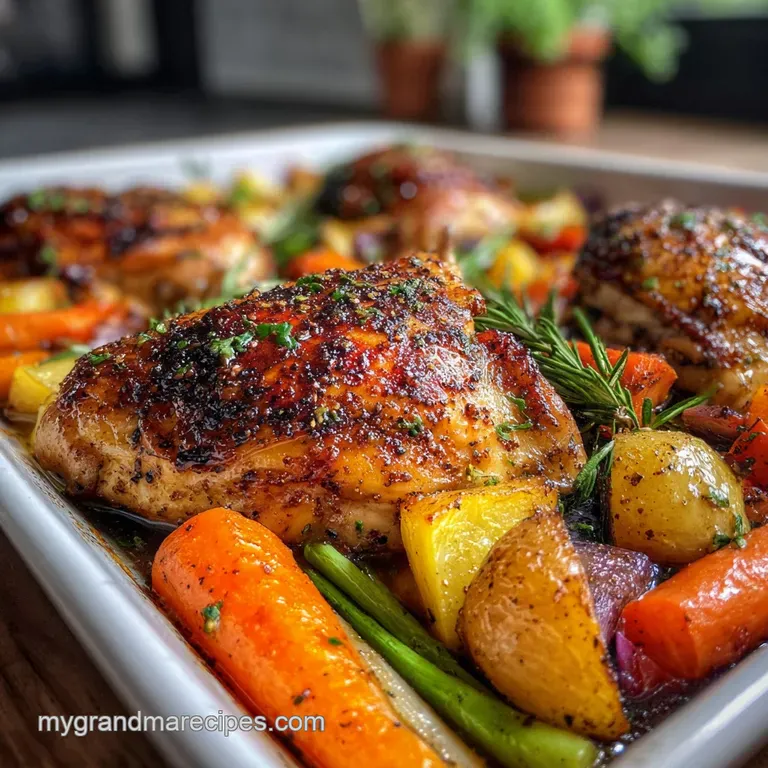
The right pan is everything here. You want a heavy duty rimmed baking sheet. If you use a thin, cheap pan, it might warp in the high heat or cause the bottom of your vegetables to burn before the tops are done. I always reach for my half sheet pans that have a bit of weight to them.
1. The Sheet Pan Choice
A standard 13x18 inch pan is the perfect size for these quantities. If you go smaller, the ingredients will be too crowded.
2. Prep Tools
A sharp chef's knife is non negotiable for that squash. Those things can be slippery! Also, have a large mixing bowl ready so you can toss everything thoroughly in the oil and spices before they hit the pan.
How to Cook Your Chicken and Vegetables Correctly
Let's get down to the actual cooking. The goal is to keep the prep organized so you aren't scrambling. I like to follow a specific flow: prep the veg, season the meat, then whisk the glaze while the oven does its thing.
- Preheat your oven to 425°F and place an empty sheet pan inside. Note: A hot pan starts the searing process immediately.
- Prep the produce. Cut the squash into 1 inch cubes, halve the sprouts, and wedge the onion.
- Dry the chicken. Use paper towels to pat the 1.75 lb thighs until bone dry. Note: Moisture is the enemy of crispy skin.
- Toss the vegetables. In a bowl, mix the squash, sprouts, onion, and drained chickpeas with 2 tbsp olive oil and the dry seasonings.
- Place the chicken on the hot sheet pan, skin side up. Surround it with the vegetable mixture in a single layer.
- Roast for 30 minutes. You should hear a constant sizzle and see the chicken skin turning a light golden brown.
- Whisk the glaze. Combine the 3 tbsp maple syrup, 2 tbsp ACV, 1 tbsp Dijon, and 1 tsp thyme in a small jar.
- Apply the glaze. Carefully brush the chicken and drizzle the vegetables with the mixture.
- Finish roasting for another 10 to 15 minutes until the chicken skin is dark gold and the squash is tender.
- Rest the meat. Let the pan sit for 5 minutes before serving to allow the juices to redistribute.
Chef's Tip: Add a pinch of cornstarch to the dry rub for the chicken. It absorbs any leftover surface moisture and creates a "shatter" texture on the skin that is absolutely incredible.
Fixing Common Issues for the Best Texture Possible
Sometimes things don't go perfectly, and that is okay. The most common problem people have with sheet pan meals is sogginess. If your vegetables look more boiled than roasted, it usually comes down to one of two things: overcrowding or excess moisture from the chickpeas.
Why Your Vegetables Are Soggy
If you pile the vegetables on top of each other, the steam cannot escape. It gets trapped between the layers and turns your crispy sprouts into mush. Make sure you can see the bottom of the pan between the pieces of food.
Why Your Chicken Skin is Soft
If you didn't pat the chicken dry or if you applied the glaze too early, the skin will stay rubbery. The glaze contains moisture (vinegar and syrup), so it needs to go on late in the process just to caramelize, not to soak into the skin.
| Problem | Root Cause | Solution |
|---|---|---|
| Burnt Glaze | Applied too early | Only brush on during the last 10-15 mins |
| Bitter Sprouts | Under cooked centers | Ensure they are halved and face down on the pan |
| Dry Meat | Over cooking | Use an instant read thermometer to hit 165°F |
Modifying the Recipe for Specific Healthy Eating Goals
I know a lot of people are watching their carbs or looking for Paleo options these days. This recipe is naturally pretty clean, but you can definitely tweak it. For a lower carb version, you could swap the butternut squash for cauliflower or extra Brussels sprouts.
Lowering the Carb Count
To keep this high protein but lower in sugar, swap the maple syrup for a keto friendly maple alternative or just use a squeeze of lemon and extra herbs. The squash can be replaced with radishes, which lose their pepperiness and become quite potato like when roasted.
Keeping it Paleo & Whole30
To make this strictly Paleo, ensure your Dijon mustard has no added sugars or wine. For Whole30, omit the maple syrup entirely and use a few splashes of apple juice or compliant balsamic vinegar to get that hint of sweetness without the added sugar. If you love these types of flavors, you might also enjoy the tangy profile of a Huli Huli Chicken recipe adapted for the oven.
Practical Tips for Leftovers and Zero Kitchen Waste
This is one of those rare meals that actually tastes great the next day. The squash stays creamy and the chicken is easy to shred. I love using the leftovers for "power bowls" during the work week.
- Storage: Keep leftovers in an airtight container in the fridge for up to 4 days.
- Freezing: You can freeze the roasted chicken and squash for up to 3 months, but the sprouts will get a bit soft upon thawing.
- Reheating: Use the oven or an air fryer at 350°F to bring back the crispiness. The microwave works but will make the skin soft.
- Zero Waste: Save the chicken bones in a bag in your freezer! When you have a few pounds' worth, you can make a rich stock like the one used in a Chicken Noodle Soup recipe. Also, don't throw away the squash seeds you can roast them with a little salt for a snack.
Creative Ways to Present Your Roasted Chicken Dinner
When it comes to serving, I like to keep it as simple as the cooking was. You can bring the whole sheet pan to the table if you're feeling casual it has that rustic, family style charm. But if you want to dress it up a bit, there are a few "bistro" tricks you can use.
- The Protein Power Up: Serve each thigh over a small bed of arugula. The residual heat will wilt the greens slightly, and the vinegar from the glaze acts as a built in dressing.
- Creamy Component: A dollop of Greek yogurt or a sprinkle of goat cheese over the hot squash adds a velvety tang that cuts through the sweetness of the maple.
- Fresh Finish: Always hit the pan with a fresh sprinkle of thyme or parsley right before eating. That pop of green makes the whole dish look vibrant.
If you want X, do Y
- If you want extra crunch, toss the chickpeas in a separate small bowl with 1 tsp of cornstarch before adding to the pan.
- If you want spicier flavor, add 0.5 tsp of red pepper flakes to the maple glaze.
- If you want sweeter vegetables, use sweet potatoes instead of squash and double the red onion.
Myths About Sheet Pan Roasting
"You should line your pan with parchment for everything." Actually, for the best browning on the chicken skin, roasting directly on the metal (or using a very thin layer of foil) is better. Parchment can sometimes trap a thin layer of moisture.
"Chicken thighs are too fatty for a healthy diet." In reality, the fat in thighs helps you absorb the fat soluble vitamins (A, D, E, and K) in the squash and sprouts. Plus, much of it renders out onto the pan anyway!
"Everything needs to be flipped halfway." Not necessarily! If you put the flat side of the vegetables down and leave them alone, they develop a beautiful, dark crust that flipping would actually ruin.
Right then, I think you're ready to get roasting. This Easy Lazy Fall High Protein Dinner Idea with Roasted Chicken has become a total staple in my house, and I hope it finds a permanent spot in your rotation too. It is the kind of recipe that reminds you that cooking doesn't have to be a chore to be meaningful.
Grab your pan, put on some music, and let the oven do the work. Happy cooking!
Recipe FAQs
What makes this chicken dinner "lazy"?
It requires minimal active prep time. You'll spend about 15 minutes chopping and tossing ingredients onto a sheet pan, then the oven does the rest of the work.
Can I use chicken breasts instead of thighs?
No, stick with bone-in, skin-on thighs for best results. Boneless breasts tend to dry out quickly in the high heat required for roasting vegetables properly.
How do I ensure crispy vegetables?
Don't overcrowd the pan. Ensure ingredients are in a single layer with space for air to circulate; this prevents steaming and promotes caramelization.
What's the science behind the crispy skin and caramelized edges?
It's the Maillard reaction and caramelization. High heat causes sugars and proteins to brown and develop complex flavors, creating that desirable crispy texture.
How long does this dinner typically take to cook?
About 60 minutes total. This includes 15 minutes of active prep and 45 minutes of passive roasting time in the oven.
Can I make this low-carb or Whole30 compliant?
Yes, with substitutions. Swap butternut squash for cauliflower or extra Brussels sprouts, and use compliant sweeteners like apple juice or balsamic vinegar for Whole30.
How do I get those chickpeas super crispy?
Pat them dry and roast them directly on the pan. If you want them extra crunchy, consider tossing them with a teaspoon of cornstarch before adding them to the pan.
Lazy Fall Roasted Chicken
Ingredients:
Instructions:
Nutrition Facts:
| Calories | 643 kcal |
|---|---|
| Protein | 38 g |
| Fat | 27 g |
| Carbs | 62 g |
| Fiber | 12 g |
| Sugar | 18 g |
| Sodium | 680 mg |
