Jerk Chicken: Smoky Island Heat
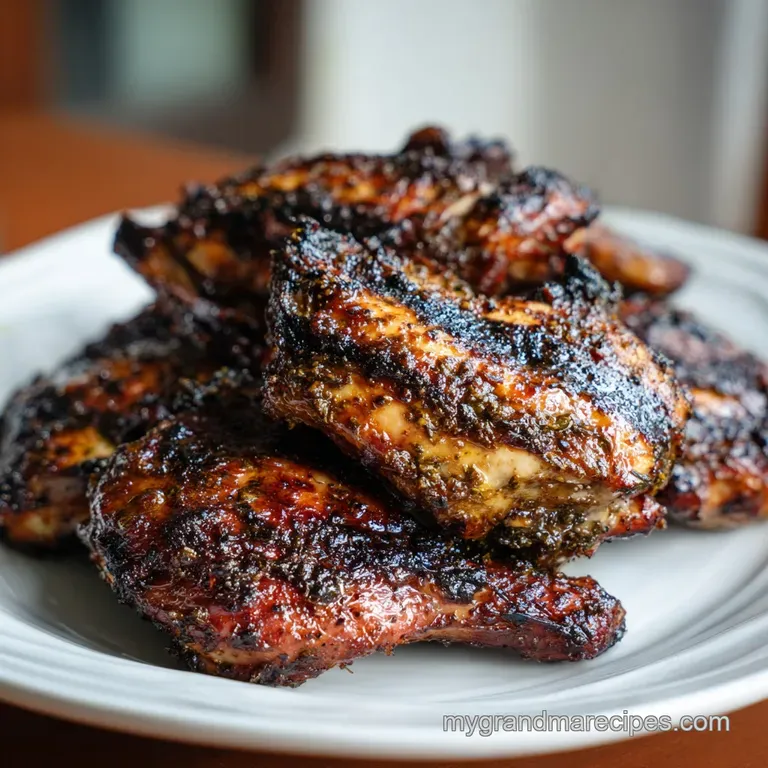
- Time: Active 20 min, Passive 2 hours 45 min, Total 3 hours 5 min
- Flavor/Texture Hook: A shatter crisp skin giving way to velvety, spice soaked meat with a lingering peppery warmth.
- Perfect for: Sunday family suppers or impressive weekend meal prep.
- The Secret to Authentic Jerk Chicken Flavor
- Your Recipe Timeline and Specifications
- Essential Spices and Fresh Aromatics
- Tools for Achieving the Perfect Char
- Executing the Perfect Batch Every Time
- Solving Common Prep and Cooking Issues
- Simple Swaps for Different Diets
- Storage Tips for Keeping Chicken Fresh
- Best Sides for Your Spicy Chicken
- Debunking Jerk Myths
- Very High in Sodium
- Recipe FAQs
- 📝 Recipe Card
The Secret to Authentic Jerk Chicken Flavor
I still remember the first time a neighbor from the islands brought a platter of this over to our kitchen in Tennessee. The aroma hit me before she even crossed the porch, a heady mix of sweet allspice and that distinct, fruity sting of Scotch bonnet peppers.
It wasn't just spicy, it was complex, like a story told through heat and smoke that stayed with you long after the meal ended.
Getting that dark, almost burnt crust without drying out the meat seemed like magic back then. I spent years trying to mimic that sizzle and the way the juices practically run down your chin.
It took a lot of trial and error, a few scorched pans, and one very memorable afternoon where I forgot to wear gloves while chopping peppers, but I finally found the rhythm of it.
This version is what we call "supper table ready." It respects the traditional roots of the dish while making it practical for a home cook who doesn't have a pimento wood fire pit in the backyard.
We're going for that deep, earth shaking flavor that makes you want to reach for a second helping before you've even finished the first.
Your Recipe Timeline and Specifications
The Physics of the Puncture: Piercing the chicken skin before marinating allows the salt and acids to travel deep into the muscle fibers instead of just sitting on the surface. This ensures the seasoning reaches the bone, creating a more uniform flavor profile.
- Cold Infusion: The long marination period allows the allspice and peppers to hydrate and bond with the meat's proteins.
- Sugar Caramelization: Dark brown sugar reacts with the high heat to create a bitter sweet crust that balances the intense heat of the peppers.
- Acid Tenderization: Lime juice breaks down tough surface connective tissue, ensuring the skin becomes thin and crispy rather than leathery.
| Method | Time | Texture | Best For |
|---|---|---|---|
| Stovetop (Cast Iron) | 25 minutes | Maximum char and smoky crust | Smaller batches with high intensity |
| oven-roasted (180°C) | 45 minutes | Even cooking and rendering | Feeding a crowd with less cleanup |
The stovetop method provides a more aggressive sear, but the oven is much more forgiving for bone in pieces. If you're looking for a similar flavor profile in a faster format, you might enjoy this Sheet Pan Chicken recipe which uses a similar over high heat roasting technique.
Essential Spices and Fresh Aromatics
| Ingredient | Science Role | Pro Secret |
|---|---|---|
| Scotch Bonnet Peppers | Capsaicin delivery and fruitiness | Remove seeds to lower heat without losing the floral aroma. |
| Ground Allspice | Primary aromatic compound | Use fresh ground if possible for a more volatile oil punch. |
| Dark Brown Sugar | Maillard reaction catalyst | The molasses content helps the crust turn that deep mahogany. |
| Soy Sauce | Liquid salt and umami base | This provides the deep color and savory depth that salt alone lacks. |
Between the spicy kick of the peppers and the warmth of the cinnamon, this dish hits every part of your palate. If you find yourself wanting to experiment with more liquid based flavor builders later, take a look at this Chicken Sauce recipe for a different way to finish your poultry.
Tools for Achieving the Perfect Char
To get the best results, you'll need a high powered blender or food processor to turn those aromatics into a smooth paste. A sturdy baking sheet with a wire rack is my secret weapon here. The rack allows hot air to circulate under the chicken, preventing the bottom from getting soggy in its own juices.
You also won't want to skip out on a pair of kitchen shears. I use them to trim any excess fat from the 4 lbs of chicken thighs and drumsticks before they go into the marinade. It makes the final presentation much cleaner and prevents flare ups if you decide to finish these on a grill later on.
Executing the Perfect Batch Every Time
- Prepare the chicken. Pat the 4 lbs of chicken thighs and drumsticks bone in, skin on dry with paper towels. Note: Dry skin crisps much faster than wet skin.
- Create flavor channels. Use a sharp paring knife to poke 3-4 small holes in each piece of chicken.
- Blend the aromatics. Combine 4 Scotch bonnet peppers, 100g chopped scallions, 5 smashed garlic cloves, and 30g sliced ginger in a blender.
- Add the liquids. Pour in 120ml soy sauce, 60ml lime juice, and 30ml vegetable oil.
- Incorporate the spices. Pulse in 35g dark brown sugar, 15g ground allspice, 4g dried thyme, 2g nutmeg, 2g cinnamon, 6g salt, and 2g pepper.
- Marinate the meat. Coat the chicken thoroughly in a large bowl and refrigerate until the flavors have deeply penetrated, at least 2 hours.
- Preheat the oven. Set your oven to 180°C (350°F).
- Arrange for roasting. Place the chicken on a wire rack over a baking sheet, skin side up.
- Bake the chicken. Roast for 45 minutes until the skin is dark, bubbling, and the juices run clear.
- Rest the meat. Let the chicken sit for 5 minutes until the internal juices have redistributed.
Chef's Tip: If you really want that authentic street food look, turn on the broiler for the last 3 minutes of cooking. Keep a close eye on it, as the brown sugar in the marinade can go from caramelized to burnt in seconds!
Solving Common Prep and Cooking Issues
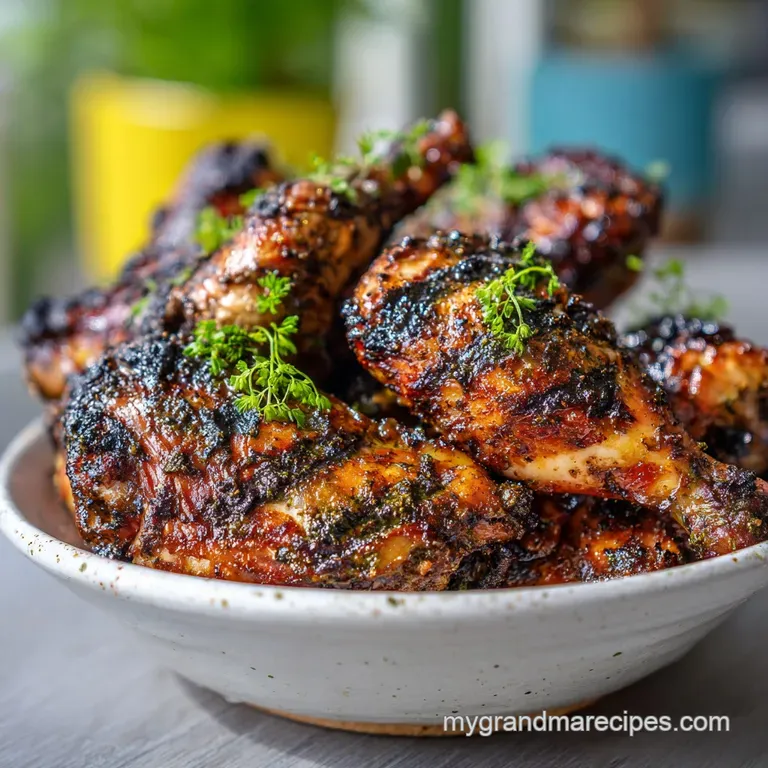
Why Your Chicken Skin Is Rubbery
If the skin isn't crisping up, it's usually because there is too much moisture in the oven. This happens if the chicken pieces are crowded too closely together or if you didn't pat them dry before adding the marinade. The steam trapped between the pieces prevents the fat from rendering properly.
| Problem | Root Cause | Solution |
|---|---|---|
| Too much heat | Too many pepper seeds | Scrape out the white membranes and seeds before blending. |
| Bitter crust | Sugar burnt too fast | Move the rack further from the heat source during the last 10 mins. |
| Dry meat | Overcooking | Use a meat thermometer to pull chicken at 74°C (165°F). |
If you ever feel like the spice level in your marinades is inconsistent, you can compare techniques with The Very Chicken recipe to see how different acids and fats carry heat.
Common Mistakes Checklist ✓ Wear gloves when handling Scotch bonnets to avoid painful "pepper burn" on your skin. ✓ Don't skip the sugar - it's essential for the chemical reaction that creates the dark crust.
✓ Always use bone in chicken; boneless cuts will dry out long before the marinade caramelizes. ✓ Ensure the oven is fully preheated before the chicken goes in to jumpstart the searing.
✓ Let the chicken come to room temperature for 15 minutes before cooking for more even heat distribution.
Simple Swaps for Different Diets
Lowering the heat or changing the protein is easy once you understand the base of the marinade. While the traditional version is quite spicy, you can tailor it to your household's needs without losing the soul of the dish.
| Original Ingredient | Substitute | Why It Works |
|---|---|---|
| Scotch Bonnet Peppers | Habanero Peppers | Similar heat level and fruity profile; easier to find in most stores. |
| Soy Sauce | Tamari | Keeps the recipe gluten-free while maintaining the deep umami saltiness. |
| Dark Brown Sugar | Coconut Sugar | Offers a similar caramel depth with a slightly lower glycemic index. |
If you're looking for a slower way to cook chicken that still yields incredibly tender results, my Pesto Ranch Chicken recipe is a fantastic alternative for busy weeknights.
Storage Tips for Keeping Chicken Fresh
This chicken actually tastes even better the next day because the spices have more time to settle. Keep any leftovers in an airtight container in the fridge for up to 4 days. If you want to freeze it, I recommend freezing the chicken while it's still in the raw marinade; it will stay fresh for up to 3 months and "marinate" as it thaws in the fridge.
To reheat, avoid the microwave if you can. It tends to make the skin rubbery. Instead, pop the pieces back into a 180°C oven for about 10-12 minutes. For a zero waste tip, save the bones!
Jerk chicken bones make an incredible base for a spicy chicken stock that can be used for rice and peas or a flavorful soup.
Best Sides for Your Spicy Chicken
- Traditional Rice and Peas: The creamy coconut milk in the rice helps quench the fire from the peppers.
- Fried Plantains: The natural sweetness of ripe plantains creates a beautiful contrast with the salty, spicy marinade.
- Vinegar Based Slaw: A bright, crunchy cabbage salad cuts through the richness of the dark meat chicken.
If you want a different take on a spiced chicken dinner that the whole family will love, these Greek Chicken Meatball recipe offer a milder, Mediterranean flavor profile that is just as juicy.
Debunking Jerk Myths
One big misconception is that you need a specialized grill to make this dish "real." While wood smoke adds a specific layer of flavor, the heart of jerk is the marinade itself the specific ratio of allspice to pepper.
You can achieve a stunning, authentic result in a standard kitchen oven just by focusing on the caramelization of the sugars.
Another myth is that Scotch bonnets are just about heat. In reality, they are used for their floral, apricot like scent. If you swap them for a pepper like Cayenne, you'll get the heat but lose the signature fragrance that defines the dish. Stick to the Scotch bonnet or Habanero family to keep that island spirit alive.
Very High in Sodium
1240 mg mg of sodium per serving (54% % of daily value)
The American Heart Association recommends limiting sodium intake to about 2,300mg per day.
Tips to Reduce Sodium in Your Jerk Chicken:
-
Reduce Salt-25%
Cut the coarse kosher salt in half, from 6g to 3g. This will significantly lower the sodium content without sacrificing too much flavor. Taste and adjust accordingly.
-
Low-Sodium Soy Sauce-20%
Replace the regular soy sauce with a reduced sodium version. This simple swap can make a noticeable difference in the overall sodium content of the dish. Look for options with at least 25% less sodium.
-
Boost Flavor with Lime-10%
Increase the amount of fresh lime juice from 60ml to 90ml. The acidity will enhance the other flavors and compensate for the reduction in salt.
-
Embrace the Heat-5%
The Scotch bonnet peppers provide a lot of flavor. You can slightly increase the amount or consider adding a pinch of cayenne pepper to enhance the heat and reduce the need for as much salt.
-
Spice It Up!
Experiment with other herbs and spices like smoked paprika, onion powder, garlic powder, or white pepper to enhance flavor complexity without adding sodium. These additions contribute to the overall taste profile.
Recipe FAQs
Is it mandatory to use bone-in, skin-on chicken pieces for authentic results?
Yes, bone-in, skin-on is strongly recommended. Bone-in pieces cook slower, allowing the marinade time to fully penetrate the meat before the exterior burns. The skin is essential for achieving the signature crisp, charred crust.
How long must the chicken marinate to absorb the full flavor profile?
Marinate for a minimum of 2 hours, ideally overnight. The long, cold infusion time allows the salt and acids to tenderize the muscle fibers. If you're aiming for even deeper flavor transfer, try applying the same deep penetration technique to meat used in our Chicken Black Bean recipe.
Can I substitute Scotch Bonnet peppers with a milder chili like Jalapeño?
No, you will lose the essential fruity flavor. While you can reduce the quantity of Scotch Bonnet peppers to manage heat, substituting them entirely removes the signature floral aroma that defines true jerk seasoning. If you decide to use less heat overall, consider this milder Avocado Chicken Salad recipe for a different poultry preparation.
What is the best way to ensure the skin gets very dark and crispy without drying the meat?
Roast on a wire rack set above a baking sheet. This setup allows hot air to circulate completely around the chicken, preventing the bottom from sitting in moisture, which causes steaming instead of crisping. The dark brown sugar in the marinade aids caramelization under high heat.
How do I properly handle the Scotch Bonnet peppers to avoid burning my skin?
Wear sturdy, disposable gloves before handling any part of the pepper. Slice the peppers open, carefully scrape out the white pith and seeds, and then proceed with blending the flesh. This removes much of the volatile heat while retaining the fruity oils.
Is it true that using a cast iron skillet on the stovetop is superior to the oven?
False, it depends on your goal; cast iron yields a stronger sear. Stovetop cooking in cast iron creates intense, localized char but is harder to manage for even cooking of thicker pieces. For reliably cooked meat, the oven at 180°C is more forgiving.
What is the purpose of adding dark brown sugar to the intensely savory marinade?
The sugar is crucial for the Maillard reaction and color development. It caramelizes under heat, creating the deep mahogany crust characteristic of jerk seasoning that balances the intense salt and spice. This sugar process is similar to how fat helps create crust in recipes like our Chicken Pot Pie recipe.
Jamaican Jerk Chicken
Ingredients:
Instructions:
Nutrition Facts:
| Calories | 578 kcal |
|---|---|
| Protein | 44.1 g |
| Fat | 41.2 g |
| Carbs | 6.4 g |
| Fiber | 0.9 g |
| Sugar | 4.2 g |
| Sodium | 1240 mg |
