Instant Pot Mac and Cheese Recipe
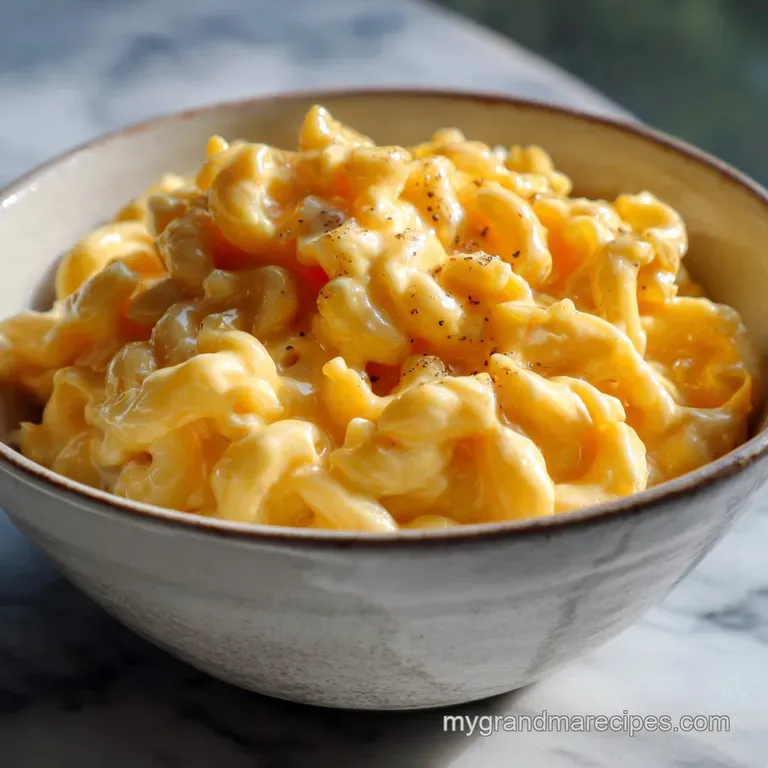
- Time: Active 5 minutes, Passive 13 minutes, Total 18 minutes
- Flavor/Texture Hook: Sharp, velvety, and intensely savory
- Perfect for: Stressful weeknight dinners and first time cooks
- The Silky Secret to Instant Pot Mac and Cheese
- Why You Will Love This Velvety Pressure Cooker Pasta
- A Component Analysis of the Sauce Elements
- Essential Elements and Possible Ingredient Substitutes
- Necessary Tools for a Seamless Process
- Executing the Pressure Cooker Method Correctly
- Solving Texture and Consistency Problems
- Guidelines for Adjusting the Batch Size
- Debunking Common Kitchen Assumptions
- Efficient Storage and Zero Waste Strategies
- Complementing Your Velvety Pasta Dish
- Recipe FAQs
- 📝 Recipe Card
The Silky Secret to Instant Pot Mac and Cheese
The sharp hiss of the steam release is usually the sound of a "thank goodness dinner is done" moment in my house. I remember the first time I tried making mac and cheese this way, I was skeptical. I had grown up whisking flour and butter until my arm ached, terrified the milk would scald.
When I finally cracked the lid on this version, the aroma of nutty Gruyère and tangy Dijon hit me so hard I almost forgot to add the rest of the cheese.
We have all been there, staring at a box of dry noodles at 6:00 PM with zero energy to wash three different pots. This method is a total sanity saver because the pasta cooks right in the broth, absorbing every drop of flavor. You won't find any watery sauce or mushy noodles here.
Instead, you get a bowl of comfort that feels like a hug from the inside, and honestly, I haven't looked back since I realized how much better the texture is when you skip the boiling water routine.
Why You Will Love This Velvety Pressure Cooker Pasta
Starch Concentration: Cooking the 1 lb dry elbow macaroni in a limited amount of chicken broth keeps the starches in the pot, which helps thicken the sauce naturally without a roux.
Flavor Infusion: Because the pasta isn't boiled in plain water, every single noodle is seasoned from the inside out with savory broth and garlic.
One Pot Cleanup: Using just one vessel for both cooking and mixing means you aren't scrubbing a colander or a separate saucepan after dinner.
Stable Emulsion: The 4 oz low-fat cream cheese acts as a stabilizer, preventing the extra sharp cheddar from breaking and becoming oily.
The Science of the Emulsion
The cream cheese contains stabilizers like carob bean gum that keep the fat from the cheddar suspended in the liquid. This prevents that grainy, "broken" sauce texture that often happens when heating high fat cheeses too quickly.
| Servings | Macaroni Weight | Broth Volume | Cook Time |
|---|---|---|---|
| 2 People | 150 g | 350 ml | 4 minutes |
| 4 People | 300 g | 700 ml | 4 minutes |
| 6 People | 450 g (1 lb) | 950 ml (4 cups) | 4 minutes |
The liquid ratio is the most important part of making this work. If you have leftovers, you might want to tuck them into a School Lunch Idea recipe for the kids the next day.
A Component Analysis of the Sauce Elements
| Ingredient | Science Role | Pro Secret |
|---|---|---|
| Chicken Broth | Flavor Solvent | Use low sodium to control the salt finish perfectly. |
| Cream Cheese | Emulsifier | Cube it and let it soften so it melts instantly. |
| Gruyère | Flavor Depth | Grate it yourself for a better, smoother melt. |
| Dijon Mustard | Tangy Catalyst | A tiny bit cuts through the heavy fat richness. |
Essential Elements and Possible Ingredient Substitutes
- 1 lb dry elbow macaroni: The classic shape for trapping sauce.
- Substitute: Shells or cavatappi. Why this? They have ridges that hold onto the velvety sauce better.
- 4 cups low sodium chicken broth: The cooking liquid that adds savory depth.
- Substitute: Vegetable broth or water. Why this? Water works but you will lose the underlying umami notes.
- 2 tbsp unsalted butter: Adds silkiness to the final coating.
- Substitute: Ghee or salted butter. Why this? Ghee offers a higher smoke point but isn't strictly necessary here.
- 1 tsp Dijon mustard: Brightens the heavy cheese flavors.
- Substitute: 0.5 tsp dry mustard powder. Why this? It provides the same acidic lift without the extra moisture.
- 0.5 tsp garlic powder: Provides a background hum of savory flavor.
- Substitute: 1 clove fresh minced garlic. Why this? Sauté the fresh garlic in the butter first for better flavor.
- 0.25 tsp smoked paprika: Adds a tiny hint of wood fired aroma.
- Substitute: Regular paprika or a dash of cayenne. Why this? Cayenne adds a spicy kick if you prefer heat.
- 4 oz low-fat cream cheese, cubed and softened: The glue that holds the sauce together.
- Substitute: Full fat cream cheese or Mascarpone. Why this? Mascarpone is even richer but has less tang than cream cheese.
- 2 cups extra sharp cheddar cheese, freshly shredded: The primary flavor driver.
- Substitute: Sharp White Cheddar or Monterey Jack. Why this? Monterey Jack melts beautifully but is much milder in flavor.
- 1 cup Gruyère cheese, freshly shredded: Adds a sophisticated, nutty profile.
- Substitute: Swiss cheese or Fontina. Why this? Fontina is incredibly gooey and mild, perfect for picky eaters.
- 0.5 cup 2% milk: Thins the sauce to the right consistency.
- Substitute: Whole milk or heavy cream. Why this? Heavy cream creates a much more decadent, restaurant style finish.
- Black pepper: To taste.
Necessary Tools for a Seamless Process
You don't need a pantry full of gadgets, but a modern pressure cooker (like an Instant Pot) is non negotiable for this specific "pot mac and cheese" method. I usually reach for a sturdy silicone spatula to stir the cheese at the end because it gets every bit of sauce off the sides of the metal liner.
A box grater is also your best friend here. Please, I am begging you, don't use the pre shredded stuff in a bag. It is coated in potato starch that will make your sauce feel gritty instead of silky.
Executing the Pressure Cooker Method Correctly

- Combine ingredients. Place the 1 lb dry elbow macaroni, 4 cups chicken broth, 2 tbsp butter, 1 tsp Dijon, 0.5 tsp garlic powder, and 0.25 tsp smoked paprika into the inner pot. Note: Do not stir yet; just make sure the pasta is mostly submerged.
- Seal and set. Close the lid and set the valve to the "sealing" position.
- Pressure cook. Select manual or pressure cook on high for 4 minutes until the timer beeps.
- Perform quick release. Carefully turn the valve to "venting" to release the steam immediately until the pin drops.
- Add stabilizers. Stir in the 4 oz cubed cream cheese while the pasta is still steaming hot. Note: This creates the base for the rest of the cheese to melt into.
- Incorporate cheddar. Add the 2 cups extra sharp cheddar in handfuls, stirring constantly. Wait until it is smooth before adding more.
- Add the Gruyère. Fold in the 1 cup shredded Gruyère and continue stirring until the sauce is velvety.
- Adjust consistency. Pour in the 0.5 cup 2% milk slowly.
- Season. Add black pepper to taste and stir one final time.
- Rest. Let the pot sit for 2 minutes until the sauce thickens slightly and clings to the noodles.
Solving Texture and Consistency Problems
Handling a Thin or Runny Sauce
If you open the lid and it looks like soup, don't panic. The pasta will continue to absorb liquid as you stir in the cheese. If it still feels too loose after all the cheese is in, simply let it sit for 5 minutes with the lid off. The starches will firm up as the temperature drops slightly.
Dealing with Grainy or Clumped Cheese
This usually happens if the pot is too hot or if you used pre shredded cheese. If the cheese clumps, add a splash more milk and stir vigorously. The extra moisture and the emulsifiers in the milk can sometimes help bring the sauce back together. For a different texture entirely, you might enjoy comparing this to a Baked Mac and Cheese recipe which uses a different thickening method.
| Problem | Root Cause | Solution |
|---|---|---|
| Greasy Sauce | Heat too high/broken fat | Stir in 1 tbsp of cold milk to lower temp. |
| Hard Noodles | Not enough liquid | Add 1/4 cup hot water and cook 1 more min. |
| Bland Flavor | Lack of acidity/salt | Add a pinch of salt or a drop of lemon juice. |
Common Mistakes Checklist
- ✓ Always use a quick release for the steam (prevents mushy pasta)
- ✓ Shred your own cheese from a block (avoids grainy additives)
- ✓ Don't skip the cream cheese (it’s the secret to the emulsion)
- ✓ Add the milk last to adjust the final creaminess level
- ✓ Ensure the sealing ring is properly seated before starting
Guidelines for Adjusting the Batch Size
If you are cooking for a crowd and want to double this, keep the cook time at 4 minutes. The pot will just take longer to come to pressure. However, for the spices and salt, only increase them by 1.5x rather than a full 2x to avoid over seasoning.
When halving the recipe, use a smaller 3 quart pressure cooker if you have one to ensure there is enough liquid depth for the pasta to cook evenly.
Debunking Common Kitchen Assumptions
"You must boil pasta in a huge pot of water." Actually, cooking pasta in just enough liquid to be absorbed creates a concentrated starch slurry that acts as a natural thickener for sauces.
"low-fat cheese doesn't melt." While some low-fat cheeses struggle, the low-fat cream cheese in this recipe is specifically chosen for its high moisture and stabilizer content, which actually aids the melting process of the sharper cheeses.
Efficient Storage and Zero Waste Strategies
Storage: Keep leftovers in an airtight container in the fridge for up to 4 days. When reheating, add a tablespoon of milk or water per cup of pasta to loosen the sauce back up. You can also freeze this for up to 2 months, though the noodles may become slightly softer upon thawing.
Zero Waste: If you have leftover cheese nubs that were too small to grate, toss them into a freezer bag. Once you have a handful, melt them down into a "fridge clearing" sauce for broccoli or baked potatoes.
You can also use any leftover chicken broth to flavor the rice for a different meal later in the week.
Complementing Your Velvety Pasta Dish
This rich "Mac and Cheese" is quite heavy, so I love serving it with something bright and acidic to cut through the fat. A simple green salad with a sharp vinaigrette or some roasted broccoli with lemon zest works wonders.
If you want a more substantial meal, it pairs beautifully with sliced smoked sausage or even buffalo chicken strips on top.
For those looking for a different vibe, this dish is a great side for a Big Mac Tot Casserole recipe if you're hosting a casual game day party. The contrast between the creamy pasta and something crunchy is always a hit with guests. Trust me, once you master this instant pot version, you'll find yourself making it as a "side" that quickly becomes the main event.

Recipe FAQs
What is the key ingredient that prevents the cheese sauce from becoming grainy?
The cubed, softened cream cheese. It acts as a critical emulsifier, containing stabilizers that keep the fat from the cheddar suspended, which prevents the sauce from separating or becoming oily.
Is it true that I must use freshly shredded cheese instead of pre-shredded bags?
Yes, this is essential for texture. Pre-shredded cheese is coated in starches like potato starch to prevent clumping in the bag, and these additives will make your finished sauce gritty rather than velvety.
How do I fix the sauce if it comes out too thin after the pressure cooking cycle?
Let the pot rest, lid off, for 5 minutes. The residual heat allows the pasta starches to fully hydrate and thicken the sauce as it cools slightly; if it's still loose, add a little more shredded cheese and stir.
How to cook the macaroni in the pressure cooker for the best texture?
Set the pressure cooker on high for exactly 4 minutes. Use a quick release immediately afterward to stop the residual heat from overcooking the pasta, ensuring it is tender but not mushy.
Can I substitute the chicken broth with plain water without ruining the flavor?
No, you will lose significant depth of flavor. Cooking the pasta directly in broth infuses the noodles with umami, a technique similar to how we build foundational savory flavor in dishes like our Shepherd s Pie Recipe Easy: Savory Beef Base.
What is the secret to adding tanginess to cut through the richness of the cheese?
Add a small amount of Dijon mustard. The acid in the mustard brightens the heavy fat content of the cheddar and Gruyère, providing necessary balance to the final taste profile.
How should I store leftovers to maintain the sauce consistency?
Refrigerate in an airtight container for up to 4 days. When reheating, stir in one tablespoon of milk or water per cup of pasta to loosen the sauce and return it to a creamy state.
Instant Pot Mac And Cheese

Ingredients:
Instructions:
Nutrition Facts:
| Calories | 599 calories |
|---|---|
| Protein | 28.3 g |
| Fat | 26.6 g |
| Carbs | 60.1 g |
| Fiber | 2.1 g |
| Sugar | 3.2 g |
| Sodium | 633 mg |
