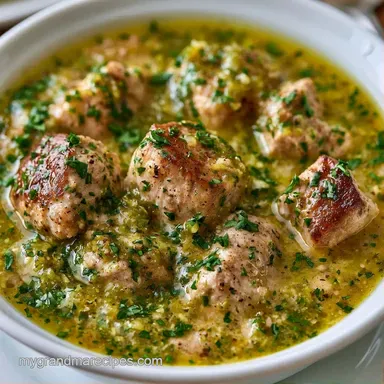
Hatch Green Chile Stew with Pork Shoulder
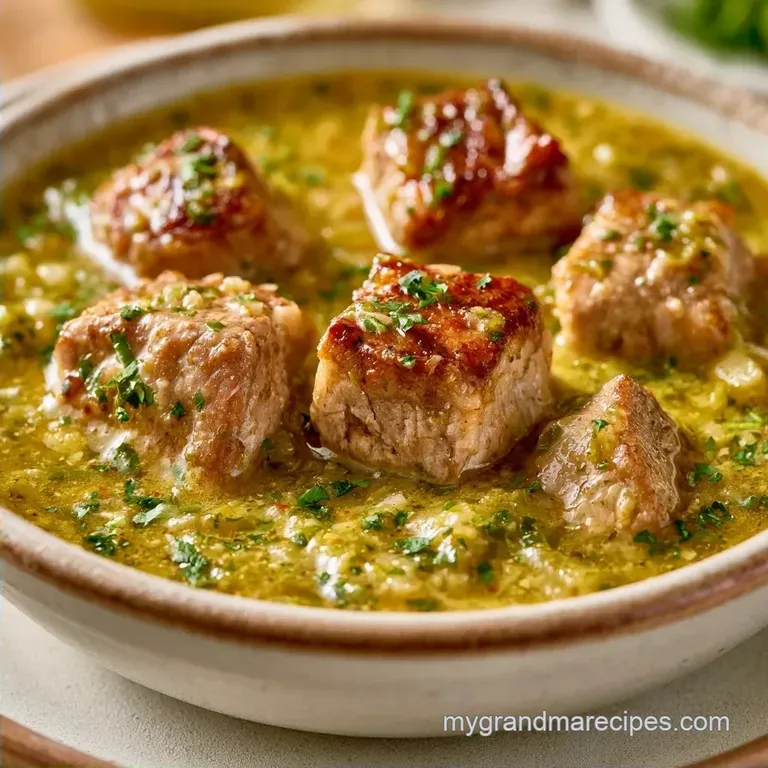
- Time: 15 min active + 2 hours 30 mins simmering
- Flavor/Texture Hook: Smoky, spicy, and hearty
- Perfect for: Cold rainy nights or meal prep
Ever wonder why some stews taste like a cafeteria meal while others taste like a roadside stand in New Mexico? It usually comes down to the chiles and the cut of meat. When those roasted chiles hit a hot pot, the smell fills the whole house with a toasted, earthy aroma that makes you crave a warm bowl immediately.
I used to just throw everything in at once, but that's a mistake. You end up with gray meat and mushy potatoes. This version focuses on building layers, starting with a hard sear on the pork and finishing with a bright splash of lime.
You can expect a thick, chunky stew that has a real kick. This Hatch Green Chile Stew doesn't rely on thickeners, just the natural starch from the potatoes and the richness of the pork.
Hatch Green Chile Stew
Here are the practical details. This recipe yields around 8 cups, which is plenty for a family dinner plus some leftovers for tomorrow's lunch.
Because the pork simmers for a few hours, the meat becomes tender enough to fall apart with a fork. It is a slow process, but the resulting depth of flavor is well worth the wait.
| Goal | What to change |
|---|---|
| Thicker broth | Mash 3 potato cubes |
| Milder heat | Use mild roasted chiles |
| Leaner protein | Use chicken thighs |
The Hearty Ingredient List
The pork shoulder is non negotiable here. You need that fat to carry the heat of the chiles. If you use pork loin, the meat will dry out during the long simmer.
For the Protein Base
We use pork shoulder cut into small cubes. This ensures every bite has meat and potato.
For the Aromatics & Heat
The roasted Hatch chiles provide the soul of the dish. I prefer them coarsely chopped so you get a bit of texture in every spoonful.
For the Hearty Body
Yukon Gold potatoes are the way to go. They hold their shape better than Russets but still have a buttery feel.
The Right Tools
A heavy bottomed pot is essential for this. A Dutch oven is ideal because it provides consistent heat distribution and prevents scorching during the extended simmer.
Alternatively, a stockpot can be used, though you should monitor the temperature more carefully. You're aiming for a light simmer rather than a vigorous boil. A durable wooden spoon is also handy for scraping up those savory brown bits from the base.
Putting the Stew Together
Phase 1: The Maillard Sear
Set a Dutch oven over medium high heat and add 2 tbsp vegetable oil. Pat 2 lbs pork shoulder cubes dry and season with 1 tsp kosher salt and ½ tsp cracked black pepper. Sear the meat in batches until a deep golden brown crust forms, then transfer the pieces to a plate.
Phase 2: Building the Flavor Base
Reduce the heat to medium. Sauté 1 medium diced yellow onion for 5 minutes until translucent. Mix in 4 cloves minced garlic and 1 tsp ground cumin, cooking for 60 seconds until fragrant but not browned.
Fold in 2 cups roasted Hatch green chiles, stirring until the mixture becomes a thick, spicy paste.
Phase 3: The Low and Slow Simmer
Return the browned pork to the pot. Pour in 6 cups low sodium chicken broth, scraping the bottom to release the flavorful browned bits. Bring the liquid to a boil, then immediately lower to a gentle simmer. Cover and cook for 1.5 to 2 hours until the pork is fork tender.
Phase 4: Stabilizing the Texture
Stir in 3 cubed Yukon Gold potatoes. Simmer without the lid for 20 to 30 minutes until the potatoes are tender but still hold their shape. Mix in 1 tbsp lime juice and garnish with ¼ cup fresh chopped cilantro just before serving.
Avoiding Common Stew Flaws
One of the biggest issues people have is the consistency. If the liquid feels too thin, don't reach for flour. Instead, use the potato trick. Just crush a few of the cooked potato cubes against the side of the pot and stir them back in.
Another common problem is the heat level. Hatch chiles vary wildly in spice. If the stew is too spicy, a bit more lime juice or a dollop of sour cream on top can mellow it out.
Fixing a Thin Broth
The broth should be pourable but have some body. If it's watery, the potatoes might not have released enough starch.
When the Meat Stays Tough
If the pork isn't tender after two hours, it just needs more time. Every piece of meat is different, so give it another 30 minutes.
Managing Excessive Heat
If you accidentally used "hot" chiles, adding a pinch of sugar or more potato can balance the burn.
| Problem | Fix |
|---|---|
| Watery broth | Mash 3-4 potato cubes |
| Tough pork | Simmer 30 mins longer |
| Too spicy | Add extra lime or sour cream |
Fun Ways to Swap
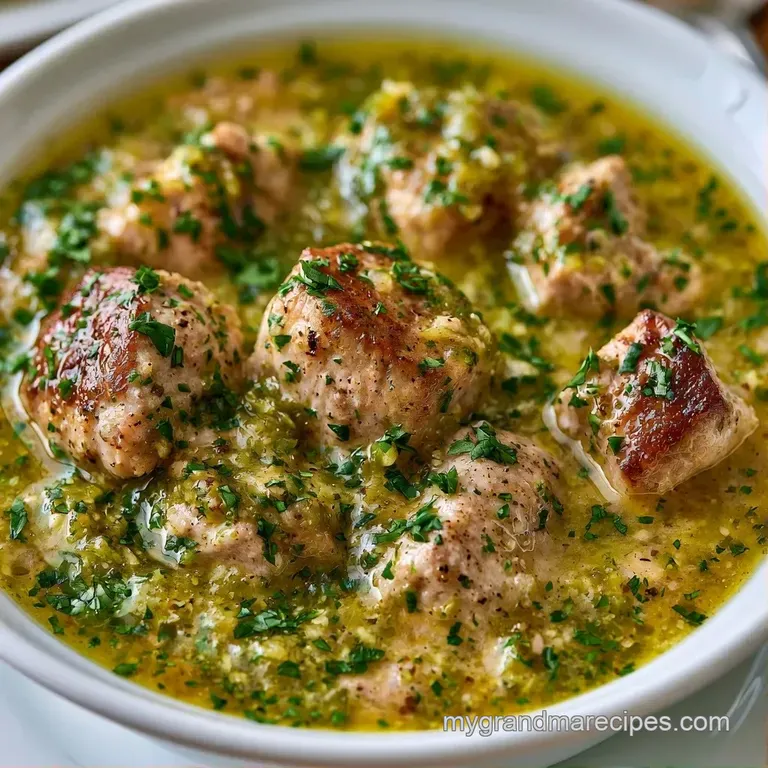
If you want to switch things up, this recipe is very flexible. For a different protein, try using cubed chicken thighs. They stay juicy and absorb the chile flavor beautifully.
For those who want more heat or a different flavor profile, you could try a blend of chiles. If you've already used up your green chiles, you can look at an authentic red chile sauce for a different regional vibe.
If you don't have pre roasted chiles, you can make your own. I highly recommend checking out my guide on roasted Hatch chiles to get that charred flavor.
| Original Ingredient | Substitute | Why It Works |
|---|---|---|
| Pork Shoulder | Chicken Thighs | Similar fat content. Note: Cook for 45 mins instead of 2 hours |
| Yukon Gold Potatoes | Red Potatoes | Holds shape well. Note: Slightly firmer texture |
| Chicken Broth | Beef Broth | Deeper flavor. Note: Makes the stew taste "heavier" |
Keeping Your Stew Fresh
The flavors deepen overnight, making this dish even more delicious the following day. Keep it in an airtight jar in the refrigerator for as long as 4 days.
If freezing, ensure the stew is fully cooled before placing it in bags. It remains fresh for 3 months. Reheat gently over low heat on the stovetop, stirring in a bit of extra broth to restore the consistency.
To minimize waste, don't discard the cilantro stems. Add them to the pot while simmering to boost the taste, then either remove them before serving or mince them finely.
What to Serve Beside
A warm bowl of Hatch Green Chile Stew is a meal on its own, but a few sides make it feel complete. Warm flour tortillas are the classic choice for scooping up the pork and potatoes.
Some people love a side of Mexican red rice or a simple slice of cornbread. If you want something fresh, a crisp slaw with lime and vinegar cuts through the richness of the pork.
Chef's Note: Try adding a slice of melted Monterey Jack cheese on top of each bowl. It creates a creamy contrast to the spicy broth.
Why the Method Matters
Most recipes fail because they treat the potatoes like the meat. Potatoes cook in 20 minutes, while pork shoulder takes hours. If you put them in together, you get a grainy soup instead of a chunky stew.
Starch Control: Adding potatoes at the end keeps the broth clear and the chunks intact. Fat Rendering: Searing the pork first creates a base of flavor that you can't get from boiling alone.
The reason this works is all about the timing of the starch. It's a similar logic to how a one pot beef stew handles root vegetables.
The "Lean Meat" Trap
Some people try to use pork loin to save calories. Don't do it. Loin has no connective tissue, so it turns into dry rubber when simmered for two hours. The shoulder has collagen that melts into the broth, giving it a lush feel.
The "Generic Chile" Mistake
Using canned, diced green chiles isn't the same as using roasted Hatch chiles. Roasted chiles have a smoky depth that canned versions lack. If you can't find Hatch, look for New Mexico or Anaheim chiles.
Searing Myths
Many people think searing meat "seals in the juices." That's not true. Searing is actually about creating a brown crust that adds a savory depth to the overall pot.
Adjusting the Batch Size
For a meal for two, simply cut the ingredients in half. Use a smaller pot to prevent excessive liquid loss and shorten the simmering time by roughly 20%.
When scaling up for a group, avoid doubling the seasonings and salt exactly. Begin with 1.5 times the salt and cumin, then adjust to taste at the finish. You can decrease the liquids by about 10% since a larger, fuller pot retains more moisture.
If using a slow cooker, you can skip sautéing the onions, though I still suggest browning the pork in a skillet first. Set the heat to Low for 8 hours or High for 4 hours, adding the potatoes during the final 60 minutes.
Critical Sodium Levels
1180 mg 1180 mg of sodium per serving (51% 51% of daily value)
The American Heart Association recommends a daily limit of 2,300 mg of sodium for most adults to reduce the risk of high blood pressure and heart disease.
Tips to Reduce Sodium in Your Pork Stew
-
Swap the Broth-30%
Replace the low-sodium chicken broth with homemade unsalted broth or water combined with extra aromatic vegetables for a massive sodium drop.
-
Reduce Added Salt-25%
Cut the kosher salt in half or eliminate it entirely, as the broth and chiles already provide significant sodium.
-
Rinse the Chiles-15%
If using canned roasted Hatch chiles, rinse them under cold water to remove excess sodium from the canning brine.
-
Amplify the Acid-10%
Increase the lime juice amount; the acidity mimics the taste of salt and tricks your palate into feeling satisfied with less sodium.
-
Boost Aromatics
Add more fresh cilantro, ground cumin, or a pinch of smoked paprika to create a bolder flavor profile without adding salt.
Recipe FAQs
What exactly are Hatch peppers?
These are chiles grown specifically in the Hatch Valley of New Mexico. They are prized for their unique earthy flavor and smoky aroma.
How spicy do Hatch chiles typically taste?
The heat varies widely from mild to extra hot depending on the specific crop. You can usually find them labeled by heat level at the market to match your preference.
How to roast hatch chiles in an oven?
Place the peppers under a broiler until the skin blisters and chars. Turn them frequently to ensure all sides are blackened before steaming them in a covered bowl to peel.
In what ways can I use these chiles in other savory dishes?
Stir them into sauces, tacos, or hearty meats. If you liked searing the pork here, you can apply that same browning technique to our beef stew for a rich base.
Which variety of green chiles works best for this stew?
Use roasted Hatch green chiles for the most authentic smoky flavor. Any high-quality roasted green chile will work, but the flavor profile will change.
Is it true that red chiles are always spicier than green ones?
Surprisingly, no. Red chiles are simply green chiles that have fully ripened on the vine, and their heat levels vary just as much as the green ones.
Hatch Green Chile Stew