Slow-Braised Beef Roast with Cranberry Balsamic Glaze
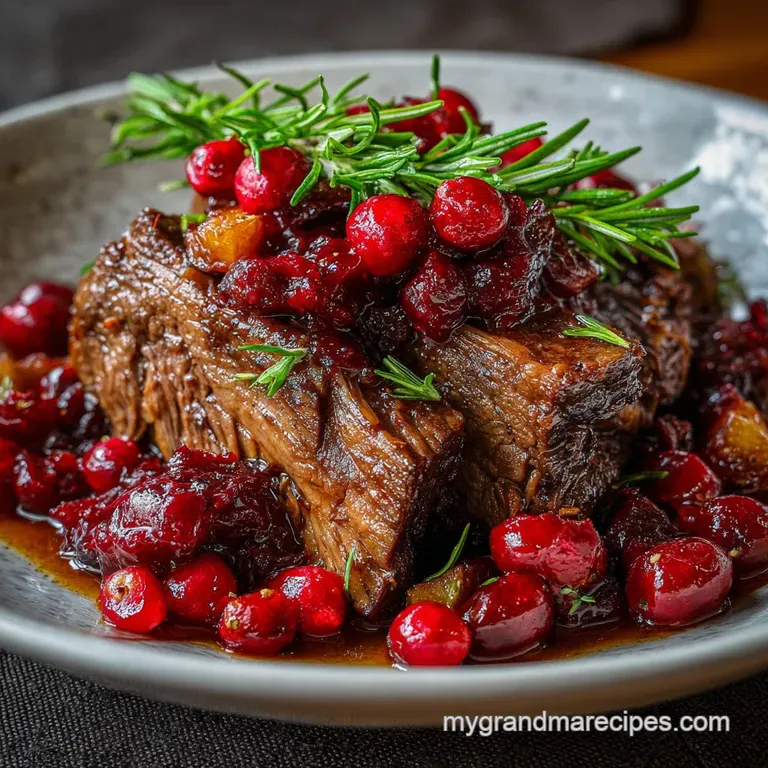
- Time: Active 20 minutes, Passive 3 hours 30 mins, Total 3 hours 50 mins
- Flavor/Texture Hook: Velvety glaze with a tart sweet finish and buttery, falling apart meat.
- Perfect for: Sunday family gatherings, holiday dinners, or cold winter evenings.
- Slow Braised Beef Roast with Cranberry Balsamic Glaze
- The Science Behind Fork Tender Results
- Timing and Yield for Success
- Shopping for the Best Ingredients
- Essential Minimal Tools for Braising
- Detailed Steps from Prep to Plate
- Fixing Common Cooking Problems
- Smart Twists and Easy Ingredient Swaps
- Guidelines for Storage and Freezing
- Choosing the Best Sides to Serve
- Recipe FAQs
- 📝 Recipe Card
Slow Braised Beef Roast with Cranberry Balsamic Glaze
Whenever the air turns crisp and the leaves start to scatter across the porch, my mind goes straight to my grandma's kitchen. There was always a heavy cast iron pot simmering on the stove, filling the house with an aroma that made your mouth water before you even stepped inside.
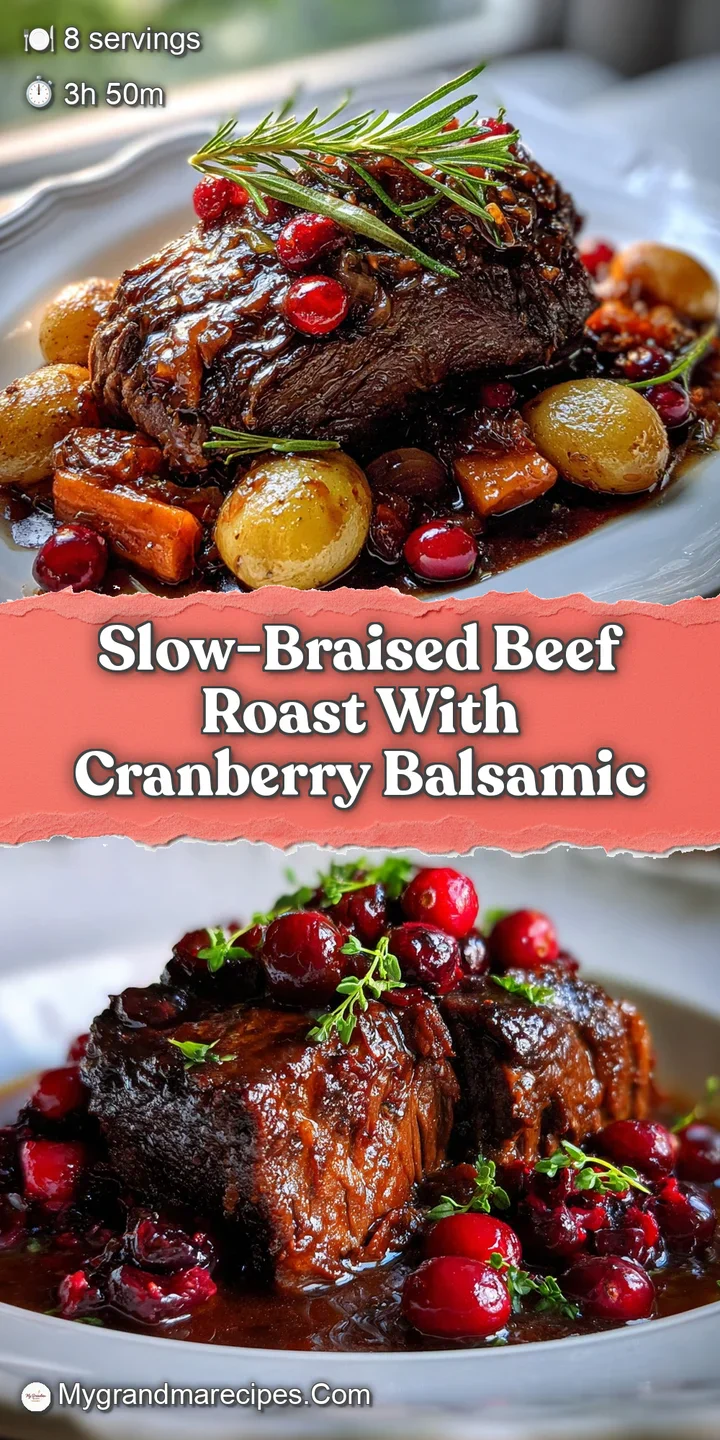
This Slow Braised Beef Roast with Cranberry Balsamic Glaze and Fresh Rosemary is a guaranteed showstopper.
I used to think that a roast was just something you tossed in a pot with some water and hoped for the best. After a few dry, chewy disasters, I realized that the real secret isn't just time it's the balance of acid and fat.
This recipe isn't just food; it's a bit of home cooked history that I've tweaked over the years to get that glossy finish.
You don't need fancy gadgets or culinary school techniques for this one. We're going back to basics with a heavy pot and a little patience. Trust me on this, once you see that Balsamic Glaze bubbling and coat the back of a spoon, you'll never go back to basic brown gravy again.
It's rich, a little wild from the berries, and soul warming.
The Science Behind Fork Tender Results
Getting meat to melt in your mouth isn't magic; it's physics. When we cook a 1.6 kg (3.5 lb) chuck roast, we're waiting for a specific internal transformation. But what about the sogginess? We'll get to that.
- Collagen to Gelatin Conversion: At temperatures around 71°C to 82°C (160°F to 180°F), the tough connective tissue in the beef melts into silky gelatin, providing that velvety mouthfeel.
- Acidic Denaturation: The acetic acid in the 120 ml (0.5 cup) of aged balsamic vinegar helps break down surface proteins while balancing the richness of the beef fat.
- The Maillard Reaction: Searing the meat in 30 ml (2 tbsp) of avocado oil at high heat creates hundreds of new flavor compounds that a slow cooker simply can't replicate.
Chef Tip: Freeze your fresh rosemary for 10 minutes before use. This makes the needles brittle so they "shatter" when chopped, releasing much more aromatic oil into the braise.
| Ingredient | Science Role | Pro Secret |
|---|---|---|
| Beef Chuck (1.6 kg) | High collagen content | Always pat dry with paper towels; moisture is the enemy of a good sear. |
| Fresh Cranberries | Natural pectin source | They act as a thickener for the sauce as they burst and release starch. |
| Balsamic Vinegar | Acid catalyst | Use aged vinegar for less harshness and more natural sugar for the glaze. |
One mistake I once made was skipping the sear because I was in a rush. Honestly, don't even bother if you aren't going to brown the meat. That crust is where all the deep, savory soul of the Roast with Cranberry Balsamic Glaze and Fresh Rosemary lives. Without it, you're just boiling meat, and nobody wants that.
Timing and Yield for Success
This recipe is designed to serve 8 hungry people, making it a staple for my family's Tennessee holiday table. Because we're working with a large piece of meat, precision matters. I've found that a 1.6 kg (3.5 lb) roast hits the "sweet spot" of tenderness right around the 3 hour mark in the oven.
If you are cooking for a smaller crowd, don't just cut the time in half. Braising doesn't work that way. Instead, follow the scaling rules below. When I'm only cooking for two, I still make the full roast. The leftovers are even better the next day, and I love using the shredded beef for sandwiches or even as a base for my Beef Vegetable Soup Recipe.
Precision Checkpoints
- The Sear: 4 minutes per side until a dark, mahogany crust forms.
- The Braise: Internal temperature should reach 95°C (203°F) for "fork tender" shredding.
- The Reduction: Simmer the liquid until it reduces by 50%, which usually takes about 12 minutes on high heat.
When scaling down to a half roast (approx 800g), use a smaller pot to keep the liquid level high enough to cover half the meat. Reduce the total oven time by about 20%, but start checking for tenderness after 2 hours.
If you're scaling up for a big party, work in batches for the searing step so you don't crowd the pan and steam the meat instead of browning it.
Shopping for the Best Ingredients
Selecting your meat is the most important part of this journey. Look for a chuck roast with plenty of white flecks that's intramuscular fat, or marbling. In my kitchen, we call that "flavor insurance." If the meat looks too lean, it will end up dry and stringy regardless of how much Balsamic Glaze and Fresh Rosemary you use.
- 1.6 kg (3.5 lb) Beef chuck roast: Why this? Highest collagen content for a silky, melting texture.
- 30 ml (2 tbsp) Avocado oil: Why this? High smoke point allows for a fierce, dark sear without burning.
- 100 g (1 cup) Fresh cranberries: Why this? Provides tartness and natural thickeners for the reduction.
- 120 ml (0.5 cup) Aged balsamic vinegar: Why this? Adds complex acidity and sugar for the glossy glaze.
- 475 ml (2 cups) Low sodium beef broth: Why this? Controls salt levels while providing a deep savory base.
- 60 ml (0.25 cup) Pure maple syrup: Why this? Counteracts the cranberry tartness with a woody sweetness.
- 4 cloves garlic, smashed: Why this? Smashed cloves release flavor slowly during the long braise.
- 3 sprigs fresh rosemary: Why this? Piney notes cut through the richness of the beef fat.
- 2 sprigs fresh thyme: Why this? Adds a subtle earthy layer to the sauce.
| Original Ingredient | Substitute | Why It Works |
|---|---|---|
| Fresh Cranberries | Dried Cranberries (0.5 cup) | Use unsweetened if possible. Note: Lacks the thickening power of fresh fruit. |
| Maple Syrup | Brown Sugar (3 tbsp) | Provides similar sweetness but lacks the subtle maple undertones. |
| Avocado Oil | Ghee or Clarified Butter | High smoke point with a much richer, nuttier flavor profile. |
If you're looking for something simpler for a weeknight, my Beef Pot Roast Recipe uses many of these same comfort food principles with slightly fewer steps. But for a special occasion, stick with this Slow Braised Beef Roast. The cranberries really make it feel like a celebration.
Essential Minimal Tools for Braising
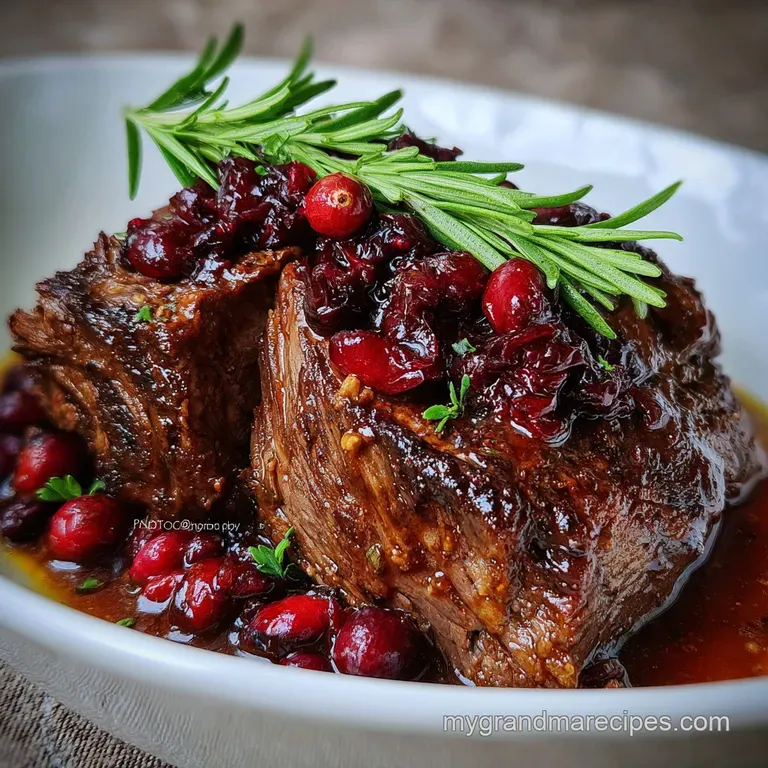
You don't need a kitchen full of gadgets to make a world class roast. In fact, Grandma always said that the less you fiddle with it, the better it turns out. A heavy bottomed vessel is your best friend here because it holds heat evenly.
I highly recommend a 5 quart cast iron Dutch oven (like a Lodge). It goes from the stovetop to the oven seamlessly. If you don't have one, any heavy oven safe pot with a tight fitting lid will work.
If your lid feels a bit loose, place a piece of parchment paper or aluminum foil between the pot and the lid to create a better seal.
One unconventional trick I love is using a "cartouche." It's just a circle of parchment paper with a small hole in the center that sits directly on top of the liquid. This prevents a skin from forming and ensures the top of the beef stays moist during the long hours in the oven.
It's a small step that makes a massive difference in the final texture.
Detailed Steps from Prep to Plate
Right then, let's crack on with the actual cooking. Follow these steps closely, and you'll have a Roast with Cranberry Balsamic Glaze and Fresh Rosemary that will have your neighbors knocking on your door.
- Temper the meat. Take the 1.6 kg beef chuck roast out of the fridge 30 minutes before cooking. Note: Cold meat drops the pan temperature and prevents a good sear.
- Season aggressively. Rub 5 g (1 tsp) kosher salt and 1 g (0.5 tsp) black pepper over every inch of the beef.
- The Deep Sear. Heat 30 ml avocado oil in your Dutch oven over medium high heat. Brown the beef for 4-5 minutes per side until a dark, crusty surface forms.
- Aromatize the pan. Remove the beef to a plate and turn the heat to medium. Toss in 4 smashed garlic cloves and 100 g fresh cranberries. Cook 2 minutes until cranberries begin to pop.
- Deglaze with acid. Pour in 120 ml balsamic vinegar. Scrap the bottom of the pot with a wooden spoon until all the brown bits (fond) are dissolved.
- Build the braise. Stir in 475 ml beef broth, 60 ml maple syrup, and the herbs. Return the beef and any juices to the pot.
- The Low and Slow Braise. Cover with a tight lid and place in a 150°C (300°F) oven. Cook for 3 hours 30 mins until the meat yields to a fork with zero resistance.
- The Glaze Reduction. Remove the beef and herbs. Boil the remaining liquid on the stovetop for 10-12 minutes until it becomes glossy and coats a spoon.
- Resting period. Let the meat rest for 15 minutes before slicing or shredding. Note: This allows the fibers to reabsorb the juices.
- Final Plate. Drizzle the thickened Cranberry Balsamic Glaze over the meat and garnish with a fresh sprig of rosemary.
| Method | Texture Result | Best For |
|---|---|---|
| Oven Braise | Evenly tender, caramelized top | Deepest flavor and best glaze consistency. |
| Stovetop | Very soft, almost boiled texture | When the oven is occupied with side dishes. |
| Slow Cooker | Falling apart, high moisture | Busy days where you can't be home to monitor. |
Fixing Common Cooking Problems
Even the most experienced cooks have days where things don't go according to plan. I remember one Christmas where my roast felt like a brick after three hours. I panicked, but then I realized I just hadn't given the collagen enough time to break down.
Why Your Beef is Tough
If your beef is still rubbery or hard to chew, it simply needs more time. Connective tissue doesn't care about your timer; it only cares about heat and moisture over duration. If it's not tender, put the lid back on and give it another 30-45 minutes. It will eventually give in.
Why Your Glaze is Bitter
Sometimes, if the balsamic vinegar is low quality or if the garlic burns during the sear, the sauce can have a bitter edge. Don't toss it out! You can fix this by adding a tiny pinch of baking soda (to neutralize acid) or an extra tablespoon of maple syrup. The sweetness balances the bitter notes perfectly.
| Problem | Root Cause | Solution |
|---|---|---|
| Thin, watery sauce | Not enough reduction time | Simmer on high without a lid for an extra 5-10 minutes. |
| Salty aftertaste | Broth was too concentrated | Add a splash of water or a teaspoon of honey to balance. |
| Meat is dry | Oven temperature was too high | Keep it at 150°C (300°F) or lower; high heat squeezes out moisture. |
Smart Twists and Easy Ingredient Swaps
I love a recipe that can change with my mood. This Slow Braised Beef Roast is a fantastic base for experimentation. If you're not a fan of the tartness of cranberries, you can lean into a more traditional profile while keeping the balsamic base.
- The Keto Friendly Twist: Swap the maple syrup for a monk fruit sweetener or simply omit it. The balsamic vinegar has enough natural sugar to create a decent glaze on its own, though it will be much tarter.
- The Slow Cooker Pivot: If you're heading out for the day, sear the meat first (don't skip this!), then toss everything into the slow cooker on "Low" for 8 hours. You'll still need to reduce the sauce in a pan at the end to get that signature glossy finish.
- The Spicy Kick: Add a half teaspoon of red pepper flakes or a sliced Fresno chili to the braising liquid. The heat against the sweet Balsamic Glaze is absolutely incredible.
Chef Tip: If you want a "clearer" glaze, strain the solids out through a fine mesh sieve before reducing the liquid. This removes the garlic bits and rosemary needles for a restaurant quality look.
There’s a common myth that searing "seals in the juices." That’s actually not true! Moisture is lost during the sear regardless. The real reason we sear is the Maillard reaction, which creates the complex flavors that make the beef taste "meaty." Another myth is that you need to submerge the meat in liquid.
If you submerge it, you're boiling it. Only fill the liquid about halfway up the side of the meat for a true braise.
Guidelines for Storage and Freezing
Braised meats are the champions of leftovers. The flavors in the Balsamic Glaze and Fresh Rosemary actually have time to mingle and penetrate deeper into the muscle fibers overnight.
Storage: Keep the beef and the glaze together in an airtight container. It will stay fresh in the fridge for up to 4 days. When reheating, do it gently on the stovetop over low heat. Add a splash of beef broth or water if the glaze has become too thick or "jammy."
Freezing: This roast freezes beautifully. I like to shred the meat and freeze it in portions with plenty of the sauce. It will last for up to 3 months. To serve, thaw it overnight in the fridge and reheat it in a covered dish at 160°C (325°F) for about 20 minutes.
Zero Waste Tip: Don't you dare pour that leftover braising liquid down the drain! It is packed with flavor and gelatin. Use it as a base for a gravy, or freeze it in ice cube trays to drop into your next stew. It’s also the perfect "secret ingredient" for a Beef Vegetable Soup Recipe to add body and depth.
Choosing the Best Sides to Serve
Since this roast has such a bold, tangy flavor profile, you want sides that can soak up that liquid gold glaze. Anything creamy or starchy is a win in my book.
- Garlic Mashed Potatoes: The classic choice. Use plenty of butter to help the potatoes stand up to the acidic balsamic sauce.
- Roasted Root Vegetables: Carrots and parsnips tossed in olive oil and salt caramelize beautifully in the oven alongside the roast.
- Polenta or Grits: For a true Tennessee touch, serve the shredded beef over creamy stone ground grits. The corn flavor is a natural partner for maple syrup.
- Crusty Sourdough: You’ll want something to swipe across the plate to get every last drop of that reduction.
If you want X, do Y: If you want a thicker, more "jam like" glaze, add an extra 50g of cranberries during the reduction phase. If you want a more delicate herb flavor, add the rosemary sprigs only during the last 30 minutes of braising.
If you want the meat to stay in neat slices rather than shredding, pull it out of the oven when the internal temp hits 88°C (190°F).
This Slow Braised Beef Roast with Cranberry Balsamic Glaze is more than just a recipe; it’s a process that rewards patience. Whether you're making it for a holiday or just because it's a rainy Tuesday, it’s bound to become a favorite in your home just like it is in mine. Happy cooking!
Recipe FAQs
Can I use dried cranberries instead of fresh?
Yes, but with adjustments. Dried cranberries lack the natural pectin for thickening, so you may need to reduce the glaze longer or add a cornstarch slurry.
What's the best cut of beef for this recipe?
Beef chuck roast is ideal. It has a high collagen content that breaks down during slow braising, resulting in a fork tender texture.
Why is searing the beef so important?
Searing creates deep flavor through the Maillard reaction. This process develops hundreds of new flavor compounds that a slow braise alone cannot replicate, giving the roast its rich, savory character.
How can I fix a bitter glaze?
Add a touch of sweetness or a pinch of baking soda. A little extra maple syrup or a tiny amount of baking soda can balance out any bitterness, especially if garlic scorched.
What if my beef is still tough after braising?
Continue braising for longer. Toughness indicates that the collagen hasn't fully broken down into gelatin; give it another 30-45 minutes, checking for tenderness.
How do I store leftovers?
Refrigerate in an airtight container for up to 4 days. The flavors actually deepen overnight, making leftovers delicious. For reheating, use low heat on the stovetop, adding a splash of broth if the glaze is too thick.
What sides pair well with this roast?
Creamy or starchy sides are best. Mashed potatoes, polenta, or grits are perfect for soaking up the rich cranberry balsamic glaze, much like they would complement the flavors in a Homemade Tomato Soup Recipe.
Cranberry Balsamic Beef Roast
Ingredients:
Instructions:
Nutrition Facts:
| Calories | 486 kcal |
|---|---|
| Protein | 37 g |
| Fat | 30 g |
| Carbs | 11 g |
| Fiber | 1 g |
| Sugar | 9 g |
| Sodium | 345 mg |
