Traditional Pound Cake Recipe
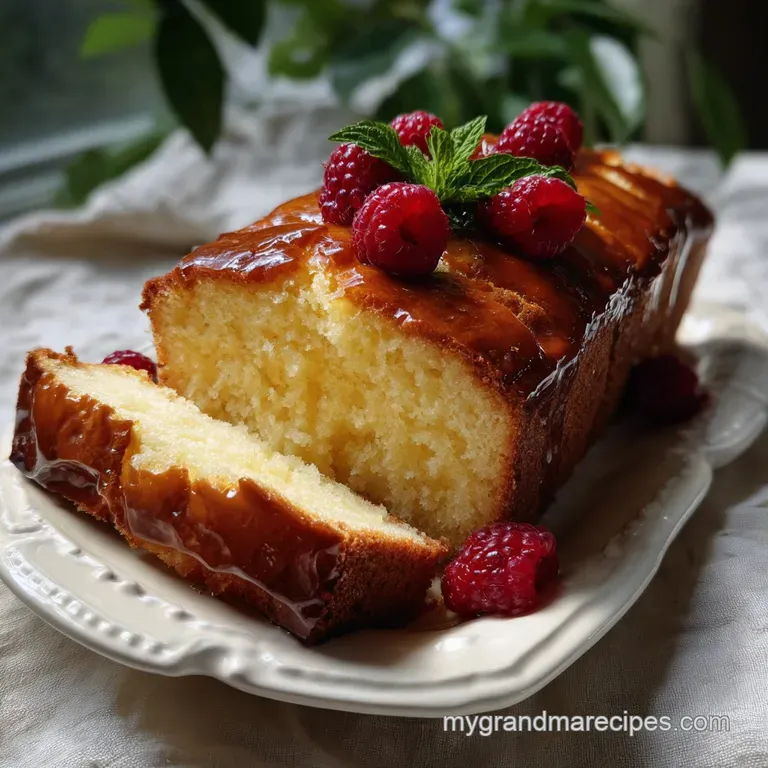
- Effort/Time: 1 hour 15 mins (low effort, high precision)
- Flavor Hook: Buttery, rich, and fragrant with pure vanilla
- Perfect for: Tea-time gatherings, make-ahead brunches, or a sturdy base for fruit compotes, as demonstrated in this classic pound cake recipe.
- The Physics of Aeration: Why This Method Works
- The Arithmetic of Baking: Essential Recipe Specs
- Calibrating Your Pantry: The Science of Your Elements
- The Baker’s Arsenal: Precision Equipment for Success
- The 60 Minute Transformation: From Prep to Plate
- Correcting Common Flaws: Why Your Cake Might Fail
- ⚗️ The Scaling Lab: The Physics of Quantity
- Flavor Extensions: Creative Twists and Smart Swaps
- Preserving the Crumb: Storage and Zero-Waste Strategies
- The Art of Serving: Presentation and Slicing Tips
- Success Logistics: Frequently Asked Questions
- Recipe FAQs
- 📝 Recipe Card
Ever wonder why a cake made with simple pantry staples can feel as substantial as a brick yet melt like snow on your tongue? In my grandma’s Tennessee kitchen, the pound cake wasn't just a dessert; it was a testament to the power of a wooden spoon and a bit of elbow grease.
There is a quiet mystery in how 227g of butter and 250g of sugar can transform into a golden, lofty loaf without a single grain of baking powder in this definitive pound cake recipe.
The secret lies in the rhythm of the creamed air and the temperature of the eggs. If you rush the process, you end up with a heavy, leaden block. But if you wait for that butter to reach the perfect room temperature suppleness, you unlock a velvety texture that feels like a warm hug from the past.
It’s an old-fashioned approach that values patience over speed, which is key to mastering any traditional pound cake recipe.
We often look for the latest gadget to improve our baking, but this pound cake recipe proves that understanding the science of your elements is the best tool you own.
Whether you are serving this at a Sunday dinner or wrapping a slice for a quick grab and-go snack, the result is a reliable comfort food staple. Let's look at how these humble ingredients perform their magic in this excellent pound cake recipe.
The Physics of Aeration: Why This Method Works
- Mechanical Leavening: Beating the 227g of unsalted butter with 250g of granulated sugar creates millions of microscopic air pockets trapped in a fat-sugar matrix. These air bubbles expand in the oven’s heat, providing the only lift this cake receives, the foundation of every great pound cake recipe.
- Protein Coagulation: The 4 large eggs provide the structural "walls" of the cake. As the temperature rises, the egg proteins denature and bond, trapping the expanded air and setting the cake's final shape.
- Hygroscopic Moisture: Sugar does more than sweeten; it attracts water molecules. This prevents the 250g of all-purpose flour from over developing gluten, ensuring the crumb remains tender rather than bread like, which is critical for a fine pound cake.
- Emulsion Stability: The 60ml of whole milk acts as a bridge between the fat and the liquids. A successful emulsion prevents the batter from breaking, which would lead to a greasy, dense bottom layer, a common flaw in lesser versions of the pound cake recipe.
The Arithmetic of Baking: Essential Recipe Specs
To achieve the best results, you must respect the thermal mass and timing of the bake. This isn't a recipe where you can "eyeball" the doneness. Precision is the difference between a golden masterpiece and a dry, overcooked loaf when following this pound cake recipe.
- Yield: 10 servings
- Prep Time: 15 minutes
- Cook Time: 60 minutes
- Total Time: 1 hour 15 mins
| Checkpoint | Target Metric | Purpose |
|---|---|---|
| Butter Temperature | 65°F - 68°F (18°C - 20°C) | Optimal plasticity for air entrapment |
| Internal Temp | 210°F (98°C) | Ensures the center starch is fully gelatinized |
| Final Weight | ~950g (total batter) | Consistency for even heat distribution |
Decision Shortcut: If you want a crispier crust, use a light colored metal pan and bake at the lower rack position. If you want a tighter crumb, reduce the mixing time after adding the flour to exactly 30 seconds in this pound cake recipe.
If you want maximal aroma, rub the 1 tsp of lemon zest into the sugar before creaming the butter.
Calibrating Your Pantry: The Science of Your Elements
Success starts with the quality of your elements. Using a high fat butter like Kerrygold Unsalted Butter or a finely milled flour like King Arthur All-Purpose Flour can significantly impact the final mouthfeel of your resulting pound cake recipe.
Achieving a velvety texture requires a deep understanding of how these ingredients interact under heat.
Ingredient Chemistry Breakdown
| Ingredient | Chemical/Physical Role (Science) | The Pro Secret (Why This Matters) |
|---|---|---|
| 250g Granulated Sugar | Interferes with gluten formation by competing for water | Keeps the cake soft; coarse grains create better air pockets during creaming |
| 4 Large Eggs | Lecithin acts as a natural emulsifier | Room temperature eggs prevent the butter from seizing and curdling the batter |
| 250g All-Purpose Flour | Starch gelatinization provides the primary skeleton | Too much protein (bread flour) makes the cake tough; AP flour is the "Goldilocks" zone |
| 60ml Whole Milk | Solvent for sugar and salt; adds lactose for browning | Full fat milk contributes to a richer, mahogany colored crust via the Maillard reaction |
Smart Substitutions for Budget Friendly Results
| Original Ingredient | Substitute | Why It Works |
|---|---|---|
| 227g Unsalted Butter | 227g Salted Butter | Swap works if you omit the 3g of sea salt. Note: May slightly alter the water content |
| 60ml Whole Milk | 60ml Evaporated Milk | Adds a deeper, caramelized flavor and more protein for a sturdier structure |
| 10ml Vanilla Extract | 5ml Almond Extract | Provides a potent, nutty aroma. Note: Use half the amount as it is much stronger |
The Baker’s Arsenal: Precision Equipment for Success
The vessel you choose dictates how heat penetrates the dense batter. A Lodge Cast Iron Loaf Pan or a heavy duty KitchenAid Stand Mixer are your best allies here. Just like the technique used in our Deviled Eggs Recipe, maintaining consistent temperatures across your tools ensures the proteins set correctly for a perfect pound cake.
- 9x5-inch Loaf Pan: Heavy gauge aluminized steel is preferred for even heat conduction.
- Stand Mixer with Paddle Attachment: Essential for the 5 minute creaming stage that creates the necessary air lift for this pound cake recipe.
- Fine Mesh Sieve: Used to aerate the 250g of flour and remove clumps that cause "flour pockets" in the crumb.
- Silicone Spatula: For scraping the bottom of the bowl to ensure no unmixed fat streaks remain.
The 60 Minute Transformation: From Prep to Plate
- Preheat oven to 325°F (163°C). Note: Lower temps prevent the outside from burning before the dense center cooks.
- Cream 227g butter for 2 mins until smooth and pale ivory.
- Stream in 250g sugar slowly. Note: Gradual addition prevents the sugar from collapsing the air bubbles.
- Whip the mixture for 5 mins until the texture looks like whipped cream and feels nearly weightless.
- Add 4 large eggs one at a time. Note: Emulsification requires gradual integration to prevent curdling.
- Beat after each egg until the batter looks glossy and cohesive.
- Incorporate 10ml vanilla and 1 tsp lemon zest. Note: Alcohol based extracts bind best to fats.
- Sift 250g flour and 3g salt into a separate bowl.
- Fold in half the flour until only a few white streaks remain.
- Pour in 60ml milk and the remaining flour.
- Mix on low for 30 seconds until the batter is thick, velvety, and falls in heavy ribbons. This final mixing stage seals the fate of your pound cake.
- Transfer to greased pan and bake 60 mins until a toothpick inserted in the center comes out with a few moist crumbs and the top has a deep mahogany crackle.
Correcting Common Flaws: Why Your Cake Might Fail
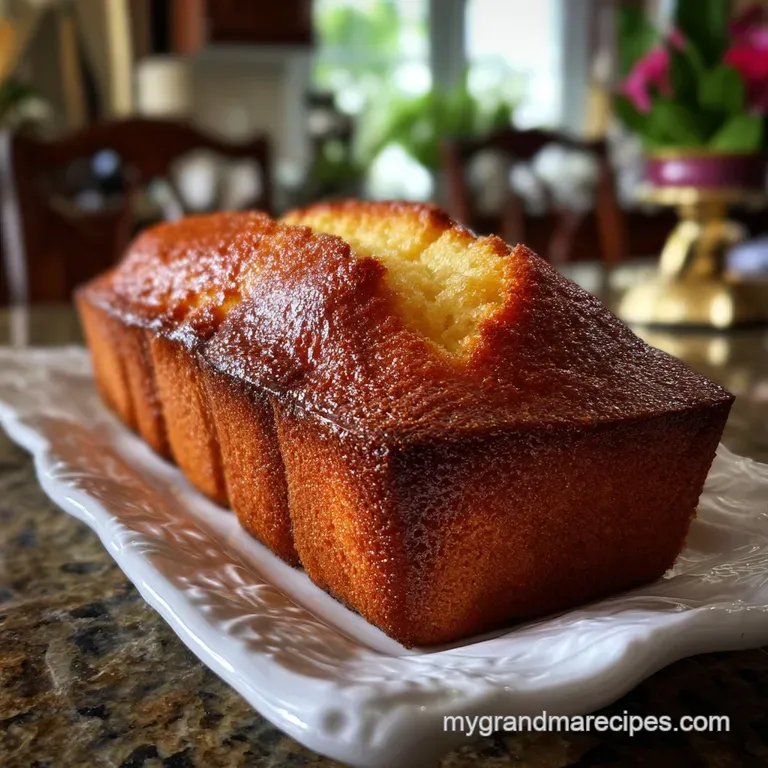
Why Your Cake Has a Rubbery Bottom
This is often caused by a "broken" emulsion. If your eggs or milk were too cold, the butter solidified into tiny chunks. During baking, these chunks melt and sink, creating a dense, leathery layer at the base of the pan.
This is a crucial point to avoid when attempting a true, classic pound cake recipe.
| Problem | Root Cause | The Fix | Pro Protocol |
|---|---|---|---|
| Sunken Center | Under baking or early oven opening | Bake until internal temp reaches 210°F | Never open the oven door before the 45 minute mark |
| Dry/Crumbly Texture | Excess flour or over mixing | Use a scale for the 250g flour | Stop mixing the moment the last white streak disappears |
| Coarse/Holy Crumb | Over creaming or too much air | Cream for exactly 5 minutes | Tap the filled pan on the counter 3 times before baking |
⚗️ The Scaling Lab: The Physics of Quantity
When you decide to double this pound cake recipe for a church social or a large family gathering, you must account for non-linear physical changes.
- The Evaporation Paradox: If you bake two loaves in the same oven, the increased moisture released can create a humid environment that delays the crust's "shatter" effect. The Fix: Rotate the pans halfway through and extend the bake time by 5 8 minutes.
- Thermal Mass: Doubling the batter in one giant pan is risky. The Square Cube Law dictates that the volume increases faster than the surface area. The center will likely remain raw while the edges turn to carbon. Always bake in separate 9x5-inch pans for a consistent pound cake.
- Carry Over Cooking: A larger mass of cake retains more heat energy. Pull the cake when the thermometer reads 205°F if doubling the batch size, as the internal temperature will climb another 5 degrees while resting.
- Flavor Saturation: Do not double the salt to 6g. Instead, use 1.5x (4.5g). Salt and vanilla notes amplify non-linearly in larger volumes of dense fat.
Flavor Extensions: Creative Twists and Smart Swaps
This pound cake recipe is a blank canvas. While Grandma kept it simple, you can adapt it to what's in your pantry. This versatility makes it as dependable as a good Potato Soup Recipe during a cold winter.
- Browned Butter Depth: Melt the 227g of butter and simmer until the milk solids turn amber. Chill until it returns to a solid but soft state before creaming. This adds a toasted, nutty dimension.
- Marbling with Cocoa: Remove 1 cup of finished batter and whisk in 15g of Dutch process cocoa powder. Swirl it back into the main pan for a visual "shatter" of color.
- Substitute with Almond Flour: Replace 50g of the all-purpose flour with 50g of almond flour. The higher fat content creates an even more moisture rich crumb, though it will be slightly denser than the original preparation for this pound cake recipe.
Preserving the Crumb: Storage and Zero Waste Strategies
- Storage: Store at room temperature in an airtight container for up to 3 days. The high sugar and fat content act as natural preservatives, keeping the crumb soft, just as they do for any dense pound cake.
- Freezing: Wrap individual slices in plastic wrap, then place in a freezer bag. They stay fresh for 3 months. Thaw on the counter for 20 minutes for a texture that rivals a fresh bake.
- Reheating: Avoid the microwave, which can make the butter "weep." Instead, toast a slice in a pan with a tiny bit of butter until the edges sizzle and crisp.
💡 ZERO WASTE PHILOSOPHY: Don't discard over ripe citrus. Transform: Grate the zest into your sugar and juice the fruit to make a simple glaze.
Science: The citric acid breaks down the sugar on the crust, creating a "shatter" glaze that adds a bright contrast to the heavy butter in the pound cake. Stale Cake Scraps?Transform: Cube and bake at 300°F until crunchy.
Science: These "cake croutons" concentrate the sugars through the Maillard reaction perfect for topping ice cream.
The Art of Serving: Presentation and Slicing Tips
For the cleanest edges, wait at least 30 minutes before slicing. Use a long, serrated knife and a gentle sawing motion. If you press down too hard, you’ll compress the delicate air pockets you worked so hard to create in your beautiful pound cake.
A simple dusting of powdered sugar can hide a slightly uneven top, much like the mahogany edges on our Chocolate Chip Cookies Recipe. Serve each slice with a dollop of unsweetened whipped cream or a handful of macerated strawberries to cut through the richness of the 227g of butter in this amazing pound cake recipe.
Success Logistics: Frequently Asked Questions
Myth: You must use cake flour for a light pound cake. Truth: Not true. All-purpose flour (250g) provides the necessary protein structure to hold the heavy fat and sugar.
Cake flour often results in a cake that collapses under its own weight when trying to execute this specific pound cake.
Myth: Cold eggs are fine if you beat them longer. Truth: Cold eggs will cause the creamed butter to seize, breaking the emulsion. This leads to a dense, "greasy" texture, ruining the intended result of the pound cake recipe.
Myth: You should grease and flour the pan. Truth: For this specific recipe, greasing with butter and lining the bottom with parchment paper is superior. Flour on the sides can create a tough "skin" on the outside of the cake.
Recipe FAQs
What temperature should the butter be for optimal creaming?
65°F - 68°F (18°C - 20°C). Room temperature butter is soft enough to trap air during the mechanical creaming process with sugar. If it is too cold, it won't incorporate air; if it is too warm, the structure collapses.
Can I use salted butter instead of unsalted?
Unsalted butter for precision control. Salted brands vary (80-200mg sodium per tbsp), making standardization impossible. Unsalted lets you adjust salt based on cheese/bacon content.
Why is my finished cake dense and gummy?
Cold cheese added to hot liquid causes protein clumping. Temperature shock denatures casein proteins, creating grainy texture instead of smooth emulsion.
- Remove pan from heat first
- Add cheese in small handfuls
- Use fresh grated Gruyère (pre-shredded has cellulose coating)
How long should I cream the butter and sugar?
Exactly 5 minutes. This duration ensures maximum air pockets are whipped into the fat-sugar matrix. Insufficient creaming results in poor mechanical leavening and a heavy final product.
Do I need baking powder or soda in this recipe?
No. Chemical leaveners are omitted. This traditional pound cake relies solely on the air incorporated during the creaming stage for its lift. Chemical leaveners would disrupt the dense, classic crumb structure.
What is the correct internal temperature for doneness?
210°F (98°C). This thermal target ensures the starch molecules have fully gelatinized, setting the cake structure. Testing the internal temperature guarantees the dense center is cooked properly.
Is using a light colored metal pan better than glass?
Light colored metal pans are superior for crust. Metal conducts heat faster and more evenly than glass, promoting the desired mahogany crust development. Glass retains heat longer, often leading to over baked edges.
Classic Pound Cake Recipe
Ingredients:
Instructions:
Nutrition Facts:
| Calories | 385 kcal |
|---|---|
| Protein | 5.4 g |
| Fat | 20.7 g |
| Carbs | 44.7 g |
| Fiber | 0.7 g |
| Sugar | 25.2 g |
| Sodium | 148 mg |
