Classic Lemon Bars: Tart and Buttery
- Time: Active 15 minutes, Passive 35 minutes, Total 50 minutes
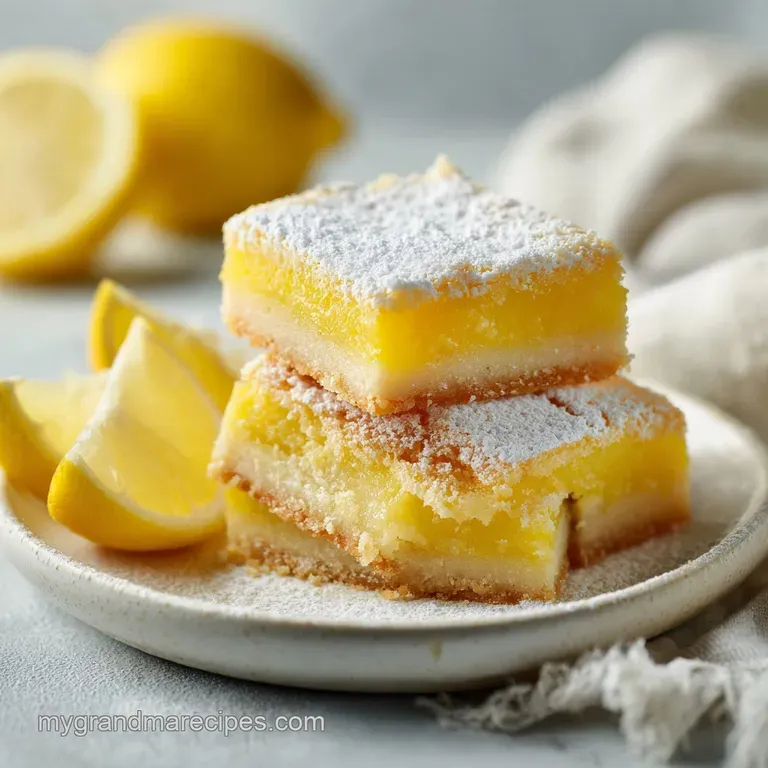
- Flavor/Texture Hook: Tangy, velvety citrus custard atop a buttery, shatter crisp shortbread
- Perfect for: Summer picnics, afternoon tea, or classic dessert cravings
- Why This Time Tested Recipe Works
- The Pillars of Tangy Citrus Excellence
- Essential Elements for Homemade Success
- Tools for a Flawless Bake
- From Prep to Plate: Step-by-Step
- Avoiding Common Kitchen Disasters
- Creative Twists and Flavor Swaps
- Scaling for Large Crowds
- Debunking Lemon Bar Myths
- Keeping Your Squares Fresh
- Presentation and Serving Ideas
- Recipe FAQs
- 📝 Recipe Card
Why This Time Tested Recipe Works
- High Fat Foundation: Using 226g of melted butter in the crust creates a "short" dough that resists gluten development, ensuring the base stays flaky rather than bread like.
- Starch Stabilization: Mixing 30g of flour into the lemon filling prevents the eggs from weeping, which keeps the bars from separating or getting watery.
- Hot Pour Bonding: Pouring the filling onto the crust while it is still warm from the oven creates a seamless seal, preventing the lemon layer from sliding off the shortbread.
- Acid Sugar Balance: The ratio of 300g of sugar to 244g of lemon juice creates a pH level that allows the egg proteins to set into a soft gel without curdling.
- Air Incorporation: Whisking the eggs vigorously introduces tiny air bubbles that rise to the surface, creating that signature delicate, crackly white crust on top.
| Method | Time | Texture | Best For |
|---|---|---|---|
| Classic Oven | 50 minutes | Crisp base, silky top | Traditional gatherings |
| Fast Track | 35 minutes | Softer, cookie like | Quick weeknight cravings |
| No Bake Prep | 2 hours | Mousse like, crumbly | Hot summer days |
Choosing the right method depends on how much you value that contrast between a crisp bottom and a creamy top. The classic oven method, which we are focusing on today, is the gold standard for achieving that iconic Southern texture that doesn't fall apart in your hands.
The Pillars of Tangy Citrus Excellence
| Ingredient | Role | Pro Secret |
|---|---|---|
| Fresh Lemon Juice | Provides the primary acid and bright, zingy flavor profile. | Always roll lemons on the counter first to break the juice sacs. |
| Large Eggs | Acts as the structural binder for the custard filling. | Use room temperature eggs to prevent the melted butter from seizing. |
| Melted Butter | Provides moisture and a rich, savory fat for the shortbread. | Let it cool slightly so it doesn't cook the sugar or flour. |
| Granulated Sugar | Balances the lemon acidity and helps the custard set. | Sift with the flour to avoid lumps in the final filling. |
It is worth mentioning that the quality of your lemons makes the whole dish. If you find yourself with extra citrus, you might enjoy trying this Mango Lemon Drink recipe which uses the same fresh squeezed philosophy to beat the heat.
Essential Elements for Homemade Success
To get the most out of these Classic Lemon Bars, you really need to use fresh lemon juice. Bottled juice often has a metallic aftertaste and lacks the vibrant oils found in the fruit's skin.
- Unsalted Butter (226g): Melted and cooled. Why this? Allows for better distribution throughout the flour for a tender crust.
- Substitute: Salted butter (just omit the extra 3g of salt).
- Granulated Sugar (100g for crust, 300g for filling): Divided. Why this? Finely balances the tartness while providing structure.
- Substitute: Caster sugar for an even smoother texture.
- Vanilla Extract (4g): Pure is best. Why this? Rounds out the sharp citrus notes with a floral warmth.
- Substitute: Almond extract (use only 1g as it is very strong).
- All Purpose Flour (250g for crust, 30g for filling): Divided. Why this? Provides the necessary structure without being too heavy.
- Substitute: 1 to-1 gluten-free flour blend.
- Large Eggs (6 total): Room temperature. Why this? The fat and protein create the custard's velvety body.
- Substitute: There is no perfect sub for 6 eggs in this custard style.
- Fresh Lemon Juice (244g): About 4-6 large lemons. Why this? Provides the authentic "pucker" and bright yellow color.
- Substitute: Meyer lemon juice for a sweeter, less tart bar.
- Fresh Lemon Zest (12g): The outer yellow skin only. Why this? Contains essential oils that carry the deep lemon aroma.
- Substitute: Lime zest for a tropical twist.
- Powdered Sugar (8g): For the finishing touch. Why this? Masks any surface bubbles and adds a hit of sweetness.
- Substitute: Non melting donut sugar if serving at a humid outdoor event.
Tools for a Flawless Bake
You don't need a pantry full of gadgets, but a few basics make this much easier. A standard 9x13-inch (23x33 cm) metal baking pan is the traditional choice because metal conducts heat more evenly than glass, which helps the shortbread edges get that lovely golden crunch.
You’ll also want a good whisk and a large glass bowl. If you're looking for more inspiration for bar style desserts, you should see my Lemon Raspberry Cheesecake Squares which use similar tools but offer a creamier, cheese based profile.
From Prep to Plate: step-by-step
- Preheat your oven to 175°C. Line a 23x33 cm pan with parchment paper, leaving an overhang on the sides. Note: This makes it easy to lift the whole block out for clean slicing later.
- Mix 226g melted butter, 100g sugar, 4g vanilla, and 3g salt in a medium bowl. Whisk until the sugar begins to dissolve into the fat.
- Fold in 250g of flour using a sturdy spatula. Stir until no dry pockets remain and the dough looks like thick sand.
- Press the dough firmly and evenly into the bottom of your prepared pan. Use the bottom of a flat measuring cup to get a smooth, level surface.
- Bake the crust for 18–20 minutes at 175°C. Remove when the edges are light golden and the center looks dry.
- While the crust is in the oven, whisk 300g sugar and 30g flour together in a large bowl. Breaking up flour clumps now prevents lumps in the custard.
- Add 6 eggs, 244g lemon juice, and 12g zest to the sugar mixture. Whisk vigorously for at least 2 minutes until no streaks of egg remain.
- Reduce the oven temperature to 160°C. Immediately pour the lemon filling over the hot crust to ensure they bond.
- Bake for another 15–20 minutes. Stop when the center barely jiggles and the edges are set.
- Cool completely in the pan on a wire rack for 2 hours. Dust with 8g powdered sugar only once the bars are cold to prevent it from melting.
Avoiding Common Kitchen Disasters
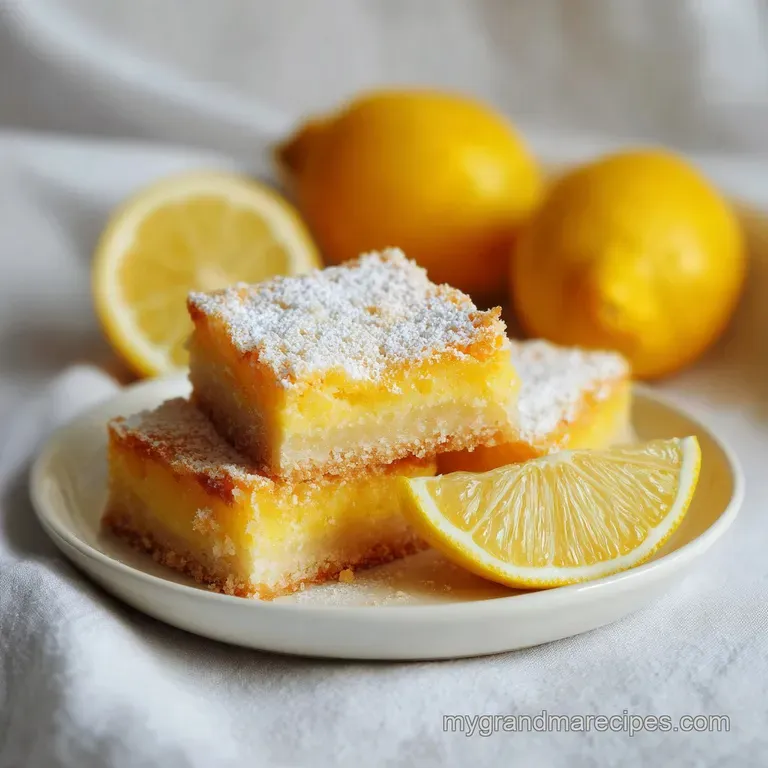
The most frequent heartbreak with lemon bars is the "runny middle." This usually happens because the oven temperature was too low or the eggs weren't whisked enough with the flour to create that stable network.
If you pull them out and they look like soup, don't panic sometimes an extra five minutes in the oven is all they need.
Fixing Runny Lemon Filling
If your bars are still liquid after the suggested time, check your oven calibration. Many home ovens run 10-15 degrees cool.
| Problem | Root Cause | Solution |
|---|---|---|
| Soggy Crust | Filling leaked under the base | Press crust firmly up the sides to create a seal. |
| Bubbles on Top | Over whisking at the end | Tap the pan on the counter before baking to release air. |
| Grayish Bottom | Using a glass pan | Increase bake time by 5 minutes or use a light metal pan. |
Common Mistakes Checklist
- ✓ Pat the crust down hard; if it’s loose, the filling will soak through and make it mushy.
- ✓ Use room temperature eggs; cold eggs can cause the filling to bake unevenly.
- ✓ Don't skip the zest; that’s where the actual "lemon" flavor lives, not just the sourness.
- ✓ Let them cool entirely; cutting them warm will result in a messy, sticky heap.
- ✓ Sift the powdered sugar; clumps on top look messy and taste like chalk.
Creative Twists and Flavor Swaps
If you're feeling a bit adventurous, you can easily tweak this base. I’ve been known to throw in a tablespoon of poppy seeds into the crust for a bit of crunch, or even a hint of culinary lavender into the sugar. It changes the mood of the dish entirely without ruining the classic structure.
Chef's Tip: For an extra decadent version, brown the butter for the crust. Let it sizzle in a pan until it smells nutty and looks like amber before cooling and mixing. It adds a toasted flavor that perfectly offsets the tart lemon.
If you like the idea of a layered treat but want something richer, you might enjoy my Millionaire Shortbread recipe. It uses a similar shortbread base but tops it with caramel and chocolate instead of citrus.
Scaling for Large Crowds
When you need to feed a whole neighborhood, doubling this recipe is fairly straightforward. However, don't just use two 9x13 pans if you have a larger professional sheet pan.
- Halving (12 servings): Use an 8x8 inch (20x20 cm) square pan. Reduce the bake time for the crust to 15 minutes and the filling to 12-15 minutes. Use 3 large eggs.
- Doubling (48 servings): Use two separate 9x13 pans rather than one giant one to ensure the middle sets at the same rate as the edges. Reduce the total salt to 1.5x only to avoid over seasoning.
- Baking Adjustments: If you are baking two pans at once, rotate them halfway through the cooking time to account for hot spots in your oven.
Debunking Lemon Bar Myths
One big misconception is that you need to use a double boiler for the filling. That’s for lemon curd, not lemon bars! In this recipe, the oven does all the work of gently cooking the eggs. You don't need to pre cook the filling on the stove.
Another myth is that you can't freeze lemon bars. You absolutely can! Because of the high sugar and fat content, they freeze beautifully. Just make sure to freeze them without the powdered sugar dusting, then add that fresh right before you serve them.
Keeping Your Squares Fresh
Storage: These bars need to stay in the fridge. Because of the high egg content, they shouldn't sit out on the counter for more than two hours. Keep them in an airtight container for up to 5 days. They actually taste better on day two once the flavors have had time to settle together.
Freezing: Wrap individual squares in plastic wrap, then place them in a freezer safe bag. They stay good for up to 3 months. To thaw, just pop a square in the fridge overnight or leave it at room temperature for about 20 minutes.
Zero Waste Tip: Don't throw away those squeezed lemon halves! Toss them into a jar of white vinegar for two weeks to make a natural, citrus scented kitchen cleaner. Or, if they aren't too mangled, use the rinds to zest into your next batch of muffins before you juice them.
Presentation and Serving Ideas
To get those perfectly clean, professional looking squares, use a large chef's knife and wipe it clean with a damp cloth between every single cut. It sounds tedious, but it’s the difference between a messy pile and a stunning platter. I like to serve these on a white ceramic plate to let the yellow pop.
If you’re hosting a brunch, these look lovely alongside a Charcuterie Board as a bright, sweet contrast to salty meats and cheeses. The acidity of the lemon cuts through the richness of a brie or a sharp cheddar perfectly. Just remember to give them a fresh dusting of powdered sugar right before they hit the table so they look like they just came out of a professional bakery.

Recipe FAQs
Is it true I can use cold eggs straight from the fridge?
No, this is a common misconception. You should always use room temperature eggs, as cold eggs can cause the lemon filling to bake unevenly, preventing a perfectly smooth texture.
How to ensure my lemon bars don't turn into a mushy mess?
Press the crust firmly into the pan before baking. If the crust layer is loose, the lemon filling will soak through, so packing it tightly is essential to maintain structural integrity.
Can I skip the lemon zest in the filling?
No, you really shouldn't. The zest is where the concentrated essential oils reside, providing the bright, aromatic lemon flavor that juice alone cannot deliver.
How to get a professional, clump free powdered sugar finish?
Sift the sugar directly over the bars using a fine mesh sieve. This ensures a delicate, even coating rather than dusting them with large, chalky clumps that can ruin the presentation.
Is it okay to cut the lemon bars while they are still warm?
No, avoid cutting them until they have cooled completely. If you slice into them while warm, the filling will be too soft and sticky, resulting in a messy heap instead of clean squares.
How to achieve the perfect golden crust?
Bake the crust at 350°F for 18 20 minutes until the edges are light golden. If you enjoyed mastering this shortbread style base, see how the same principles of fat-to-flour ratios create a perfect texture in our Banana Pudding Cheesecake.
How to handle the two-stage oven temperature change?
Reduce the oven heat to 325°F immediately after removing the crust. Pouring the filling onto the hot crust and dropping the temperature allows the lemon layer to set gently without overcooking the edges.
Classic Lemon Bars
Ingredients:
Instructions:
Nutrition Facts:
| Calories | 194 kcal |
|---|---|
| Protein | 2.7 g |
| Fat | 8.9 g |
| Carbs | 26.4 g |
| Fiber | 0.3 g |
| Sugar | 17.4 g |
| Sodium | 51 mg |
