Cinnamon Roll Cookies Recipe
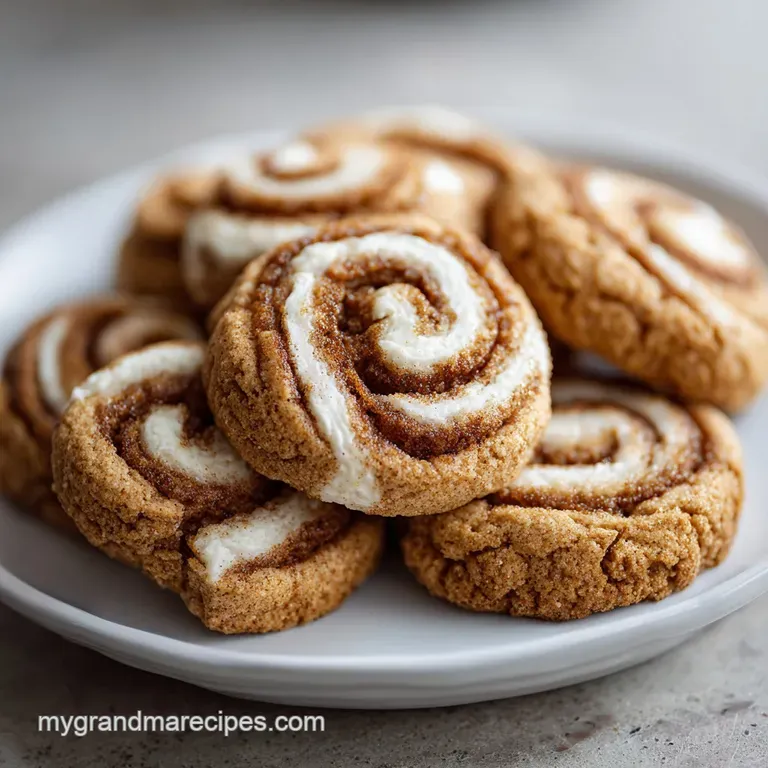
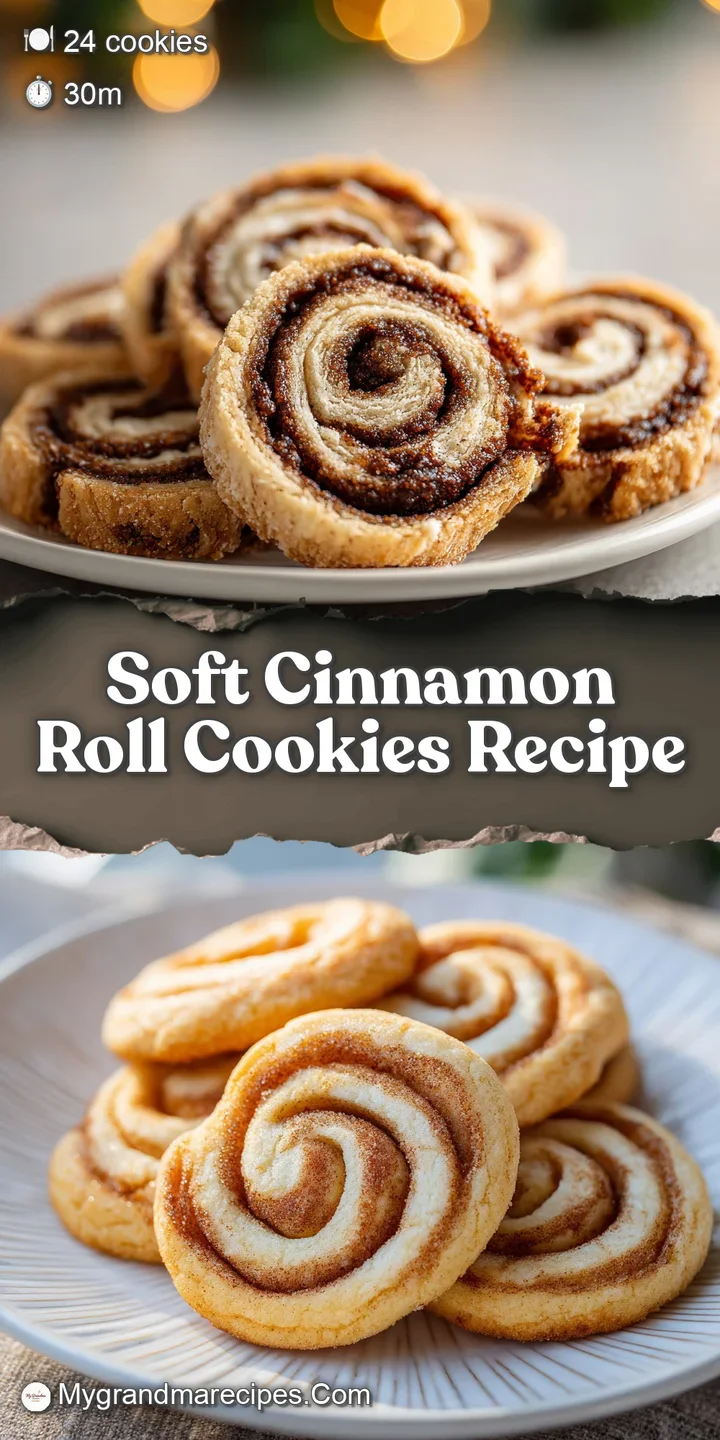
- Time: Active 20 minutes, Passive 10 minutes, Total 30 minutes
- Flavor/Texture Hook: Warm cinnamon spiced swirls meet a velvety, buttery crumb
- Perfect for: Holiday cookie swaps, cozy Sunday brunches, or beginner friendly baking
- The Science Behind Baking the Best Cinnamon Roll Cookies
- Essential Recipe Specs for Stress Free Weekend Baking Success
- What You'll Need from Your Pantry and Fridge
- The Professional Baking Equipment Needed for Perfect Results
- Step-by-Step Instructions to Achieve That Iconic Spiral Shape
- Professional Fixes and How to Fix Common Baking Problems
- Adjusting the Batch Size for Any Occasion
- Busting Common Old Fashioned Baking Myths
- Essential Preservation Secrets to Keep Your Cookies Fresh Longer
- Creative Serving Suggestions for Your Warm Homemade Treats
- Recipe FAQs
- 📝 Recipe Card
The Science Behind Baking the Best Cinnamon Roll Cookies
The smell of warm cinnamon and toasted sugar is basically the perfume of my childhood. Walking into my grandma's kitchen in Tennessee on a rainy Saturday morning meant one thing: something sweet was happening.
She would be standing there with flour on her apron, humming a tune while she worked a dough that looked like a soft cloud. That is the memory I am trying to hand over to you today with these Cinnamon Roll Cookies.
We are making a batch that hits every note of a traditional roll but without the three hour wait for dough to proof. You know that feeling when you want the comfort of a bakery treat but you also want to stay in your pajamas? This is exactly that.
It is a thick, substantial cookie that holds its shape while the cinnamon filling creates those beautiful, crackly crevices we all love.
I have spent years tweaking this because the first few times I tried it, the swirls just melted into a brown puddle. It was a mess. But after a few kitchen "disasters," I figured out the secret. It is all about the temperature and the way we layer the fats.
You're going to get a cookie that shatters slightly on the edge then gives way to a center so soft it almost feels like dough. It is honestly the best thing you will bake this month.
The Physics of the Swirl: The high fat content in the cinnamon filling creates a physical barrier between layers of dough, preventing them from fusing during the bake.
This ensures the spiral stays distinct and creates those pockets of gooey cinnamon sugar instead of just turning the whole cookie brown.
- Fat to Flour Ratio: Using 225g of butter against 375g of flour creates a shortbread adjacent crumb that is sturdy enough to hold a swirl but soft enough to stay tender for days.
- Leavening Control: A single teaspoon of baking powder provides just enough lift to make the cookie light without making it "cakey" or losing the spiral definition.
- Emulsification: Room temperature eggs are vital here; they bond with the butter and sugar to create a stable structure that prevents the cookie from spreading into a flat pancake.
- Starch Gelatinization: As the oven hits 180°C, the flour starches set around the melting butter, trapping the steam and creating that signature "velvety" mouthfeel.
| Method | Time | Texture | Best For |
|---|---|---|---|
| Fresh Dough (This Recipe) | 30 minutes | Velvety, soft, buttery | Authenticity & flavor |
| Shortcut (Refrigerated Dough) | 15 minutes | Chewy, thinner, sweeter | Maximum speed |
| Frozen Dough Prep | 45 minutes | Crispy edges, fudgy core | Busy holidays |
Making these from scratch beats the store-bought stuff every single time because you control the quality of the cinnamon. If you have ever made my Cinnamon Rolls Recipe, you know that the "yeasty" version is a whole different beast, but these cookies satisfy that exact same craving in a fraction of the time.
Essential Recipe Specs for Stress Free Weekend Baking Success
| Component | Science Role | Pro Secret |
|---|---|---|
| Unsalted Butter | Provides the tender "short" crumb | Soften to cool room temp (18°C) so it holds air during creaming |
| All Purpose Flour | Structural foundation | Spoon and level your flour to avoid a dry, crumbly cookie |
| Cream Cheese | Fat and tang for the glaze | Use full fat blocks only; tub spreads are too watery for a thick drizzle |
| Brown Sugar | Moisture and molasses flavor | Pack it tightly to ensure the cinnamon swirl stays "gooey" and dark |
Before we start, let's talk about timing. Baking isn't just about mixing; it's about the flow of the kitchen. While your butter softens, you can get your cinnamon mixture ready. It’s about being efficient so you aren't stuck cleaning a mountain of bowls while the cookies are already cooling.
The key to a beautiful spiral is the chill time for the filling. If the butter in your cinnamon swirl is too liquid, it will run out of the cookie like a leaky tap. If it’s too hard, it won't roll. We are aiming for a "paste" consistency that feels like wet sand.
What You'll Need from Your Pantry and Fridge
You likely have most of this sitting in your kitchen right now. I always tell people to use the best vanilla they can afford because, in a cookie this simple, the flavor really shines through.
- 225g unsalted butter, softened: Why this? Essential for that rich, old-fashioned buttery base and tender crumb.
- 200g granulated sugar: Why this? Provides sweetness and helps the edges get that slight crisp.
- 1 large egg, room temperature: Why this? Binds everything together without breaking the emulsion of the butter.
- 2 tsp pure vanilla extract: Why this? Rounds out the spice and adds that nostalgic "grandma's kitchen" aroma.
- 375g all purpose flour: Why this? The perfect protein content for a soft yet sturdy cookie.
- 1 tsp baking powder: Why this? Gives a gentle lift so the cookies aren't like bricks.
- 0.5 tsp salt: Why this? Cuts through the sugar and makes the cinnamon pop.
- 100g brown sugar, packed: Why this? Adds moisture and a deep caramel note to the swirl.
- 1.5 tbsp ground cinnamon: Why this? The star of the show. Don't be shy with it!
- 30g unsalted butter, melted: Why this? Binds the cinnamon and sugar into a spreadable paste.
- 115g cream cheese, softened: Why this? For that signature tangy frosting that defines a cinnamon roll.
- 120g powdered sugar: Why this? Creates a smooth, velvety finish for the drizzle.
- 1.5 tbsp heavy cream: Why this? Adjusts the thickness of the glaze to your liking.
- 0.5 tsp vanilla bean paste: Why this? Those tiny black flecks make the frosting look professional.
| Original Ingredient | Substitute | Why It Works |
|---|---|---|
| Unsalted Butter | Salted Butter | Just omit the extra 0.5 tsp of salt from the dough. |
| Heavy Cream | Whole Milk | Use slightly less; it adds moisture but is less creamy. |
| Vanilla Bean Paste | Extra Vanilla Extract | Same flavor profile, just lacks the visual flecks. |
If you are a fan of classic bakes, you might also enjoy my Chocolate Chip Cookies Recipe. Just like these cinnamon ones, they rely on that perfect balance of butter and sugar to get the texture just right.
The Professional Baking Equipment Needed for Perfect Results
You don't need a spaceship to bake these, but a few tools make life much easier. I always use a stand mixer (like a KitchenAid) because it creams the butter and sugar far better than I ever could by hand. It incorporates tiny air bubbles that make the cookie light.
A good set of baking sheets is also non negotiable. I prefer heavy duty aluminum pans because they distribute heat evenly. If you use those thin, dark pans, the bottoms of your cookies will burn before the centers are even cooked. Trust me on this one; I’ve lost too many good batches to cheap pans.
Finally, grab some parchment paper or a silicone mat. The cinnamon sugar in these can get sticky when it bubbles over, and you don't want to spend your afternoon scrubbing burnt sugar off your trays. It also helps the cookies slide right off once they’ve cooled.
step-by-step Instructions to Achieve That Iconic Spiral Shape
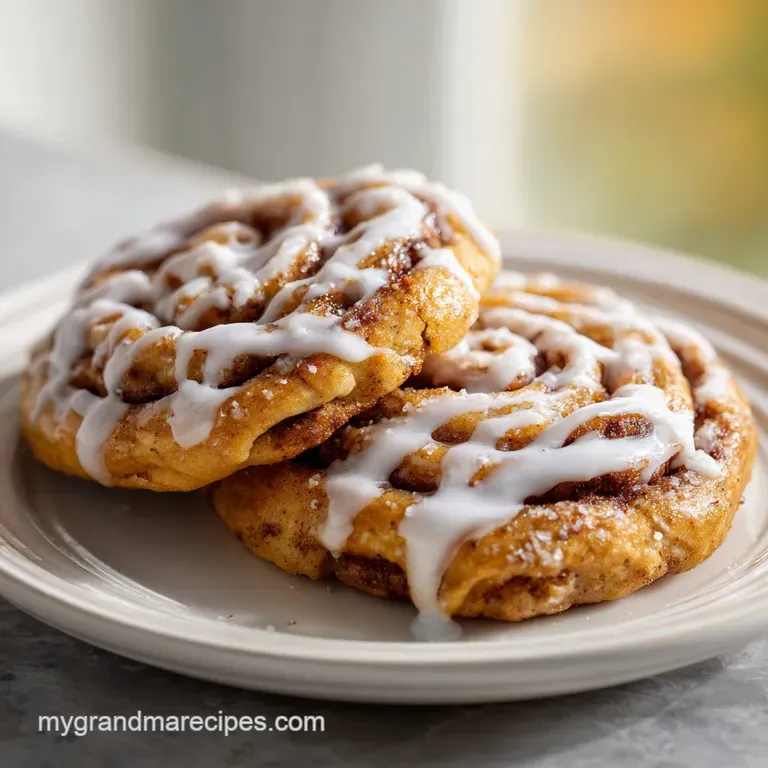
Step 1: Creaming the Foundation
In a large bowl or stand mixer, beat the 225g of softened butter and 200g of granulated sugar for at least 3 minutes until the mixture is pale and fluffy. Note: This creates the air pockets needed for a light texture.
Step 2: Incorporating the Bindings
Add the 1 large egg and 2 tsp of vanilla extract to the butter mixture. Mix until velvety and fully combined, scraping down the sides of the bowl to ensure no butter streaks remain.
Step 3: Sifting the Dry Components
In a separate bowl, whisk together the 375g of all purpose flour, 1 tsp of baking powder, and 0.5 tsp of salt. Slowly add this to the wet ingredients on low speed until just combined. Note: Overmixing here will lead to a tough, bread like cookie.
Step 4: Preparing the Cinnamon Filling
In a small bowl, mix the 100g of brown sugar, 1.5 tbsp of cinnamon, and 30g of melted butter. Stir until it looks like wet sand and is easy to spread.
Step 5: Rolling and Layering
Roll the dough out between two sheets of parchment paper into a large rectangle, roughly 0.5 cm thick. Spread the cinnamon mixture evenly across the surface, leaving a tiny border at the edges.
Step 6: The Spiral Technique
Carefully roll the dough into a tight log, using the parchment paper to help you lift. Chill the log for 20 minutes in the freezer so it’s firm enough to slice without squashing the circles.
Step 7: Slicing and Portioning
Use a sharp knife or unflavored dental floss to cut the log into 24 even rounds. Place them on the prepared baking sheets, spaced about 5 cm apart to allow for spreading.
Step 8: The Golden Bake
Bake at 180°C for 10 minutes until the edges are set and very lightly golden. Note: The centers will still look soft; they will firm up as they cool on the pan.
Step 9: Creating the Cream Cheese Glaze
While the cookies cool, whisk the 115g of cream cheese, 120g of powdered sugar, 1.5 tbsp of heavy cream, and 0.5 tsp of vanilla bean paste. Whisk until perfectly smooth and pourable.
Step 10: The Finishing Drizzle
Once the cookies are no longer hot to the touch, drizzle the glaze over the tops in a zig zag pattern. Let the frosting set for 5 minutes before serving.
Chef's Tip: If you want the glaze to look like a professional bakery, put it in a small piping bag or a plastic sandwich bag with the corner snipped off. It gives you way more control than a spoon!
Professional Fixes and How to Fix Common Baking Problems
Why Your Cookies Spread Too Much
If your cookies come out looking like thin puddles rather than thick spirals, your butter was likely too warm. When the fat in the dough melts before the flour structure has time to set in the oven, you get excessive spread. It can also happen if your oven isn't preheated properly.
| Problem | Root Cause | Solution |
|---|---|---|
| Messy Spirals | Dough was too soft when slicing | Freeze the dough log for an extra 10 mins before cutting. |
| Dry/Crumbly | Too much flour in the mix | Use a kitchen scale to measure flour in grams for precision. |
| Burnt Bottoms | Oven rack is too low | Move the rack to the center and use a light colored baking sheet. |
Why Your Filling Leaks Out
Sometimes you'll see a ring of melted sugar around the base of the cookie. This usually means the cinnamon filling wasn't mixed thoroughly or the dough wasn't rolled tightly enough. Air pockets in the roll allow the sugar to liquefy and escape.
Common Mistakes Checklist:
- ✓ Ensure the egg is at room temperature to avoid curdling the batter.
- ✓ Don't skip the chilling step; a cold dough log is the only way to get clean slices.
- ✓ Use a sharp, non serrated knife to slice the dough to avoid tearing the layers.
- ✓ Let the cookies cool on the baking sheet for at least 5 minutes before moving them.
Adjusting the Batch Size for Any Occasion
If you're just baking for two, you can easily halve this recipe. Since it calls for one egg, just beat the egg in a small cup and use half of it (about 25-30g). For the dry ingredients, just divide by two. The baking time remains roughly the same, but keep a close eye at the 8 minute mark.
When doubling the recipe for a big party, don't just double everything blindly. Use 1.5x the salt and cinnamon, but double the flour and butter exactly. You will need to work in batches, keeping the second log of dough in the fridge while the first one bakes.
This prevents the dough from getting too warm and greasy on the counter.
If you find yourself with leftover ingredients, you could even try making a smaller batch of my White Chocolate Cranberry recipe. It uses a similar base logic but brings a totally different flavor profile to your cookie jar.
| Servings | Flour | Butter | Pan Size |
|---|---|---|---|
| 12 Cookies | 188g | 113g | One 30x40cm sheet |
| 24 Cookies | 375g | 225g | Two 30x40cm sheets |
| 48 Cookies | 750g | 450g | Four 30x40cm sheets |
Busting Common Old Fashioned Baking Myths
One big myth is that you need to "over cream" the butter and sugar for a better cookie. Honestly, if you beat it for too long, you incorporate too much air, which causes the cookies to puff up and then collapse in the oven, ruining your beautiful cinnamon spiral. Stop once it's pale and light.
Another one is that "more cinnamon is always better." I love the spice as much as anyone from Tennessee, but too much cinnamon can actually make the filling gritty and bitter. Stick to the 1.5 tablespoons; it’s the sweet spot where the flavor is bold but still works in harmony with the buttery dough.
Finally,, some folks think you can't freeze cream cheese frosting. You absolutely can! While the texture might change slightly if frozen on its own, once it's drizzled on a cookie and frozen, it stays perfectly fine. Just let it thaw at room temperature for about 15 minutes before eating.
Essential Preservation Secrets to Keep Your Cookies Fresh Longer
To keep these soft, store them in an airtight container at room temperature for up to 4 days. If you want them to taste "just out of the oven," pop one in the microwave for exactly 8 seconds. The glaze will soften just enough to become gooey again without melting completely.
For zero waste, if you have extra cinnamon filling, don't throw it out! It’s amazing swirled into morning oatmeal or spread onto a piece of toast. If you have extra dough scraps from the ends of the roll, bake them as "uglies" they might not be pretty, but they taste just as good.
Freezing: You can freeze the baked cookies (without the glaze) for up to 3 months. When you're ready to eat, thaw them and then add a fresh drizzle of frosting. You can also freeze the unbaked sliced rounds; just bake them straight from the freezer and add 2 extra minutes to the timer.
Creative Serving Suggestions for Your Warm Homemade Treats
These cookies are substantial, so they pair beautifully with a strong cup of black coffee or a cold glass of milk. In our house, we like to serve them slightly warm during the holidays. They feel like a much more sophisticated version of a standard sugar cookie and always get people asking for the recipe.
If you're feeling fancy, you can serve them alongside a bowl of vanilla bean ice cream. The warmth of the cinnamon swirl starts to melt the ice cream, creating a sort of deconstructed cinnamon roll sundae that is out of this world. It is the ultimate comfort food for a chilly evening.
Another fun idea is to include them in a dessert charcuterie board. Surround them with fresh apple slices, some pecans, and maybe a few Rugelach Cookies for a variety of textures and spices. It makes for a stunning centerpiece that encourages everyone to dig in and try a bit of everything.
Recipe FAQs
Can I substitute salted butter for unsalted butter in the cookie dough?
Yes, but adjust the salt. If using salted butter, omit the 0.5 teaspoon of salt called for in the dry ingredients to prevent the final cookie from tasting overly savory.
How to prevent the cinnamon swirl from melting out into the pan?
Chill the dough log thoroughly for at least 20 minutes. A firm, cold filling paste prevents the butter from liquefying too quickly when it hits the hot oven, keeping the swirl distinct.
Is it true that over creaming the butter and sugar makes the cookies puff up and collapse?
Yes, this is often true for delicate cookies. Incorporating too much air results in excessive oven spring followed by collapse, which destroys the visual integrity of the cinnamon spiral.
How to roll the dough tightly enough to ensure defined spirals?
Use parchment paper to assist the initial roll. After spreading the filling, lift the edge of the top parchment sheet and gently encourage the dough into a tight cylinder, using the paper like a rolling pin assist.
Can I use milk instead of heavy cream for the cream cheese glaze?
No, it is not recommended for the best texture. Heavy cream provides necessary fat content for a rich, thick drizzle; whole milk will result in a much thinner glaze that soaks into the cookie too quickly.
What is the secret to achieving a velvety crumb rather than a crisp one?
Control the flour measurement precisely. Spoon and level your flour, or ideally weigh it, to avoid adding excess structure; this technique is similar to controlling texture in our Strawberry Chip Cookies recipe.
How long should the cookies bake if they are frozen before baking?
Add 2 to 3 minutes to the standard baking time. Bake them directly from frozen, starting the clock around the 12-minute mark, and watch for the edges to just begin setting.
Cinnamon Roll Cookies Recipe
Ingredients:
Instructions:
Nutrition Facts:
| Calories | 223 kcal |
|---|---|
| Protein | 2.2 g |
| Fat | 10.8 g |
| Carbs | 29.6 g |
| Fiber | 0.6 g |
| Sugar | 18.2 g |
| Sodium | 84 mg |
