Chinese Hot Mustard: Pungent and Sharp
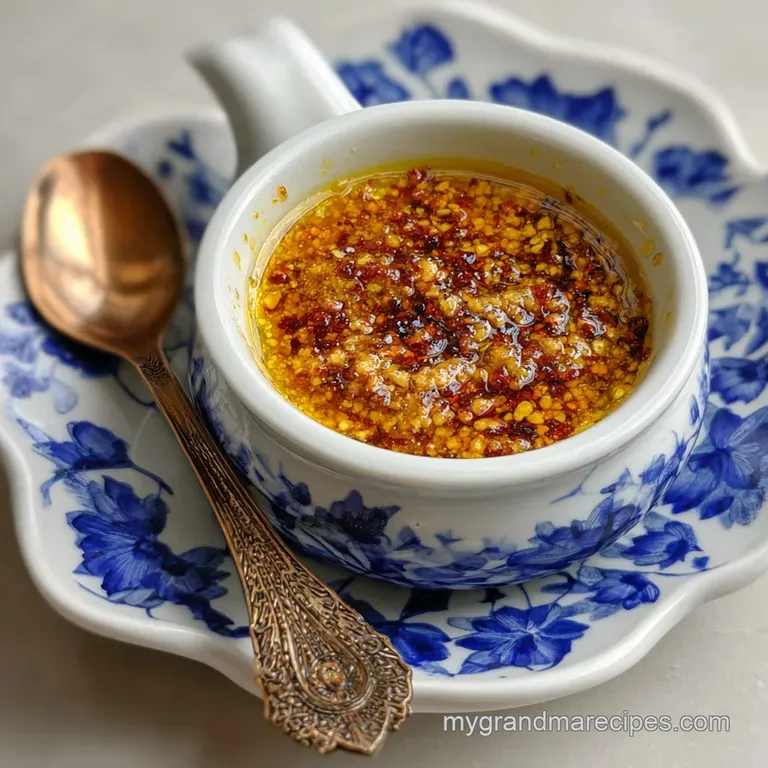
- Time: Active 2 minutes, Passive 15 minutes, Total 17 minutes
- Flavor/Texture Hook: Pungent, sharp heat with a velvety, spreadable consistency.
- Perfect for: Dim sum dipping, glazing ribs, or spicing up a mid week stir fry.
- Creating Authentic Chinese Hot Mustard at Home
- Science Behind the Pungent Heat
- Component Analysis and Flavor Roles
- Mustard Powder and Pantry Staples
- Essential Tools for Smooth Sauce
- Step by Step Mixing Method
- Pro Tips for Bold Flavor
- Flavor Variations and Creative Twists
- Scaling the Recipe
- Safe Storage and Reheating Tips
- Best Pairings for Spicy Mustard
- Recipe FAQs
- 📝 Recipe Card
Creating Authentic Chinese Hot Mustard at Home
You know that specific, sharp sting that hits the back of your nose the second you dip a spring roll into that little plastic cup of yellow mustard? It’s a sensation that wakes up your whole face.
I remember sitting in my grandma’s kitchen back in Tennessee, watching her mix up powders and potions for what she called "fire sauce." She didn't have a fancy pantry, but she knew that the best flavors usually came from just two or three basic things sitting in the back of the cupboard.
This isn't your sandwich mustard; it's a bold, old-fashioned staple that brings serious life to the table.
Most folks think there is a secret ingredient or some rare pepper tucked away in that yellow paste, but the truth is much simpler and cheaper. We are talking about dry mustard powder and water. That is it. When I first tried making this myself, I used hot water thinking it would "cook" the spice.
I ended up with a bland, bitter mess that had zero kick. I learned the hard way that the "heat" isn't a flavor it’s a chemical reaction that you have to treat with a bit of patience.
We are going to make a batch that is smooth, potent, and costs pennies compared to those specialty jars. Whether you are serving this alongside a big bowl of Wonton Soup recipe or just want to clear your sinuses on a Tuesday night, this is the only method you’ll ever need. It’s practical, it’s fast, and it respects the old-fashioned way of doing things right from scratch.
Science Behind the Pungent Heat
The Cold Water Trigger: Dry mustard contains an enzyme called myrosinase that only turns into spicy allyl isothiocyanate when it hits cold or room temperature water. If the water is too hot, it kills the enzyme, leaving you with a dull flavor rather than that signature nasal clearing burn.
The 15 Minute Peak: The chemical reaction that creates the heat takes time to reach its maximum intensity, usually peaking around the fifteen minute mark. After this peak, the flavor begins to dissipate unless you introduce an acid like vinegar to "lock" the molecules in place.
| Strategy | Budget Option | Flavor Impact | Savings |
|---|---|---|---|
| Powder Source | Bulk spice aisle | Identical to name brands | Save $3-5 per tin |
| Acid Choice | White vinegar | Sharper, less sweet than rice vinegar | Save $1-2 per bottle |
| Oil Type | Vegetable oil | Neutral base, lets mustard shine | Save $4 over specialty oils |
Choosing the right liquid temperature is the difference between a condiment that stays quiet and one that truly sings. While some modern recipes call for all sorts of additives, sticking to the cold water method ensures you get that clean, sharp bite that defines true comfort food.
Component Analysis and Flavor Roles
| Ingredient | Science Role | Pro Secret |
|---|---|---|
| Dry Mustard Powder | Base Reactant | Sift it first to ensure a velvety, lump free texture without extra whisking. |
| Cold Water | Catalyst | Always add water to powder, not powder to water, to control the thickness easily. |
| Rice Vinegar | Stabilizer | It halts the heat decay, keeping the mustard spicy for days instead of minutes. |
The beauty of this recipe lies in its simplicity. By understanding that the water is more than just a mixer it’s a trigger you can control exactly how much "fire" ends up on your plate.
My grandma always said that the simplest recipes are the hardest to hide behind, so we use the best basic ingredients we can find.
Mustard Powder and Pantry Staples
- 0.5 cup dry mustard powder: This is the heart of the dish. Why this? Provides the essential enzymes for that sharp, characteristic heat.
- Substitute: Brown mustard seeds ground to a fine powder (will be more bitter).
- 0.33 cup cold water: The activator. Why this? Cold temperatures preserve the heat producing enzymes during the reaction.
- Substitute: Room temperature water works, but avoid anything lukewarm or hot.
- 1 tsp rice vinegar: The "lock" for the spice. Why this? Adds a mild tang while preserving the pungency of the mustard.
- Substitute: Apple cider vinegar for a fruitier, Southern style twist.
- 0.5 tsp neutral vegetable oil: For a silky finish. Why this? Gives the mustard a smooth mouthfeel and a glossy sheen.
- Substitute: Canola or grapeseed oil work perfectly here.
- 0.25 tsp toasted sesame oil: A hint of depth. Why this? Adds a toasted, nutty aroma that balances the sharp mustard.
- Substitute: Peanut oil for a milder nutty note.
- 1 pinch fine sea salt: The flavor enhancer. Why this? Brightens all the other notes and cuts through the bitterness.
- Substitute: Standard table salt (use a tiny bit less).
Essential Tools for Smooth Sauce
You don't need a high tech kitchen to pull this off. In fact, a simple small glass bowl and a sturdy fork are usually better than a whisk because they allow you to mash any stubborn clumps of powder against the side of the dish.
I prefer using a glass or ceramic bowl over metal, as the mustard oils can sometimes react with lower quality stainless steel and leave a faint metallic aftertaste.
If you find yourself making this often, a small airtight jelly jar is a fantastic investment. You can mix the ingredients directly in the jar, let it rest, and then pop the lid on to store it in the fridge. It saves on washing up and keeps those volatile spicy oils from evaporating into the air.
step-by-step Mixing Method
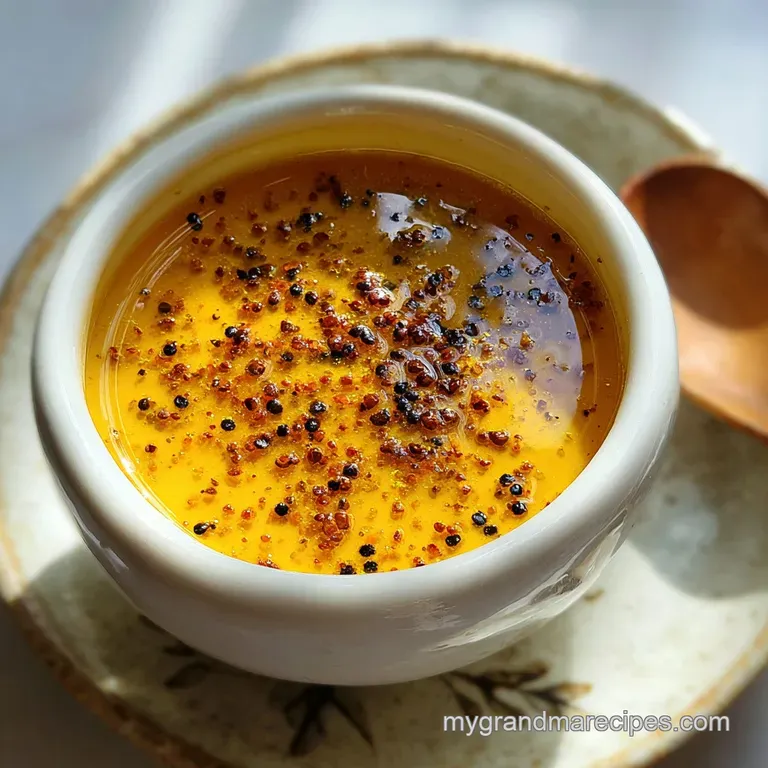
- Sift powder. Place 0.5 cup dry mustard powder into a small glass bowl. Note: Breaking up clumps now ensures a velvety texture later.
- Add water. Pour 0.33 cup cold water into the bowl with the mustard.
- Whisk together. Use a fork or small whisk to combine until no dry streaks remain.
- Emulsify oils. Drizzle in 0.5 tsp neutral vegetable oil and 0.25 tsp toasted sesame oil.
- Season well. Add 1 pinch fine sea salt and whisk until the mixture looks glossy.
- Rest the paste. Leave the bowl on the counter for 15 minutes. Note: This is when the heat actually develops.
- Stabilize heat. Stir in 1 tsp rice vinegar until fully incorporated.
- Check consistency. If it’s too thick, add water by the half teaspoon.
- Transfer jar. Move the mustard to a clean container until ready to serve.
Chef's Tip: If you want an even more nose tingling experience, cover the bowl with plastic wrap during the 15 minute rest. This traps the volatile gases, forcing them back into the paste for maximum punch.
Pro Tips for Bold Flavor
If you want the absolute best results, never skip the rest period. It’s tempting to taste it right away, but the flavor will be strangely flat and bitter. That 15 minute window is where the magic happens. I’ve seen folks try to rush it, but you just can't cheat chemistry.
Another trick I learned in my grandma’s kitchen is to use a "clean" fat. The 0.5 tsp neutral vegetable oil isn't just for show; it coats the tongue slightly so the heat doesn't just burn it lingers in a pleasant way. If you’re serving this with a heavy meal like Chicken Fried Rice recipe, that little bit of oil helps the mustard cut through the richness of the fried grains.
Why is the 15 minute rest mandatory?
The enzymes in the dry powder need time to break down and release the spicy oils. If you add vinegar too early, the acidity can actually stunt this process, leaving you with a mild sauce. Patience results in power.
How does the "heat" actually activate?
It is a process called enzymatic hydrolysis. When water hits the powder, it's like turning a key in a lock; the heat isn't "in" the powder yet, it is created by the interaction of the water and the mustard compounds.
| Problem | Root Cause | Solution |
|---|---|---|
| Bitter Aftertaste | Over rested or hot water used | Add a tiny pinch of sugar or more vinegar to balance. |
| No Heat Sting | Water was too hot | Start over with cold water; heat kills the enzymes. |
| Gritty Texture | Powder wasn't sifted | Use the back of a spoon to cream the paste against the bowl. |
- ✓ Always use cold or room temperature water for the strongest kick.
- ✓ Sift your mustard powder through a fine mesh strainer to avoid lumps.
- ✓ Store in a glass container as plastic can absorb the strong mustard scent.
- ✓ Let the mustard sit for at least 15 minutes before adding your acid.
- ✓ Add a drop of water if the mustard dries out during the resting phase.
Flavor Variations and Creative Twists
If you find the standard version a bit too intense, you can easily transform this into a "creamy" Chinese mustard. Just fold in a tablespoon of mayonnaise or Greek yogurt after the 15 minute rest. This mellows the sting while keeping the flavor profile intact.
It’s perfect for those who want the taste of the Orient without the sinus clearing intensity.
For a sweet hot version that goes beautifully with grilled pork, stir in a teaspoon of honey or brown sugar at the very end. The sugar interacts with the salt and vinegar to create a complex glaze.
You can even add a pinch of turmeric if you want that bright, neon yellow color often seen in commercial packets, though the natural pale gold of this recipe is much more authentic.
Can I make this a sweet hot sauce?
Yes, simply whisk in 1 teaspoon of honey or maple syrup after the vinegar step. This creates a lovely balance that works well for those who prefer a gentler heat.
What if I want a "creamy" version?
Blend the finished mustard with equal parts mayonnaise. This creates a velvety dip that is spectacular on sandwiches or as a dip for cold vegetable platters.
Scaling the Recipe
If you are hosting a big family get together, you can easily double this recipe. Just remember that spices and salt don't always need a 1:1 increase. When doubling, I suggest using 1.5x the salt and sesame oil first, then tasting. You can always add more, but you can't take it out once it's in there.
For small batches (like if you’re just cooking for one), you can quarter the recipe. Use 2 tablespoons of mustard powder and about 1 tablespoon plus a teaspoon of water. It's the perfect amount for a single serving of egg rolls.
Just keep an eye on the consistency, as smaller amounts can dry out faster during the rest period.
| Servings | Mustard Powder | Cold Water | Vinegar |
|---|---|---|---|
| 4 People | 0.25 cup | 2.5 tbsp | 0.5 tsp |
| 8 People | 0.5 cup | 0.33 cup | 1 tsp |
| 16 People | 1 cup | 0.66 cup | 2 tsp |
Safe Storage and Reheating Tips
Storage: Store your homemade mustard in a small glass jar with a tight fitting lid. It will stay fresh and potent in the refrigerator for up to 2 weeks. Over time, the heat will naturally start to fade, but the vinegar helps slow this down significantly.
If it looks a bit dry after a few days, just stir in a few drops of water to bring back that velvety texture.
Freezing: I don't generally recommend freezing this mustard. The emulsion of the oils and the water can break, and the delicate enzymes that provide the heat don't always survive the thawing process.
Since it only takes 2 minutes of active work to make, it’s always better to whip up a fresh batch.
Zero Waste: If you have leftover mustard that has lost its "sting" after a week, don't toss it! Use it as a base for a salad dressing. Whisk it with some soy sauce, ginger, and olive oil for a fantastic vinaigrette. It still has all that wonderful mustard flavor even if the sharp heat has mellowed out.
Best Pairings for Spicy Mustard
This mustard is a natural partner for anything fried or fatty. The sharp acidity and heat cut right through the oil, acting as a palate cleanser between bites. It is spectacular with crispy spring rolls, potstickers, or even just as a bold spread on a roast beef sandwich. In our house, we always have a little bowl of it on the table whenever we make a big batch of Chicken Broccoli and recipe.
Don't be afraid to use it as an ingredient rather than just a condiment. A teaspoon stirred into a marinade for chicken or pork adds a depth of flavor that you just can't get from prepared yellow mustard.
It brings an old-fashioned, rustic soul to modern cooking, reminding us that sometimes the most powerful flavors are the ones we mix ourselves in a simple glass bowl.
One myth I hear a lot is that adding more vinegar makes the mustard hotter. That is actually the opposite of the truth! Vinegar is an acid that stabilizes the heat; it doesn't create it. If you want it hotter, use less vinegar and more powder. Another misconception is that the mustard will stay "hot" forever.
In reality, the chemicals are quite volatile and will eventually lose their punch, which is why fresh is always best. Just keep it simple, keep it cold, and let the rest do the work.
Recipe FAQs
What is Chinese hot mustard made of?
Primarily dry mustard powder and cold water. These two ingredients react chemically to create the heat; vinegar is added later as a stabilizer.
What makes Chinese mustard so hot?
The chemical reaction involving the enzyme myrosinase in the dry powder. This enzyme creates the volatile, sharp compound allyl isothiocyanate when activated by cold water.
What can you substitute for Chinese hot mustard?
Use horseradish mixed with a mild yellow mustard, or wasabi paste sparingly. These alternatives offer a sharp nasal sting, but they will lack the specific pungent flavor profile of authentic Chinese mustard.
How to make very hot mustard?
Ensure you use only cold or room temperature water and let the paste rest for the full 15 minutes undisturbed. Hot water kills the heat producing enzymes, so the temperature of the liquid is the single most crucial factor for maximum pungency.
Does adding oil change the heat level of the mustard?
No, oil primarily affects texture and mouthfeel, not the initial heat. A neutral oil adds a velvety coating that helps the pungency linger pleasantly instead of just stinging and disappearing immediately.
Is it true that Chinese hot mustard loses its heat quickly?
Yes, the heat level peaks and then begins to dissipate rapidly without intervention. Adding an acid, like rice vinegar, after the resting period is necessary to halt the chemical reaction and preserve the maximum potency for storage.
Why do some recipes call for mixing the powder into hot water?
No, mixing powder into hot water results in a bland, bitter product. Hot water denatures the necessary enzymes, meaning the pungent heat never develops, leaving you with a dull, sulfurous paste instead of a sharp condiment.
Chinese Hot Mustard Recipe
Ingredients:
Instructions:
Nutrition Facts:
| Calories | 36 kcal |
|---|---|
| Protein | 1.6 g |
| Fat | 2.7 g |
| Carbs | 1.8 g |
| Fiber | 0.6 g |
| Sugar | 0.1 g |
| Sodium | 26 mg |
