Chicken Parmesan Sandwiches: Shattering Crust
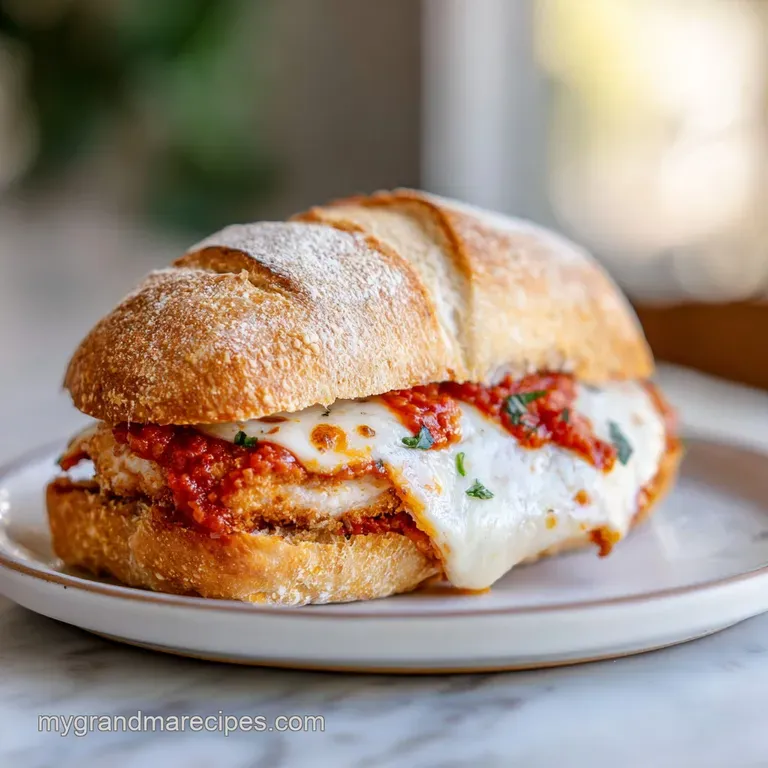
- Time: Active 20 minutes, Passive 15 minutes, Total 35 minutes
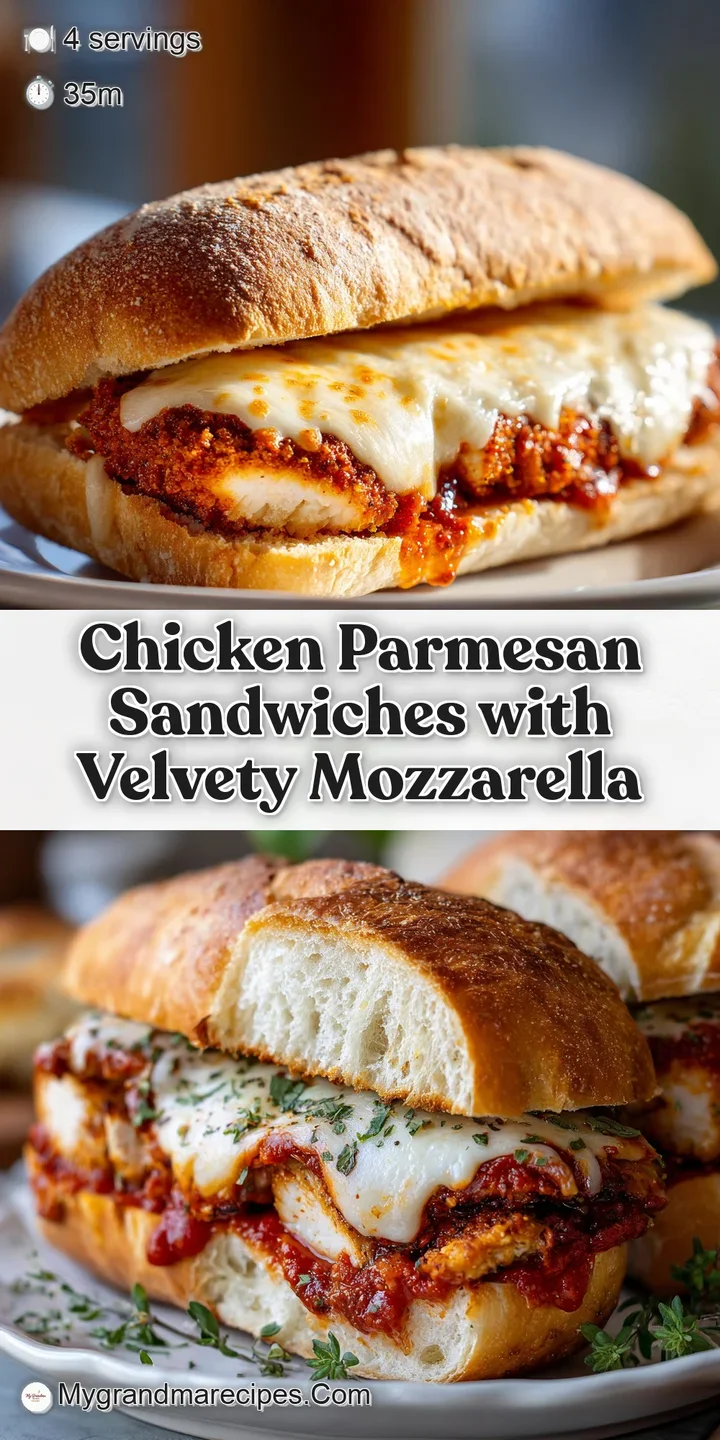
- Flavor/Texture Hook: Shattering panko crust with velvety mozzarella
- Perfect for: Busy weeknights or a comforting weekend lunch
Mastering These Chicken Parmesan Sandwiches
The sizzle of cold breaded chicken hitting hot oil is a sound that lived in my grandma’s Tennessee kitchen every Sunday afternoon. I remember standing on a wooden stool, watching her carefully flip golden cutlets with an old pair of tongs while the aroma of dried oregano and toasted garlic filled the air.
She didn't have a deep fryer or a fancy air fryer; she just had a trusty skillet and a few tricks passed down through the family.
But what about the sogginess that usually plagues home cooked versions? We've all been there you spend time breading the meat only for the sauce to turn the whole thing into a limp, sad mess within five minutes.
I spent months testing different breading ratios and cheese placements until I found the secret to a sandwich that stays crisp until the very last bite. This isn't just a meal; it's a lesson in texture and timing that will make you skip the takeout line forever.
Trust me on this, once you hear that first "shatter" when you bite into the toasted baguette, you'll never go back to the soggy cafeteria style. We are going to use basic pantry staples and one or two smart shortcuts to get restaurant quality results without the restaurant quality cleanup.
Let's crack on and get these cutlets ready for their starring role.
Why This Recipe Works
- Cornstarch Barrier: Adding cornstarch to the flour creates a crispier, more resilient crust that prevents the chicken juices from soaking through the breading.
- Triple Dredge Lock: The flour, egg, and panko sequence creates a structural "envelope" that keeps the meat moist while the exterior fries to a hard crunch.
- Low Moisture Shield: Using low moisture mozzarella prevents excess water from leaking onto the breading during the melting phase.
- Aromatic Toasting: Rubbing a raw garlic clove over the toasted baguette provides a subtle, fresh pungency that bottled garlic powder simply cannot replicate.
| Cooking Method | Active Time | Texture Result | Best For |
|---|---|---|---|
| Classic Skillet | 15 minutes | Maximum shatter crunch | Traditional deli flavor |
| Oven Baked | 25 minutes | Uniformly golden | Large batches/Lower oil |
| Air Fryer | 12 minutes | Very dry and light | Quick individual meals |
If you find yourself craving more Italian inspired comfort, you might enjoy my garlic parmesan meatballs recipe which uses a similar herb profile to these sandwiches.
Essential Recipe Specifications
Getting the physics of the fry right is the difference between a greasy cutlet and a golden masterpiece. We want the oil hot enough to seal the breading instantly but not so hot that it burns the panko before the chicken reaches its safe internal temperature.
These precision checkpoints will keep you on the right track throughout the process.
| Component | Target Spec | Visual/Sensory Cue |
|---|---|---|
| Chicken Thickness | 1/2 inch thick | Uniformly flat across the piece |
| Oil Temperature | 350°F (180°C) | A pinch of panko sizzles immediately |
| Internal Temp | 165°F (74°C) | Juices run clear when pierced |
| Resting Time | 3 minutes | Breading sets and doesn't pull away |
For Maximum Breading Adhesion
The biggest mistake I once made was trying to bread wet chicken. Moisture is the enemy of the dredge. By patting the meat dry with paper towels first, you ensure the flour sticks to the protein, the egg sticks to the flour, and the panko sticks to the egg.
It sounds like a lot of steps, but it only takes seconds and saves you from the "breading slip" where the crust slides off like a loose jacket.
For a Shattering, Greaseless Crunch
Panko is the secret weapon here. Unlike traditional breadcrumbs, panko flakes are larger and airier, meaning they absorb less oil while providing more surface area for crunching. When combined with the over high heat conductivity of a heavy skillet, you get a texture that is light but incredibly firm.
For Structural Integrity
Choosing the right bread is non negotiable. A soft burger bun will collapse under the weight of the marinara and cheese. An Italian baguette or a sturdy ciabatta roll has the "crumb strength" to hold the ingredients without turning into mush.
We also toast the bread until it’s nearly a crouton on the inside to create a moisture proof wall.
Selecting Quality Ingredients
Everything starts with the chicken. I prefer using large breasts and slicing them horizontally into "cutlets." This gives you more surface area for breading and ensures the meat cooks quickly and evenly. If your chicken pieces are uneven, give them a few whacks with a heavy pan or a meat mallet to level things out.
- Chicken Breasts (2 large, 500g): The lean base for our sandwich. Why this? Offers a clean flavor that lets the parmesan and herbs shine.
- All Purpose Flour (1/2 cup): The foundational layer of the dredge. Why this? Creates a dry surface for the eggs to cling to.
- Cornstarch (2 tbsp): The secret to extra crispiness. Why this? Interferes with gluten development for a more brittle, crunchy crust.
- Panko Breadcrumbs (1 1/2 cups): Large, airy Japanese style crumbs. Why this? Provides a much louder crunch than standard fine crumbs.
- Grated Parmesan (1/2 cup): Salty, umami rich cheese. Why this? Seasons the breading from the inside out.
- Low Moisture Mozzarella (4 thick slices): The melting component. Why this? Melts beautifully without releasing water into the bread.
- high-quality Marinara (1 cup): The acidic, sweet counterpoint. Why this? Bridges the flavors of the fried chicken and rich cheese.
| Original Ingredient | Substitute | Why It Works |
|---|---|---|
| Panko Breadcrumbs | Crushed Crackers | Stays crisp. Note: Often saltier, so reduce added salt |
| Marinara Sauce | Pesto Sauce | Adds a nutty, herbal punch instead of tomato acidity |
| All Purpose Flour | Almond Flour | Works as a binder. Note: Browns much faster, watch heat |
Adding a side of my Chicken Tetrazzini Recipe to your weekly meal plan is a great way to use up any leftover parmesan or mozzarella you have in the fridge.
Minimal Tools Required
You don't need a kitchen full of gadgets to make world class chicken parmesan sandwiches. A heavy bottomed skillet is your best friend here. If you have a cast iron skillet, use it. It holds heat better than stainless steel, which means the oil temperature won't plummet when you add the cold chicken.
Aside from the skillet, you'll need three shallow bowls for your dredging station. Don't overthink this pie plates or even Tupperware lids work perfectly. A wire cooling rack set over a baking sheet is another "pro" move.
Resting the fried chicken on a rack instead of a flat plate allows air to circulate, preventing steam from softening the bottom of your crust.
The Cooking Process
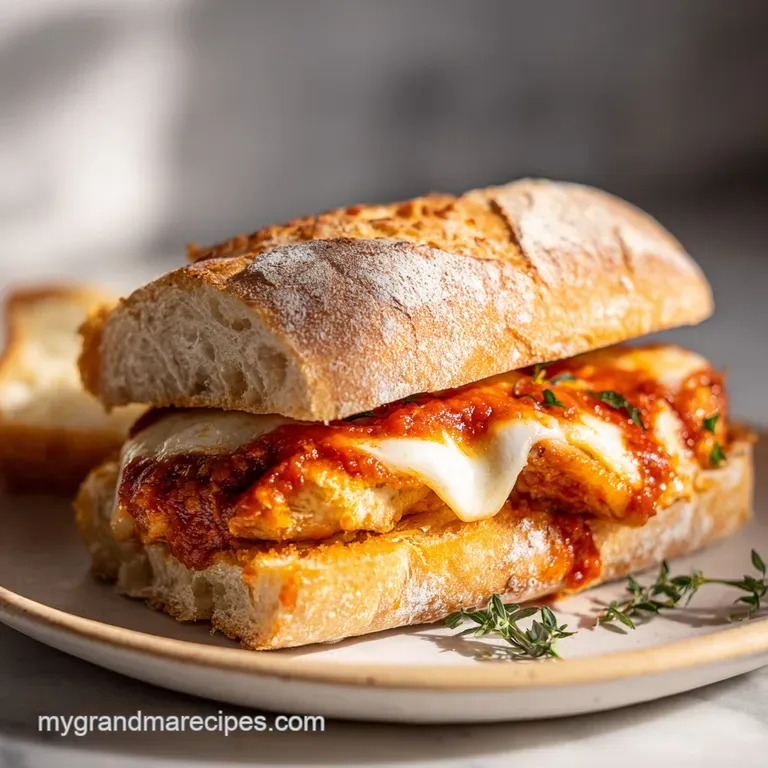
Right then, let's get to the actual cooking. Set up your workspace so everything flows from left to right: chicken, flour, eggs, breadcrumbs, then the skillet. This "assembly line" approach keeps your kitchen clean and your hands from becoming "club shaped" from the batter.
1. Preparation and Thinning
Slice the 2 large chicken breasts in half horizontally to create 4 thinner cutlets. Place them between sheets of plastic wrap and gently pound them to a 1/2 inch thickness until they are uniform and flat.
2. The Multi Stage Dredge
Whisk 1/2 cup flour and 2 tbsp cornstarch in one bowl; beat 2 eggs in the second; mix 1 1/2 cups panko, 1/2 cup parmesan, garlic powder, and oregano in the third. Note: Season each bowl with a pinch of salt to layer the flavors.
3. Achieving the Crunch
Heat 1 tbsp olive oil in your skillet over medium high heat. Dip each cutlet in flour, then egg, then the panko mixture, pressing firmly until the breading is thick and even.
4. Searing the Cutlets
Place the chicken in the hot oil and cook for 3 to 4 minutes per side until the crust is deep golden brown and rigid.
5. Toasting the Bread
While the chicken rests, slice your baguette or rolls and toast them under the broiler for 1 minute until the edges are charred and the center is firm.
6. The Garlic Rub
Take the halved garlic clove and rub the cut side vigorously over the toasted bread. Note: This deposits essential oils directly into the crumb for massive flavor.
7. The Cheese Melt
Place the cooked chicken cutlets on the bottom half of the toasted rolls. Top each with a generous spoonful of marinara and a slice of mozzarella.
8. Final Assembly
Return the open faced sandwiches to the broiler for 1 to 2 minutes until the cheese is bubbling and spotted with brown.
9. Fresh Finishes
Sprinkle the fresh basil chiffonade over the molten cheese and close the sandwiches. Serve immediately while the cheese is still stretchy and hot.
Pro Tips & Pitfalls
One of the most common mistakes I see is "sauce drowning." If you pour the marinara all over the chicken and then let it sit, you're essentially steaming the breading you worked so hard to make crunchy.
Always keep the sauce localized to the center of the cutlet, or even better, put a thin layer of sauce on the bread under the chicken to act as a flavor base while keeping the top crust exposed to the heat.
Chef's Tip: If you want that "Instagram worthy" cheese pull, make sure your mozzarella is at room temperature before you put it under the broiler. Cold cheese takes longer to melt, which risks overcooking the chicken.
To Prevent Breading Fallout
If your breading is falling off the chicken like a bad habit, it’s usually because the meat was too damp or you flipped it too early. Let the chicken sit in the panko for at least 5 minutes before frying; this "sets" the coating.
Once it’s in the pan, don't touch it until you see the edges turning brown.
To Ensure a Moist Interior
We are using high heat for the crunch, but we don't want dry meat. The cornstarch in the flour helps, but the real secret is the rest. Let the chicken rest on a wire rack for 3 minutes before putting it on the bread.
This allows the juices to redistribute so they don't leak out and soak your sandwich the moment you take a bite.
| Problem | Root Cause | Solution |
|---|---|---|
| Saturated/Soggy Bread | Sauce absorbed into crumb | Toast bread heavily and rub with garlic oil first |
| Breading is Burnt | Oil temperature too high | Reduce heat to medium and use a high smoke point oil |
| Chicken is Tough | Overcooked/Not pounded | Pound to 1/2 inch and pull at 165°F (74°C) |
Common Mistakes Checklist: ✓ Pat the chicken bone dry with paper towels before starting the dredge. ✓ Do not overcrowd the skillet; cook in batches if your pan is small. ✓ Use a wire rack for resting instead of paper towels to maintain bottom crunch.
✓ Broil the cheese only until bubbly; don't let the bread burn while waiting for the melt.
Mix It Up
While the classic version is hard to beat, I’ve found a few ways to tweak this recipe depending on what's in my pantry. If I have a jar of spicy peppers, I'll chop them up and mix them into the marinara for a "Fra Diavolo" style sandwich.
It adds a heat that cuts right through the richness of the fried chicken and cheese.
For a Spicy Calabrian Twist
Spread a thin layer of "nduja" or Calabrian chili paste on the top bun before closing the sandwich. The spicy, porky fat melts down into the mozzarella and creates a smoky depth that is absolutely addictive. It’s a modern touch that grandma might not have used, but I think she’d approve.
For a Pesto Power Up
If you aren't in the mood for tomato sauce, swap the marinara for a vibrant basil pesto. It changes the profile from "red sauce comfort" to something a bit more herbaceous and bright. This version pairs exceptionally well with a sharp provolone instead of the milder mozzarella.
For a Low Carb Alternative
You can skip the bread entirely and serve the breaded cutlets over a bed of sautéed zucchini noodles or a simple arugula salad with a heavy squeeze of lemon. The "shatter" of the panko still provides that satisfying texture even without the baguette.
make-ahead and Leftover Tips
Leftover chicken parmesan sandwiches are a bit of a challenge because of the moisture in the sauce. However, you can store the components separately for the best results. Keep the fried cutlets in an airtight container in the fridge for up to 3 days.
When you’re ready for round two, don't use the microwave it will turn the breading into rubber.
To reheat, place the cold cutlets on a baking sheet in a 350°F (180°C) oven or toaster oven for about 8 minutes. This brings back the crunch.
Once the chicken is hot, then you add your sauce and cheese and finish it under the broiler as if you were making it fresh.
For a zero waste tip: don't toss the leftover breading! If you have extra flour, egg, and panko, you can mix them together with a little extra parmesan and fry them up as "poor man's nuggets." My grandma used to call them "bread cookies," and they were the most coveted snack in the kitchen.
Also, save your parmesan rinds in the freezer to drop into your next batch of homemade marinara for extra depth.
Best Pairing Ideas
These sandwiches are heavy hitters, so I like to pair them with something that offers a bit of crunch and acidity to balance the scales. A simple Caesar salad with plenty of cracked black pepper and lemon juice is the traditional choice for a reason it works perfectly.
If you want something a bit heartier, a side of crispy polenta fries or even a cup of minestrone soup can turn this into a full blown feast. For a drink, a cold sparkling water with a wedge of lime or a light, acidic red wine like a Chianti helps wash down the richness of the fried chicken and melted cheese.
Whatever you choose, make sure it has enough "zip" to stand up to the bold flavors of the parmesan and garlic.
Very High in Sodium
1150 mg mg of sodium per serving (50% % of daily value)
The American Heart Association recommends limiting sodium intake to no more than 2,300mg per day. This recipe exceeds 50% of that limit per serving.
Actionable Tips to Reduce Sodium
-
Reduce or Swap Parmesan-15%
Parmesan cheese is a significant source of sodium. Reduce the amount used in the breadcrumb mixture, or substitute with a low-sodium cheese alternative like part skim ricotta that has been well drained. Consider using only 1/4 cup (22.5g) of Parmesan.
-
Choose Low-Sodium Marinara-20%
Marinara sauce can be high in sodium. Look for a no-salt added or low-sodium marinara sauce option. Alternatively, make your own using fresh or canned diced tomatoes with no added salt and herbs to control the sodium content.
-
Control Added Salt-25%
Be mindful of the amount of salt you add. Taste the chicken before adding any salt and pepper. Consider using a salt substitute or reducing the amount by half. This can make a big difference.
-
Bread Choice Matters-10%
The baguette or ciabatta rolls can contribute to sodium intake. Check the nutrition labels and choose a lower sodium bread option. Consider making your own from scratch to control all ingredients.
-
Boost Flavor with Herbs
Enhance the flavor of the chicken and sauce with fresh or dried herbs and spices like basil, oregano, thyme, or red pepper flakes. This will help you reduce the need for salt.
Recipe FAQs
What sauce to put on a chicken parm sandwich?
Use high-quality marinara sauce. A good sauce should be thick, slightly sweet, and acidic to cut through the richness of the fried chicken and cheese. Keep the sauce concentrated on the center of the cutlet to avoid soaking the crust.
What cheese goes best with chicken parmesan?
Low moisture mozzarella combined with grated Parmesan. The mozzarella provides the signature stretch and melt, while the Parmesan adds a salty, sharp umami flavor directly into the breading. Make sure the mozzarella is sliced thick for better melting.
Does Olive Garden have a Chicken Parmesan Sandwich?
Currently, no, Olive Garden does not typically list a dedicated Chicken Parmesan Sandwich on their standard menu. They feature chicken parmesan as an entree, but you would need to customize or check limited time offers for a sandwich version.
Does mayo go on a chicken parm sandwich?
No, mayonnaise is not traditional and generally not recommended. The traditional flavor profile relies on tomato acidity and savory cheese; mayo introduces a competing, heavy fattiness that masks the classic Italian flavors.
If you must add fat, try rubbing the toasted bread with a fresh garlic clove instead.
How to keep the breading crispy when adding the sauce?
Toast the bread heavily and apply sauce directly over the meat. Toasting creates a moisture barrier; then, layer the sauce over the fried chicken before melting the cheese on top. If you enjoyed achieving a resilient crust here, apply the same double dredge logic when preparing our Crispy Chicken Thighs recipe for similar texture success.
What kind of bread should I use for the best crunch?
Use a sturdy Italian baguette or ciabatta roll. The key is high crumb strength to support the heavy toppings without collapsing into mush. You must toast the interior until it is nearly rigid before assembling the sandwich.
Is it true you must use oil that is too hot when frying the chicken?
False. Oil that is too hot burns the panko before the center cooks. Aim for a consistent oil temperature of 350°F (175°C) to perfectly sear the crust while ensuring the chicken reaches 165°F (74°C) internally. Mastering temperature control is crucial for texture, similar to balancing the heat when making our BBQ Chicken Rice recipe.
Chicken Parm Sandwiches Recipe
Ingredients:
Instructions:
Nutrition Facts:
| Calories | 785 kcal |
|---|---|
| Protein | 56 g |
| Fat | 20 g |
| Carbs | 86 g |
| Fiber | 4 g |
| Sugar | 6 g |
| Sodium | 1150 mg |
