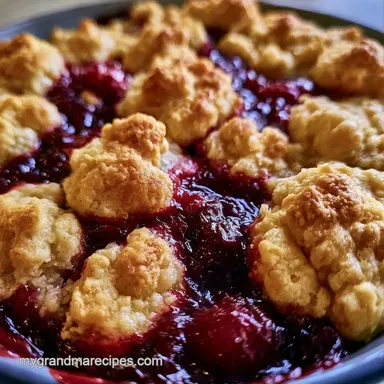
Old Fashioned Brown Sugar Plum Cobbler
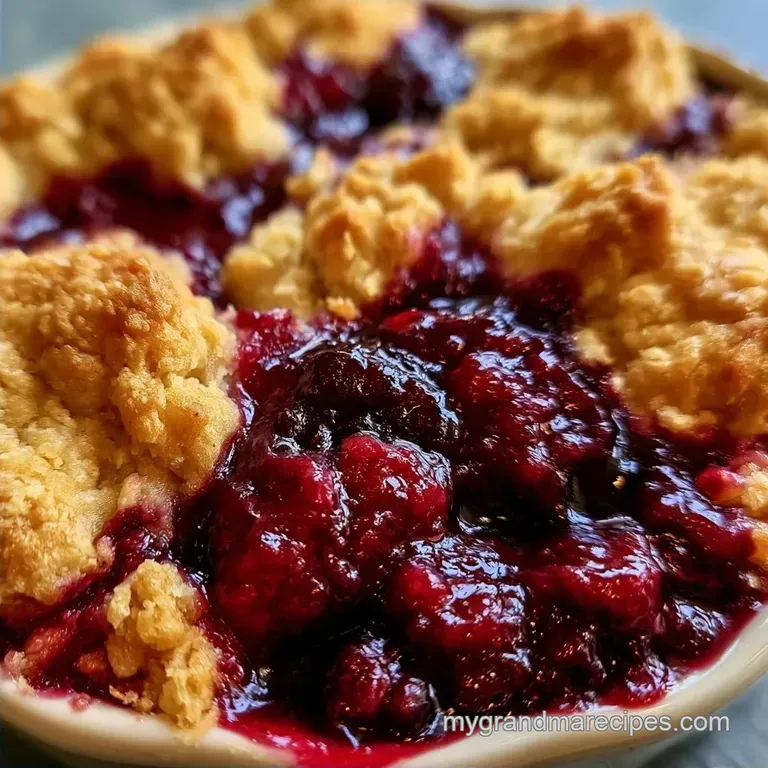
- Time: 30 min active + 45 min baking
- Flavor/Texture Hook: Tart bubbling plums under a mahogany brown, crumbly crust
- Perfect for: Family Sunday dinners or using up late summer fruit
The smell of bubbling plums and toasted sugar filling a kitchen is one of those things that just feels like home. I remember watching my grandmother make this in a heavy pan, never once looking at a timer. She just knew when the fruit was right by the way the purple juices started to crawl up the sides of the dish.
Forget the idea that you need a fancy food processor or a professional pastry cutter to get a good crust. You can do this with two forks and a bit of patience. Most people think the dough needs to be smooth, but the opposite is true. You want those little lumps of butter to stay intact.
This Plum Cobbler doesn't require any complicated techniques. It's about the contrast between the warm, tangy fruit and the slightly sweet, cake like topping. Trust me on this, the rustic look is the whole point.
Plum Cobbler
Right then, let's look at why this works. I've spent a lot of time tinkering with the ratios so you don't have to.
Cold Butter: Leaving the butter in cold cubes creates tiny steam pockets in the oven. This makes the topping lighter and less like a dense biscuit.
Cornstarch Slurry: The starch binds with the fruit juices as they heat up. This prevents the filling from becoming a soup, which is a common issue with this Plum Cobbler. According to King Arthur Baking, the right amount of thickener ensures the fruit stays suspended in a glossy sauce.
| Method | Time | Texture | Best For |
|---|---|---|---|
| Oven Bake | 75 min | Browned, crumbly top | Traditional family meals |
| Stovetop | 40 min | Soft, dumpling style | Quick cravings/small batches |
What Each Ingredient Does
| Ingredient | What It Does | Best Swap |
|---|---|---|
| Fresh Plums | Provides tartness and bulk | Nectarines (sweeter, less tart) |
| Brown Sugar | Adds caramel notes and moisture | Coconut sugar (earthier taste) |
| Baking Powder | Lifts the dough | Self rising flour (omit powder) |
| Cold Butter | Creates flaky texture | Chilled coconut oil (dairy-free) |
Choosing Your Ingredients
For a great Plum Cobbler, you want plums that are ripe but still hold their shape. If they're too mushy, they'll dissolve into jam. I usually go for the red skinned ones for that deep color.
- 900g fresh plums, pitted and sliced into wedges
- 100g light brown sugar, packed Why this? Adds a molasses depth that white sugar lacks
- 15ml lemon juice
- 5ml ground cinnamon
- 15g cornstarch
- 1g salt
- 180g all purpose flour
- 50g granulated sugar
- 12g baking powder
- 2g salt
- 113g unsalted butter, cold and cubed Why this? Fat is what makes the crust tender
- 180ml whole milk
If you're making a Sugar Plum Cobbler, you might find that slightly more cinnamon helps bridge the gap between the sugar and the tart fruit.
Basic Tools You Need
You don't need a mountain of gear here. A 23cm square baking dish is the standard. If you have a cast iron skillet, that works even better for heat distribution, similar to how a Cobbler in Cast Iron recipe behaves.
For the dough, a medium bowl and two forks are your best friends. Using forks to cut in the butter is an old-fashioned way that works just as well as a pastry blender. Just keep the butter cold. If it starts to soften, pop the bowl in the fridge for 10 minutes.
Simple Steps to Bake
- Preheat your oven to 190°C.
- In your baking dish, toss the sliced plums with brown sugar, lemon juice, cinnamon, cornstarch, and salt. Mix until the fruit is evenly coated and looks glossy.
- In a medium bowl, whisk together the flour, granulated sugar, baking powder, and salt.
- Add the cold cubed butter to the flour mixture.
- Use your forks to work the butter into the flour. Stop when it looks like coarse crumbs with a few pea sized lumps remaining.
- Stir the milk into the dough. Note: Stir only until combined to avoid a tough crust.
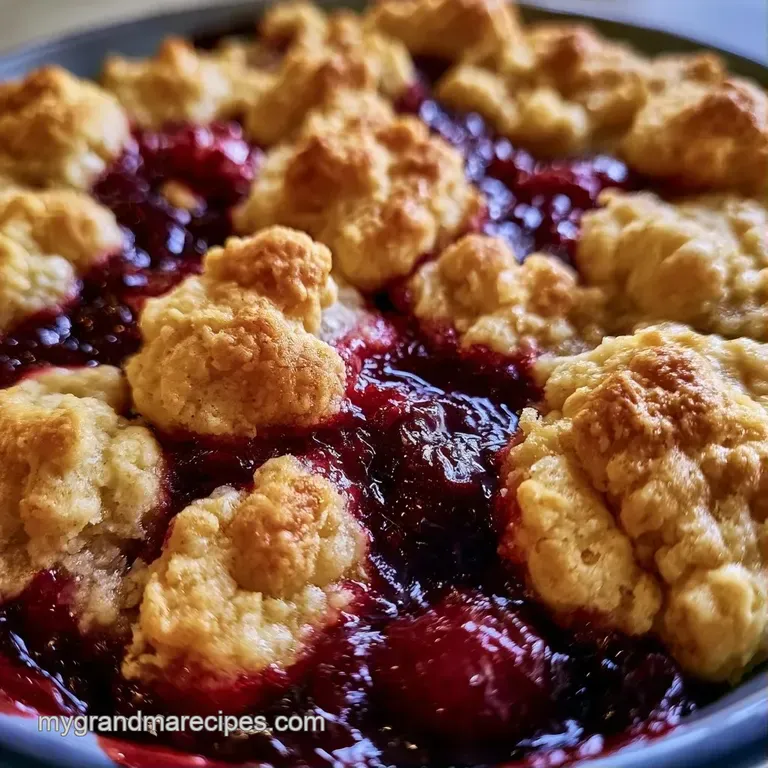
- Spoon the batter over the plums. Flatten it slightly but leave some rustic mounds for more browned edges.
- Bake for 40-45 minutes. Wait until the crust is mahogany brown and the fruit juices bubble up around the edges.
The filling should look velvety and thick, not watery, when you pull the Plum Cobbler out of the oven.
Fixing Your Bake
The most frustrating thing is when you pull a dessert out and it's not what you expected. Usually, it's a simple fix.
Troubleshooting Common Issues
| Issue | Solution |
|---|---|
| Why Your Filling is Too Runny | This happens if the plums were overly ripe or if the cornstarch wasn't mixed in well. The juices don't thicken, and the crust sinks. |
| Why Your Crust is Pale | A pale crust usually means the oven temperature was too low or the dish was too crowded. The sugar needs high heat to caramelize properly. |
| Why Your Dough is Tough | Overmixing the milk into the flour develops too much gluten. This turns a tender topping into something closer to bread. |
Changing the Flavor
If you want to switch things up, this Plum Cobbler is very flexible. I often mix in other stone fruits. A mix of plums and apricots makes a great Sugar Plum Cobbler variant.
- Almond Twist: Add 5ml of almond extract to the batter. It pairs beautifully with the tartness of the plums.
- Mixed Fruit: Swap half the plums for peaches or blueberries. If you love berries, my Blueberry Cobbler with Cinnamon uses a similar base.
- Low Sugar: Reduce the brown sugar by half and add an extra squeeze of lemon. The natural tartness of the fruit carries the dish.
- gluten-free: Use a 1:1 GF flour blend. Note that the texture will be slightly denser.
Adjusting the Batch Size
Scaling a Plum Cobbler is straightforward, but you have to watch the bake time.
Making a Half Batch: Use a smaller 15cm dish. Reduce the baking time by about 20%. If the recipe calls for an egg (though this one doesn't), beat it first and use half.
Doubling the Recipe: I recommend using two separate dishes rather than one giant one. If you crowd the pan, the middle won't cook through before the edges burn. If you must use a larger pan, lower the oven temp to 175°C and extend the time by 10-15 minutes.
Don't double the salt or cinnamon exactly - use about 1.5x instead to keep the flavors balanced.
| Original | 1/2 Batch | 2x Batch | Impact |
|---|---|---|---|
| Plums | 450g | 1.8kg | Larger batches need more pan surface |
| Butter | 55g | 226g | Keep butter cold regardless of size |
| Milk | 90ml | 360ml | Avoid overmixing larger volumes |
Debunking Dessert Myths
There are a few things people say about cobblers that just aren't true.
First, some say you need to pre cook the fruit on the stove to avoid a runny mess. That's not necessary if you use cornstarch. The oven provides plenty of heat to break down the plums.
Second, people think the butter must be completely blended into the flour. In reality, those pea sized lumps are what create the texture. If the butter is fully incorporated, you're making a cake, not a cobbler.
Keeping it Fresh
This Plum Cobbler is best served warm, but leftovers are great too. Store any remaining portions in an airtight container in the fridge for up to 4 days.
To reheat, avoid the microwave if you want to keep the crust crisp. Put a slice in the oven at 175°C for about 10 minutes. This brings back that toasted sugar flavor. You can freeze the baked cobbler for up to 2 months, though the crust may soften slightly.
For zero waste, if you have a few leftover plum skins or bruised fruit, simmer them with a bit of water and sugar to make a quick syrup for pancakes.
Ways to Serve
The best way to enjoy a Plum Cobbler is with a big scoop of vanilla bean ice cream. The cold cream melts into the hot purple syrup, creating a rich contrast.
If you want something lighter, a dollop of unsweetened whipped cream or a drizzle of cold heavy cream works well. This balances the intensity of the brown sugar. Some people like a sprinkle of cinnamon on top right before serving to wake up the aroma. This is the kind of comfort food that doesn't need fancy plating.
Just scoop it out of the dish and serve it warm.
Recipe FAQs
Can I use brown sugar instead of white sugar in the topping?
Yes, but it changes the texture. Substituting granulated sugar with brown sugar results in a softer, moister crust rather than the crisp, mahogany brown finish.
What kind of plums are best for cobblers?
Use firm, slightly underripe plums. These hold their shape better during the 40 45 minutes of baking and prevent the filling from becoming overly watery.
Why is my cobbler filling too runny?
This occurs if the plums were overly ripe or the cornstarch wasn't mixed in well. When the cornstarch isn't evenly distributed, it cannot thicken the juices, causing the crust to sink.
Why is the crust pale after baking?
The oven temperature was likely too low. The sugar needs a consistent 375°F to caramelize properly and achieve a deep brown color.
Why is the cobbler dough tough?
Overmixing the milk into the flour developed too much gluten. Stir the dough only until just combined to ensure the topping remains tender rather than bread like.
How do I prepare the plum filling?
Toss sliced plums with brown sugar, lemon juice, cinnamon, cornstarch, and salt in a 9x9 inch baking dish. Mix until the fruit is evenly coated before adding the topping.
How do I make the cobbler crust?
Whisk the flour, granulated sugar, baking powder, and salt, then work in cold cubed butter. Stir in milk until just combined and spoon the batter over the plums in rustic mounds.
Brown Sugar Plum Cobbler