Classic Tartar Sauce Recipe
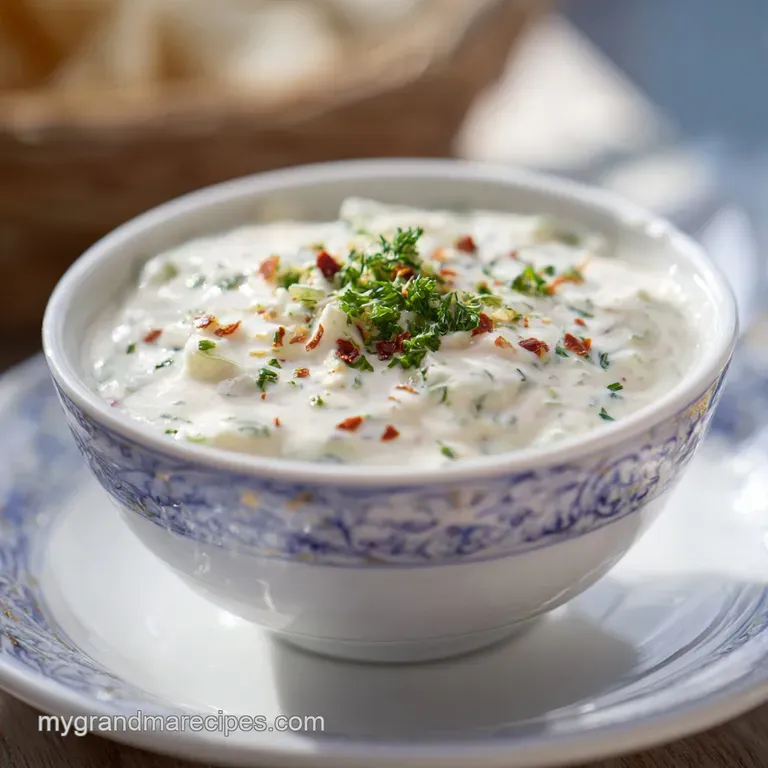
- Time: Active 5 minutes, Passive 0 minutes, Total 5 minutes
- Flavor/Texture Hook: Velvety base with a crunchy, briny finish
- Perfect for: Fish fries, seafood platters, and quick weeknight dipping
- The Only Authentic Homemade Tartar Sauce Recipe Ever
- Why These Essential Specs Ensure a Tangy Sauce
- Gathering Your High Quality Ingredients and Fresh Herbs
- Simple Kitchen Tools for a Fast Creamy Base
- Easy Steps to Mix This Tangy Homemade Condiment
- Avoiding Common Kitchen Mistakes for a Better Texture
- Creative Flavor Variations for Every Type of Seafood
- Proper Storage Guidelines to Keep Your Sauce Fresh
- The Best Serving Suggestions for Your Homemade Sauce
- Recipe FAQs
- 📝 Recipe Card
The Only Authentic Homemade Tartar Sauce Recipe Ever
Friday nights at my grandma’s house in Tennessee didn't start until the smell of cornmeal and hot oil drifted through the screen door. We would crowd into her small kitchen, watching her pull golden catfish from the cast iron skillet while she hummed along to the radio.
But the real magic happened in a small, cracked ceramic bowl where she mixed her signature sauce with nothing but a fork and a bit of intuition.
She always told me that a good sauce should be bold enough to wake up the fish but smooth enough to keep you coming back for another dip. This tartar sauce recipe is the exact one she taught me, focusing on the crunch of the pickles and the sharp zest of fresh lemon.
It turns a simple piece of fried protein into something that feels like a celebration, and honestly, once you taste the difference that fresh shallots and capers make, you'll never touch the bottled stuff again.
We aren't just stirring things together here; we’re building layers of salt, acid, and fat. The way the tiny bits of caper pop against the silky mayonnaise is a sensation you just can't get from a factory processed jar.
Right then, let’s get into how we make this happen in your own kitchen without any fancy gadgets or hours of prep.
Why These Essential Specs Ensure a Tangy Sauce
- Cold Emulsion Stability: Using cold mayonnaise as the base ensures the vegetable fats remain suspended, preventing the lemon juice from causing the sauce to separate or weep.
- Sulfur Management: Mincing the shallot into a fine paste breaks down the cell walls, releasing allicin which provides a mild, sweet heat without the grainy texture of raw onion.
- Acid Fat Balance: The citric acid in the lemon juice cuts through the heavy lipid profile of the mayo, creating a bright "top note" that prevents the sauce from feeling greasy on the palate.
- Pectin Interaction: The natural pectins in the finely minced dill pickles help slightly thicken the sauce as it sits, giving it a better "cling" to your fried food.
The Science of the Emulsion
The mustard acts as a chemical bridge between the oil in the mayo and the water in the lemon juice. This creates a stable suspension that stays velvety even when it hits the heat of a freshly fried fish fillet.
Budget Alternatives for Better Value
| Premium Ingredient | Budget Alternative | Flavor Impact | Savings |
|---|---|---|---|
| Nonpareil Capers | Extra Green Olives | Adds salt/brine but lacks the floral floral notes | Save $3-4 |
| Shallots | Scallion Whites | Very similar bite but slightly less complex | Save $1-2 |
| Fresh Dill | Dried Dill Weed | Milder flavor; use 1/3 the amount of fresh | Save $2-3 |
Choosing the budget alternatives still results in a great sauce, though the fresh herbs and shallots provide that distinct "from scratch" aroma that really stands out. If you're feeding a large crowd at a backyard barbecue, switching to scallion whites is a smart move that won't compromise the final result.
Gathering Your high-quality Ingredients and Fresh Herbs
To get that classic taste, we need to be picky about our components. Since there is no cooking involved, the quality of your raw ingredients is exactly what you will taste in the final bite.
I always suggest using a heavy, egg yolk rich mayonnaise rather than a salad dressing spread, which tends to be too sweet and thin for a traditional tartar sauce recipe.
- 1 cup (240g) high-quality mayonnaise: This is your foundation. Look for a brand that uses real eggs for the best mouthfeel.
- 1 tsp (5ml) Dijon mustard: Adds a sophisticated tang and helps keep the sauce from breaking.
- 1/2 cup (65g) dill pickles, finely minced: Use a firm pickle so you get a distinct crunch instead of mush.
- 1 tbsp (15g) nonpareil capers, drained and roughly chopped: These tiny salt bombs provide the briny depth that defines a good sauce.
- 1 tbsp (10g) shallot, minced into a fine paste: Provides a subtle onion flavor that isn't overwhelming.
- 1 tbsp (15ml) fresh lemon juice: Always use fresh; the bottled stuff has a metallic aftertaste that can ruin the sauce.
- 1 tbsp (4g) fresh dill or parsley, finely chopped: This adds a grassy freshness that lifts the entire dish.
- 1/2 tsp (2.5ml) Worcestershire sauce: A secret ingredient for a hit of savory umami.
- 1/4 tsp cracked black pepper: For a tiny bit of back end heat.
- 1 pinch kosher salt: Just enough to make the other flavors pop.
Component Analysis Table
| Ingredient | Science Role | Pro Secret |
|---|---|---|
| Mayonnaise | Primary Lipid Base | Use room temp mayo for easier mixing, then chill. |
| Lemon Juice | Protein Denaturant | Roll the lemon on the counter first to get more juice. |
| Capers | Brine Carrier | Smash them with the flat of your knife before chopping. |
When you are picking out your pickles, try to find "refrigerated" dill pickles if possible. They usually have a much better snap than the shelf stable ones, which adds a fantastic texture to your finished product. Trust me on this, the texture of the vegetables is just as important as the flavor of the cream.
Simple Kitchen Tools for a Fast Creamy Base
You don't need a pantry full of gadgets to make this happen. In fact, I prefer doing this by hand because a food processor can turn the pickles into a watery paste, which is a mistake I once made and never repeated. Keeping the tools simple ensures you have total control over the "chunkiness" of the sauce.
- A sharp chef's knife: Essential for getting those pickles and capers into uniform, tiny pieces.
- A microplane or fine grater: This is my trick for the shallot; it turns it into a paste so you get the flavor without the texture of raw onion bits.
- A medium glass mixing bowl: Glass or stainless steel is better than plastic, which can hold onto old food smells.
- A sturdy whisk or fork: You want something that can really whip the lemon juice into the mayo.
- Measuring spoons and cups: Accuracy matters when balancing the acid and salt levels.
Chef's Tip: Freeze your shallot for 10 minutes before grating it on the microplane. It makes it much easier to handle and prevents your eyes from watering quite so much while you work!
If you're serving this alongside a bigger meal, like my Jerk Chicken Recipe, you can use the same cutting board for your herbs and aromatics to save on cleanup. The goal here is efficiency without sacrificing the artisanal quality of a hand chopped sauce.
Easy Steps to Mix This Tangy Homemade Condiment
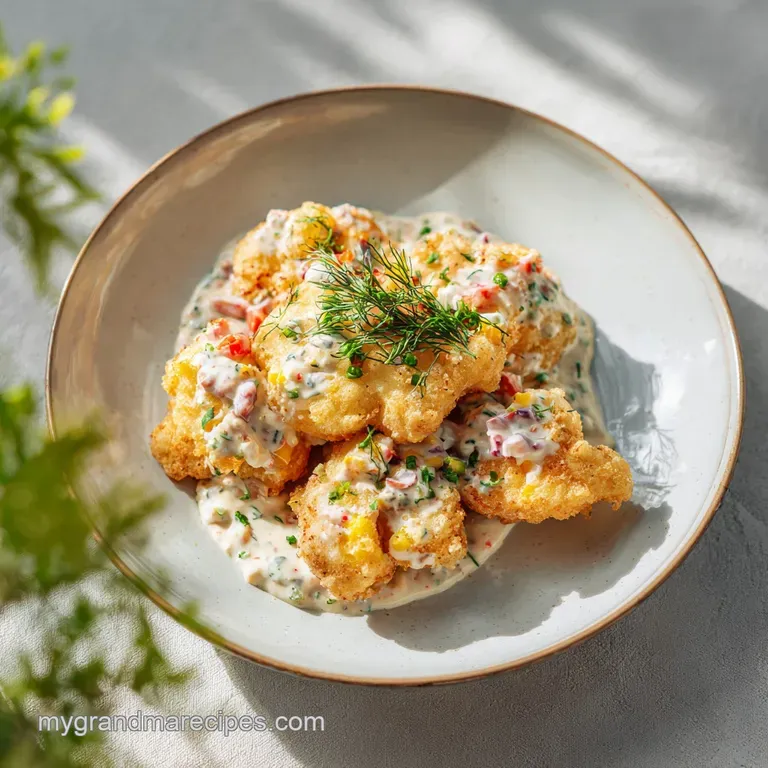
- Mince the dill pickles. Note: Aim for pieces about the size of a grain of rice for the best distribution.
- Chop the drained capers. Note: A rough chop is fine here; you want those little bursts of salt.
- Grate the shallot into a paste. Note: If you don't have a microplane, mince it as finely as humanly possible.
- Combine the mayonnaise and Dijon mustard in your bowl. Mix until the base is silky and uniform.
- Add the lemon juice and Worcestershire sauce. Whisk vigorously until the liquid is fully incorporated.
- Fold in the minced pickles, capers, and shallot paste. Note: Folding rather than whisking keeps the vegetable pieces intact.
- Add the fresh dill or parsley and black pepper. Stir gently until the green flecks are evenly spread.
- Taste the sauce with a clean spoon. Note: This is when you decide if it needs that extra pinch of salt.
- Cover the bowl tightly with plastic wrap. Chill for at least 30 minutes to let the flavors marry.
Preparation Method Comparison
| Method | Time | Texture | Best For |
|---|---|---|---|
| Hand Chopped | 5 minutes | Chunky and distinct | Traditional fish and chips |
| Food Processor | 1 minute | Smooth and aerated | Spreads for sandwiches |
| Mortar & Pestle | 8 minutes | Paste like and intense | Dip for grilled vegetables |
While the food processor is faster, the hand chopped method is the only way to get that authentic "shatter" of the pickle against the creamy mayo. If you are in a rush, just pulse the processor carefully don't let it run, or you'll end up with a watery mess that won't stay on your fork. For a different but equally tangy experience, you might see similarities in how we balance acids in our Huli Huli Chicken recipe.
Avoiding Common Kitchen Mistakes for a Better Texture
The biggest enemy of a good tartar sauce recipe is excess moisture. If your pickles are dripping with brine when you chop them, that liquid will eventually separate from the mayonnaise, leaving a puddle at the bottom of your serving bowl.
Always pat your pickles and capers dry with a paper towel before they hit the cutting board.
Why Your Sauce Might Be Thin
The most common cause of a runny sauce is the ratio of acid to fat. If you add too much lemon juice too quickly, it can break the emulsion of the mayonnaise. Also, be wary of "low-fat" mayo; it often contains more water and thickeners that don't hold up well when you start adding fresh vegetables and citrus.
| Problem | Root Cause | Solution |
|---|---|---|
| Watery Sauce | Wet pickles or capers | Pat vegetables dry and let the sauce chill to set. |
| Overpowering Onion | Shallot pieces too large | Use a microplane to create a paste or soak minces in cold water. |
| Too Salty | Caper brine included | Rinse capers before chopping and hold back on the kosher salt. |
Common Mistakes Checklist
- ✓ Always pat the pickles and capers completely dry before mincing (prevents a watery sauce).
- ✓ Use fresh lemon juice instead of the plastic bottle version (provides a cleaner brightness).
- ✓ Let the sauce sit in the fridge for at least 30 minutes before serving (allows flavors to develop).
- ✓ Grate the shallot rather than dicing it (prevents harsh, crunchy onion bites).
- ✓ Whisk the mustard into the mayo first (creates a more stable base for the other ingredients).
Another thing to watch out for is the herb selection. While parsley is classic, dill is what gives that nostalgic, old-fashioned flavor. If you use both, make sure they are bone dry before chopping, or they will turn into a dark green paste rather than beautiful, distinct flecks throughout the sauce.
Creative Flavor Variations for Every Type of Seafood
Once you have the base down, you can start playing with the profile to match whatever you are serving. If I'm doing a spicy fried shrimp, I might lean into a remoulade style by adding a teaspoon of smoked paprika and a dash of hot sauce. The beauty of this sauce recipe is how adaptable it is to your specific cravings.
- The Spicy Kick: Add 1 tsp of horseradish or a splash of Tabasco for a sauce that bites back.
- Mediterranean Twist: Swap the dill for oregano and add a teaspoon of finely minced kalamata olives.
- Keto Friendly: Ensure your mayonnaise has zero added sugar and use a sugar-free pickle brand.
- Vegan Option: Use a high-quality avocado oil based vegan mayo; the lemon and capers will hide the slight flavor difference.
Serving Size Calculator
| Servings | Mayonnaise | Pickles | Lemon Juice |
|---|---|---|---|
| 4 People | 1/2 cup | 1/4 cup | 1.5 tsp |
| 8 People | 1 cup | 1/2 cup | 1 tbsp |
| 16 People | 2 cups | 1 cup | 2 tbsp |
If you are scaling this up for a big party, remember that the "punchy" ingredients like shallots and Worcestershire sauce can become overwhelming if you simply double them. I usually start with 1.5x the amount for those specific items and taste as I go.
It's much easier to add more than it is to fix a sauce that tastes like a raw onion.
Proper Storage Guidelines to Keep Your Sauce Fresh
Because of the high fat content in the mayonnaise and the acidity of the lemon and pickles, this sauce stays fresh quite well. However, it is not something you want to leave sitting out on a sunny picnic table for hours. Treat it like any dairy based condiment and keep it cold until the moment you are ready to eat.
- Fridge Storage: Keep in an airtight container for up to 5 days. The flavors actually peak on day two.
- Freezer Warning: Never freeze tartar sauce. The emulsion will break when it thaws, leaving you with a curdled, oily mess that is impossible to fix.
- Zero Waste Tip: If you have leftover sauce, use it as a dressing for a cold potato salad or as a tangy spread for a turkey club sandwich. It's also incredible dolloped onto a baked potato!
Common Myths Debunked
"You must use relish for the best texture." This is a myth; relish is often far too sweet and contains stabilizers that change the mouthfeel. Hand minced dill pickles provide a much cleaner, sharper crunch. "Tartar sauce is only for fish." False!
It’s an incredible dip for roasted cauliflower or crispy smashed potatoes, providing a hit of acid that balances earthy vegetables.
The Best Serving Suggestions for Your Homemade Sauce
While the classic pairing is obviously fish and chips, don't limit yourself. The velvety texture of this sauce makes it a perfect companion for anything fried or roasted. I love serving it in individual ramekins so everyone can dip to their heart's content without the "double dipping" drama.
If you are putting together a full seafood boil, this sauce provides the necessary fat to balance out spicy corn and potatoes. It also acts as a cooling agent if you’ve gone heavy on the old bay seasoning. For a lighter meal, try it alongside grilled salmon or even as a dip for fresh cucumber spears.
- Classic Fish Fry: Serve cold alongside hot, crispy beer battered cod.
- Crab Cake Topper: A small dollop on a warm crab cake adds the perfect briny finish.
- The Ultimate Po' Boy: Slather it generously on a toasted baguette before piling on fried oysters or shrimp.
- Veggie Dip: Use it for fried green tomatoes or even just fresh celery sticks for a low carb snack.
No matter how you serve it, the key is the temperature contrast. That hit of ice cold, tangy sauce against a piece of fish that is still sizzling from the pan is one of those simple kitchen joys that never gets old. It takes me right back to Grandma's kitchen every single time.
Recipe FAQs
What ingredients go in tartar sauce?
Mayonnaise, finely minced dill pickles, capers, shallot, fresh lemon juice, and fresh herbs are essential. The combination creates the signature creamy, sharp, and briny profile defining this classic condiment.
What's the secret to the best tartar sauce?
The secret is using hand minced aromatics instead of jarred relish. Finely chopping your pickles and grating the shallot into a paste ensures a superior texture with distinct flavor bursts, which you can practice controlling when working with similar bases in recipes like the Creamy Ground Beef recipe.
How to make Gordon Ramsay's tartar sauce?
Mince your capers, pickles, and shallots very finely, ensuring the shallot is almost a paste. Whisk the mayonnaise vigorously with Dijon mustard, Worcestershire sauce, and fresh lemon juice before folding in the solids and fresh dill or parsley.
How to make tartar sauce with Martha Stewart's technique?
Start by patting all your chopped vegetables dry thoroughly to prevent the sauce from weeping. Ensure your base mayonnaise is at room temperature before slowly whisking in the acidic components, like lemon juice, to maintain a stable emulsion.
Can I make tartar sauce ahead of time?
Yes, chilling for 30 minutes to 24 hours is recommended. This allows the flavors from the capers and shallots to fully marry into the rich mayonnaise base, deepening the overall taste profile significantly.
Is it true I must use a food processor for quick mixing?
No, this is a common misconception. Using a food processor risks over processing the pickles into a watery, textureless mush; a sharp knife and a fork provide better control over the desired chunky texture.
What can I use instead of a shallot for a milder taste?
Use the white parts of a scallion, minced extremely fine. This provides a similar subtle onion bite without the sharp pungency of a larger piece of raw onion; it's a great substitution when making large batches, similar to scaling sides for a gathering like when preparing the Better Than Jim recipe.
5 Minute Tartar Sauce Recipe

Ingredients:
Instructions:
Nutrition Facts:
| Calories | 176 kcal |
|---|---|
| Protein | 0.4 g |
| Fat | 18.2 g |
| Carbs | 1.6 g |
| Fiber | 0.3 g |
| Sugar | 0.8 g |
| Sodium | 312 mg |
