Velvety Deviled Eggs Recipe
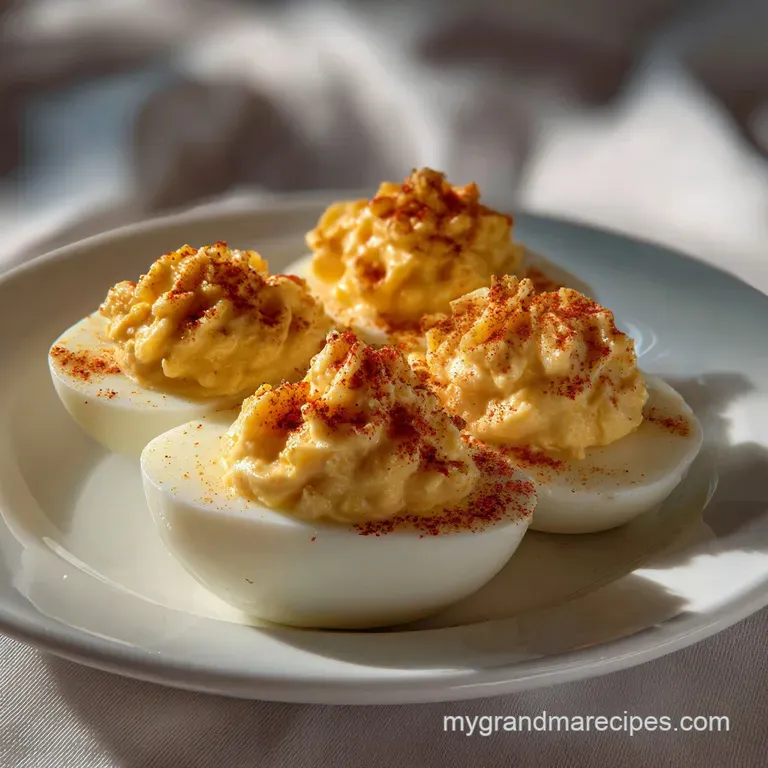
- Effort/Time: 27 minutes total (Low-effort, high-impact)
- Flavor Hook: Tangy Dijon meets a buttery yolk emulsion with a smoky finish for the perfect deviled eggs recipe.
- Perfect for: budget-friendly potlucks, holiday appetizers, and high-protein snacking with this deviled eggs recipe.
- Mastering the Physics of the Perfect Deviled Eggs Recipe
- Essential Metrics for Achieving Consistent Culinary Results
- The Thrift-Wise Pantry: Selecting Affordable Quality Elements
- Hand-Me-Down Tools for a Professional Finish
- The 27 Minute Timeline: A Step-by-Step Execution
- Resolving Structural Flaws and Emulsion Breakdowns
- ⚗️ The Scaling Lab: The Physics of Quantity
- Frugal Flavor Variations for the Modern Table
- Preserving Texture and Freshness for Make-Ahead Success
- Pairing Strategies for This Old-Fashioned Comfort Classic
- Common Myths About Eggs
- Zero Waste Philosophy in the Kitchen
- Recipe FAQs
- 📝 Recipe Card
Feeding a crowd on a Sunday afternoon in Tennessee usually meant two things: a cold pitcher of tea and a platter of these yellow bellied beauties. We have all stood over a sink, frustrated by eggshells that cling like stubborn glue, tearing the delicate whites into a ragged mess.
It is a common kitchen heartbreak that turns a simple appetizer into a chore, but my grandma’s kitchen taught me that a little bit of science and a lot of patience fixes everything when making a deviled eggs recipe.
This deviled eggs recipe solves the age-old problem of the "rubber egg" by focusing on gentle heat and immediate cooling. I remember watching my grandmother carefully lower her eggs into the pot with a slotted spoon, whispering about how "old eggs peel better than fresh." She was right, of course, but even if you just grabbed a carton from the store this morning, our distilled vinegar trick ensures a supple, smooth exterior that looks as good as it tastes in this classic deviled eggs recipe.
We are taking the classic approach and making it smarter by swapping half the heavy mayo for Greek yogurt. This not only keeps the cost down but provides a sharp, bright acidity that cuts right through the richness of the yolk.
It creates a velvety texture that stays firm on the plate instead of weeping or sagging in the heat of a summer picnic. Let's get the water boiling and show you how a few humble ingredients can create something truly iconic in this deviled eggs recipe.
Mastering the Physics of the Perfect Deviled Eggs Recipe
A successful deviled eggs recipe relies on the delicate balance of heat and pH levels to ensure the albumen (the white) doesn't bond to the inner shell membrane. When we add Distilled White Vinegar to the boiling water, we are slightly increasing the acidity of the water, which helps set the egg whites more quickly and prevents them from leaking if a shell happens to crack.
This thermal shock method creates a clean separation, allowing the shell to shatter and slip off in large, satisfying pieces, which is key to a successful deviled eggs recipe.
- Protein Denaturation Control: Gentle simmering at 12 minutes ensures the yolks reach a creamy, pale gold stage without the gritty, sulfuric green ring caused by overcooking.
- The Emulsion Pivot: Combining Avocado Oil Mayonnaise with Plain Non-Fat Greek Yogurt creates a stable emulsion where the fats and proteins interlock, resulting in a filling that feels buttery but remains light on the palate, a feature we aim for in every deviled eggs recipe.
- Osmotic Pressure Management: Adding Maldon Sea Salt Flakes only at the very end prevents the filling from drawing out moisture and becoming runny while sitting in the fridge after preparing this deviled eggs recipe.
Essential Metrics for Achieving Consistent Culinary Results
To ensure your deviled eggs recipe turns out exactly like the photos, you must adhere to these specific time and temperature checkpoints. In the world of egg cookery, thirty seconds is the difference between a jammy center and a dry, chalky yolk.
We use a 12 minute simmer followed by a mandatory 10 minute ice bath to halt all internal carryover cooking for this specific deviled eggs recipe.
| Metric | Target Value | Why It Matters |
|---|---|---|
| Water Temperature | 212°F (Full Boil) | Provides the initial thermal shock needed to detach the membrane. |
| Simmer Time | 12 minutes | Precisely cooks the yolk to a firm but creamy state without sulfur buildup. |
| Ice Bath Duration | 10 minutes | Rapidly contracts the egg inside the shell, making peeling effortless. |
| Filling Temperature | 40°F (Chilled) | Allows the fats in the mayo and yogurt to set, providing structural integrity for piping. |
The Thrift Wise Pantry: Selecting Affordable Quality Elements
When you are looking to save a few dollars without sacrificing the soul of the dish, look toward high protein fillers like Greek yogurt. This eggs recipe uses it to replace expensive, high fat spreads while actually improving the nutritional profile. I always suggest buying the large tubs of Plain Non-Fat Greek Yogurt; it’s a budget friendly staple that serves as a base for many sauces, much like the creamy elements used in a classic Coleslaw Recipe That holds its crunch.
Ingredient Chemistry Breakdown
| Ingredient | Chemical/Physical Role (Science) | The Pro Secret (Why This Matters) |
|---|---|---|
| Large Eggs | Protein denaturation and lipid rich yolk base | Use eggs 7 10 days old; the higher pH makes the shell easier to remove. |
| Distilled White Vinegar | Acidifies cooking water | Strengthens the egg white proteins instantly upon contact with heat. |
| Dijon Mustard | Natural emulsifier containing mucilage | Bonds the fats in the mayo and yogurt together for a non-breaking filling. |
| Avocado Oil Mayonnaise | Stable fat source with high monounsaturated fats | Provides the classic mouthfeel without the inflammatory oils found in cheap alternatives. |
- 6 Large Pasture Raised Eggs: Why this? Pasture raised yolks have higher lecithin content, creating a superior, gold colored emulsion for your deviled eggs recipe.
- 2 tbsp Plain Non-Fat Greek Yogurt: Why this? Adds lactic acid tang and stabilizes the filling structure without excess oil.
- 1 tsp Dijon Mustard: Why this? Contains vinegar and mustard flour which act as surfactants to prevent filling separation.
- 1 tsp fresh chives: Mince these as finely as possible to avoid clogging your piping tip while adding a delicate onion fragrance.
Hand-Me-Down Tools for a Professional Finish
You don't need a fancy egg cooker to master this this recipe. A simple Lodge Cast Iron 3 quart Dutch Oven or a stainless steel pot is all you need. The heavy bottom of a quality pot helps maintain a steady simmer even when you drop the cold eggs in. If you want that velvety, "melt-in-your mouth" texture, the real secret to a successful deviled eggs recipe is a fine mesh sieve. Pushing the yolks through the mesh breaks down every tiny lump, a technique often used for the fine crumbs in a Banana Bread Recipe or delicate pastries.
- Slotted Spoon: Necessary for gently lowering eggs into boiling water to prevent cracking against the bottom of the pot.
- Large Glass Bowl: Used for the ice bath; glass retains the cold better than plastic, ensuring the 2 cups of Ice Cubes don't melt too fast.
- Fine Mesh Sieve: For "ricing" the yolks; this is the difference between a "home style" egg and a professional appetizer when executing this deviled eggs recipe.
- Piping Bag or Zip-Top Bag: For a clean, architectural finish. If using a plastic bag, just snip the corner at a 45 degree angle.
The 27 Minute Timeline: A step-by-step Execution
- Boil water. Fill a medium pot with enough water to cover eggs by one inch.
- Add vinegar. Pour in 1 tbsp Distilled White Vinegar. Note: Acidifies the environment to set whites instantly.
- Lower eggs. Use a slotted spoon to gently place 6 Large Pasture Raised Eggs into the boiling water until the bubbling subsides briefly.
- Simmer steady. Reduce heat to a medium low simmer for 12 minutes until the shells look matte and opaque.
- Prepare ice bath. Combine 2 cups Ice Cubes with cold water in a bowl until the water feels painfully cold to the touch.
- Shock eggs. Transfer eggs to the ice bath for 10 minutes until the shells feel completely chilled.
- Peel carefully. Tap the egg on a hard surface and peel under a thin stream of cool water until the white is smooth and glossy.
- Halve and extract. Slice eggs lengthwise with a damp knife and pop yolks into a bowl until the white "cradles" are clean.
- Sieve yolks. Press yolks through a fine mesh sieve until they resemble light, fluffy yellow sand.
- Blend filling. Fold in Avocado Oil Mayonnaise, Greek Yogurt, Dijon Mustard, and Apple Cider Vinegaruntil the mixture is velvety and holds a peak.
- Pipe and finish. Fill egg whites and dust with Smoked Paprika, Chives, and Maldon Sea Salt Flakesuntil the colors pop vividly.
Resolving Structural Flaws and Emulsion Breakdowns
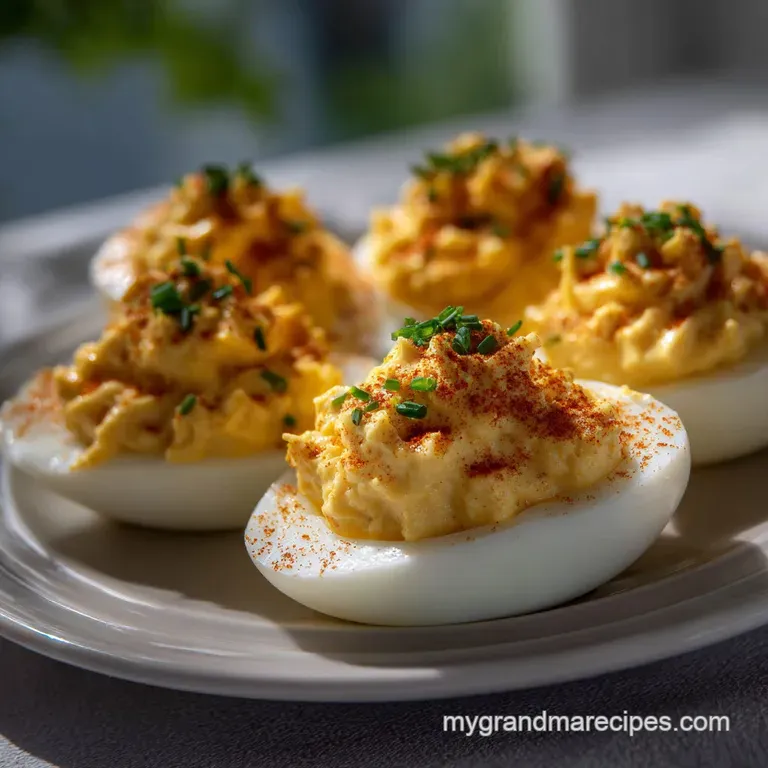
Even the most seasoned cook can run into trouble with a deviled eggs recipe. Usually, it comes down to temperature or ratios. If your filling looks like it's "sweating," it means the emulsion has broken or you added the salt too early.
Why Your Egg Filling is Runny
When the filling becomes watery, it is usually due to the osmotic pressure of the salt drawing moisture out of the Greek yogurt. If you mix the salt in too early and let it sit, the cell walls of the yogurt break down, releasing whey.
Always salt at the very last second when perfecting this deviled eggs recipe.
| Problem | Root Cause | The Fix | Pro Protocol |
|---|---|---|---|
| Green Ring on Yolk | Iron sulfur reaction from overcooking | Reduce simmer time to exactly 12 minutes. | Shock in ice water immediately. |
| Rubbery Whites | Boiling too vigorously | Keep water at a gentle simmer, not a rolling boil. | Use a heavy bottomed pot to stabilize heat. |
| Torn Whites | Egg was too fresh or water was too cold at start | Use eggs at least a week old and always start with boiling water. | Peel under running water to lubricate the membrane. |
Chef's Note: If your filling is already too runny, don't panic. You can thicken it by mashing in a small amount of extra fine breadcrumbs or an additional hard boiled yolk. It will stabilize the emulsion without changing the flavor profile significantly when attempting this deviled eggs recipe.
⚗️ The Scaling Lab: The Physics of Quantity
When you're making 24 or 48 eggs for a large gathering, the physics of the pot changes. You cannot simply double every variable when scaling this deviled eggs recipe.
- The Thermal Mass Effect: Adding 12 eggs to a pot of water drops the temperature much faster than adding 6. If you double the batch, increase your water volume by 50% to maintain the heat reservoir, or the eggs will "under cook" during that initial critical minute.
- Flavor Saturation: When doubling the Smoked Paprika or Dijon Mustard, only use 1.5x the amount first. Spices and acids can become overwhelming in large batches because they don't have as much "surface area" to dissipate.
- The Evaporation Paradox: If you are making a massive batch of filling in a wide bowl, the Apple Cider Vinegar will evaporate faster. Keep the filling covered with plastic wrap pressed directly onto the surface to prevent a "skin" from forming on your deviled eggs recipe.
- Carry Over Heat: A large bowl of 24 warm yolks will stay warm for a long time. Spread them out on a baking sheet to cool rapidly before mixing with the mayo and yogurt, or the heat will melt the fats and break your emulsion.
Frugal Flavor Variations for the Modern Table
The beauty of a budget smart deviled eggs recipe is that it's a canvas for whatever you have in the pantry. You don't need truffles or caviar to make these feel special.
- The "Everything" Version: Top with toasted sesame seeds, dried garlic, and onion flakes. It adds a "shatter" texture that contrasts beautifully with the velvety yolk.
- The Southern Heat: Fold in a teaspoon of chopped pickled jalapeños or a dash of hot sauce. The vinegar in the pickles complements the Apple Cider Vinegar already in the recipe.
- Mediterranean Upgrade: Swap the chives for dried oregano and top with a tiny piece of sun-dried tomato. This works exceptionally well with the tang of the Greek Yogurt.
| Original Ingredient | Substitute | Why It Works |
|---|---|---|
| Avocado Oil Mayonnaise | Standard Canola Mayo | Lower cost, same fat content. Note: Slightly sweeter profile. |
| Dijon Mustard | Yellow Mustard | More "vinegary" punch and brighter yellow color. |
| Fresh Chives | Green Onion Tops | Provides a similar bite at a lower price point. |
Preserving Texture and Freshness for make-ahead Success
Yes, you can make this deviled eggs recipe up to 2 days in advance, but you must store the components separately. If you pipe the filling into the whites and leave them in the fridge, the whites will eventually become rubbery and the filling will dry out, diminishing the quality of your beautiful deviled eggs recipe.
- The Pro Storage Method: Place the cleaned egg white "shells" in a container with a damp paper towel. Store the filling in a sealed piping bag or a zip-top bag with the air squeezed out.
- Reheating/Serving: Never reheat a deviled egg. Serve them directly from the fridge. If they have been sitting out for more than 2 hours at a party, discard them for safety.
- Freezing: Do not freeze. The cellular structure of the egg white collapses when frozen, resulting in a watery, spongy mess that is inedible.
Pairing Strategies for This Old-Fashioned Comfort Classic
In my grandma’s kitchen, deviled eggs were never a lonely dish. They are the perfect high protein partner for heavier soul foods. The acidity in this eggs recipe acts as a palate cleanser, making it the ideal sidekick for a Fried Chicken Recipe that features a succulent brine and crispy skin. The crunch of the chicken against the velvety yolk is a textural match made in heaven when serving your deviled eggs recipe.
If you are setting up a full spread, consider the balance of sugar and salt. These eggs are quite savory and tangy, so they pair beautifully with a slightly sweet side. I love serving them alongside a moist loaf from my favorite Banana Bread Recipe for a brunch menu. The contrast between the warm, nutty bread and the cold, sharp egg is exactly what "generational comfort" feels like on a plate when you serve this crowd pleasing deviled eggs recipe.
Common Myths About Eggs
- Myth: Fresh from-the-farm eggs are best for deviling.
- Truth: Fresh eggs have a lower pH, which causes the membrane to stick tightly to the shell. For easy peeling, use eggs that are 7 14 days old.
- Myth: You must start eggs in cold water.
- Truth: Starting eggs in boiling water (the "hot start" method) creates a better thermal shock, leading to much easier peeling for this style of deviled eggs recipe.
Zero Waste Philosophy in the Kitchen
Don't discard those eggshells! Transform: Crush them into a fine powder and add them to your garden soil or compost. Science: Eggshells are nearly 95% calcium carbonate, providing a slow release mineral boost for your tomato plants and preventing blossom end rot.
If you have leftover filling but ran out of egg whites, use it as a spread for toast or a dollop on a salad. The emulsion of Avocado Oil Mayonnaise and Greek Yogurt is essentially a high protein "egg salad" concentrate that shouldn't go to waste when following a comprehensive deviled eggs recipe.

Recipe FAQs
How long should the eggs simmer for the perfect yolk?
Must I use vinegar in the boiling water?
- Use 1 tablespoon per quart of water
- Strengthens albumen upon contact
- Helps prevent white leakage if shells crack
May I substitute Greek yogurt for all the mayonnaise?
Is it better to use fresh eggs or slightly older eggs?
Can I mash the yolks with a fork for a rustic texture?
Myth: You should mix salt into the yolks before chilling.
What temperature must the eggs reach to avoid the green ring?
Velvety Deviled Eggs Recipe
Ingredients:
Instructions:
Nutrition Facts:
| Calories | 53 kcal |
|---|---|
| Protein | 3.4 g |
| Fat | 4.1 g |
| Carbs | 0.3 g |
| Fiber | 0 g |
| Sugar | 0.2 g |
| Sodium | 65 mg |
