Velvety Cream Cheese Frosting Recipe
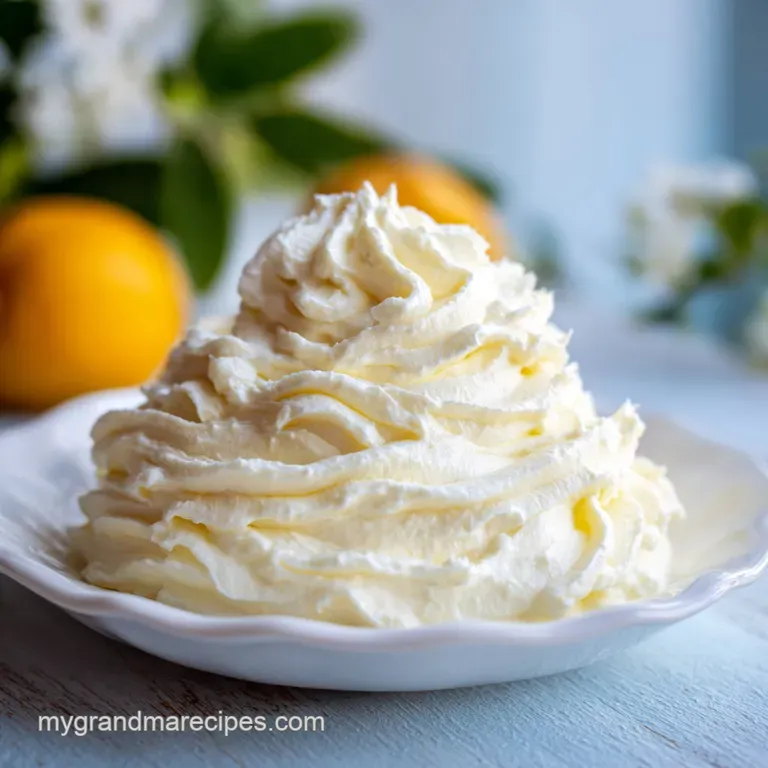
- Time: Active 10 minutes, Passive 0 minutes, Total 10 minutes
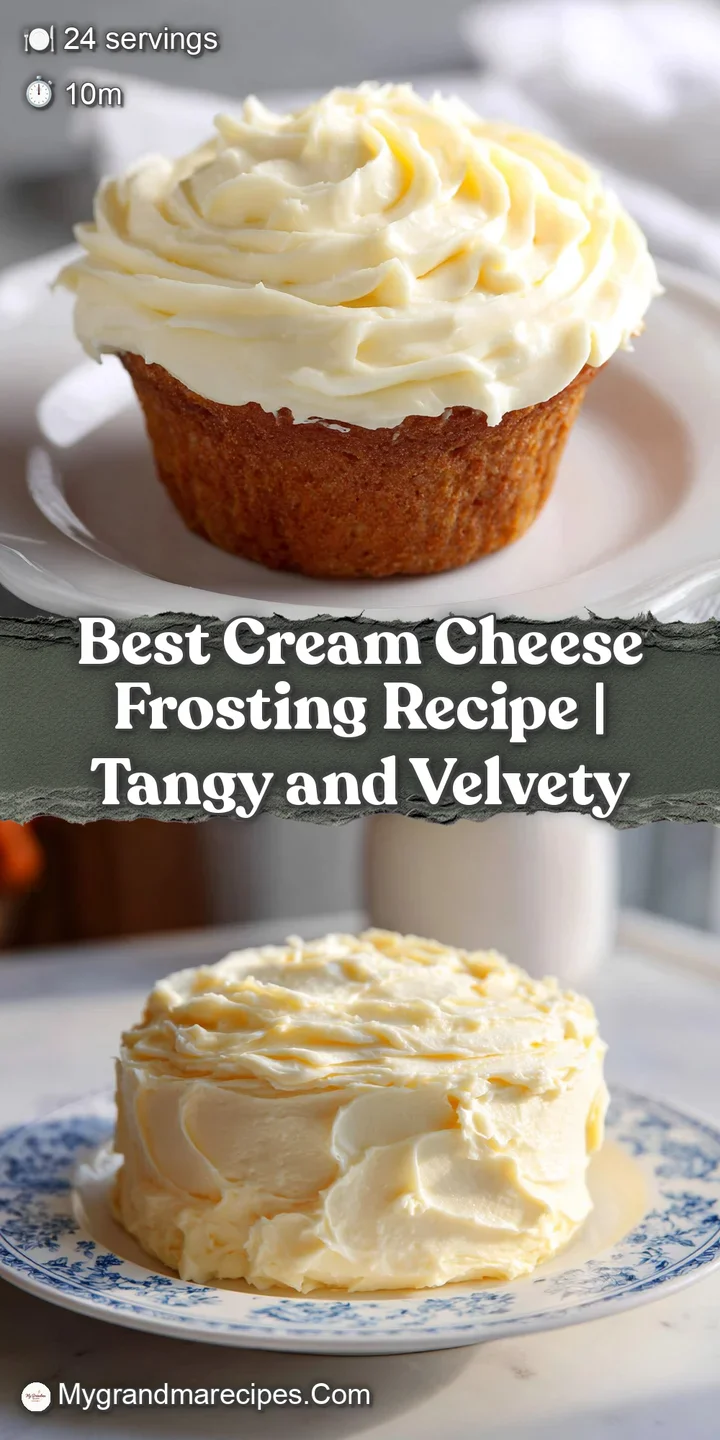
- Flavor/Texture Hook: Tangy, velvety, and sturdy enough for piping
- Perfect for: Carrot cakes, red velvet cupcakes, and holiday cinnamon rolls
- Master My Favorite Cream Cheese Frosting Recipe
- Why This Cream Cheese Frosting Works
- Component Analysis for Best Results
- Essential Pantry Staples and Substitutes
- Tools for a Silky Finish
- Step by Step Mixing Guide
- Solving Common Texture Mishaps
- Adjustment Guidelines for Batch Sizes
- Flavor Variations and Creative Twists
- Debunking Mixing Myths
- Safe Storage and Freezing Tips
- Professional Decorating and Piped Designs
- Cream Cheese Frosting FAQs
- 📝 Recipe Card
Master My Favorite Cream Cheese Frosting Recipe
The air in my grandma’s Tennessee kitchen always had a specific weight to it when she was baking. It wasn't just the warmth of the oven; it was that tangy, sweet sizzle of anticipation when she pulled a brick of silver wrapped cheese from the fridge.
I remember the rhythmic clinking of her old handheld mixer against a yellow stoneware bowl, a sound that meant a red velvet cake was about to be crowned with the thickest, most luscious coating imaginable.
We didn't use fancy gadgets or imported vanilla back then, but that frosting always felt like a luxury. It had a velvety silkiness that felt expensive, even though it was made from simple pantry staples.
I’ve spent years trying to replicate that exact texture, making plenty of mistakes along the way mostly by letting my ingredients get too warm or rushing the sugar.
Now, I've got it down to a science that even Grandma would approve of. This isn't just a sugary topping; it’s a balanced, structural component of your dessert. Whether you're coating a tiered cake or just looking for the best cream cheese frosting for cinnamon rolls, this method ensures it won't slide off the sides.
It’s sturdy, rich, and carries that signature tang we all crave.
Why This Cream Cheese Frosting Works
- Temperature Gradient: Using cool cream cheese against room temperature butter prevents the fat from over softening, which maintains a pipeable structure.
- Sugar Suspension: Sifting the confectioners' sugar removes clumps before they hit the fat, ensuring a velvety mouthfeel without over beating.
- Salt Modulation: Fine sea salt cuts through the high sugar content, highlighting the fermented tang of the cheese rather than just raw sweetness.
| Method | Time | Texture | Best For |
|---|---|---|---|
| Hand Mixer | 8 mins | Airy and light | Cupcakes and swirls |
| Stand Mixer | 5 mins | Dense and silky | Layer cakes and smoothing |
| Food Processor | 3 mins | Ultra thick | Filling for sandwiches |
This mixing approach is quite similar to how we balance fats in a rich Cream Cheese Pound recipe. The goal is always to incorporate air without losing the structural integrity of the dairy.
Component Analysis for Best Results
| Ingredient | Science Role | Pro Secret |
|---|---|---|
| Cream Cheese | Provides structure and acidity | Use full fat bricks, never the tub variety |
| Unsalted Butter | Adds stability and richness | Soften to 65°F (18°C) for ideal creaming |
| Confectioners' Sugar | Sweetens and thickens | Always sift to prevent "gritty" frosting |
Essential Pantry Staples and Substitutes
- 8 oz full fat brick cream cheese, slightly chilled: Why this? Brick cheese has less moisture than tubs, preventing a runny mess. (Sub: Mascarpone for a milder, creamier flavor)
- 1/2 cup unsalted butter, softened but cool (65°F/18°C): Why this? Control over salt levels allows the cheese flavor to shine. (Sub: Salted butter just omit the extra sea salt)
- 4 cups confectioners' sugar, sifted: Why this? Provides the "body" of the frosting and a smooth finish. (Sub: Powdered erythritol for a lower sugar version)
- 1 tbsp pure vanilla extract: Why this? Adds a floral depth that rounds out the tang. (Sub: Vanilla bean paste for those beautiful black flecks)
- 1/4 tsp fine sea salt: Why this? Essential for balancing the 4 cups of sugar. (Sub: Table salt, but use slightly less)
- 1 tbsp heavy cream: Why this? Thins the mixture just enough for a spreadable consistency. (Sub: Whole milk or sour cream for extra tang)
Tools for a Silky Finish
You don't need a professional kitchen, but a few specific tools make this easy cream cheese frosting recipe much more manageable. I prefer a stand mixer with a paddle attachment because it doesn't whip too much air into the cheese too many bubbles can make it hard to smooth onto a cake.
If you’re using a handheld mixer, use a deep bowl to prevent a "sugar cloud" from covering your counters.
A sturdy silicone spatula is also non negotiable. You’ll need to scrape the bottom of the bowl frequently to ensure no lumps of unmixed butter are hiding at the base. Finally, a fine mesh sieve is your best friend here.
Even "pre sifted" sugar can clump in the pantry, and those tiny rocks are nearly impossible to beat out once they're coated in fat.
step-by-step Mixing Guide
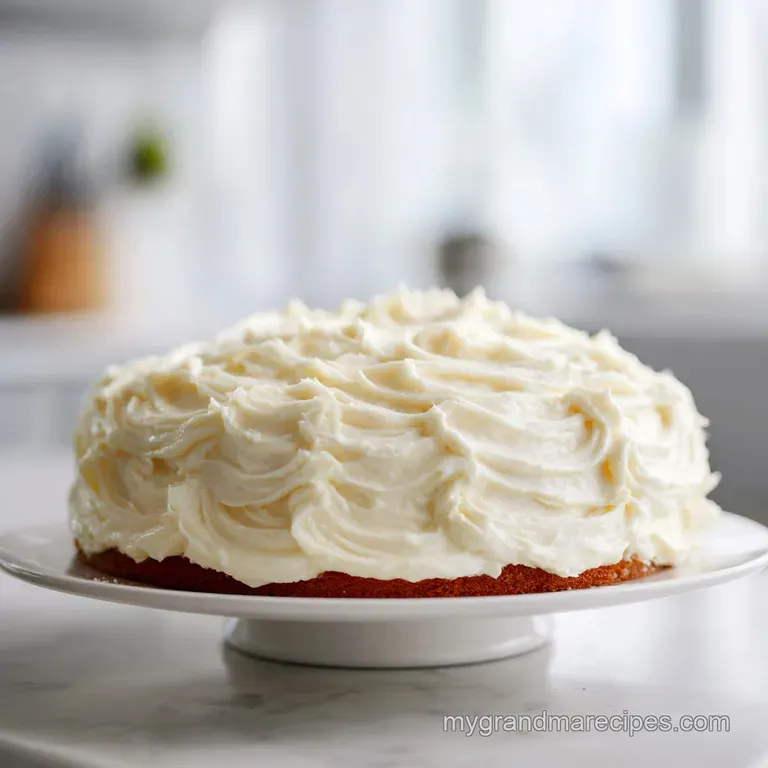
- Prepare the fats. Take your 1/2 cup butter out of the fridge 30 minutes before starting. Note: It should be cool to the touch but leave an indent when pressed.
- Cream the butter. Beat the butter alone for 2 minutes until pale and shimmering.
- Add the cheese. Incorporate the 8 oz slightly chilled cream cheese in three batches. Note: Cold cheese prevents the butter from melting during high speed mixing.
- Sift the sugar. Pass the 4 cups of confectioners' sugar through a sieve into a separate bowl.
- Slow incorporation. Add the sugar one cup at a time on the lowest speed until the white clouds disappear.
- Flavor addition. Pour in 1 tbsp vanilla extract and 1/4 tsp fine sea salt.
- Adjust consistency. Add 1 tbsp heavy cream and whip on medium high for 1 minute until velvety and stiff peaks form.
- Final scrape. Use a spatula to fold the mixture by hand for 30 seconds until all air bubbles are gone.
Chef's Tip: If your kitchen is hot, pop the mixing bowl in the freezer for 5 minutes before you start. A cold bowl acts as insurance against the frosting breaking or becoming "soupy" while you work.
Solving Common Texture Mishaps
Solution for Soupy Frosting
If your frosting looks more like a glaze, the fat has likely reached its melting point. This usually happens if the butter was too soft or the room is too warm. Don't keep adding sugar that only makes it heavier and sweeter.
Instead, put the whole bowl in the fridge for 20 minutes, then re whip.
Eliminating Tiny Lumps
Lumps usually come from cold butter or unsifted sugar. If you see them, you can try to beat them out, but be careful not to overwork the cheese, or it will lose its structure.
| Problem | Root Cause | Solution |
|---|---|---|
| Runny texture | Over softened butter | Chill for 30 mins and re whip |
| Gritty mouthfeel | Unsifted sugar | Pass through a fine sieve next time |
| Yellow tint | Over beating butter | Add a tiny drop of purple food dye to neutralize |
Just like the creamy base of a Homemade Mac and recipe, the secret to smoothness is controlled heat. If the dairy gets too hot, the emulsion breaks, and you lose that "melt on-the tongue" quality.
Common Mistakes Checklist - ✓ Always use the "brick" style cheese, not the spreadable tubs. - ✓ Sift your sugar even if the bag says it is "clump free." - ✓ Stop the mixer immediately once the ingredients are combined to avoid over aeration.
- ✓ Use "slightly chilled" cream cheese to balance the room temperature butter. - ✓ Add the heavy cream last, only if the mixture is too stiff for your needs.
Adjustment Guidelines for Batch Sizes
When scaling down for a small batch of 6 cupcakes, use 1/4 of the ingredients and a small bowl to ensure the beaters can actually reach the mixture. If you're scaling up for a wedding cake (4x the recipe), reduce the heavy cream slightly.
The weight of a large batch of frosting can cause it to soften faster, so you want it as stiff as possible.
| Premium Option | Budget Alternative | Flavor Impact | Savings |
|---|---|---|---|
| Vanilla Bean Paste | Imitation Vanilla | Less "gourmet" look | Save $15 |
| European Butter | Store Brand Butter | Slightly less creamy | Save $4 |
| Organic Sugar | Standard Powdered Sugar | No noticeable difference | Save $2 |
Flavor Variations and Creative Twists
- The Maple Twist: Swap the vanilla for maple extract and add 1 tbsp of dark maple syrup. This is the ultimate cream cheese frosting for carrot cake.
- Citrus Brightener: Fold in the zest of one lemon and 1 tsp of fresh juice. It cuts the richness beautifully.
- Chocolate Dream: Sift 1/2 cup of high-quality cocoa powder in with the sugar. It creates a deep, fudgy version of this frosting recipe.
Debunking Mixing Myths
"You must have all ingredients at room temperature." Actually, this is a recipe for disaster with cheese frosting. Because cream cheese has a higher water content than butter, keeping it slightly cool helps it "grip" the butter and sugar, creating a more stable structure that won't weep.
"More sugar makes it stiffer." While sugar adds bulk, it also draws moisture out of the cheese through osmosis. If you add too much, the frosting can actually become runny after an hour. It’s better to use a little less sugar and chill the frosting to get the right consistency.
Safe Storage and Freezing Tips
Storage: Keep this homemade cream cheese frosting recipe in an airtight container in the fridge for up to 5 days. Because it contains high amounts of dairy, it shouldn't sit out at room temperature for more than 2 hours.
Freezing: This frosts beautifully even after being frozen. Store it in a freezer safe bag for up to 3 months. To use, thaw it overnight in the fridge and give it a quick whip with a hand mixer to restore the fluffy texture.
Zero Waste: If you have leftover frosting, use it as a dip for Graham crackers or fruit. You can also sandwich it between two cookies for an instant "whoopie pie" treat.
Professional Decorating and Piped Designs
For the best results when piping, look for "stiff peaks" in your bowl. If you want those sharp, defined edges on your cupcakes, the frosting needs to be cool. If your hands are warm, the heat will transfer through the piping bag and soften the frosting.
I often wrap my piping bag in a cold, damp paper towel to keep things steady.
If you are using this as a cream cheese frosting for red velvet cake, try the "crumb coat" method. Apply a very thin layer first to seal in the red crumbs, chill the cake for 30 minutes, and then apply the final thick, velvety layer.
This ensures a pristine, snow white finish that looks like it came straight from a bakery window.
If you want X, do Y: - If you want extra white frosting, add a tiny toothpick tip of violet gel coloring to cancel out the yellow butter tones. - If you want extra tangy flavor, swap the heavy cream for a tablespoon of full fat Greek yogurt.
- If you want sharp piping edges, omit the heavy cream entirely to keep the frosting as stiff as possible.
Cream Cheese Frosting FAQs
What are the ingredients for cream cheese frosting?
Full fat cream cheese, unsalted butter, confectioners' sugar, vanilla extract, and salt are the core components. Always use brick style cream cheese and ensure the butter is softened but still cool to maintain structure.
What are some common cream cheese frosting mistakes?
Using cream cheese that is too warm or too soft is the most common error, leading to a runny, soupy texture. Another frequent mistake is not sifting the powdered sugar, which leaves gritty lumps in the finished product.
How to get fluffy cream cheese icing?
Cream the butter first until pale and shimmering, then incorporate the slightly chilled cream cheese slowly. Avoid over beating once the sugar is added, as this incorporates too many large air bubbles that collapse quickly upon cooling.
What's the difference between cream cheese frosting and icing?
Frosting is significantly thicker and designed to hold its shape for piping or coating cakes. Icing, typically thinner, is usually just sugar, liquid, and flavoring, poured or drizzled, similar to the thin glaze used on our Vanilla Cream Cakes recipe.
Can I make cream cheese frosting ahead of time?
Yes, you can prepare it up to five days in advance. Store it tightly covered in the refrigerator, but remember to let it soften slightly at room temperature before using and re-whip it briefly to restore the proper consistency.
My frosting is too stiff; how should I thin it down?
Add heavy cream or whole milk, one teaspoon at a time, while mixing on low speed. Be patient, as too much liquid will ruin the stability; if you master the stable emulsion here, that principle applies well when working with high fat doughs like in the Gooey Butter Cake recipe.
Is using low-fat cream cheese acceptable for this recipe?
No, stick with full fat bricks for the best results. low-fat cheese contains substantially more water, which guarantees a loose, unstable frosting that will not hold its shape, regardless of how much sugar you add.
Velvety Cream Cheese Frosting
Ingredients:
Instructions:
Nutrition Facts:
| Calories | 151 kcal |
|---|---|
| Protein | 0.6 g |
| Fat | 7.2 g |
| Carbs | 21.3 g |
| Fiber | 0 g |
| Sugar | 21.2 g |
| Sodium | 54 mg |
