Roasted Potatoes: Shattering Crisp Exterior
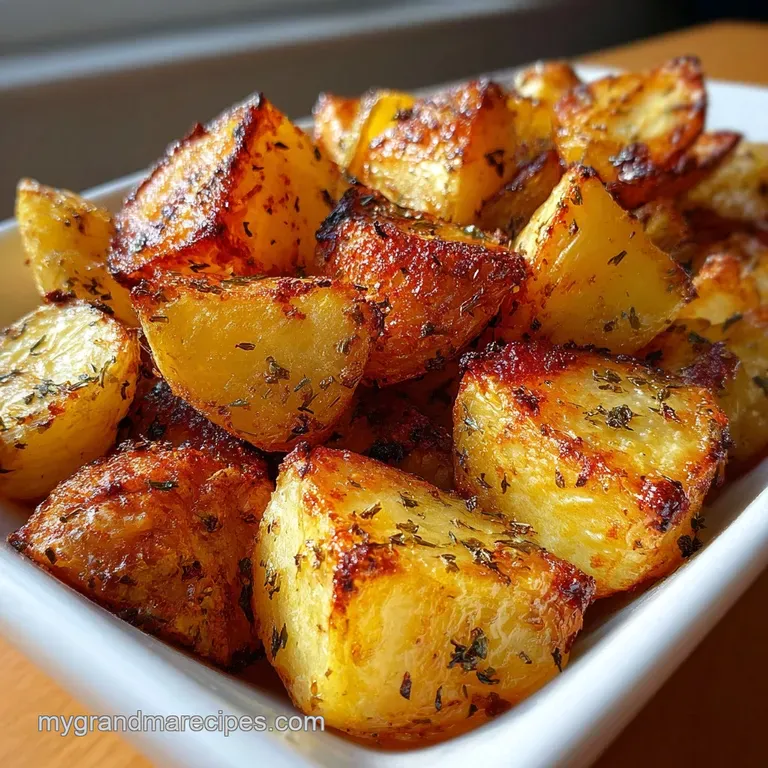
- Time: Active 15 minutes, Passive 50 minutes, Total 1 hour 5 mins
- Flavor/Texture Hook: Shattering crisp exterior with a buttery, velvety interior
- Perfect for: Sunday roasts or a cozy weeknight side dish
- Mastering the Crunch of Roasted Potatoes
- The Science of the Shatter
- Component Analysis for Best Spuds
- Essential Ingredients and Smart Substitutes
- Minimal Tools for Maximum Results
- Easy Steps to Golden Spuds
- Fixes for Common Texture Issues
- Simple Ways to Adapt Flavor
- Guidelines for Scaling Your Batch
- Debunking Popular Kitchen Roasting Myths
- Storage and Zero Waste Strategies
- Perfect Complements for Your Roast
- Recipe FAQs
- 📝 Recipe Card
Mastering the Crunch of Roasted Potatoes
Ever walked into a kitchen and heard that specific "crack" when a fork hits a golden spud? That sound is music to my ears. I remember my grandma standing over a cast iron pan in her Tennessee kitchen, shaking it just right until the potatoes looked almost fuzzy before they even hit the oven.
She didn't have fancy gadgets, just a wooden spoon and a feel for when the starch was ready to transform.
I've spent years trying to replicate that exact sizzle, making every mistake from soggy centers to burnt garlic bits. What I found is that the best Roasted Potatoes aren't made by luck; they're made by treating the starch with a little bit of respect.
We're going for a texture that's so crispy it feels like it might shatter, paired with a center that melts away the moment you take a bite.
If you've been struggling with limp, oily wedges, you're in the right place. This isn't just another easy roasted potato recipe it's the method that actually works in a real home kitchen.
We're going to use basic pantry staples and a couple of old-fashioned tricks to get results that'll have your family picking the crispy bits off the pan before they even hit the table. Trust me, once you see how that baking soda works its magic, you'll never go back to the old way.
The Science of the Shatter
Alkaline Breakdown: Adding baking soda to the boiling water raises the pH level, which breaks down the potato's pectin more efficiently. This creates a thick layer of starchy "fuzz" on the surface that eventually dehydrates and crisps up into a massive surface area of crunch.
Starch Gelatinization: Parboiling the potatoes until the edges are soft allows the surface starches to swell and link together. When you toss them later, this gelatinized starch turns into a paste that roasts into a savory, golden crust.
Thermal Momentum: Preheating the oil on the baking sheet ensures that the moment the potatoes hit the pan, the moisture on the surface evaporates instantly. This prevents the spuds from sticking and jumpstarts the browning process.
| Method | Prep Time | Texture | Best For |
|---|---|---|---|
| Fresh Yukon/Russet | 15 minutes | Shattering crust, fluffy center | The ultimate Sunday dinner |
| Pre cut Bagged | 2 minutes | Uniform but often waxy/chewy | Emergency weeknight fuel |
| Frozen Shortcut | 0 minutes | Soft with mild crispness | Quick breakfasts or kids' meals |
Choosing fresh potatoes is always the way to go if you want that high end restaurant texture. Pre cut or frozen versions often lose their cellular integrity during processing, which means they won't "scuff" up as well during the tossing phase. If you're looking for something softer and quicker, you might enjoy a Creamy Mashed Potatoes recipe instead, but for crunch, fresh is king.
Component Analysis for Best Spuds
| Ingredient | Science Role | Pro Secret |
|---|---|---|
| Yukon Gold Potatoes | High sugar/starch balance | Choose these for a buttery flavor and golden color without needing extra butter |
| Baking Soda | Pectin weakener | Just a teaspoon creates the "fuzzy" exterior needed for maximum crunch |
| Extra Virgin Olive Oil | Heat conductor | Use a high-quality oil to carry the flavors of the herbs deep into the potato crust |
| Fresh Rosemary | Aromatic infusion | Add these in the last 10 minutes to prevent the needles from turning bitter and black |
The chemistry here is simple but powerful. By changing the environment of the boiling water, we change how the potato reacts to the dry heat of the oven. It's a fundamental shift from just "heating up" a vegetable to actually engineering a specific texture.
Essential Ingredients and Smart Substitutes
- 3 lbs Yukon Gold or Russet potatoes: Peeled and cut into 2 inch chunks. Why this? Yukon Golds offer a velvety texture, while Russets provide the ultimate fluffy interior.
- 1 tsp Baking soda: Added to the boiling water. Why this? Breaks down the surface pectin to create a starchy paste for roasting.
- 1/3 cup Extra virgin olive oil: For roasting and flavor. Why this? Provides the fat needed for the Maillard reaction to occur across the surface.
- 4 cloves Garlic: Smashed but kept whole. Why this? Infuses the oil with flavor without burning as easily as minced garlic.
- 2 sprigs Fresh rosemary or thyme: For earthiness. Why this? Traditional herbs that stand up well to high roasting temperatures.
- 1 tsp Kosher salt: For the roasting tray.
- 1/2 tsp Freshly cracked black pepper: For a bite of heat.
- 1/2 tsp Smoked paprika: For color and a hint of woodsmoke flavor.
- 1 tbsp Fresh parsley: Finely chopped for a bright finish.
| Original Ingredient | Substitute | Why It Works |
|---|---|---|
| Extra Virgin Olive Oil | Duck Fat or Beef Tallow | Higher smoke point and incredibly savory. Note: Adds a distinct meaty flavor. |
| Yukon Gold Potatoes | Red Potatoes | Waxy texture that holds shape well. Note: Won't get as fluffy inside as Yukons. |
| Fresh Rosemary | Dried Oregano | Provides a Mediterranean vibe. Note: Use half the amount as dried herbs are more potent. |
While you can swap the oils, I recommend sticking to the potato types mentioned. Waxy red potatoes are great for salads, but for oven-roasted potatoes, you need that starch. If you are serving these alongside a heavy main, like a Garlic Butter Chicken Recipe, the clean flavor of olive oil helps balance the plate perfectly.
Minimal Tools for Maximum Results
You don't need a kitchen full of gadgets to make the best roasted potato seasoning pop. A large pot for parboiling is essential, as you want the potatoes to have plenty of room to dance around in the water. This ensures they cook evenly and the baking soda reaches every nook and cranny.
A heavy duty rimmed baking sheet is your best friend here. Avoid thin pans that warp in high heat; they cause uneven oil distribution, leading to some potatoes being greasy while others are dry.
A solid wooden spoon or a sturdy spatula is all you need for the "scuffing" process, which is the most important step for that signature crunch.
Chef Tip: Preheat your baking sheet in the oven for at least 10 minutes before adding the oil and potatoes. This creates an immediate "sizzle" that prevents sticking and starts the crust formation instantly.
Easy Steps to Golden Spuds
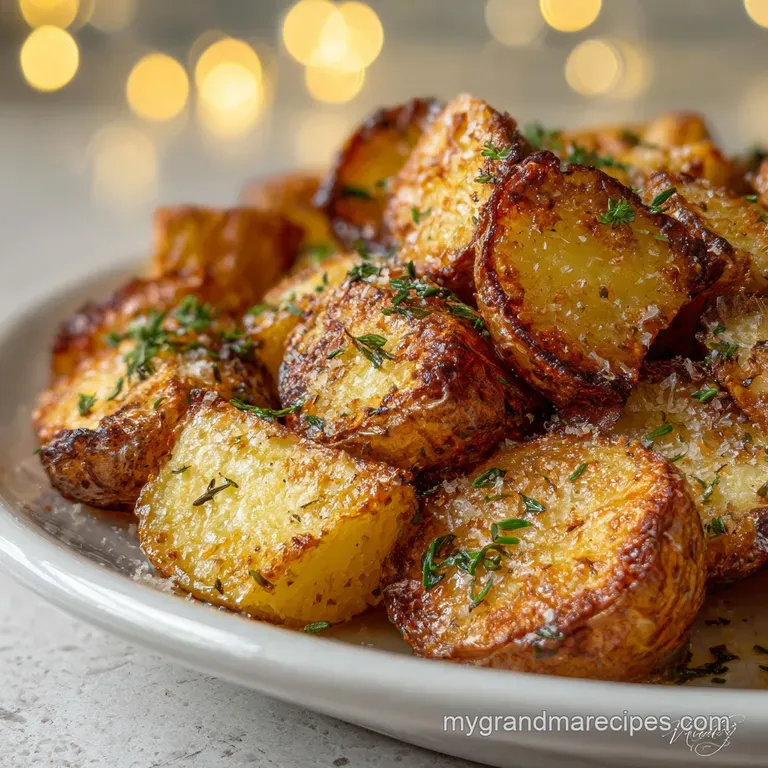
- Preheat your oven to 450°F (230°C). Place your empty rimmed baking sheet inside to get screaming hot.
- Boil a large pot of water and add 1 tbsp kosher salt and 1 tsp baking soda. Note: The water will foam slightly; this is normal.
- Parboil the 3 lbs of potato chunks for about 10 minutes until the outsides are softened but the centers are still firm.
- Drain the potatoes thoroughly in a colander and let them sit for 2 minutes to allow excess steam to escape.
- Scuff the potatoes by tossing them vigorously in the pot or colander until a thick layer of starchy paste builds up on the edges.
- Infuse the 1/3 cup olive oil in a small skillet over medium heat with the smashed garlic and rosemary for 3 minutes until the garlic is golden and fragrant.
- Strain the infused oil over the scuffed potatoes, discarding the garlic and herbs for now (save them for later!).
- Season with 1 tsp salt, 1/2 tsp pepper, and 1/2 tsp smoked paprika, tossing well to coat every inch of the starch paste.
- Roast on the preheated tray for 20 minutes, then flip until the underside is deep brown and releases easily from the pan.
- Finish roasting for another 20-30 minutes, adding the reserved garlic and rosemary back in for the final 5 minutes until the potatoes are shattering crisp.
- Garnish with fresh parsley and a final sprinkle of salt before serving hot.
Fixes for Common Texture Issues
Why are the potatoes soggy instead of crunchy?
This usually happens because of "crowding." If the potatoes are too close together on the pan, the steam escaping from them gets trapped, essentially boiling them again instead of roasting. Use a larger pan or two separate ones to give them breathing room.
Another culprit is not letting the steam evaporate after draining; that extra moisture is the enemy of the crunch.
Why are my potatoes sticking to the pan?
If you find yourself prying spuds off the sheet with a crowbar, you likely didn't use enough fat or your pan wasn't hot enough. That initial "sizzle" when the potato hits the oil creates a seared barrier. Also, resist the urge to flip them too early.
They will naturally release from the pan once a proper crust has formed.
| Problem | Root Cause | Solution |
|---|---|---|
| Burnt Garlic | Added too early | Infuse the oil first, remove the solids, and add them back in the last 5 minutes. |
| Uneven Browning | Oven hot spots | Rotate your baking sheet halfway through the roasting time. |
| Greasy Potatoes | Oil wasn't hot | Ensure the pan and oil are preheated before adding the potatoes. |
Common Mistakes Checklist
- ✓ Never skip the parboiling step; raw potatoes will never get this level of crunch.
- ✓ Don't be gentle when tossing the drained potatoes; you want them to look "beat up" and fuzzy.
- ✓ Ensure the oven is fully preheated to 450°F; lower temps lead to leathery skin.
- ✓ Use enough oil the potatoes should be well coated but not swimming.
- ✓ Salt the water generously; this is your only chance to season the inside of the potato.
Simple Ways to Adapt Flavor
If you want to save about 20 minutes, you can try the roasted potatoes air fryer method. Cut the potatoes into slightly smaller 1 inch cubes and follow the parboiling and scuffing steps.
Air fry at 400°F for about 15-20 minutes, shaking the basket every 5 minutes. You'll get a similar crunch with less oil and a faster turnaround time.
For a more complete side, roasted potatoes and carrots are a classic pairing. Toss 1 inch carrot chunks with the potatoes during the final 30 minutes of roasting. The natural sugars in the carrots will caramelize alongside the spuds, creating a beautiful sweet and salty balance.
You can even cut them into roasted potatoes wedges if you prefer a hand held version for a casual burger night.
- For a Spicy Kick: Toss the scuffed potatoes with 1 tsp of chili flakes and a dash of cumin.
- For a Vegan Alternative: Stick with the olive oil or use a high-quality coconut oil for a subtle tropical note.
- For a Sheet Pan Meal: Add smoked sausages or kielbasa to the pan during the last 15 minutes of roasting.
Guidelines for Scaling Your Batch
When you're cooking for a crowd, simply doubling the ingredients isn't enough. You have to account for the physical space in the oven. If you double this to 6 lbs of potatoes, you must use two separate baking sheets.
If you pile them all onto one, you'll end up with a soggy mess of steamed potatoes rather than the simple roasted potatoes you were dreaming of.
For a smaller batch (half recipe), use a smaller roasting pan but keep the temperature the same. The cooking time might drop by about 5-10 minutes because there is less total mass in the oven absorbing the heat.
For salt and spices, I find that 1.5x the amount is usually enough when doubling the potatoes to avoid over seasoning.
| Servings | Potato Amount | Pan Size | Cook Time |
|---|---|---|---|
| 2 People | 1.5 lbs | 9x13 inch | 45 minutes |
| 5 People | 3 lbs | 13x18 inch (Half Sheet) | 50 minutes |
| 10 People | 6 lbs | Two 13x18 inch pans | 55-60 minutes |
Debunking Popular Kitchen Roasting Myths
One of the biggest misconceptions is that soaking potatoes in cold water for hours is the key to crispiness. While soaking removes some surface starch, it doesn't compare to the structural change caused by parboiling with baking soda.
Parboiling actually "gelatinizes" the starch, which is a much more effective way to get a thick, crunchy crust.
Another myth is that you need to use an obscene amount of oil. While fat is necessary for heat conduction, the "fuzzing" technique actually allows you to use less oil than traditional methods because the starchy paste absorbs the fat and holds it right where you want it on the surface.
You don't need a deep fryer; you just need the right surface texture.
Storage and Zero Waste Strategies
Leftover Roasted Potatoes can be kept in an airtight container in the fridge for up to 4 days. To regain that shattering crunch, stay away from the microwave! Reheat them in a 400°F oven for 10 minutes or toss them in a dry skillet over medium heat until they sizzle again.
They also freeze surprisingly well for up to 2 months; just reheat them directly from frozen in a hot oven.
Don't toss those potato peels! If you chose to peel your spuds, toss the skins with a little oil and salt and roast them at 400°F for 10 minutes. They make an incredible "kitchen snack" that tastes just like high end potato chips.
Any leftover herbs can be chopped and mixed into softened butter for a quick compound butter to use on steak or bread later in the week.
Perfect Complements for Your Roast
These potatoes are the ultimate wingman for almost any protein. They sit beautifully next to a juice dripping roast beef or a roasted chicken. If you're looking for a holiday spread, they are a fantastic alternative to a Sweet Potato Casserole recipe if your guests prefer savory over sweet.
For a weeknight win, serve them with a simple green salad and a dollop of sour cream or Greek yogurt mixed with chives. The cool creaminess cuts through the salty, olive oil-rich crust of the potatoes in a way that is purely addictive.
No matter how you serve them, just make sure they are the last thing to leave the oven so they stay as loud and crunchy as possible when they hit the plates.
Recipe FAQs
What is the secret to perfect roasted potatoes?
Parboiling with baking soda. Raising the water's pH with baking soda breaks down the potato's pectin, creating a thick, starchy paste on the surface that crisps dramatically in the oven.
Should you roast potatoes at 400 or 425?
Roast at 450°F (230°C). High, dry heat is essential for immediate dehydration and crust formation; 400°F often leads to steaming or oil absorption rather than crisping.
How to do the best roast potatoes?
Preheat your baking sheet in the oven until smoking hot. Toss your parboiled and scuffed potatoes in high-quality oil that has been briefly infused with aromatics like garlic and rosemary.
Should you boil potatoes before roasting?
Yes, parboiling is crucial for maximum crunch. Boiling them until the edges are soft allows the surface starch to gelatinize, which then forms the desired shattering crust during roasting.
What is the best potato variety for roasting?
Yukon Gold potatoes are generally recommended. They strike the perfect balance between high starch content for fluffiness and enough sugar for excellent golden brown caramelization.
How can I prevent my roasted potatoes from becoming soggy?
Do not overcrowd the baking sheet. Ensure there is at least one inch of space between each potato chunk so steam can escape instead of condensing back onto the surface.
What technique used here is transferable to other recipes?
The technique of alkaline treatment for texture modification. The way baking soda breaks down pectin here to encourage surface texture is similar to how we prepare certain vegetables for deep frying to achieve extra lightness, which you see applied in our Oven Baked Chicken Thighs recipe for skin
crisping.
Ultimate Roasted Potatoes Recipe
Ingredients:
Instructions:
Nutrition Facts:
| Calories | 342 kcal |
|---|---|
| Protein | 5.5 g |
| Fat | 14.6 g |
| Carbs | 48.2 g |
| Fiber | 6.1 g |
| Sugar | 1.9 g |
| Sodium | 744 mg |
