The Best Bread Pudding: Silky and Golden
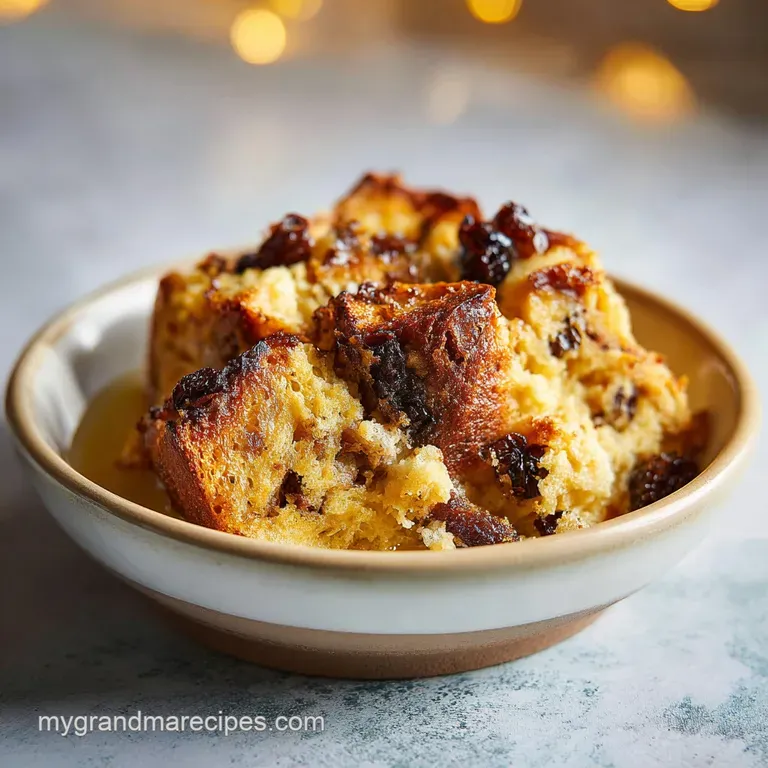
- Time: Active 35 minutes, Passive 90 minutes, Total 125 minutes
- Flavor/Texture Hook: Velvety custard center with a buttery, toasted sugar crust
- Perfect for: Sunday brunch, holiday gatherings, or a cozy Tennessee style family dessert
- Forget Stale Bread for the Best Bread Pudding
- Why This Custard Method Actually Works
- Component Analysis of Grandma’s Comfort Recipe
- The Essentials for Your Kitchen
- Simple Steps to a Silky Finish
- How to Fix Common Baking Mistakes
- Creative Ways to Mix Up Flavors
- Storing and Reusing Every Single Bite
- How to Serve This Southern Classic
- Common Bread Pudding Myths
- Recipe FAQs
- 📝 Recipe Card
Forget Stale Bread for the Best Bread Pudding
You’ve probably heard for years that you need "day old" or "stale" bread to make a decent pudding. Honestly, that’s a myth that needs to stay in the past. When you use bread that just sat out on the counter, it’s unevenly dry on the outside but often still too soft in the middle, leading to a dish that turns into a soggy, shapeless mess the second the milk hits it.
Trust me, I’ve had my share of mushy disasters in my Tennessee kitchen before I realized that controlled dehydration is the real secret to a structured crumb.
We’re going to take a beautiful loaf of rich brioche and gently dry it out in the oven at a low temperature. This turns every single bread cube into a tiny, thirsty sponge. Instead of fighting with bread that’s just "old," we’re creating a specific texture that can hold onto that heavy cream and egg mixture without collapsing.
It’s the difference between a dessert that looks like a pile of wet bread and one that has a distinct, custardy "lift" in every bite.
When I first started making this for my family, I realized that bread pudding isn’t just about the sugar; it’s about the ratio of fat to starch. Most folks skim on the cream or use too few eggs, resulting in a watery finish. We’re going for indulgence here.
This is comfort food at its finest the kind of dish that makes the whole house smell like cinnamon and vanilla, pulling everyone toward the kitchen before the timer even goes off.
Why This Custard Method Actually Works
Getting that restaurant quality set isn't about luck; it's about how the proteins and starches interact during that long soak and the specific heat of your oven. Here is why this specific method produces such a superior result compared to a quick "mix and bake" approach.
- Controlled Dehydration: Oven drying the brioche at 300°F (150°C) removes internal moisture without browning, creating a rigid structure that survives the one hour soak without disintegrating.
- Starch Saturation: Allowing the bread to rest in the custard for 80 minutes (total prep time) ensures the liquid reaches the very center of every cube, preventing dry, bready pockets.
- Emulsion Stability: Whisking the eggs and yolks with sugar before adding dairy creates a protective barrier for the proteins, stopping them from curdling when the heat rises.
- Dual Stage Thermal Set: Starting at a higher heat sets the exterior proteins and sugars for a "shatter" crust, while finishing lower ensures the internal custard hits exactly 170°F (77°C) without turning rubbery.
| Cooking Method | Cook Time | Resulting Texture | Best Suited For |
|---|---|---|---|
| Oven Bake (This Recipe) | 45 minutes | Crispy top, silky interior | Traditional texture seekers |
| Stovetop Steam | 60 minutes | Uniformly soft, flan like | Those who dislike "crust" |
| Slow Cooker | 3 hours | Dense, pudding heavy | Hands off meal prepping |
The internal structure of this dish relies heavily on the quality of the bread you choose. While we're focusing on a classic brioche here, the way the eggs bind to the fats in the bread is what creates that velvety mouthfeel. If you’re a fan of rich, buttery desserts, you might find this method reminds you of a well executed Gooey Butter Cake, though with a much more pronounced bread to custard ratio.
Component Analysis of Grandma’s Comfort Recipe
| Ingredient | Science Role | Pro Secret |
|---|---|---|
| Brioche Bread | High fat/egg content provides structural richness. | Use a loaf with a tight crumb to prevent huge air pockets. |
| Egg Yolks | Add lecithin for a silky, thick custard set. | Always use room temperature yolks for a smoother emulsion. |
| Heavy Cream | High milk fat prevents the bread from becoming "rubbery." | Don't swap for half and half; the fat is needed for the texture. |
| Granulated Sugar | Lowers the coagulation temp of egg proteins. | Whisk into the eggs first to "prime" the protein strands. |
Choosing the right bread is non negotiable for the best bread pudding. You want something that starts out rich. Brioche is the gold standard because it’s already loaded with butter and eggs, which means it plays perfectly with our custard. If you can't find brioche, a thick cut Challah is your next best friend.
Avoid using a standard sandwich loaf; it’s too airy and will simply vanish into the liquid, leaving you with a bowl of sweet soup rather than a structured dessert.
The Essentials for Your Kitchen
Before we get to the mixing, make sure you have your tools ready. You don't need fancy gadgets, but a few specific items make a world of difference in the final result.
- 9x13 inch Baking Dish: Glass or ceramic is best here as they distribute heat more evenly than thin metal pans.
- Large Whisk: You need to really incorporate those eggs and sugar until the mixture looks uniform and slightly pale.
- Rimmed Baking Sheet: Essential for the dehydration phase to keep the bread cubes in a single layer.
- Large Mixing Bowl: Give yourself plenty of room to toss the bread without crushing it.
- Kitchen Scale: While I’ve provided volume, weighing your 1 lb of brioche ensures the custard ratio is spot on.
Simple Steps to a Silky Finish
- Dehydrate the bread. Cut your 1 lb of brioche into 1 inch cubes and spread them on a baking sheet. Bake at 300°F (150°C) until they feel dry to the touch, like a sponge, but haven't started to brown. Note: This creates space for the custard to move in.
- Melt the butter. Melt 4 tbsp of unsalted butter and set it aside to cool slightly.
- Whisk the custard base. In your large bowl, combine 2 cups whole milk, 1 cup heavy cream, 4 large eggs, 2 large egg yolks, 3/4 cup sugar, 1 tbsp vanilla, 1 tsp cinnamon, 1/4 tsp nutmeg, and 1/2 tsp salt. Whisk until the cinnamon is fully integrated and no streaks of egg remain.
- Combine bread and custard. Toss the dehydrated bread cubes and 1/2 cup raisins into the custard. Gently turn them over with a spatula to coat every surface.
- Perform the deep soak. Let the mixture sit at room temperature for at least 1 hour. The bread should look heavy and saturated when you stir it halfway through.
- Prep the baking dish. Use the melted butter to generously grease your 9x13 inch dish.
- Transfer the mixture. Pour the soaked bread and all remaining liquid into the dish. Level it out, but don't pack it down tightly.
- Bake for texture. Place in a preheated oven and bake for 45 minutes. Watch for the custard to "puff" slightly in the center and the edges to turn a deep golden brown.
- Check for doneness. The internal temperature should reach 170°F (77°C). The center should have a slight jiggle but not be liquid.
- Rest before serving. Let it sit for 10-15 minutes. This allows the custard to fully set and makes slicing much cleaner.
How to Fix Common Baking Mistakes
Why Your Pudding is Watery
If you pull the dish out and there is a pool of liquid at the bottom, it usually means the bread didn't soak long enough or the oven temperature was too low. The bread needs that full hour to pull the liquid into its core. If the liquid stays on the outside, it just "weeps" during the bake.
Why the Bread is Dry
This happens when you skip the dehydration step and use fresh bread, or if you don't use enough custard. Fresh bread is already full of moisture, so it can't absorb the custard. Ironically, drying the bread out is what makes the final result moist.
| Problem | Root Cause | Solution |
|---|---|---|
| Rubbery Texture | Overbaked or used only egg whites | Remove from oven at 170°F; use the extra yolks. |
| Burnt Top/Raw Middle | Rack positioned too high in oven | Bake on the middle rack and tent with foil if browning too fast. |
| Soggy Bottom | Bread wasn't dehydrated enough | Bake cubes at 300°F until they feel like dry foam. |
- ✓ Pat the bread dry after cutting if you feel any dampness before the oven dehydration.
- ✓ Preheat your oven for at least 20 minutes to ensure the initial "heat blast" sets the crust.
- ✓ Don't skip the extra yolks; they are the difference between a "breakfast bake" and a dessert.
- ✓ Check the internal temp with a digital thermometer to avoid the "is it done yet?" guesswork.
Creative Ways to Mix Up Flavors
Once you’ve mastered the base for the best bread pudding, you can start playing with the add ins. In my family, we often swap the raisins for dried cranberries or even toasted pecans if we want a Southern crunch. If you're looking for something with a bit more of a fruit forward profile, you might enjoy my Pudding with Bourbon Glaze recipe, which uses a similar custard base but incorporates fresh summer fruit.
| Original Ingredient | Substitute | Why It Works |
|---|---|---|
| Raisins (1/2 cup) | Dried Cherries (1/2 cup) | Adds a tart pop that cuts through the rich cream. |
| Whole Milk (2 cups) | Coconut Milk (Full fat, 2 cups) | Adds a tropical nuttiness. Note: Will slightly change the aroma. |
| Granulated Sugar (3/4 cup) | Brown Sugar (3/4 cup) | Provides a deeper, molasses like sweetness and darker crust. |
For a boozy twist, you can soak your raisins in a little bourbon or dark rum for 30 minutes before adding them to the mix. It adds a sophisticated layer of flavor that balances the sweetness of the vanilla and cinnamon.
If you're catering to kids, skip the booze and try adding 1/2 cup of semi sweet chocolate chips for a "pain au chocolat" vibe.
Storing and Reusing Every Single Bite
Bread pudding is one of those rare desserts that actually tastes pretty great the next day. You can keep leftovers in the fridge for up to 4 days. Just make sure to cover the dish tightly with plastic wrap or transfer pieces to an airtight container so the custard doesn't pick up any "fridge smells."
When it comes to reheating, avoid the microwave if you can. It tends to make the bread rubbery. Instead, put a slice in a 350°F oven for about 10 minutes until it’s warmed through and the top regains a bit of its crunch.
If you find yourself with way more than you can eat, you can freeze it! Wrap individual slices in foil and place them in a freezer bag for up to 2 months. Thaw in the fridge overnight before reheating.
Zero Waste Tip: If you have leftover custard liquid that didn't fit in the pan, don't toss it! Whisk in another egg and use it as a base for French toast the next morning.
If you have bread crusts or scraps from cubing the loaf, toss them with a little olive oil and salt and bake them into croutons for a salad later in the week.
How to Serve This Southern Classic
In Tennessee, we usually serve this warm, right out of the oven. A simple dusting of powdered sugar is classic, but if you really want to go all out, a drizzle of heavy cream or a scoop of high-quality vanilla bean ice cream is the way to go.
The way the cold ice cream melts into the warm, spiced bread is something everyone should experience at least once.
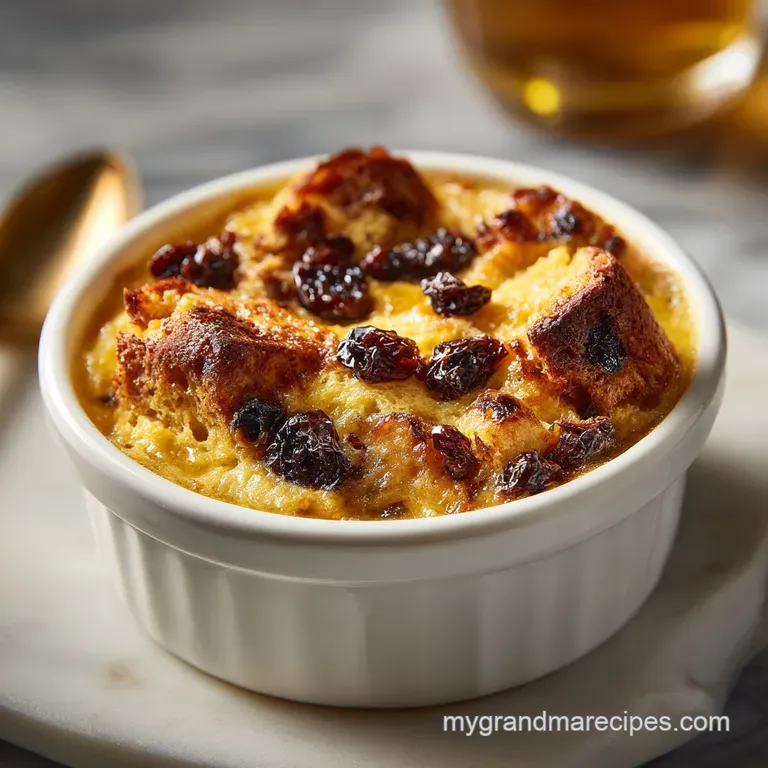
For a restaurant style presentation, you can bake these in individual large ramekins. It increases the "crust to custard" ratio, which some people absolutely love. Just remember to reduce your baking time by about 15 minutes if you go the individual route.
Regardless of how you serve it, the key is the contrast that beautiful shatter of the top layer followed by the silky, rich center that makes this the best bread pudding you'll ever put on your table.
Common Bread Pudding Myths
Myth: You have to use stale, rock hard bread. Truth: While the bread needs to be dry, "stale" bread has often lost its flavor and can have an "off" taste. Oven dehydrating fresh, high-quality brioche allows you to control the moisture while keeping the buttery flavor of the bread intact.
Myth: Bread pudding should be firm like a cake. Truth: A proper bread pudding should be a hybrid between a bread dish and a custard. If it’s as firm as a cake, it’s likely overbaked or doesn't have enough liquid.
It should be "spoonable" and soft, with just enough structure to hold its shape on a plate.
Myth: You can't over soak the bread. Truth: While we want a deep soak, leaving the bread in the custard for more than 4 hours (or overnight) can actually cause the starches to break down too much, resulting in a grainy texture.
An hour to 90 minutes is the sweet spot for a 1 inch brioche cube.

Recipe FAQs
What is the best bread for bread pudding?
Brioche is the gold standard. Its high butter and egg content creates a rich, tender base that absorbs the custard without falling apart, especially after you dehydrate the 1 inch cubes at 300°F (150°C).
What are some common mistakes when making bread pudding?
Skipping the soaking step is the most common error. Allowing the bread to soak in the custard for at least one hour is essential to ensure the liquid penetrates the core of the bread, preventing a soggy or uneven texture.
What is the difference between British bread pudding and American bread pudding?
British versions often use a denser, cake like structure, while American versions focus on a custardy, soufflé like interior. If you enjoyed mastering the emulsification of the eggs, yolks, milk, and cream here, you can apply the same whisking method to create a silky base for our moist banana bread recipe.
Do I bake my bread pudding covered or uncovered?
Bake it uncovered. This allows the top layer of bread cubes to toast and create a beautiful crust while the internal custard reaches the required 170°F (77°C) set.
Is it true I should use fresh, soft bread for the best results?
No, this is a common misconception. Fresh bread is too moist and will turn to mush; you must toast your 1 inch brioche cubes in the oven at 300°F (150°C) first to ensure they can properly soak up the custard without losing their structure.
How to ensure a silky texture in the custard?
Whisk the eggs, yolks, and cream thoroughly until completely emulsified. Using a combination of whole milk and heavy cream with room temperature eggs ensures the custard sets into a smooth, consistent finish rather than a scrambled texture.
How to fix bread pudding that feels too soggy?
Increase the dehydration time for your bread cubes next time. If the bread is not sufficiently dried out in the 300°F (150°C) oven before adding the custard, it will retain too much moisture during the bake, preventing that perfect custard-to-bread ratio.
The Best Bread Pudding

Ingredients:
Instructions:
Nutrition Facts:
| Calories | 456 kcal |
|---|---|
| Protein | 11.1g |
| Fat | 26.2g |
| Carbs | 46.9g |
| Fiber | 1.3g |
| Sugar | 28.1g |
| Sodium | 335mg |
