Homemade Mac and Cheese from Scratch Blueprint
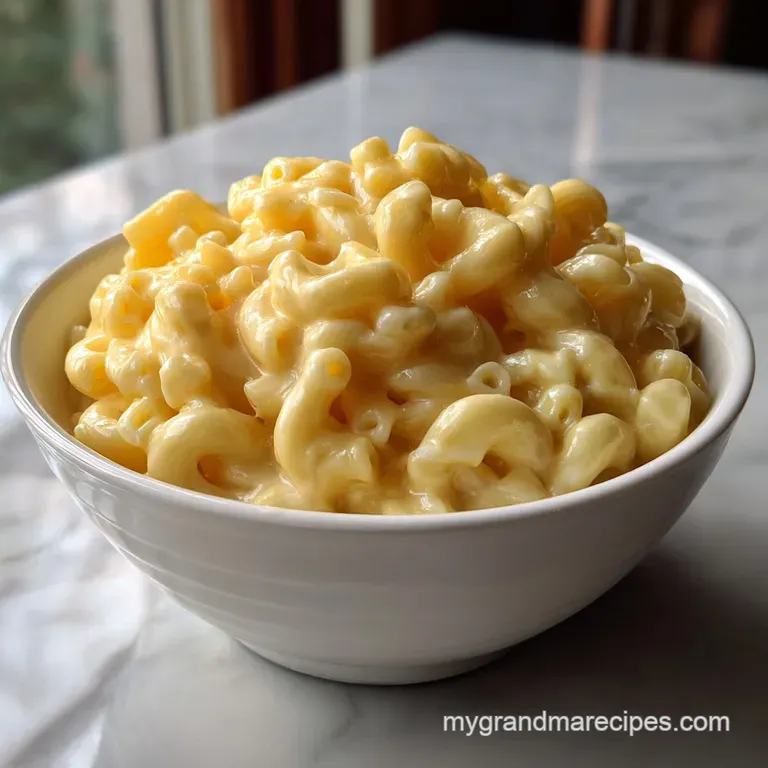
- Time: Active 10 minutes, Passive 20 minutes, Total 30 minutes
- Flavor/Texture Hook: Shattering panko crust gives way to a decadent, molten cheese interior.
- Perfect for: Sunday family dinners, holiday sides, or a high-quality weeknight comfort solution for your homemade mac and cheese from scratch.
- The Hidden Culinary Physics That Guarantees a Silky Homemade Mac and Cheese from Scratch
- The Scientific Foundation of a Bulletproof Cheese Sauce
- The Chemistry of Success: Functional Breakdown
- Selecting Your Arsenal for a Savory Mac and Cheese from Scratch
- Minimalist Tools Required for Maximum Kitchen Efficiency
- Precision Protocol for Crafting Your Perfect Homemade Casserole
- Solving Common Textural Hurdles in From-Scratch Cheese Sauces
- Expanding Your Flavor Palette with Simple Regional Adaptations
- The Mathematics of Multiplication: Adjusting Batch Sizes
- Setting the Record Straight on Southern Macaroni Myths
- Preserve the Creaminess with Smart Storage and Repurposing
- Pairing Your Dish with Balanced Sides for a Full Meal
- Decoding the Nuances of Traditional Stovetop and Oven Methods
- Recipe FAQs
- 📝 Recipe Card
The Hidden Culinary Physics That Guarantees a Silky Homemade Mac and Cheese from Scratch
In my Tennessee kitchen, a Sunday without a bubbling pot of macaroni is simply unheard of. I remember watching my grandmother stand over a Lodge Cast Iron Skillet, whisking a roux with such rhythm it looked like a dance.
She didn't need a fancy recipe card; she felt the thickness of the sauce through the wooden spoon and knew exactly when the cheese was ready to melt into the milk. That instinctual approach to comfort food is what makes a meal memorable, turning a simple box of pasta into a legacy, especially when crafting homemade mac and cheese from scratch.
We often reach for the blue box because it's convenient, but once you experience the deep, nutty complexity of aged cheddar paired with a golden crust, there is no going back. This recipe is designed for the busy cook who still craves that old-fashioned quality when making their homemade mac and cheese from scratch.
We are using minimal tools just a pot, a whisk, and a baking dish to achieve a result that rivals any high end bistro. It’s about the sizzle of the butter and the way the sharp aroma of the cheese fills the house, signaling to everyone that it's time to gather round for this amazing homemade mac and cheese from scratch.
The secret lies in the balance between the bite of the pasta and the velvet of the sauce. This isn't just a meal; it’s an exercise in temperature control and patience. By using high fat dairy and hand grated blocks, we ensure a sauce that stays creamy even after it hits the plate.
Whether you’re feeding a crowd of hungry kids or looking for a nostalgic solo dinner, this method provides the reliable steps you need for success every single time you attempt homemade mac and cheese from scratch.
The Scientific Foundation of a Bulletproof Cheese Sauce
- Starch Gelatinization: Heating flour in butter creates a roux where starch granules swell and burst, trapping liquid to create a thick, stable base.
- Protein Emulsification: The casein in the milk and the fats in the cheese bond through the roux, preventing the sauce from separating into an oily mess.
- The Carryover Effect: Pulling the pasta two minutes early ensures it finishes cooking in the sauce, absorbing flavor without becoming mushy or structuraly compromised.
- Moisture Migration: Heavy cream provides a higher fat-to-water ratio than milk alone, which keeps the sauce glossy and prevents it from drying out in the oven's heat, crucial for a perfect homemade mac and cheese from scratch.
The Chemistry of Success: Functional Breakdown
| Ingredient | Chemical/Physical Role (Science) | The Pro Secret (Why This Matters) |
|---|---|---|
| All-purpose Flour | Starch based thickening agent | Prevents the cheese fats from "oiling off" and breaking the emulsion. |
| Whole Milk | Liquid medium for suspension | Provides the hydration needed for starch granules to expand and thicken. |
| Extra Sharp Cheddar | Acidic protein structure | Aged cheddar has less moisture and more concentrated flavor for a punchy profile. |
| Gruyère Cheese | High fat melting capacity | Contains a higher oil content that ensures a smooth, stretchy texture in the velvet sauce. |
Selecting Your Arsenal for a Savory Mac and Cheese from Scratch
- 1 lb (454g) Elbow macaroni:Why this? The hollow curves trap maximum sauce volume per bite via capillary action.
- 1 tbsp (15g) Diamond Crystal Kosher salt: For the pasta water to season the starch from the inside out.
- 4 tbsp (56g) Kerrygold Unsalted high fat butter:Why this? Higher butterfat content results in a more stable, flavorful roux base.
- 1/4 cup (32g) All-purpose flour: The essential binder for our thickener.
- 3 cups (710ml) Whole milk: Use slightly chilled milk to prevent lumps when hitting the hot roux.
- 1 cup (240ml) Heavy cream:Why this? Adds lipid density that prevents the sauce from graining under high heat.
- 12 oz (340g) Extra sharp cheddar cheese: Hand grated to avoid the cellulose coatings found in bags.
- 4 oz (115g) Gruyère or Fontina cheese: Adds a nutty depth and superior meltability.
- 1/2 tsp (2.5g) Smoked paprika: Adds a subtle "wood fired" aroma without the heat.
- 1/2 tsp (2.5g) Ground mustard powder:Why this? Contains lecithin, a natural emulsifier that helps bind fat and water.
- 1/4 tsp (1.25g) Cayenne pepper: Provides a back-of-the-throat warmth to cut through the heavy fats.
- 1 cup (60g) Ian's Panko breadcrumbs: For a larger surface area and superior crunch.
- 2 tbsp (28g) Melted butter: To coat the crumbs for even browning.
- 1/2 cup (50g) Freshly grated Parmesan cheese: For a salty, umami rich crust.
Substitution Guide
| Original Ingredient | Substitute | Why It Works |
|---|---|---|
| Gruyère | Fontina or Havarti | Both have high moisture and excellent melting properties for a smooth sauce. |
| Whole Milk | Evaporated Milk | Higher protein concentration leads to a much more stable emulsion that won't break. |
| Panko | Crushed Ritz Crackers | Adds a buttery, salty crunch, though it is slightly less "shattery" than panko. |
Minimalist Tools Required for Maximum Kitchen Efficiency
To keep things simple for the busy cook, you don't need a cabinet full of gadgets. A standard Lodge 5 quart Dutch Oven is my preferred vessel because it retains heat beautifully, ensuring the milk warms evenly without scorching.
You’ll also need a sturdy whisk—I recommend a balloon whisk to incorporate the flour and milk into a smooth slurry.
For the cheese, a box grater is non-negotiable. Pre-shredded cheese is coated in potato starch or cellulose to prevent clumping in the bag, but those same additives will make your sauce grainy, ruining the texture of your homemade mac and cheese from scratch. Finally, a 9x13-inch Pyrex baking dish provides the perfect surface area for that golden panko topping to develop. If you are serving this alongside a Homemade Gravy Recipe, you can even use the same skillet to save on cleanup.
Precision Protocol for Crafting Your Perfect Homemade Casserole
Phase 1: The Pasta Foundation
- Boil 4 quarts of water with 1 tbsp (15g) Kosher salt in a large pot.
- Cook 1 lb (454g) Elbow macaroni for 2 minutes less than the package directions until the center still has a firm, white "bone" (al dente). Note: This prevents mushiness during the baking phase.
- Drain the pasta and set it aside; do not rinse, as the surface starch helps the sauce cling.
Phase 2: Building the Velvet Sauce
- Melt 4 tbsp (56g) Unsalted butter in a heavy saucepan over medium heat until the foam subsides and it smells slightly nutty.
- Whisk in 1/4 cup (32g) All-purpose flour and cook for 2 minutes until the paste turns a pale straw color and smells like toasted crackers.
- Gradually pour in 3 cups (710ml) Whole milk and 1 cup (240ml) Heavy cream, whisking constantly until the liquid is smooth and no flour lumps remain.
- Simmer for 5 8 minutes until the sauce is thick enough to coat the back of a spoon and leaves a clear trail when a finger is swiped across.
- Stir in 1/2 tsp Smoked paprika, 1/2 tsp Mustard powder, and 1/4 tsp Cayenne pepper.
- Remove from heat and fold in 12 oz (340g) Sharp cheddar and 4 oz (115g) Gruyèreuntil the cheese is completely melted and the sauce is glossy.
Phase 3: The Assembly and Bake
- Combine the cooked pasta with the cheese sauce, stirring until every noodle is fully submerged and the mixture makes a distinct "squelch" sound. This sound confirms you have achieved the perfect sauce consistency for baked homemade mac and cheese from scratch.
- Transfer to a greased baking dish.
- Mix 1 cup (60g) Panko, 2 tbsp (28g) Melted butter, and 1/2 cup (50g) Parmesan in a small bowl.
- Sprinkle the topping evenly over the mac and cheese.
- Bake at 375°F (190°C) for 15 20 minutes until the edges are bubbling and the topping is a deep mahogany brown.
Solving Common Textural Hurdles in From Scratch Cheese Sauces
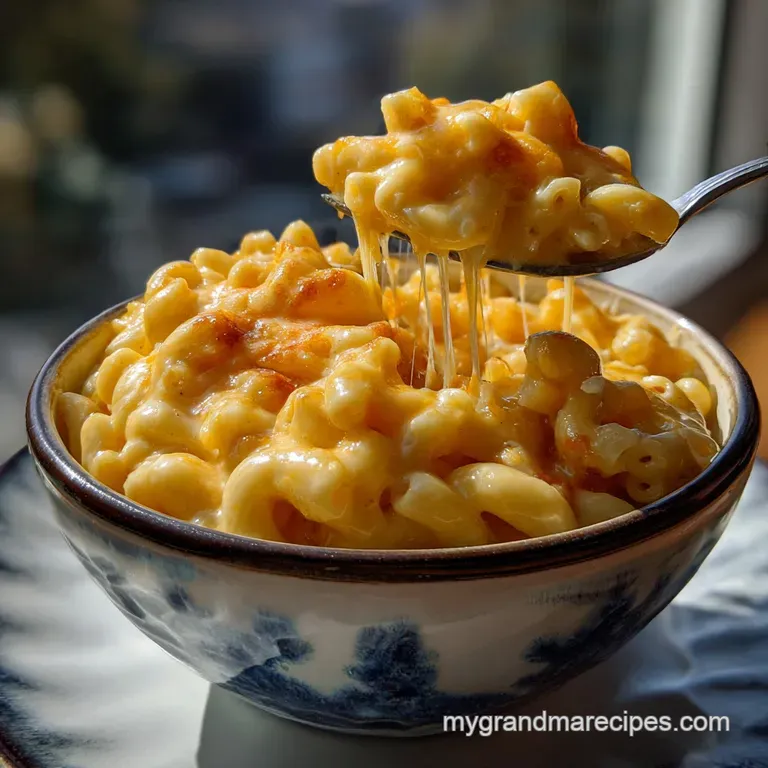
Why Your Sauce Turned Grainy
When a cheese sauce feels gritty on the tongue, it’s usually due to "thermal shock." If you add the cheese to a boiling liquid, the proteins clump together tightly and squeeze out the fat. This is known as protein denaturation.
To fix this, always remove your white sauce from the heat before adding the cheese, allowing the residual heat to do the melting gently, which is key for quality homemade mac and cheese from scratch.
| Problem | Root Cause | The Fix | Pro Protocol |
|---|---|---|---|
| Oily Surface | Sauce broke/separated | Add a splash of cold milk | Whisk vigorously to re-emulsify the fats. |
| Mushy Noodles | Overcooked in water | Reduce boil time by 3 mins | Aim for a "raw" center; it hydrates in the oven. |
| Bland Flavor | Lack of acidity/salt | Add a tsp of Dijon mustard | Acidity brightens the heavy fats of the cheese. |
Expanding Your Flavor Palette with Simple Regional Adaptations
- The Smoky Mountain: Substitute the smoked paprika with 1/2 cup of chopped, crispy bacon and use a smoked gouda instead of Gruyère.
- The Jalapeño Kick: Fold in 2 tablespoons of diced pickled jalapeños and replace the cheddar with Pepper Jack for a spicy and cheese from scratch variation.
- The Truffle Touch: Drizzle 1 teaspoon of white truffle oil into the finished sauce before baking for an earthy, luxurious aroma.
- The Garden Style: Stir in 2 cups of steamed broccoli florets before the baking stage; the florets act as little sponges for the sauce, much like the technique used in a Broccoli Casserole recipe. Mastering these variations is essential to elevate homemade mac and cheese from scratch beyond the standard fare.
Decision Shortcut
- If you want a sharper bite: Use 100% Extra Sharp White Cheddar and add a pinch more mustard powder.
- If you want maximum "cheese pull": Swap the Gruyère for whole milk Mozzarella or Monterey Jack.
- If you want it extra creamy: Increase the heavy cream to 1.5 cups and reduce the milk accordingly.
The Mathematics of Multiplication: Adjusting Batch Sizes
When you need to feed a larger crowd, scaling up requires a few adjustments to maintain the correct chemistry. Making the math work is important if you plan to serve your homemade mac and cheese from scratch for potlucks.
- Flavor (Salt/Spices): Scale spices and salt to 1.5x when doubling the recipe. Over seasoning is a common risk when doubling dried powders like cayenne.
- Liquids (Soups/Sauces): Reduce the total liquid by 10% when doubling. In larger pots, less surface area relative to volume means less evaporation occurs.
- Leavening: If you were adding baking powder (not used here), you would scale exactly, but for a roux, stick to the 1:1 ratio of fat to flour.
- Baking (2x): Drop the oven temperature by 25°F and extend the time by 10 15 minutes to ensure the center heats through without burning the crust.
- Scaling Down (1/2): Reduce the baking time by 20% and use a 8x8-inch pan to maintain the depth of the macaroni.
Setting the Record Straight on Southern Macaroni Myths
Myth: You must rinse the pasta after boiling to keep it from sticking. Truth: Rinsing removes the surface starch. You want that starch! It acts as a bridge between the noodle and the sauce, ensuring the cheese from scratch actually sticks to the macaroni rather than sliding off to the bottom of the dish.
This starchy cling is what differentiates amateur attempts from true homemade mac and cheese from scratch.
Myth: High heat melts cheese faster and better. Truth: High heat is the enemy of a smooth sauce. Extreme temperatures cause the proteins to seize and the fats to separate. Low and slow is the mantra for any dairy based emulsion.
Myth: Pre-shredded cheese is just as good as block cheese. Truth: Pre-shredded cheese is treated with anti caking agents like cellulose. These agents do not melt and will leave your homemade mac and cheese from scratch with a chalky, unpleasant texture.
Preserve the Creaminess with Smart Storage and Repurposing
Storage: Store leftovers in an airtight container in the fridge for up to 4 days. When reheating mac and cheese from scratch, add a tablespoon of milk per cup of pasta to loosen the sauce, as the starch will have absorbed much of the moisture while sitting.
Freezing: This dish freezes beautifully for up to 3 months. For best results, freeze it before the final bake. Wrap the dish tightly in plastic wrap and then foil. Thaw in the fridge overnight before baking as directed.
- Zero Waste
- Don't discard the cheese rinds (especially Parmesan or Gruyère).
- Transform
- Drop them into a pot of soup or stock.
- Science
- The rinds are packed with concentrated umami and fats that will dissolve slightly, adding a rich, savory depth to any broth. This is the same principle used to create a Chicken Noodle Soup recipe that tastes like it simmered for days, proving that quality flavor begins with utilizing every part of your ingredients when developing your homemade mac and cheese from scratch.
Pairing Your Dish with Balanced Sides for a Full Meal
Because this mac and cheese from scratch is incredibly rich and heavy, you want to pair it with something that offers high acidity or a crisp texture to cleanse the palate. A simple green salad with a lemon vinaigrette is the classic choice.
If you are serving this as part of a larger spread, it pairs perfectly with Homemade Biscuits Recipe. The flaky layers of the biscuits provide a different structural crunch that complements the velvety sauce. For a holiday meal, a side of roasted Brussels sprouts with balsamic glaze provides the necessary bitterness to balance the sweet and fatty notes of the cheddar and cream. Serving it with these sides rounds out the experience of a truly satisfying homemade mac and cheese from scratch.
Decoding the Nuances of Traditional Stovetop and Oven Methods
Fast vs. Classic Comparison
| Feature | Stovetop Method | Oven Baked (This Recipe) |
|---|---|---|
| Total Time | 15 minutes | 30 minutes |
| Texture | Loose, soupier, ultra creamy | Set, casserole style, crunchy topping |
| Complexity | Low - one pot only | Medium - requires two stages |
Why use a combination of Sharp Cheddar and Gruyère?
Using only one type of cheese often results in a one-note flavor profile. Sharp Cheddar provides the essential "tang" and orange hue we associate with the dish, while Gruyère introduces a sophisticated nuttiness and a much smoother melting point.
This combination ensures that the and cheese from scratch feels elevated rather than just being a bowl of melted fat. Achieving this complex flavor profile is the goal of any great recipe for homemade mac and cheese from scratch.
Can I make this ahead of time?
Yes, you can assemble the entire dish, minus the panko topping, and keep it in the refrigerator for 24 hours. When you are ready to serve, add the topping and bake.
You may need to add an extra 5 10 minutes to the baking time to ensure the cold center reaches the necessary 165°F for food safety and optimal melt.
Is there a difference between milk and heavy cream?
While you can make this with 100% milk, the addition of heavy cream is what creates the "restaurant style" finish. Cream has a higher concentration of fat globules which buffer the cheese proteins, making it much harder for the sauce to break or turn grainy. It’s an insurance policy for a perfect texture. If you've ever mastered a Apple Pie Recipe, you know that the right fat content is the difference between good and unforgettable.

Recipe FAQs
What is the fastest way to achieve a smooth cheese sauce?
Remove the sauce from the heat before adding cheese. Temperature shock denatures casein proteins, creating grainy texture instead of smooth emulsion.
- Add cheese in small handfuls
- Whisk continuously during incorporation
- Ensure the roux has cooked for two full minutes
Is it better to use salted or unsalted butter?
Unsalted butter for precision control. Salted brands vary widely in sodium content, making standardization impossible. Unsalted lets you adjust salt based on the inherent saltiness of your aged cheeses.
Why does my sauce sometimes separate into oil and liquid?
The emulsion broke due to excessive heat agitation. Heating the sauce too aggressively causes the fat molecules to separate from the water base, leading to a grainy, oily slick.
- Use residual heat for final cheese incorporation
- Ensure your roux is fully cooked
- Add a splash of cold milk while whisking vigorously
Do I really need to grate the cheese myself?
Yes, block cheese yields a far superior texture. Pre-shredded cheeses are coated with cellulose or potato starch to prevent clumping in the bag. These additives will inhibit proper melting and result in a gritty sauce consistency.
Myth: Boiling the pasta longer makes it softer.
Myth: Boiling the pasta longer makes it softer. Reality: Overcooked pasta absorbs too much water and collapses structurally during the final bake, resulting in a mushy texture rather than al dente.
What is the role of mustard powder in the sauce?
Mustard powder acts as a natural emulsifier. It contains lecithin, a phospholipid that chemically assists in binding the fat and water components together. This stabilizes the sauce, ensuring it remains glossy and cohesive when baked.
Should I use whole milk or low-fat milk?
Whole milk provides the necessary fat content for stability. The higher lipid content in whole milk is essential for creating a stable roux based sauce that resists breaking under the oven’s heat. low-fat milk often results in a thinner sauce that dries out quickly during baking.
Homemade Mac And Cheese Scratch
Ingredients:
Instructions:
Nutrition Facts:
| Calories | 976 kcal |
|---|---|
| Protein | 37.8 g |
| Fat | 56.5 g |
| Carbs | 73.4 g |
| Fiber | 3.1 g |
| Sugar | 8.2 g |
| Sodium | 845 mg |
