Heirloom Chocolate Chip Cookies Recipe
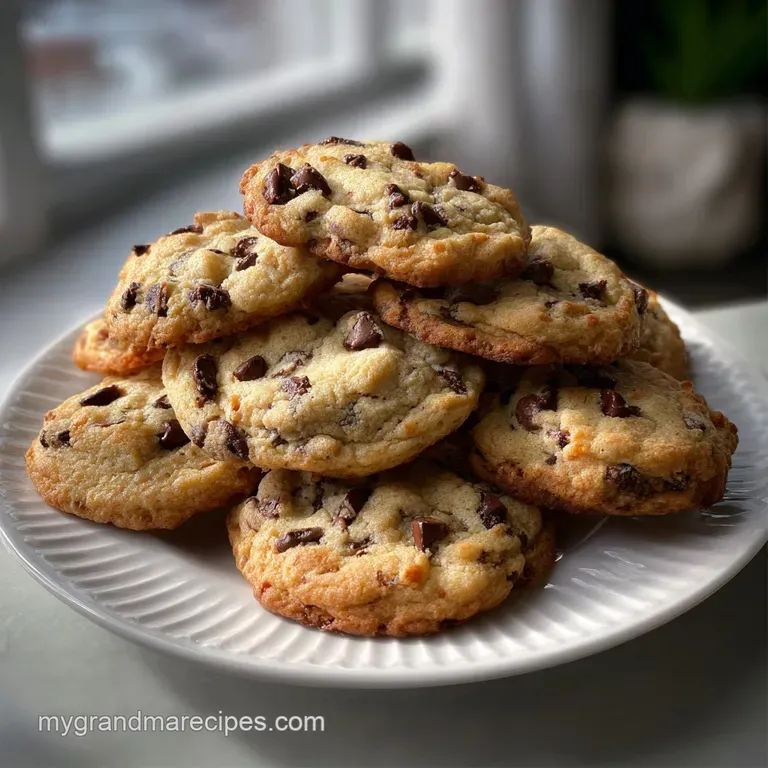
- Effort/Time: 25 minute total turnaround
- Flavor Hook: Deep molasses notes paired with shattering high-cacao chocolate
- Perfect for: Grab-and-go snacking or cozy make-ahead desserts
- The Alchemy of Maillard Reactions: Achieving That Signature Golden Crumb
- Mastering the 25 Minute Timeline for Success
- The Chemistry of the Pantry: Selecting Your Essential Elements
- Forging the Foundation: Essential Tools for the Home Baker
- The 10 Step Protocol for Batch-Perfect Chocolate Chip Cookies
- Avoiding the Common Crumble: Troubleshooting Your Bake
- ⚗️ The Scaling Lab: The Physics of Quantity
- Common Myths in the Baker’s Kitchen
- Budget-Smart Adaptations and Flavor Variations
- Zero-Waste Storage Hacks and Preservation Protocols
- From Grandma’s Kitchen to Your Table: The Final Presentation
- Recipe FAQs
- 📝 Recipe Card
There is a specific kind of quiet that settles over a Tennessee kitchen when the oven begins to hum on a rainy Tuesday afternoon. It is the scent of toasting sugar and rich butter that pulls the family away from their separate corners and into the heart of the home.
This chocolate chip cookies recipe is more than just a list of ingredients; it is a steady rhythm of a wooden spoon against a ceramic bowl, a tradition I’ve watched my grandmother perform a thousand times.
Growing up, we didn't look for fancy gadgets or imported extracts. We looked for the weight of the mixing bowl and the specific golden hue of the butter as it bubbled on the stovetop.
This version of the classic chip cookies recipe relies on those old-fashioned instincts while utilizing a few smart, budget friendly tricks to ensure every batch comes out with that sought after velvety interior.
Trust me, once you see the way the sea salt sparkles against the dark chocolate, you’ll never go back to the store-bought bags. This comprehensive guide is the ultimate chocolate chip cookies recipe.
We are going to focus on the textures that matter: the shattering snap of the rim and the fudge like give of the middle. By understanding how the sugars interact with the heat and why that extra egg yolk is the secret to a rich mouthfeel, you become the master of your own kitchen.
Let’s get the oven preheated and dive into the craft of the perfect chocolate chip cookies recipe.
The Alchemy of Maillard Reactions: Achieving That Signature Golden Crumb
To understand why this chocolate chip cookies recipe produces such a superior result, we have to look at the chemistry happening inside the dough. When the heat of the oven hits the sugar and flour, it triggers a series of transformations that define the flavor and structure of the final product.
- Maillard Reaction Mastery: This chemical reaction between amino acids and reducing sugars occurs at temperatures above 280°F, creating the complex, nutty flavors and mahogany browning on the cookie's edges.
- Hygroscopic Hydration: The dark brown sugar acts as a humectant, pulling moisture from the air and the egg, which ensures the center remains soft and chewy long after the cookies have cooled.
- Lecithin Emulsification: Using a whole egg plus an extra yolk increases the lecithin content, which binds the fats and liquids into a stable, velvety emulsion that prevents a greasy texture.
- Sodium Bicarbonate Aeration: The baking soda reacts instantly with the acidic molasses in the brown sugar, creating tiny carbon dioxide pockets that provide a gentle lift without making the cookie cakey.
Mastering the 25 Minute Timeline for Success
Time is an ingredient just as much as flour or sugar. In this chocolate chip cookies recipe, the speed of assembly allows the fats to remain at the optimal temperature for a controlled spread in the oven.
If the dough sits too long at room temperature, the butter can lose its structural integrity, leading to a flat, greasy outcome.
Stovetop vs. Oven Comparisons
| Method | Texture Outcome | Best For |
|---|---|---|
| Standard Oven | Shattering edges, soft centers, even browning | Traditional individual cookies |
| Stovetop (Cast Iron) | Ultra gooey, spoonable, caramelized bottom | Sharing size "pizookie" style desserts |
| Convection Oven | Uniformly crisp, high rise, matte finish | Professional, bakery style aesthetic |
Precision Checkpoints for the Perfect Batch
- Butter Temperature: 65°F (Cool to the touch but indentable) if not browning; if browning, cool to room temp before mixing.
- Oven Calibration: 350°F (175°C) is the "sweet spot" for simultaneous sugar caramelization and starch setting.
- Weight Accuracy: 280g of all-purpose flour ensures the protein-to-fat ratio maintains a chewy structure.
The Chemistry of the Pantry: Selecting Your Essential Elements
Every component in this classic chocolate chip cookies recipe serves a specific structural or flavor profile purpose. We don't use fillers; we use elements that work together to build a sturdy yet tender crumb.
Ingredient Chemistry Breakdown
| Ingredient | Chemical/Physical Role (Science) | The Pro Secret (Why This Matters) |
|---|---|---|
| Dark Brown Sugar | Humectant property via fructose/glucose | Keeps centers moist and prevents drying during the bake |
| Egg Yolk | Emulsification of fats and liquids | Creates a dense, rich crumb instead of a light, airy sponge |
| Baking Soda | Sodium bicarbonate pH adjustment | Promotes browning by accelerating the Maillard reaction |
| Fine Sea Salt | Ionic flavor enhancement | Sharpens the perception of sweetness and offsets fat |
Decision Shortcut: If you want X, do Y
- If you want a Chewier Cookie: Replace the granulated sugar with more dark brown sugar to increase moisture retention.
- If you want a Crisp Outer Rim: Increase the oven temperature to 375°F and shorten the bake time by 2 minutes.
- If you want a Deeper Flavor: Chill the dough for 24 hours to allow the flour enzymes to break down starches into simple sugars.
Forging the Foundation: Essential Tools for the Home Baker
While grandma used a sturdy wooden spoon, modern consistency often comes from the right equipment. For this this chocolate chip cookies recipe, using heavy duty tools prevents hot spots and ensures even heat distribution.
- KitchenAid Stand Mixer: Using the paddle attachment allows for aeration of the sugars and fats without over working the gluten.
- Lodge Cast Iron Pan: If you choose the stovetop-to-oven method, the thermal mass of cast iron creates a superior crust.
- Silpat Silicone Baking Mat: This provides a non-stick surface that insulates the bottom of the cookie, preventing scorched bases.
- Norpro Stainless Steel Scoop: A 2 tablespoon scoop ensures every cookie is the same size, leading to uniform baking times across the tray.
The 10 Step Protocol for Batch Perfect Chocolate Chip Cookies
Follow these steps with precision. The order of operations is designed to manage the hydration of the flour and the stability of the fat emulsion. This is the core of mastering the chocolate chip cookies recipe.
- Preheat the oven to 350°F and line two heavy baking sheets with parchment paper.
- Melt 1 cup (227g) Kerrygold Unsalted Butter in a light colored saucepan over medium heat. Why this? High fat European butter provides less water and more rich milk solids.
- Swirl the butter for 5 7 minutes until the foaming subsides and mahogany colored solids settle at the bottom, smelling nutty.
- Whisk 1 cup Dark Brown Sugar and 1/2 cup White Sugar in a large bowl. Note: Using dark brown sugar provides more acidity for the baking soda to react with.
- Pour the warm browned butter over the sugars and whisk vigorously for 2 minutes until the mixture looks like wet sand and begins to lighten in color.
- Add 1 large Egg, 1 large Egg Yolk, and 1 tbsp Nielsen Massey Vanilla Extract. Note: Room temperature eggs prevent the butter from seizing.
- Sift 2 1/4 cups (280g) All-purpose flour, 1 tsp Baking Soda, and 1 tsp Fine Sea Salt together.
- Fold the dry ingredients into the wet until only a few streaks of white flour remain, being careful not to overwork the dough.
- Incorporate 1 1/2 cups Semi sweet chocolate chips (60% cacao) by hand. Note: Hand mixing prevents the chips from breaking or the dough from becoming tough.
- Scoop 2 tablespoon rounds onto the sheets and bake for 9 11 minutes until the edges are set and pale golden, but the centers still look slightly soft and underdone.
Avoiding the Common Crumble: Troubleshooting Your Bake
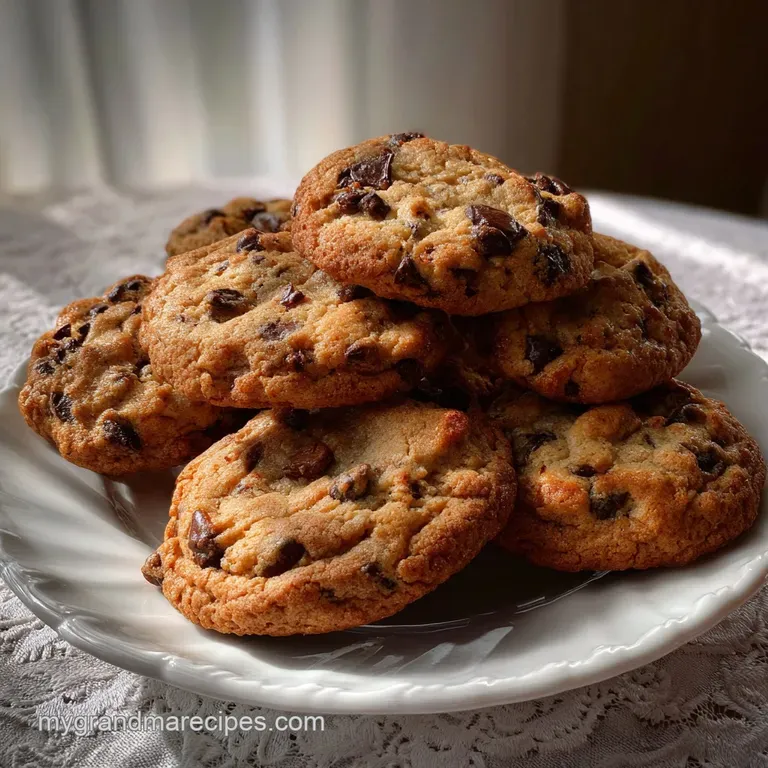
Even with the best chocolate chip cookies recipe, variables like humidity or oven hot spots can interfere. Understanding the "why" behind a failure allows for immediate correction in the next batch.
Why Your Cookies Spread Too Much
Excessive spreading usually occurs when the fat melts before the flour’s gluten network has a chance to set. This is often caused by using butter that is too warm or over creaming the sugar and butter mixture, which incorporates too much air.
Quick Fix Table
| Problem | Root Cause | The Fix | Pro Protocol |
|---|---|---|---|
| Thin/Greasy | Butter too warm | Chill dough 30 mins | Use a metal bowl over ice for fast cooling |
| Cakey/Dry | Too much flour | Use a scale (280g) | Spoon flour into cup; do not pack it |
| Burnt Bottoms | Dark baking sheet | Use parchment/Silpat | Double stack baking sheets to insulate |
⚗️ The Scaling Lab: The Physics of Quantity
Doubling a chocolate chip cookies recipe isn't as simple as multiplying by two. Physics and thermodynamics change as the volume of dough increases.
- The Square Cube Law: A double batch of dough has more internal mass relative to its surface area. If you chill the dough in one large mass, the center will stay warm for hours, leading to inconsistent hydration. Fix: Divide the dough into smaller portions before chilling.
- Flavor Saturation: Spices and salt should only be scaled to 1.5x. Because these compounds disperse more efficiently in larger volumes of fat, a full 2x scale often results in an overly salty or pungent cookie.
- Thermal Mass: Putting two cold baking sheets in the oven simultaneously drops the internal temperature of the oven by up to 30°F. Fix: Rotate the pans halfway through and extend the bake time by 15 20%.
- Leavening pH: Baking soda is highly reactive. In larger batches, if the dough sits too long while you wait for the first tray to bake, the leavening power will dissipate. Fix: Only mix the dry and wet ingredients when you are ready to bake immediately.
Common Myths in the Baker’s Kitchen
- Myth: "You must use expensive vanilla for the best flavor."
- Truth: In over high heat baking (above 350°F), the delicate floral notes of expensive extracts evaporate. A standard pure vanilla extract is more cost effective and provides the same "comfort" profile for this chocolate chip cookies recipe.
- Myth: "Over mixing doesn't matter for cookies."
- Truth: Once flour hits liquid, gluten begins to form. Over mixing creates a tough, bread like texture rather than a tender, shattering crumb.
- Myth: "You can't bake with cold eggs."
- Truth: While room temperature eggs emulsify better, you can warm cold eggs quickly by placing them in a bowl of warm water for 5 minutes.
Budget Smart Adaptations and Flavor Variations
This cookies recipe is designed to be flexible. If you are watching your pantry costs, these substitutions maintain the structural integrity without sacrificing the soul of the dish.
Substitution Table
| Original Ingredient | Substitute | Why It Works |
|---|---|---|
| European Butter (1 cup) | Standard Butter + 1 tsp Heavy Cream | Mimics the 82% fat content and adds back the lost milk solids. |
| Dark Brown Sugar (1 cup) | Light Brown Sugar + 1 tsp Molasses | Replicates the acidity and moisture levels needed for the rise. |
| Semi sweet Chips (1.5 cups) | Chopped Chocolate Bar | high-quality bars often have fewer stabilizers, leading to better "pools" of chocolate. |
💡 ZERO WASTE PHILOSOPHY
Don't discard the vanilla bean pods if you use them. Transform: Place them in your granulated sugar container. Science: The residual oils infuse the sugar with aroma, creating a gourmet ingredient for future bakes at zero cost.
Don't discard browned butter sediment. Transform: Scrape every dark bit into the dough. Science: Those toasted milk solids contain the highest concentration of toasted flavor compounds.
Zero Waste Storage Hacks and Preservation Protocols
To keep this chocolate chip cookies recipe tasting fresh, you must protect it from oxygen and humidity, which degrade the fats and soften the crisp edges.
- Room Temperature: Store in an airtight container with a piece of white bread. The bread will give up its moisture to the cookies, keeping them soft for up to 5 days.
- Freezing Dough: Scoop the dough into balls and freeze on a tray before transferring to a bag. Bake directly from frozen, adding 2 minutes to the timer. This preserves the "fresh baked" aroma every time.
- Reheating: Use a toaster oven at 300°F for 3 minutes to restore the shattering edge. Avoid the microwave, which turns the starches rubbery and the chocolate oily. Mastering the storage of this chocolate chip cookies recipe is key.
From Grandma’s Kitchen to Your Table: The Final Presentation
The way you serve these defines the experience. While they are a masterpiece on their own, a few thoughtful touches can make them feel like a professional dessert. When sharing the best chocolate chip cookies recipe, presentation matters.
The Classic Pairing
Nothing beats a cold glass of whole milk. The fats in the milk help cleanse the palate of the heavy cocoa butter, making every bite feel like the first. For a Tennessee twist, serve them alongside a cup of strong, chicory blend coffee.
The "Elevated" Dessert
Transform these into a sophisticated finale by sandwiching a scoop of high-quality vanilla bean ice cream between two warm cookies. The contrast between the freezing cream and the molten chocolate chips creates a sensory experience that rivals any high end restaurant.
This is an incredible way to serve any chocolate chip cookies recipe.
As we finish this chocolate chip cookies recipe, remember that the best ingredient you can add is patience. Let the cookies rest on the hot baking sheet for at least 5 minutes after pulling them from the oven.
This allows the internal structure to finish setting, ensuring that when you finally take that first bite, it is nothing short of a velvet textured triumph.
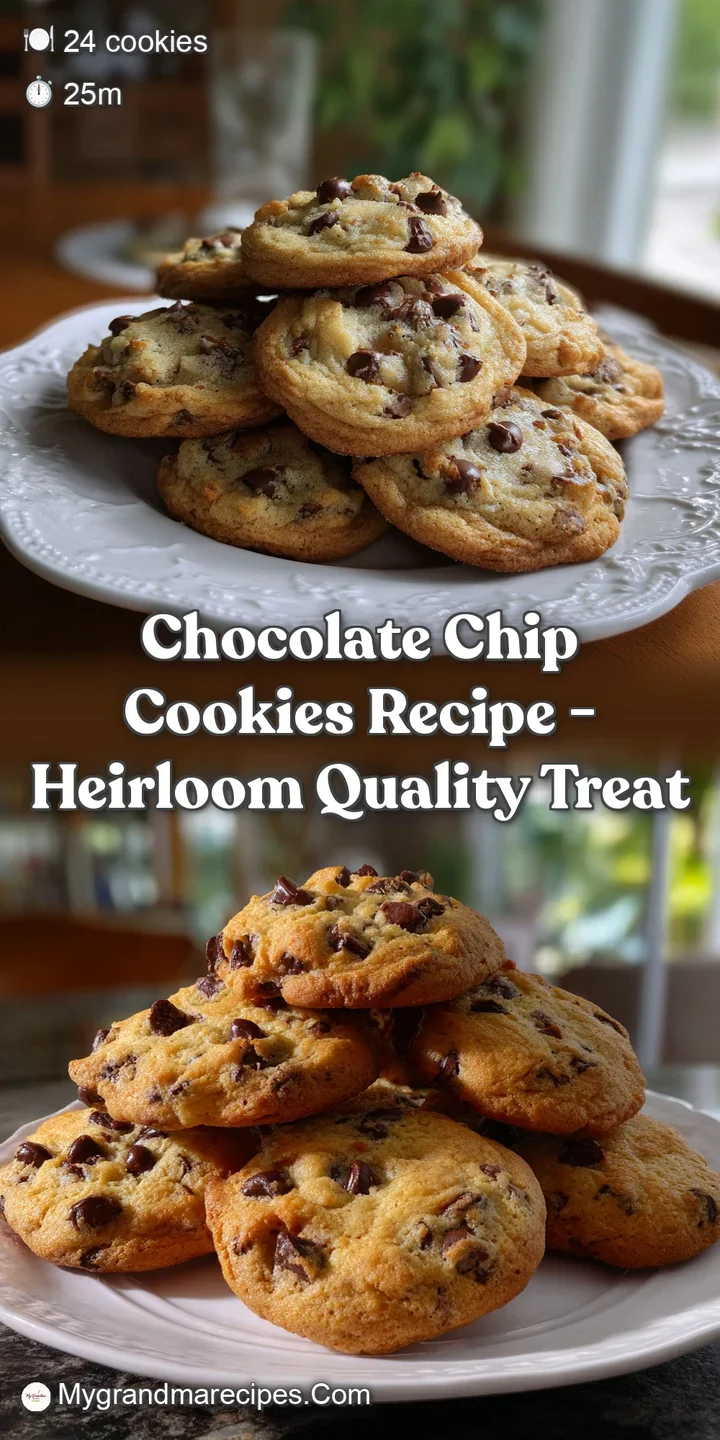
Recipe FAQs
Should I chill the dough before baking?
Yes, chilling dough promotes deeper flavor. Resting allows enzymatic activity to break down starches into simple sugars, intensifying the overall taste profile.
- Enhances nutty notes
- Prevents excessive spreading
- Improves final texture contrast
Can I substitute baking powder for baking soda?
No. Baking powder yields a cakey texture. Baking soda reacts with the molasses acidity to promote necessary browning and spread, whereas powder only lifts. Baking soda accelerates the Maillard reaction.
Is browning the butter essential for this recipe?
Browned butter provides superior depth. Heating the milk solids toasts them, creating nutty, complex flavor molecules absent in standard melted butter. This depth balances the sugar.
What temperature is ideal for perfect edges and centers?
350°F (175°C) for 9-11 minutes is optimal. This temperature initiates rapid surface setting while allowing the interior starches to gelatinize slowly. Consistency relies on uniform pan placement.
Is salted butter an acceptable substitute for unsalted?
Unsalted butter is necessary for control. Salt content in commercial salted brands is highly inconsistent, making precise flavor balancing impossible across different batches. Unsalted butter lets you manage sodium input precisely.
Myth: Room temperature eggs are just a preference.
Myth: You can skip room temp eggs. Cold eggs shock the creamed fat, causing the emulsion to break and resulting in a greasy, non-uniform dough structure. Room temperature eggs emulsify smoothly for a velvety crumb.
Myth: Over mixing the flour develops the most gluten.
Myth: More mixing equals more gluten development. Over mixing creates tough, bread like gluten strands, resulting in a chewy or hard cookie structure rather than the desired tender, melting crumb. Stop mixing as soon as the flour disappears.
Heirloom Chocolate Chip Cookies
Ingredients:
Instructions:
Nutrition Facts:
| Calories | 213 kcal |
|---|---|
| Protein | 2.1 g |
| Fat | 11.2 g |
| Carbs | 27.8 g |
| Fiber | 0.9 g |
| Sugar | 18.1 g |
| Sodium | 178 mg |
