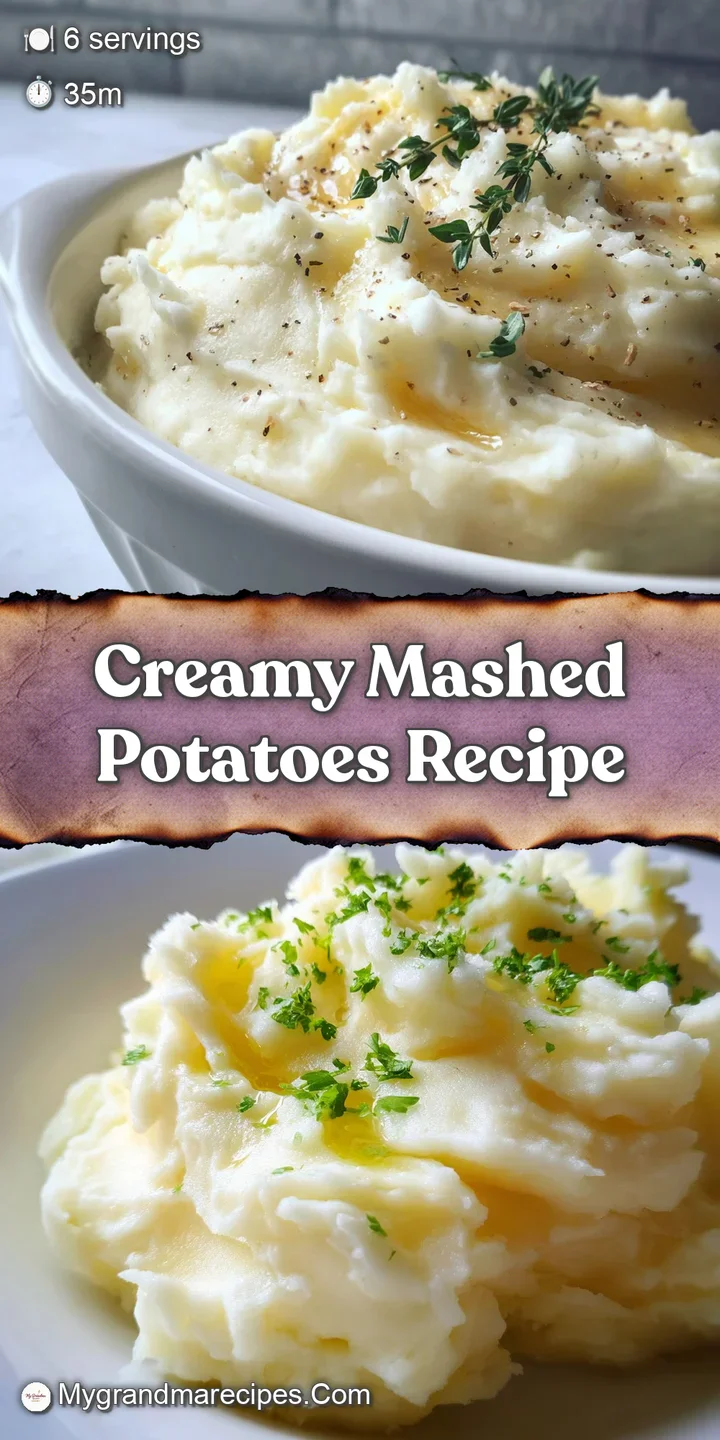
Creamy Mashed Potatoes Recipe
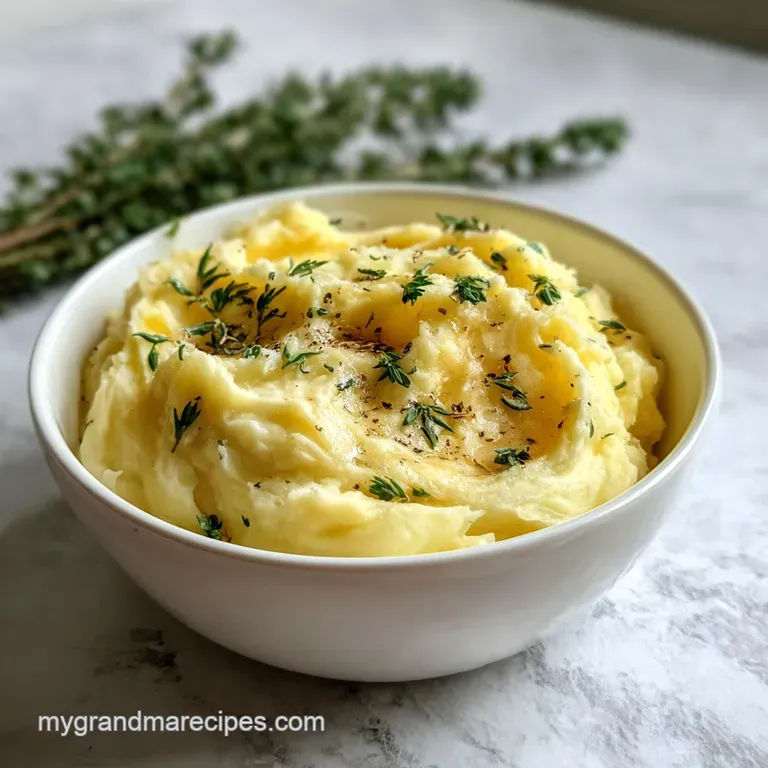
- Time: Active 15 minutes, Passive 20 minutes, Total 35 minutes
- Flavor/Texture Hook: Velvety, rich, and buttery with a slight tang
- Perfect for: Sunday dinners, holiday feasts, or budget-friendly comfort
- Recipe Specs for Timing and Precise Serving Sizes
- The Building Blocks of Flavor and Starch Selection
- The Essential Equipment Needed for a Lump Free Result
- Selecting the Right Elements for a Velvety Finish
- Step-by-Step From Prep to Plate for Guaranteed Success
- What Can Go Wrong and How to Fix Sogginess
- Exciting Flavor Variations to Try for Your Next Dinner
- Freezing and Reheating Guide for Busy Weeknight Meals
- The Perfect Complements to Serve Alongside Your Mash
- Creamy Mashed Potatoes FAQs
- 📝 Recipe Card
Recipe Specs for Timing and Precise Serving Sizes
To get the best results from this creamy mashed potatoes recipe, you have to respect the clock. Over boiling leads to waterlogged spuds, while under boiling leaves you with grainy lumps that no amount of butter can fix.
I always aim for that "sweet spot" where a fork slides in with zero resistance, but the cube hasn't started to disintegrate into the water yet.
It's also about the ratio of starch to fat. We aren't just adding butter for the sake of it, we’re building an emulsion. If you’re cooking for a crowd, keep in mind that potatoes shrink a bit in volume once mashed.
This recipe is perfectly balanced for six hungry people, but it’s the kind of dish where everyone usually asks for seconds, so don't be afraid to scale up if you’re hosting a big family gathering.
| Servings | Potato Weight | Butter Amount | Liquid Volume | Pot Size |
|---|---|---|---|---|
| 2 People | 1 lb | 2.5 tbsp | 1/4 cup | 2 quart |
| 4 People | 2 lbs | 5 tbsp | 1/2 cup | 4 quart |
| 6 People | 3 lbs | 1/2 cup | 3/4 cup | 6 quart |
| 10 People | 5 lbs | 3/4 cup | 1.25 cups | 8 quart |
When you are planning your meal, remember that the texture relies heavily on the temperature of your additions. Adding cold milk to hot potatoes is a recipe for a gummy disaster. It shocks the starch and prevents it from absorbing the fat properly.
Always take a moment to warm your cream and butter while the potatoes are simmering. It's a small step that makes a massive difference in the final silkiness.
The Building Blocks of Flavor and Starch Selection
The Starch Fat Encapsulation: Coating starch granules with warm fat before adding liquid prevents them from bonding into a sticky, gluey mess. This ensures the texture remains velvety rather than gummy.
- Hybrid Potato Base: We use a 50/50 split. The Russets provide the fluffy, airy structure while the Yukon Golds bring a natural buttery flavor and yellow hue.
- Fat Triad: Combining butter, cream cheese, and sour cream offers different melting points and flavor profiles, from rich and salty to sharp and tangy.
- Cold Start Method: Starting potatoes in cold water ensures the outside doesn't turn to mush before the inside is cooked through.
- Moisture Evaporation: Returning the drained potatoes to the hot pot for a minute "dries" them out, making more room for the cream and butter to soak in.
| Component | Science Role | Pro Secret |
|---|---|---|
| Yukon Gold Potatoes | Low starch density | Leave a few skins on for a rustic, earthy "grandma style" flavor profile. |
| Russet Potatoes | High starch fluff | Peeling these completely is essential to avoid "papery" bits in a smooth mash. |
| Cream Cheese | Stabilizer | The lactic acid adds a subtle tang that cuts through the heavy potato starch. |
| Unsalted Butter | Pure Fat Emulsion | Use "room temp" cubes so they incorporate without cooling down the hot spuds. |
When it comes to picking your produce, look for potatoes that feel heavy for their size and have no green tint on the skin. Those green spots contain solanine, which can be bitter and even a bit tough on the stomach. If you're looking for a similar comforting vibe in a main dish, this mash pairs beautifully with a Shepherd s Pie Recipe, where the creamy topping is just as important as the savory beef base underneath.
The Essential Equipment Needed for a Lump Free Result
You don't need a kitchen full of gadgets for this homemade creamy mashed potatoes recipe, but the tools you choose will dictate the final texture. If you want that "cloud like" consistency, a potato ricer is your best friend.
It pushes the cooked potato through tiny holes, breaking it down without overworking the starch. Overworking is the enemy here; it's what turns a side dish into edible glue.
If you prefer a bit of "character" in your mash, a traditional wire masher works just fine. It’s what my grandma used, and it leaves those tiny, soft bits of potato that prove it was made from scratch. Just avoid using a food processor or a blender at all costs.
The high speed of the blades shears the starch molecules, releasing all the "sticky" stuff that ruins the dish instantly.
- Large Stockpot: 6 quart size is ideal to give the potatoes plenty of room to dance in the boiling water.
- Potato Ricer or Masher: Use a ricer for "fine dining" silkiness or a masher for a rustic, homey feel.
- Small Saucepan: For warming the heavy cream and melting the butter together.
- Silicone Spatula: Perfect for folding in the sour cream and cream cheese without "beating" the potatoes.
If you’re on a tight budget, don't feel like you need to go out and buy a ricer. A sturdy fork can work in a pinch for smaller batches, though it’ll take a bit of elbow grease. The key is to work quickly while the potatoes are piping hot.
As they cool, the starch sets, making it much harder to get a smooth result without using too much force.
Selecting the Right Elements for a Velvety Finish
- 1.5 lbs Yukon Gold potatoes: Peeled and chopped into 1 inch cubes. Why this? They provide a natural buttery flavor and a smooth, waxy texture.
- 1.5 lbs Russet potatoes: Peeled and chopped into 1 inch cubes. Why this? These add the necessary fluffiness and help absorb the fats.
- 1/2 cup unsalted butter: Cubed and room temperature. Why this? Using unsalted allows you to control the seasoning precisely.
- 4 oz full fat cream cheese: Softened. Why this? Creates a thick, decadent body that milk alone can't achieve.
- 1/2 cup heavy cream: Warmed. Why this? The high fat content ensures the mash stays velvety even after cooling.
- 1/4 cup full fat sour cream: Why this? Provides a necessary acidic "zip" to balance the richness.
- 1 tbsp fine sea salt: For the boiling water. Why this? Seasoning from the inside out is the only way to avoid bland spuds.
- 1 tsp garlic powder: Why this? Adds a savory depth without the harshness of raw garlic bits.
| Original Ingredient | Substitute | Why It Works |
|---|---|---|
| Heavy Cream (1/2 cup) | Whole Milk (1/2 cup) | Lighter result. Note: Will be less "luxurious" and slightly more runny. |
| Cream Cheese (4 oz) | Greek Yogurt (4 oz) | Adds tang and protein. Note: More acidic flavor than the original. |
| Unsalted Butter | Salted Butter | Same fat content. Note: Reduce the added sea salt by half to compensate. |
Using the right ingredients is half the battle. If you find yourself with extra potatoes, you might want to try an old-fashioned Potato Soup Recipe later in the week. It uses many of the same ingredients, like heavy cream and Yukon Golds, making it a great way to use up your pantry staples without extra spending.
step-by-step From Prep to Plate for Guaranteed Success
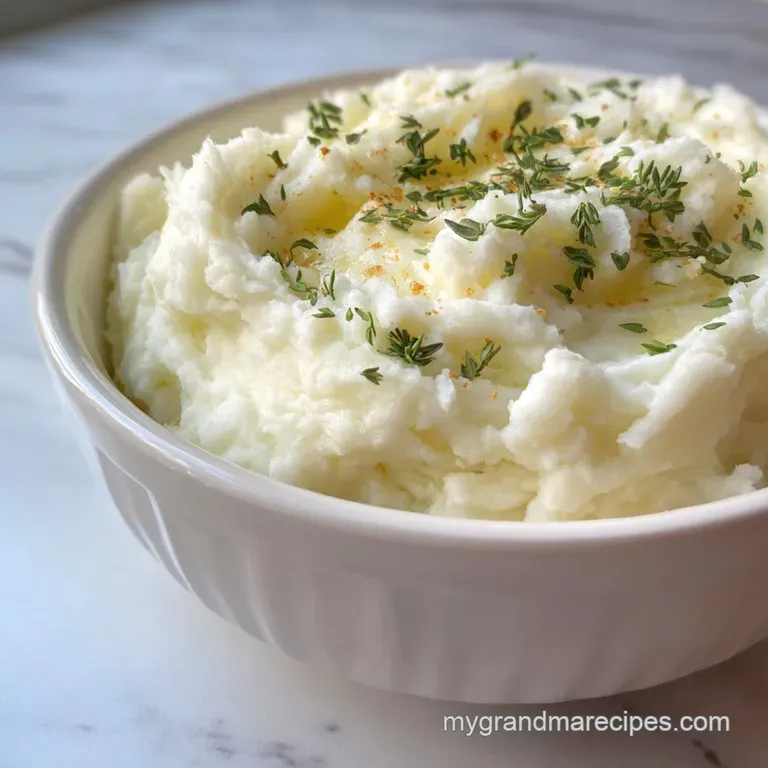
- Place the chopped potatoes in a large pot and cover with cold water by at least an inch. Note: Starting cold ensures even cooking.
- Add 1 tablespoon of fine sea salt to the water and bring to a boil over high heat.
- Reduce heat to a simmer and cook for 15-20 minutes until a fork slides effortlessly through the largest cube.
- While potatoes boil, combine the heavy cream and butter in a small saucepan over low heat until the butter is fully melted and the liquid is steaming.
- Drain the potatoes thoroughly in a colander, then return them to the empty, hot pot.
- Heat the pot over low for 60 seconds, stirring gently, until the remaining surface moisture evaporates and a white film starts to form on the bottom.
- Pass the potatoes through a ricer into a large bowl, or mash them by hand while they are still steaming hot.
- Slowly fold in the warm cream and butter mixture using a spatula until the liquid is fully absorbed and the texture looks glossy.
- Add the softened cream cheese and sour cream, folding gently until no white streaks remain and the mash is velvety.
- Stir in the garlic powder, then taste and add salt and cracked black pepper. Top with minced chives until the green pops against the golden potatoes.
Chef's Tip: If you really want to deepen the flavor without spending extra, toss a couple of peeled garlic cloves into the boiling water with the potatoes. They'll soften and mash right in, giving you a subtle, sweet garlic undertone that’s much better than raw garlic.
What Can Go Wrong and How to Fix Sogginess
The biggest heartbreak in the kitchen is spending time on a creamy mashed potatoes recipe only for it to turn out like soup. Usually, this happens because the potatoes weren't drained well enough or they were over boiled until they absorbed too much water. If your mash is looking a bit thin, don't panic.
You can often save it by stirring in a bit more cream cheese or even a handful of instant potato flakes if you have them in the pantry they act like a sponge for excess moisture.
Another common issue is the dreaded "gluey" texture. This is purely mechanical. It happens when you work the potatoes too hard. If you've already made them gummy, you can't really "un gum" them, but you can transform them.
Spread the mixture into a baking dish, top with plenty of shredded cheese and breadcrumbs, and bake until bubbly. The crispy topping hides the texture and turns a mistake into a delicious casserole.
Why Your Mash is Watery
If the potatoes are swimming in liquid, it’s usually because they weren't dried after boiling. That extra water dilutes the fats and prevents the cream from sticking to the starch.
| Problem | Root Cause | Solution |
|---|---|---|
| Gummy/Sticky | Over mixing or using a blender | Fold in additions gently; never use a high speed blade. |
| Bland | Not enough salt in the water | Season the boiling water heavily; it's your only chance to flavor the core. |
| Lumpy | Potatoes were undercooked | Return to heat with a splash of warm milk and mash vigorously while hot. |
Common Mistakes Checklist
- ✓ Never start potatoes in already boiling water (it leads to uneven centers).
- ✓ Don't skip the "dry steam" step in the pot after draining.
- ✓ Always warm your dairy before adding it to the spuds.
- ✓ Avoid low-fat substitutes; they don't have the structure to hold a creamy mash together.
- ✓ Check for doneness at 15 minutes to prevent water logging.
Exciting Flavor Variations to Try for Your Next Dinner
While the classic version is hard to beat, sometimes you want to mix things up for a special occasion. If you love a bit of a kick, try adding a tablespoon of prepared horseradish or a dash of hot sauce. The acidity cuts through the heavy fat beautifully.
For a more sophisticated vibe, you can drizzle a tiny bit of truffle oil over the top just before serving. It smells expensive, but a tiny bottle lasts forever and really makes the dish feel like it came from a five star steakhouse.
If you’re looking for a cheesy mashed potatoes recipe, simply fold in a cup of sharp cheddar or some nutty Gruyère while the potatoes are still hot. The residual heat will melt the cheese into long, gooey strands. This version goes incredibly well with a Garlic Butter Chicken Recipe, as the savory sauce from the chicken mingles with the cheesy potatoes in the best way possible.
If you want X, do Y:
- For Extra Fluff: Add 1/2 teaspoon of baking powder while mashing; it reacts with the heat to create tiny air pockets.
- For a Tangy Kick: Double the sour cream and add a squeeze of fresh lemon juice at the very end.
- For a Golden Crust: Spread the finished mash in a pan and broil for 3-5 minutes until the peaks are charred and crispy.
Many people think you have to use expensive butter for a good mash, but that's a myth. While high end European butter is lovely, the real secret is the temperature. Even "budget" butter will taste like a million bucks if it's melted and incorporated into dry, hot potatoes correctly.
Freezing and Reheating Guide for Busy Weeknight Meals
One of the best things about this quick creamy mashed potatoes recipe is how well it stores. Because we use a high fat content butter, cream cheese, and sour cream the potatoes don't get that grainy, separated texture when they cool down.
You can easily make a double batch on Sunday and have a head start on your weeknight meals.
- Fridge Storage: Keep in an airtight container for up to 4 days.
- Freezing Instructions: Scoop "portions" onto a baking sheet, freeze until solid, then transfer to a freezer bag. They stay good for 2 months.
- Reheating Secret: Don't just microwave them on high. Use a saucepan over medium low heat and add a splash of milk or a knob of butter. Stir constantly to bring the emulsion back together.
- Zero Waste Tip: If you have leftovers that are a bit dry, use them as a binder for salmon cakes or fry them up as "potato pancakes" for breakfast the next morning.
When you reheat in the oven, cover the dish with foil to prevent a dry skin from forming. If you're in a rush, the microwave is okay, but do it in 1 minute bursts, stirring in between. This prevents "hot spots" where the butter might separate from the starch.
The Perfect Complements to Serve Alongside Your Mash
A great creamy mashed potatoes recipe is the ultimate wingman for almost any protein. It acts as a blank canvas for gravy, pan juices, or just a simple herb butter. In my family, we always served this with a heavy meat dish, like a pot roast or a roasted chicken.
The way the potatoes soak up the savory liquid is what dreams are made of.
If you’re looking for a fun twist on a classic, try serving a big scoop of these potatoes alongside a Big Mac Tot Casserole recipe. It might sound like potato overload, but the textures are so different crispy tots vs. velvety mash that it actually works as a decadent comfort meal.
- Braised Meats: Short ribs or pot roast provide plenty of "juice" for the potatoes to absorb.
- Roasted Vegetables: Honey glazed carrots or charred broccoli offer a sweet and crunchy contrast to the soft mash.
- Sausages: Traditional "Bangers and Mash" is a classic for a reason; the snap of the sausage skin is perfect against the creamy spuds.
No matter what you serve it with, remember that mashed potatoes wait for no one. They are at their absolute peak the moment they are whipped. If you need to keep them warm for a while, a slow cooker on the "warm" setting with a tiny bit of extra milk stirred in every hour will keep them perfect for the whole party.
Enjoy your cooking, and remember there's no such thing as too much butter!
Creamy Mashed Potatoes FAQs
How to make the creamiest mashed potatoes?
Start with the right potatoes and technique. Use a 50/50 split of Yukon Gold and Russet potatoes, boil them in cold, salted water until fork tender, drain them thoroughly, and then return them to the hot pot for a minute to dry out before mashing.
Finally, fold in warm dairy and fats for maximum creaminess.
What's the secret to creamy mashed potatoes?
It's a combination of fat, technique, and potato choice. Using a mix of fats like butter, cream cheese, and sour cream adds depth and richness. Ensuring your potatoes are fully dried after boiling and that your liquids are warm prevents a gummy texture, creating that signature silkiness.
Is it better to use milk or heavy cream for mashed potatoes?
Heavy cream offers superior creaminess due to its higher fat content. While milk can be used, it results in a lighter, less decadent mash. For the ultimate velvety texture, warm heavy cream is the preferred choice. If you need a lighter version, whole milk is a decent substitute.
What does Gordon Ramsay put in his mashed potatoes?
Gordon Ramsay famously uses an abundance of butter and cream, often with a hint of garlic. He emphasizes cooking the potatoes until very tender and then vigorously whisking in cold butter and warm cream until emulsified for a luxurious texture. If you enjoy rich, savory dishes, his method is a great inspiration, and a dish like Pot Roast: Slow Cooker with Vegetables would pair beautifully.
How do I prevent my mashed potatoes from being gluey?
Avoid overworking the potatoes. Over mixing or using a food processor shears the starch molecules, leading to a sticky, gluey consistency. Instead, gently fold in your dairy and fats until just combined.
If you enjoy mastering different dough textures, the principle of avoiding overworking applies to many baking recipes too!
Can I make mashed potatoes ahead of time?
Yes, they can be made ahead and reheated. Prepare the mashed potatoes up to two days in advance and store them in an airtight container in the refrigerator. Reheat gently in a saucepan over low heat with a splash of warm milk or a knob of butter, stirring constantly to restore the creamy emulsion.
What's the best way to season mashed potatoes?
Season the boiling water and taste at the end. Adding salt to the water seasons the potatoes from the inside out, which is crucial. After mashing and incorporating the dairy, taste and adjust with salt and pepper. For an extra layer of flavor, consider a side of Homemade Gravy Recipe: Velvety Finish, which adds its own delicious seasoning.
Creamy Mashed Potatoes Recipe
Ingredients:
Instructions:
Nutrition Facts:
| Calories | 489 kcal |
|---|---|
| Protein | 6.2 g |
| Fat | 31.3 g |
| Carbs | 47.8 g |
| Fiber | 4.5 g |
| Sugar | 2.8 g |
| Sodium | 465 mg |
